
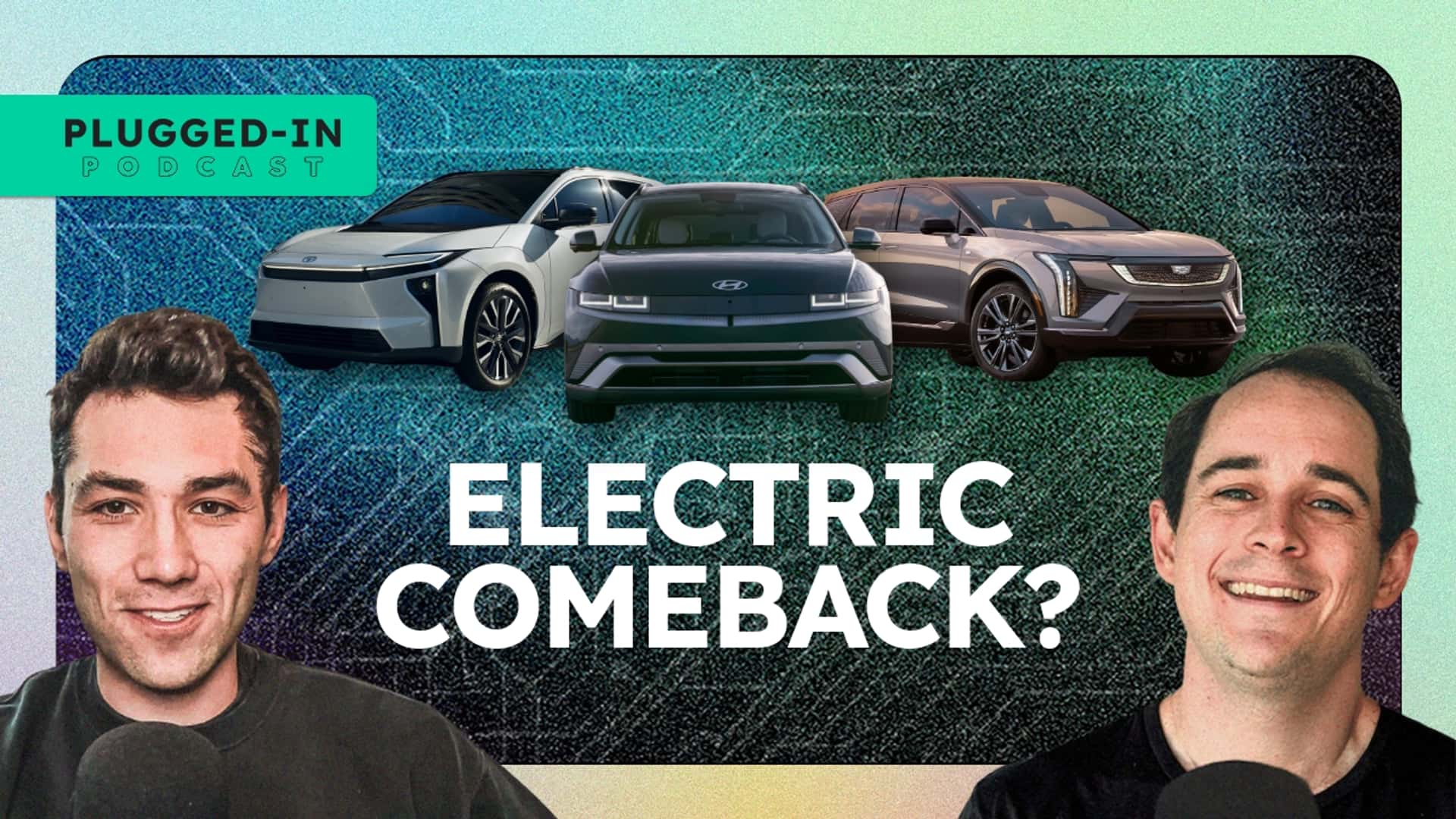
Key Takeaways: Navigating the 2026 EV Landscape
The first half of 2026 has presented a complex picture for the U.S. electric vehicle (EV) market. While Q2 sales reached their highest point since the federal tax credit concluded, overall year-over-year sales show a decline.
Automakers are experiencing disparate fortunes, with some, like Toyota and Rivian, demonstrating significant growth. Conversely, established players such as Honda, Nissan, and several Stellantis brands have seen sharp contractions, signaling an ongoing market shakeout.

The fluctuating performance underscores the evolving dynamics of consumer demand, the impact of price adjustments, and the strategic decisions made by manufacturers in a post-tax-credit environment. Tesla, despite a challenging 2025, has shown relative resilience.
Mixed Signals: The Current State of the US EV Market
The landscape of the U.S. electric vehicle market in 2026 is characterized by a blend of cautious optimism and stark challenges. Recent data reveals a nuanced trajectory, suggesting that while the industry is finding its footing, significant disparities persist among manufacturers.
According to figures compiled by Cox Automotive, the second quarter of 2026 witnessed a notable uptick in EV sales, reaching 247,226 units. This marks the highest sales volume recorded since the cessation of the federal tax credit in September of the previous year.

Q2 Performance and Year-to-Date Trends
Despite the encouraging Q2 performance, a deeper analysis reveals a broader struggle for the EV market. On a year-over-year basis, overall EV sales saw a 20.5% decline in the second quarter. While still a significant drop, this figure represents an improvement compared to the sharper reductions observed in preceding quarters.
For the entire first half of 2026, the cumulative EV sales were down by 23.8%. This downturn, however, does not paint a uniform picture across the automotive sector, as individual brands have navigated these conditions with wildly varying outcomes.
The Lingering Impact of Policy Shifts
The expiration of the federal tax credit has undoubtedly influenced consumer demand, particularly for electric vehicle models that have not seen corresponding price adjustments. This policy shift has forced automakers to re-evaluate their strategies in an evolving regulatory and competitive landscape.
Furthermore, the absence of stringent clean-car regulations has afforded some car companies the flexibility to scale back their EV offerings or production if they choose. This adaptability allows them to respond directly to current market pressures, impacting the overall supply and availability of electric vehicles.
The Frontrunners: Automakers Gaining Ground
Amidst the broader market deceleration, several automakers have defied the trend, demonstrating robust growth and strategic foresight within the competitive electric vehicle segment.
Toyota’s Strategic Shift and bZ Performance
Toyota, traditionally known for its strong commitment to hybrid technology rather than pure EVs, has remarkably altered its trajectory. The Japanese giant’s electric vehicle sales more than doubled in the first half of 2026, a significant leap forward in its EV market penetration.
This impressive performance was largely driven by the updated Toyota bZ, which alone accounted for 17,553 units sold. This positions Toyota well ahead of numerous established EV players, including Volkswagen, Rivian, Nissan, Kia, Honda, GMC, Ford, Cadillac, BMW, and Audi, a substantial shift from its standing a year ago.
The success of the bZ model suggests a growing consumer acceptance of Toyota’s EV offerings, leveraging its reputation for reliability and quality as it expands its electric portfolio.
Lexus, Subaru, and Cadillac: Niche Growth
Toyota’s luxury division, Lexus, mirrored this success, nearly doubling its EV sales in the first half of the year. Similarly, Subaru experienced a doubling of its electric vehicle sales in Q2, indicating positive reception for their respective models in the EV market.
Cadillac also demonstrated resilience, increasing its EV sales by 10% in the first half of 2026. This growth was notably bolstered by the ramp-up in production and availability of new models such as the Vistiq and Optiq, which gradually entered the market throughout the previous year.
Hyundai’s Resilience and Ioniq 5’s Popularity
Hyundai showcased commendable stability, experiencing only a modest decline of approximately 5% in its EV sales. This performance is particularly notable given the widespread downturn affecting many competitors in the EV market in 2026.
The Ioniq 5 emerged as a significant success story for the brand, with sales climbing by 9%, making it America’s most popular non-Tesla EV in the first half of the year. A strategic price reduction of nearly $10,000 for the Ioniq 5 likely played a crucial role in stimulating this demand and securing its market position.
Rivian’s Commercial Strength Propels Growth
Rivian, known for its electric trucks and SUVs, reported a 13.7% increase in sales, reaching 21,770 vehicles. A key factor in this growth was the robust performance of its commercial van segment, which continues to see strong demand.
In a confident move reflecting its positive outlook, Rivian even raised its production guidance for the year, now aiming to deliver up to 70,000 units. This highlights the potential of the commercial EV sector to drive growth even during a period of consumer market volatility.
The Challenged: Brands Facing Headwinds
While some brands thrive, many automakers have encountered substantial obstacles, leading to sharp declines in their electric vehicle sales figures. These challenges are often linked to strategic decisions, model cancellations, and a fluctuating demand environment.
Acura and Honda: Exiting the US EV Arena
Acura experienced a staggering 99% year-to-date decline in its EV sales, a direct consequence of the brand canceling its sole electric vehicle last year and subsequently axing its planned replacement. This decision effectively removed Acura from the U.S. EV market.
Honda, its parent company, saw its EV sales cut by approximately half. The brand made a definitive move this week by announcing the cessation of production for the Prologue, its only EV offered in the U.S., effectively exiting the U.S. electric vehicle game for the foreseeable future. This abrupt departure underscores the difficulties some mainstream automakers face in establishing a foothold.
Stellantis Brands: Steep Declines for Jeep and Dodge
Stellantis brands have also faced significant setbacks. Jeep’s EV sales plummeted by 94.3% from an already low base, indicating a severe drop in interest or availability. The brand anticipates the arrival of its rugged Recon EV and a Wagoneer EREV later this year, which could potentially reverse this trend.
Meanwhile, the Dodge Charger EV saw its sales decline by nearly 88% this year, totaling just over 500 units. Stellantis, which also discontinued all of its plug-in hybrid models this year, appears to be rapidly scaling back its EV commitments in the prevailing market conditions, a stark response to the current EV market in 2026.
Nissan’s Plunge and Budget EV Demand
Nissan’s EV sales plunged by 88.6%, despite the introduction of a new Leaf model. The primary driver for this sharp decline was the discontinuation of the volume-selling Ariya. While the Leaf remains in the lineup, its tepid sales raise questions about the true demand for smaller, budget-friendly electric vehicles in the current climate.
This suggests that simply updating an existing model may not be sufficient to reignite sales in a fiercely competitive and evolving EV market.
Volkswagen, Ford, BMW, and Audi: Navigating Model Transitions
Volkswagen recorded a nearly 70% drop in sales, falling below 4,000 units in the first half of the year. This can be attributed in part to the ID. Buzz skipping a model year and the cancellation of the ID.4. Such transitions often lead to temporary dips in sales as the product lineup undergoes significant changes.
Ford, once a strong contender in the EV segment, saw its sales decline by over 57% in the first half, following the cancellation of the F-150 Lightning last year. Similarly, BMW’s EV sales dropped by about half, according to Cox Automotive, though the brand has a pipeline of new and impressive models slated for release.
Audi experienced an 85% reduction in sales, delivering only 1,697 units in the first half. These figures collectively highlight the impact of product cycles and strategic decisions on manufacturers’ immediate sales performance within the EV market in 2026.
Tesla’s Relative Performance Amidst Market Volatility
Tesla, a dominant force in the electric vehicle sector, managed to outperform the overall market trends despite facing its own challenges. The company’s sales saw an estimated decline of only 10.9% in the first half of 2026, as estimated by Cox Automotive.
It is important to contextualize this figure against the backdrop of 2025, which was widely considered a historically difficult year for the company. While a decline is still a decline, Tesla’s ability to mitigate sharper losses suggests a degree of market resilience compared to many of its struggling competitors.
This performance indicates that while the broader EV market is experiencing volatility and a significant shakeout, Tesla maintains a relatively stronger position, possibly due to its established brand loyalty, extensive charging infrastructure, and continuous product evolution.
The Unfolding Shakeout: What Lies Ahead for the EV Market in 2026
The current state of the U.S. electric vehicle market remains in flux, characterized by significant uncertainties and strategic re-evaluations from major automotive players. The mixed results observed in the first half of 2026 underscore an ongoing period of adjustment and transformation.
The conclusion of the federal tax credit and the absence of clear clean-car regulations have created a challenging environment. This has prompted companies to either double down on their EV investments or, in some cases, to retract their commitments, leading to widespread model cancellations and supply adjustments.
The contrasting fortunes of automakers — from Toyota’s unexpected surge to Honda’s complete exit from the U.S. EV landscape — signify that the market is far from settled. The current period is not merely a slump but a fundamental reordering of priorities and competitive positions.
As the year progresses, the industry will continue to observe which strategies prove sustainable and which brands can adapt effectively to consumer demand shifts and evolving policy frameworks. The shakeout in the EV market in 2026 is clearly not over, promising further shifts in the automotive hierarchy.
Frequently Asked Questions About the 2026 EV Market
What was the overall trend for US EV sales in the first half of 2026?
U.S. EV sales showed a mixed picture. While the second quarter hit a post-tax credit high with 247,226 units, year-over-year sales for Q2 were down 20.5%. For the entire first half, EV sales declined by 23.8%, according to Cox Automotive data.
Which automakers saw significant growth in EV sales during this period?
Toyota’s EV sales more than doubled, largely due to the updated bZ model. Lexus and Subaru also doubled their sales. Rivian saw a 13.7% increase, boosted by its commercial van segment, and Cadillac’s EV sales grew by 10%.
Which brands experienced major declines in their EV market performance?
Acura’s EV sales fell by 99% after model cancellations. Honda’s sales halved, leading to the discontinuation of its only U.S. EV, the Prologue. Jeep sales dropped 94.3%, and the Dodge Charger EV was down nearly 88%. Nissan, Volkswagen, Ford, BMW, and Audi also faced significant declines.
What factors contributed to the varied performance among EV manufacturers?
The end of the federal tax credit significantly impacted demand, especially for models without price adjustments. Automaker-specific decisions like model cancellations (e.g., Nissan Ariya, Ford F-150 Lightning), strategic exits (Honda), and the lack of robust clean-car regulations also played key roles.
How did Tesla perform relative to the rest of the EV market?
Tesla outperformed the broader market, with its sales declining by an estimated 10.9% in the first half of 2026. This indicates a relatively stronger position for the company, especially considering that 2025 was a challenging year for the EV giant.
What does the term ‘EV shakeout’ imply for the future of the market?
The ‘EV shakeout’ implies an ongoing period of consolidation and re-evaluation within the industry. Some manufacturers are thriving, while others are struggling or exiting the market. This phase is expected to continue as the market matures and automakers adjust to consumer preferences and evolving regulatory environments.