
Key Takeaways:
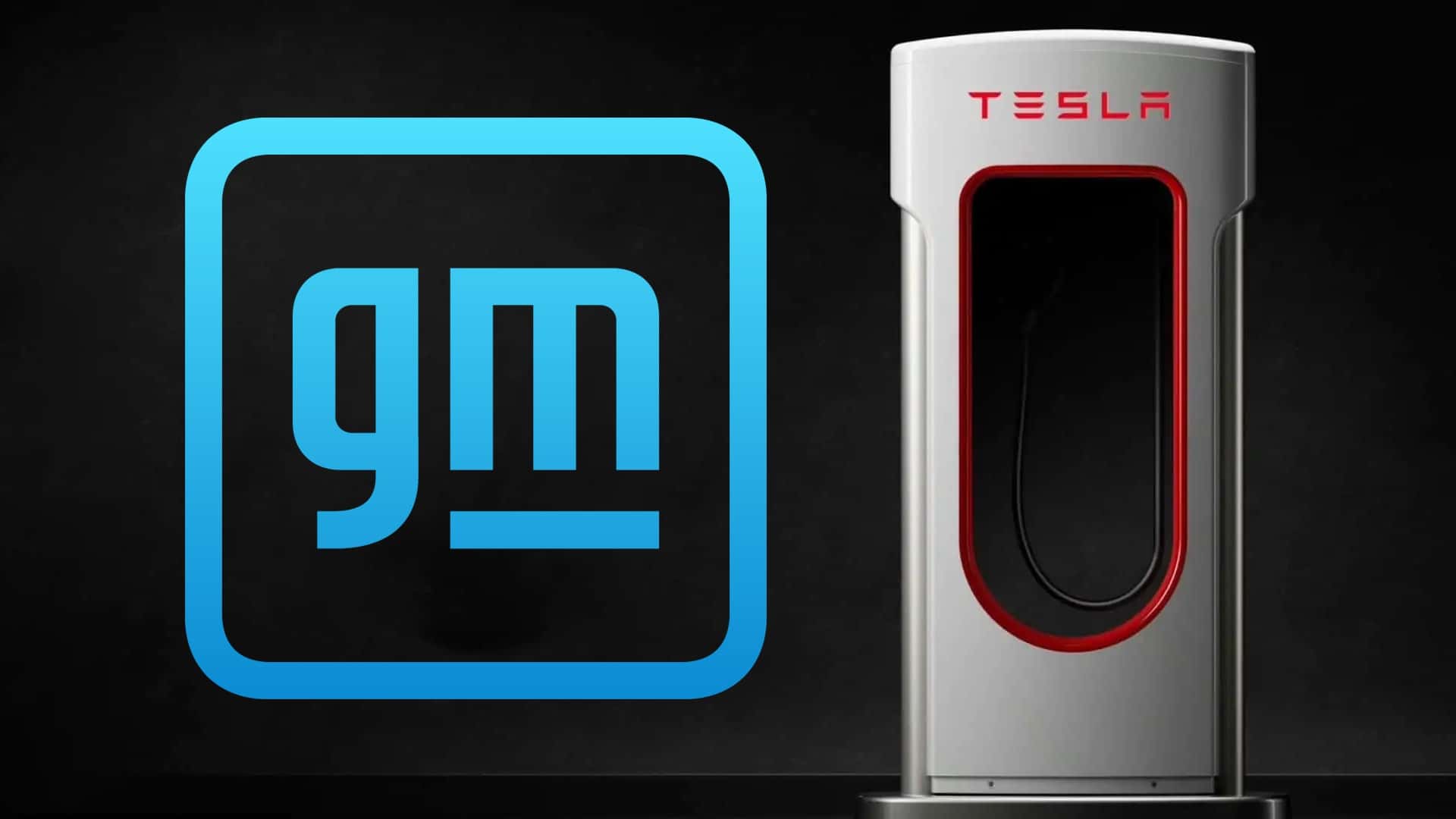
- General Motors (GM) will integrate Tesla’s North American Charging Standard (NACS) for its future electric vehicles (EVs).
- This decision grants GM EV owners access to Tesla’s extensive 12,000-unit Supercharger network starting in spring 2024.
- Existing GM EV owners will receive an adapter to utilize the Tesla charging standard, enhancing convenience for current customers.
- Future GM EVs, beginning in 2025, will feature integrated NACS ports, streamlining the charging experience.
- The move, following Ford’s earlier adoption, signifies a major shift towards a unified EV charging ecosystem in North America.
- GM’s vehicle and mobile apps will integrate Tesla Supercharger network access, simplifying location, payment, and charging initiation.
GM Embraces Tesla’s Extensive Supercharger Network
In a significant development for the electric vehicle landscape, General Motors (GM) has officially announced its adoption of Tesla’s North American Charging Standard (NACS) for its upcoming electric vehicle lineup. This strategic decision will provide GM EV owners with access to Tesla’s vast Supercharger network, which currently boasts over 12,000 fast-charging units across the continent.
The announcement, made by GM CEO Mary Barra during a Twitter Spaces session with Tesla founder Elon Musk on Thursday afternoon, marks a pivotal moment in the ongoing efforts to standardize and expand EV charging infrastructure.
Phased Integration for Current and Future EVs
The integration of the Tesla charging standard will unfold in a phased approach. Beginning in spring 2024, current GM EV owners will gain access to the Tesla Supercharger network through a provided adapter. This immediate benefit is expected to significantly alleviate range anxiety for existing customers.
Mary Barra highlighted this immediate impact, stating, “What’s even more exciting is that our existing EV customers can leverage the 12,000 Tesla fast chargers early next spring with an adapter.”
Looking ahead, GM plans for deeper integration in its next-generation vehicles. “We plan to adopt the North American charging standard, we’re working really hard that our first vehicle will come in 2025,” Barra confirmed, indicating that future GM EVs will incorporate the NACS port directly into their design.
Streamlined Charging Experience and App Integration
Beyond hardware compatibility, GM is committed to enhancing the user experience. The company revealed plans to fully integrate the Tesla Supercharger Network into its proprietary vehicle and mobile applications. This crucial step aims to simplify the entire charging process for drivers.
GM stated, “GM will also integrate the Tesla Supercharger Network into its vehicle and mobile apps, helping drivers quickly and easily locate, pay for, and initiate charging at available Tesla Superchargers.”
This integration eliminates the need for third-party applications or multiple payment methods, offering a seamless and intuitive charging solution. The ability to locate, pay for, and initiate charging directly through GM’s native platforms is a substantial step towards greater consumer convenience.
A Unified Front: Ford and GM Drive Industry Standardisation
GM’s move closely follows a similar announcement by Ford in late May, where it also committed to adopting the Tesla charging standard. The collective adoption by two of North America’s largest automakers signals a strong momentum towards a unified charging infrastructure, potentially reshaping the competitive landscape.
Together, these announcements stand to benefit a substantial number of EV drivers. Approximately 300,000 American EV drivers, encompassing over 170,000 battery electric vehicles (BEVs) sold by General Motors and more than 108,000 Ford BEVs (including models like the Mach-E, F-150 Lightning, and E-Transit), are poised to experience vastly improved access to fast-charging options.
The Shifting Tides of EV Charging Standards
The electric vehicle industry has long grappled with the challenge of disparate charging standards, creating fragmentation and sometimes confusion for consumers. Historically, the North American market has seen competition between various standards, including CHAdeMO, CCS1, and Tesla’s proprietary connector, which later became the NACS.
The slow demise of CHAdeMO has been observed over time, while CCS1 gained significant traction. However, the recent decisions by major players like Ford and General Motors to embrace the Tesla charging standard represent a formidable challenge to the dominance of CCS1.
Elon Musk and Mary Barra both acknowledged the transformative period the automotive industry is currently experiencing. During their joint discussion, Barra commented on this time as “one of the most exciting” for the industry, a sentiment echoed by Musk, who agreed that we are at “one of the great inflection points in vehicles … comparable to the moving production line.”
Implications for the Broader EV Ecosystem
The widespread adoption of NACS by prominent automakers like GM and Ford carries significant implications for the broader electric vehicle ecosystem. For consumers, it promises enhanced convenience, reduced range anxiety, and a more streamlined ownership experience as charging becomes less complicated.
For the automotive industry, it could lead to greater investment in a single, robust charging infrastructure, potentially accelerating EV adoption rates. A common Tesla charging standard also simplifies manufacturing for automakers, allowing them to focus resources on vehicle development rather than supporting multiple charging port designs.
Tesla, in turn, stands to benefit from increased utilization of its Supercharger network and the solidification of its technology as the de facto industry standard in North America. This could generate additional revenue streams and reinforce its leadership in EV technology.
The move also impacts charging network operators and equipment manufacturers. As NACS gains widespread acceptance, these entities may need to adapt their offerings to support the prevailing standard, ensuring interoperability across the network.
Future Outlook for EV Charging Infrastructure
With General Motors joining Ford and smaller players like Aptera in adopting the Tesla charging standard, the trajectory for North American EV charging infrastructure appears to be moving decisively towards NACS. This consolidation could foster greater public confidence in electric vehicles and their supporting infrastructure.
A unified standard simplifies deployment strategies for charging providers and ensures a more consistent experience for drivers regardless of their EV brand. The coming years will reveal the full extent of this shift, but the foundational steps for a more integrated and accessible EV charging future are clearly being laid by these landmark announcements.
FAQ Section
What is the North American Charging Standard (NACS)?
NACS is Tesla’s proprietary charging connector, now made available for broader industry adoption. It allows electric vehicles to connect to Tesla’s extensive Supercharger network and other NACS-compatible charging stations, offering high-speed direct current (DC) fast charging capabilities.
When will GM EV owners get access to Tesla Superchargers?
Existing General Motors electric vehicle owners are slated to gain access to Tesla’s Supercharger network starting in the spring of 2024. They will utilize an adapter provided by GM to connect their vehicles to NACS charging ports across North America.
Will future GM EVs have NACS ports built-in?
Yes, General Motors plans to integrate NACS ports directly into its future electric vehicles. The company aims for its first vehicle featuring the built-in Tesla charging standard to be released in 2025, streamlining the charging experience for new models.
How many Tesla Superchargers will GM owners access?
GM EV owners will gain access to Tesla’s expansive Supercharger network, which comprises over 12,000 fast-charging units throughout North America. This significant expansion of available charging points is expected to reduce range anxiety and enhance convenience.
How does this affect EV charging standards in North America?
The adoption of NACS by major automakers like GM and Ford is a strong indicator of a shift towards a dominant Tesla charging standard in North America. This could lead to a more unified charging infrastructure, potentially lessening the role of other standards like CCS1 over time.
Will charging be integrated into GM’s vehicle apps?
Yes, General Motors plans to integrate the Tesla Supercharger Network into its vehicle and mobile applications. This integration will allow drivers to quickly and easily locate, pay for, and initiate charging sessions directly from their GM vehicle or smartphone, simplifying the process.