
Key Takeaways
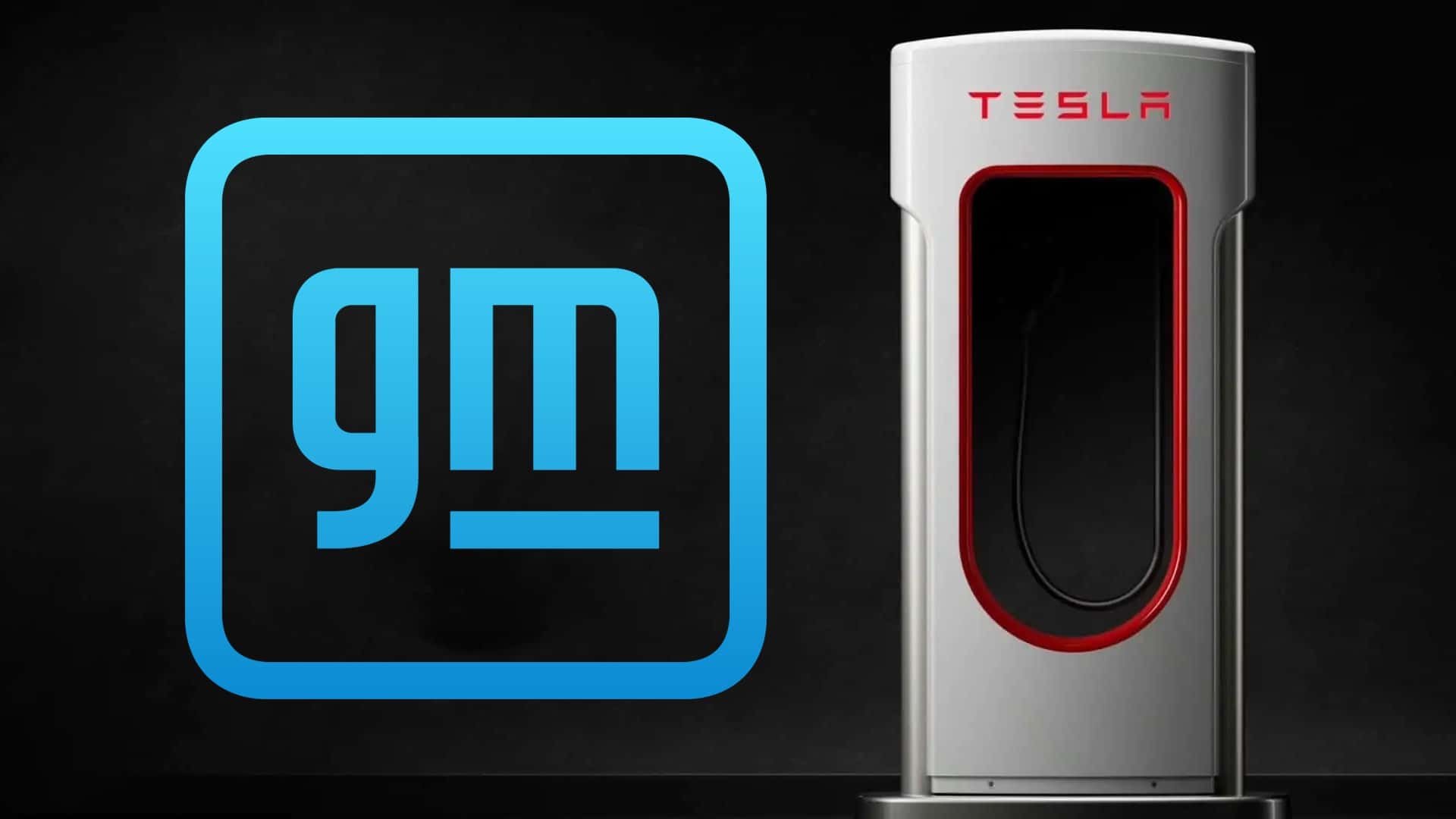
- General Motors (GM) will integrate Tesla’s North American Charging Standard (NACS) for its future electric vehicles (EVs), granting access to the extensive Tesla Supercharger network.
- Current GM EV owners will receive an adapter to access Tesla’s 12,000 fast chargers starting in spring 2024.
- Future GM EVs, beginning in 2025, will feature integrated NACS ports directly from the factory.
- GM’s vehicle and mobile applications will incorporate Tesla Supercharger network functionality for seamless location, payment, and charging initiation.
- This strategic move by GM, following Ford’s earlier announcement, significantly strengthens the Tesla charging standard’s position as the dominant force in North American EV charging infrastructure.
- The decision marks a critical turning point in the electric vehicle industry, enhancing charging accessibility for hundreds of thousands of EV drivers.
In a landmark development for the electric vehicle (EV) industry, General Motors (GM) has officially announced its adoption of Tesla’s North American Charging Standard (NACS). This pivotal decision will grant GM EV owners seamless access to Tesla’s vast and reliable Supercharger network, comprising over 12,000 fast-charging units across North America.
The announcement was made by GM CEO Mary Barra during a Twitter Spaces session on Thursday afternoon, featuring Tesla founder Elon Musk. This move aligns GM with Ford, which made a similar commitment to the Tesla charging standard in late May, further consolidating NACS as the de facto charging solution for the continent.
Enhanced Charging Access for GM EV Owners
The integration of the Tesla charging standard promises to dramatically improve the charging experience for GM’s growing base of EV customers. Starting in the spring of 2024, existing GM EV owners will receive an adapter, enabling them to utilize the expansive Tesla Supercharger network.
Mary Barra, CEO of General Motors, underscored the immediate benefits for current customers, stating, “What’s even more exciting is that our existing EV customers can leverage the 12,000 Tesla fast chargers early next spring with an adapter.” This direct access is expected to alleviate range anxiety and enhance convenience for long-distance travel.
Future EVs to Feature Native NACS Integration
Beyond providing adapters for current models, GM confirmed that its forthcoming electric vehicles will incorporate the Tesla charging standard natively. This means future GM EVs will be designed with NACS ports integrated directly into the vehicle architecture, eliminating the need for external adapters.
Barra elaborated on this future-forward strategy: “We plan to adopt the North American charging standard, we’re working really hard that our first vehicle will come in 2025.” This commitment signals a long-term strategic shift by the automotive giant towards a unified charging ecosystem.
Seamless Integration with GM’s Digital Ecosystem
A crucial aspect of GM’s adoption of the Tesla charging standard is the deep integration of the Supercharger network into the automaker’s digital platforms. GM revealed plans to embed Tesla Supercharger access directly into its vehicle and mobile applications.
According to a statement from GM, “GM will also integrate the Tesla Supercharger Network into its vehicle and mobile apps, helping drivers quickly and easily locate, pay for, and initiate charging at available Tesla Superchargers.” This integration is a significant step towards simplifying the EV charging process, removing the reliance on third-party applications or multiple payment systems.
Industry-Wide Implications and the Rise of NACS
The decisions by both Ford and General Motors to embrace the Tesla charging standard represent a monumental shift in the competitive landscape of EV charging infrastructure in North America. These moves are set to profoundly impact hundreds of thousands of EV drivers, offering them unprecedented access to fast and reliable charging options.
Collectively, over 300,000 American EV drivers will experience substantial improvements in fast charging accessibility. This figure includes more than 170,000 battery electric vehicles (BEVs) sold by General Motors, along with over 108,000 Ford BEVs, such as the Mach-E, F-150 Lightning, and E-Transit models.
A Unified Standard for North America?
The consolidation around NACS suggests a potential end to the fragmented charging landscape that has often complicated EV ownership. Previously, the market saw a coexistence, and sometimes competition, between standards like CHAdeMO and CCS1, with Tesla’s proprietary connector operating independently.
With major players like Ford and GM now committing to the Tesla charging standard, alongside smaller innovators such as Aptera, NACS is rapidly cementing its position as the dominant charging interface. This raises pertinent questions about the long-term viability of the CCS1 standard, which, despite its prevalence outside Tesla, now faces formidable challenges in North America.
During the Twitter Spaces conversation, both Mary Barra and Elon Musk acknowledged the transformative era the automotive industry is currently navigating. Musk articulated this sentiment, agreeing that we are at “one of the great inflection points in vehicles … comparable to the moving production line.” This perspective highlights the magnitude of the shift towards electrification and the critical role of robust charging infrastructure in its success.
The Importance of Charging Infrastructure
Reliable and widespread charging infrastructure is paramount to accelerating the adoption of electric vehicles. The lack of readily available and consistent charging options has been a frequently cited concern among potential EV buyers, contributing to range anxiety and hesitation in transitioning from internal combustion engine vehicles.
Tesla’s Supercharger network has long been lauded for its reliability, speed, and extensive coverage, particularly along major travel corridors. By opening this network to other automakers, Tesla is not only fostering broader EV adoption but also potentially setting a universal standard that could simplify the charging experience for all EV drivers in the region.
Overcoming Charging Hurdles
For decades, the automotive industry has grappled with various standards for components and systems. The move towards a singular, widely adopted charging standard offers several advantages. It streamlines infrastructure development, reduces confusion for consumers, and encourages greater investment in public charging solutions.
The strategic alliance between GM, Ford, and Tesla on charging standards could also spur innovation in charging technology and payment solutions, benefiting the entire EV ecosystem. This collaboration underscores a shared vision for a more sustainable and electrified future, where charging an EV is as convenient and ubiquitous as refuelling a traditional car.
Looking Ahead: The Future of EV Charging
The decisions by leading automakers like General Motors to embrace the Tesla charging standard mark a definitive turn in the evolution of electric mobility. As more manufacturers potentially follow suit, North America could witness a highly unified and efficient charging network, greatly enhancing the appeal and practicality of electric vehicles.
This industry consolidation around NACS is expected to accelerate investment in charging infrastructure, improve user experience, and ultimately contribute to a faster transition to a fully electric transportation system. The ripple effects of this strategic shift will undoubtedly be observed across the entire automotive value chain in the coming years.
FAQ Section
What is the North American Charging Standard (NACS)?
NACS is Tesla’s proprietary charging connector and protocol, which the company has since made available for other automakers to adopt. It is known for its compact design, efficiency, and integration with Tesla’s extensive Supercharger network, offering fast charging capabilities for electric vehicles across North America.
When will GM EV owners gain access to Tesla Superchargers?
General Motors has announced that existing GM EV owners will gain access to the Tesla Supercharger network starting in the spring of 2024. This initial access will be facilitated through an adapter, which will be provided to eligible owners by GM.
Will future GM EVs come with a Tesla charging port?
Yes, future General Motors electric vehicles will indeed feature a native Tesla charging standard port. GM CEO Mary Barra confirmed that the first vehicles with integrated NACS ports are slated for release starting in 2025, eliminating the need for separate adapters.
How many Tesla Superchargers will GM owners access?
GM EV owners will gain access to Tesla’s entire Supercharger network, which currently comprises over 12,000 fast-charging units across North America. This significantly expands the public fast-charging options available to GM electric vehicle drivers, enhancing convenience and reducing range anxiety.
How will payment and location work for GM owners using Superchargers?
General Motors plans to integrate the Tesla Supercharger Network directly into its vehicle and mobile applications. This means drivers will be able to quickly locate available Superchargers, initiate charging sessions, and manage payments seamlessly through GM’s own digital platforms, simplifying the user experience.
What does this mean for other charging standards like CCS1?
With both Ford and General Motors adopting the Tesla charging standard, NACS is rapidly becoming the dominant charging standard in North America. This move raises questions about the long-term future and widespread adoption of other standards like CCS1 (Combined Charging System 1) in the region, potentially leading to its gradual decline in market share.
Is this a unique move by GM?
No, GM’s decision follows a similar announcement made by Ford in late May 2023. These two major automakers’ adoption of NACS signifies a growing industry trend towards a unified charging standard in North America, enhancing charging accessibility for a vast number of EV drivers.