
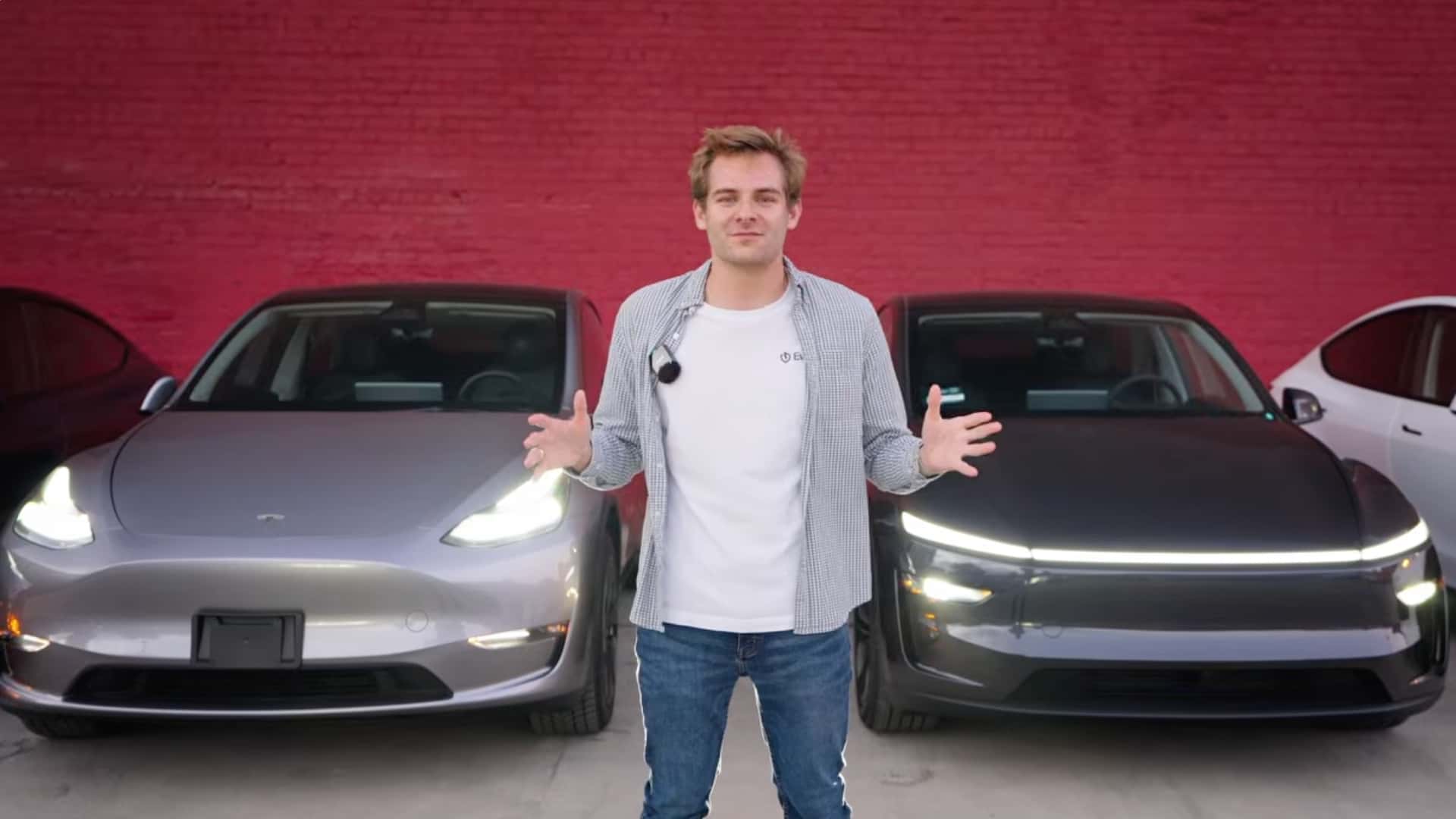
Choosing the right Tesla Model Y can be a complex decision, given the numerous subtle yet significant changes introduced by the manufacturer across various model years. Unlike traditional automotive refreshes, Tesla often implements updates mid-production, making each year, and sometimes even specific build periods, unique. Prospective buyers must delve into these nuanced modifications, ranging from interior amenities to battery technology and software capabilities, to determine which iteration best aligns with their preferences and budget.
Key Takeaways for Tesla Model Y Buyers
- **2020 Model Year:** Premium interior with heated seats (both rows) and 15-speaker sound. Lacks heated steering, glossy black plastic console. Early builds had single-pane windows; later ones, dual-pane.
- **2021 Model Year:** Increased range, brief Standard Range variant. Introduced matte center console and heated steering wheel. Later builds removed passenger lumbar support.
- **2022 Model Year:** Saw the Standard Range All-Wheel Drive with 4680 cells, noted for unusually slow charging. Later models received updated interior wood trim, manual rear door releases, and an optional “comfort suspension.”
- **2023 Model Year:** Integrated Hardware 4, essential for the latest Full Self-Driving (FSD) software. A software-locked Standard Range option allowed for unlocking up to 50 miles of additional range for a fee.
- **2024 & 2025 Models:** Received minor incremental updates.
- **2026 Model Year:** Introduced the “Juniper” refresh, featuring comprehensive exterior and interior overhauls including new front and rear ends, light bars, and dual-pane windows all around.
Deciphering the Tesla Model Y Evolution: A Model Year Breakdown
The Tesla Model Y, a dominant force in the electric SUV segment, has undergone a fascinating evolution since its inception. While a major ‘facelift’ or ‘refresh’ typically signifies significant design and engineering shifts in the automotive industry, Tesla’s approach has been more iterative. The Model Y, despite a long wait for a substantial overhaul, has been continuously tweaked. These changes, often introduced without fanfare, can dramatically impact the ownership experience, making it crucial for potential buyers to understand the specific characteristics of each model year. This in-depth analysis relies on insights from certified EV expert Andrew Lambrecht, a longtime InsideEVs contributor, who meticulously detailed these variations in a recent video on the Ever YouTube channel.

2020 Model Year: The Inaugural Offering
The initial Tesla Model Y, launched in 2020, set a high standard for interior luxury and connectivity. All original 2020 Model Y units were equipped with what Tesla termed the ‘premium interior package.’ This meant that early adopters benefited from features such as heated seats for both the front and rear passengers, enhancing comfort during colder climates. Furthermore, these models boasted a sophisticated 15-speaker sound system, providing an immersive audio experience for occupants.
However, the 2020 Model Y also had some distinct characteristics that were later updated. Notably, these early versions lacked a heated steering wheel, a feature that has become increasingly common in premium electric vehicles. The center console was fashioned from glossy black plastic, a material choice that, while aesthetically pleasing initially, was prone to showing fingerprints and scratches over time. Another subtle but important distinction involved the window construction: early builds featured single-pane windows, while subsequent production runs later in the year transitioned to more acoustically advanced dual-pane windows, which offered improved cabin quietness and thermal insulation.
2021 Model Year: Range and Interior Refinements
The 2021 Model Y brought several key enhancements, particularly in terms of performance and interior aesthetics. A notable improvement was an increase in the vehicle’s overall range, providing drivers with greater autonomy between charges. This year also saw the introduction of a short-lived Standard Range version, which was available for only about a month, making it a rare find in the used EV market.

Inside the cabin, Tesla addressed feedback regarding the glossy black console by introducing an updated, matte center console. This change offered a more subdued look and was less susceptible to visible smudges. A significant addition for driver comfort was the integration of a heated steering wheel, a feature absent in the preceding model year. However, not all changes were universally welcomed; later builds of the 2021 Model Y regrettably saw the removal of passenger lumbar support. For individuals or families prioritising this specific ergonomic feature, this detail could be a crucial factor in their purchasing decision.
2022 Model Year: Battery Innovations and Comfort Enhancements
The 2022 Model Y was marked by the introduction of the Standard Range All-Wheel Drive variant, a significant development as it featured the highly anticipated 4680 battery cells. These next-generation cells were touted for their potential to offer improved energy density and manufacturing efficiency. However, as observed by Andrew Lambrecht and other EV enthusiasts, this particular configuration presented certain challenges, most notably concerning its charging performance. The 4680-cell Model Y exhibited an unusually slow charging curve for a Tesla, with charging speeds dipping below 100 kW after reaching approximately a 30% state of charge, potentially impacting rapid charging convenience for some users.
Beyond the powertrain, the 2022 models also received interior updates designed to elevate the cabin experience. These included the addition of tasteful wood trim on the door cards, integrating a more premium feel throughout the interior. Safety and convenience were also enhanced with the inclusion of manual backup releases for the rear doors. Crucially, some 2022 Model Ys began to offer a “comfort suspension” option. This was a direct response to longstanding feedback about the Model Y’s characteristically stiff ride, aiming to provide a smoother and more compliant journey, especially over uneven road surfaces.
2023 Model Year: Hardware Upgrades and Range Unlocks
The year 2023 was pivotal for the Tesla Model Y, primarily due to the integration of Hardware 4 (HW4). This upgraded computing platform is critical for running the latest iterations of Tesla’s Full Self-Driving (FSD) software, offering enhanced processing power and improved sensor capabilities for advanced driver-assistance systems. For buyers keen on leveraging the most advanced autonomous features, a 2023 Model Y or newer equipped with HW4 becomes a more future-proof option.
Another intriguing development in 2023 was the reintroduction of a Standard Range option, which, counter-intuitively, often shared the same physical battery pack as the longer-range versions. The difference lay in a software lock that limited the accessible range. This presented a unique opportunity for astute buyers: by paying Tesla an additional fee, owners could unlock up to 50 miles of extra range in these vehicles. This flexibility made certain 2023 Standard Range models a potentially compelling ‘sleeper deal’ in the market, offering greater value for those willing to invest in the software unlock.
2024 and 2025 Models: Incremental Improvements
The 2024 and 2025 Tesla Model Y iterations generally continued the trend of incremental updates rather than revolutionary changes. While specific details can vary by region and production batch, these years typically saw minor refinements to software, efficiency, and perhaps subtle aesthetic tweaks. These might include updated infotainment features, minor material revisions, or further optimisations for battery management and charging. For these model years, buyers should focus on specific build dates and regional specifications, as Tesla’s continuous improvement model means even subtle mid-year changes are possible.
2026 Model Year: The “Juniper” Overhaul
Looking ahead, the 2026 model year is poised to deliver the much-anticipated “Juniper” refresh for the Tesla Model Y. This overhaul represents a more significant update compared to the subtle year-on-year changes observed previously. The Juniper refresh is expected to introduce new front and rear fascia designs, potentially incorporating distinctive light bars that align with Tesla’s evolving design language. Furthermore, the refresh is anticipated to standardise dual-pane windows across all models, enhancing cabin acoustics and insulation.
The “Juniper” update signifies a comprehensive reimagining of various aspects of the Model Y, both visible and potentially under the hood. While precise details will emerge closer to its official release, this refresh aims to keep the Model Y competitive in a rapidly evolving electric vehicle market, addressing design preferences and technological advancements that have emerged since its initial launch.
Conclusion: Making an Informed Tesla Model Y Purchase
The journey through the Tesla Model Y’s various model years reveals a landscape of continuous, albeit often subtle, evolution. From the premium features of the 2020 inaugural models to the hardware advancements of 2023 and the anticipated ‘Juniper’ refresh of 2026, each iteration brings a unique set of characteristics. Prospective buyers must carefully weigh these differences against their individual priorities, whether it’s interior comfort, charging speed, FSD capabilities, or long-term value. Consulting detailed resources, like the comprehensive analysis by Andrew Lambrecht, becomes indispensable in making an informed decision about which Tesla Model Y truly fits the bill.
Frequently Asked Questions (FAQ)
Q1: What are the key differences between early and late 2020 Model Y builds?
Early 2020 Model Ys featured single-pane windows, while later builds transitioned to dual-pane windows, offering improved noise insulation and cabin quietness. Both maintained the premium interior package with heated seats and a 15-speaker sound system, but lacked a heated steering wheel.
Q2: Why is the 2023 Model Y particularly significant for FSD capabilities?
The 2023 Model Y saw the integration of Hardware 4 (HW4), an upgraded computing platform essential for running the latest, more advanced versions of Tesla’s Full Self-Driving (FSD) software. This makes 2023 models and newer more future-proof for autonomous driving features.
Q3: What was unique about the 2022 Model Y’s Standard Range All-Wheel Drive variant?
The 2022 Standard Range All-Wheel Drive Model Y was notable for being equipped with the 4680 battery cells. However, it experienced unusually slow charging speeds, often dropping below 100 kW after reaching approximately a 30% state of charge, impacting quick charging experiences.
Q4: Can I unlock more range on a Tesla Model Y?
For certain 2023 Standard Range Model Ys, which were software-locked despite having larger battery packs, Tesla offered an option to unlock up to 50 additional miles of range for a fee. This presented a potential value proposition for buyers seeking more flexibility.
Q5: What is the “Juniper” refresh for the Tesla Model Y?
The “Juniper” refresh, expected for the 2026 Model Y, signifies a comprehensive overhaul. It includes new front and rear exterior designs with updated light bars, standard dual-pane windows all around, and various other changes aimed at modernising the vehicle’s aesthetics and features.
Q6: Did the Model Y ever address its stiff ride?
Yes, starting with some 2022 Model Y builds, Tesla began introducing a “comfort suspension” option. This was an effort to mitigate the traditionally stiff ride quality that had been a common point of feedback for earlier Model Y iterations, aiming for a smoother driving experience.
Q7: What interior changes were made in the 2021 Model Y?
The 2021 Model Y introduced a matte center console, replacing the glossy black plastic, which was less prone to fingerprints and scratches. It also added a heated steering wheel, but later 2021 builds removed passenger lumbar support, a feature present in earlier models.