
Key Takeaways
- The Tesla Model Y, a popular electric SUV, has undergone numerous subtle yet significant revisions since its 2020 launch, making each model year distinct.
- Early 2020 Model Y units featured a premium interior with heated seats in both rows and a 15-speaker sound system, though they lacked a heated steering wheel and had a glossy black plastic center console.
- The 2021 Model Y introduced enhanced range, a brief Standard Range variant, a matte center console, and a heated steering wheel, but notably removed passenger lumbar support in later builds.
- The 2022 Model Y saw the debut of the Standard Range All-Wheel Drive with 4680 cells, which exhibited slower charging rates, alongside interior updates like wood trim and manual rear door releases, and an optional “comfort suspension.”
- For 2023, the Tesla Model Y received Hardware 4, essential for advanced Full Self-Driving (FSD) capabilities, and offered a software-locked Standard Range option with unlockable extra mileage.
- Subsequent years, including the anticipated 2026 “Juniper” refresh, continue to bring further design and feature updates, influencing the value and appeal of various Tesla Model Y iterations.
Prospective buyers navigating the burgeoning electric vehicle market often face a complex decision when considering a Tesla Model Y: which model year offers the best value and feature set? Despite a relatively recent major refresh, the acclaimed electric SUV has received a surprising array of incremental updates since its introduction in 2020. These subtle yet impactful modifications, often rolled out mid-year, mean that no two production years of the Tesla Model Y are exactly alike, presenting a nuanced choice for consumers.
Understanding these year-to-year and even month-to-month changes is crucial for making an informed purchasing decision, particularly in the dynamic used EV market. Features ranging from interior appointments and battery technology to suspension tuning and advanced driver-assist hardware have evolved, directly influencing the ownership experience and resale value of the Tesla Model Y.

Evolution of the Tesla Model Y: Key Distinctions by Year
To provide clarity on these distinctions, automotive experts have meticulously documented the numerous alterations to the Tesla Model Y. A detailed analysis highlights how each iteration of this popular electric SUV brings its own unique set of characteristics, catering to different buyer priorities. This comprehensive overview aims to dissect these changes, offering a definitive guide for anyone considering a Tesla Model Y.
The Inaugural 2020 Tesla Model Y: Setting the Standard
The original 2020 Tesla Model Y, upon its debut, established a high bar for its segment. All initial units were equipped with what Tesla termed a “premium interior.” This package included amenities such as heated seats for both the front and rear passengers, alongside a sophisticated 15-speaker sound system designed to enhance the in-cabin audio experience. These features underscored Tesla’s commitment to providing a luxurious and comfortable environment for early adopters of the Tesla Model Y.
However, the early 2020 models also presented some notable omissions and design choices. For instance, the heated steering wheel, a feature that would become standard in later versions, was absent. Additionally, the center console was crafted from a glossy black plastic, a material choice that proved prone to fingerprints and minor scratches. A significant production change occurred mid-year, with early builds featuring single-pane windows, while later 2020 productions transitioned to more acoustically insulating dual-pane windows, a detail important for discerning buyers.

The 2021 Model Year: Range Boost and Interior Refinements
The 2021 Tesla Model Y saw important enhancements, most notably an increase in its overall range, offering owners greater travel flexibility. This year also marked the brief appearance of a Standard Range version, which was available for only about a month, making it a rare find in the used car market. This variant, while short-lived, aimed to provide a more accessible entry point into the Tesla Model Y lineup.
Interior updates in 2021 included a switch from the glossy black console to a more durable and aesthetically pleasing matte center console. Crucially, a heated steering wheel was integrated, addressing a common request from owners. However, a significant alteration occurred later in the 2021 production run: the removal of passenger lumbar support. For buyers prioritizing passenger comfort, particularly for long journeys, this change in the Tesla Model Y is a critical consideration.
The 2022 Iteration: Introducing 4680 Cells and Comfort Enhancements
The year 2022 was pivotal for the Tesla Model Y with the introduction of the Standard Range All-Wheel Drive variant. This model was significant as it featured the long-anticipated 4680 battery cells, a new generation of battery technology aimed at improving energy density and manufacturing efficiency. However, as industry experts and users have pointed out, this particular variant of the Tesla Model Y exhibited an unusually slow charging curve for a Tesla, with charging speeds dipping below 100 kW after approximately a 30% state of charge.
Beyond battery advancements, the 2022 Tesla Model Y also received updated interior elements. These included the integration of wood trim on the door cards, adding a touch of sophistication to the cabin. Practical improvements such as manual backup releases for the rear doors were also added, enhancing safety and accessibility. Furthermore, some 2022 models were equipped with a “comfort suspension,” a direct response to persistent feedback regarding the Model Y’s typically stiff ride. This optional upgrade aimed to provide a smoother, more refined driving experience for the Tesla Model Y.
The 2023 Model Year: Hardware 4 and Software-Locked Range
The 2023 Tesla Model Y models were distinguished by the inclusion of Hardware 4 (HW4), an upgraded computing platform crucial for running the latest iterations of Tesla’s Full Self-Driving (FSD) software. For buyers keen on leveraging the most advanced driver-assist features, a 2023 Tesla Model Y with HW4 is a key differentiator. This hardware revision signifies Tesla’s ongoing efforts to enhance its autonomous driving capabilities.
Another compelling option introduced in 2023 was a Standard Range variant that, unusually, shared the same physical battery pack as the longer-range versions. The difference in range was primarily managed through software locks. This presented a unique opportunity for consumers, as Tesla offered the ability to pay a fee to unlock an additional 50 miles of range in these specific cars. This feature made the 2023 software-locked Tesla Model Y a potential “sleeper deal” for those looking to maximize range post-purchase.
Looking Ahead: 2024, 2025, and the “Juniper” Refresh
While the focus often remains on past model year variations, the Tesla Model Y continues to evolve. The 2024 and 2025 models have brought their own series of smaller, iterative updates, often focusing on minor interior tweaks, software improvements, or manufacturing optimizations. These changes, while less dramatic than a full refresh, continually refine the ownership experience and are part of Tesla’s agile production philosophy.
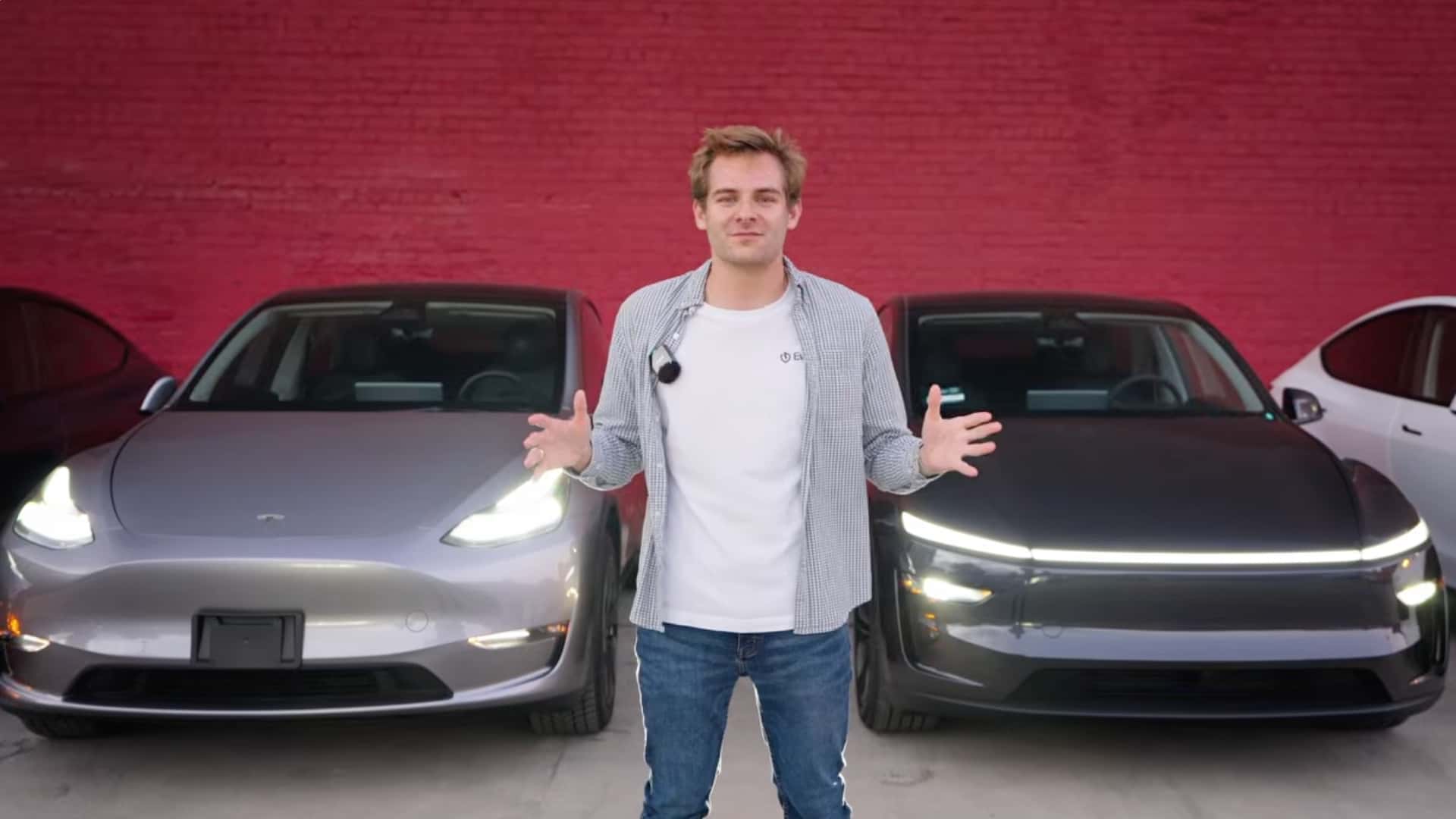
Looking further into the future, the anticipated 2026 Tesla Model Y is set to undergo a significant overhaul, widely referred to as the “Juniper” refresh. This substantial update is expected to introduce new front and rear fascias, complete with redesigned light bars, giving the vehicle a fresh aesthetic. Crucially, the Juniper refresh is also expected to standardize dual-pane windows across all sides, further enhancing cabin acoustics and comfort. This comprehensive refresh signals a new chapter for the Tesla Model Y, promising a blend of aesthetic and functional improvements.
Making an Informed Decision for Your Tesla Model Y
The continuous evolution of the Tesla Model Y highlights Tesla’s strategy of rolling out improvements incrementally rather than adhering to traditional annual model year changes. This approach ensures that the Tesla Model Y remains competitive but also necessitates diligent research from prospective buyers. Understanding the specific features, or lack thereof, for each production period is vital when assessing a used or new Tesla Model Y.
Factors such as desired range, interior comfort, charging speed priorities, and the importance of advanced driver-assist hardware like Hardware 4 should guide the selection process. Whether seeking the robust premium features of an early 2020 model, the range improvements of 2021, the comfort upgrades of 2022, or the technological edge of a 2023 Tesla Model Y, a clear understanding of these distinctions empowers buyers to choose the vehicle that best aligns with their individual needs and preferences in the competitive EV landscape.
Frequently Asked Questions (FAQ) about the Tesla Model Y
What significant interior changes occurred in the early Tesla Model Y production?
Early 2020 Tesla Model Y units came with a premium interior, featuring heated front and rear seats and a 15-speaker sound system. However, they lacked a heated steering wheel and had a glossy black plastic center console, which was later updated to a matte finish in 2021. Early builds also used single-pane windows, replaced by dual-pane ones later in the year.
When did the heated steering wheel become a standard feature in the Tesla Model Y?
The heated steering wheel was introduced as a standard feature in the 2021 Tesla Model Y, addressing a common request from owners for enhanced comfort, especially in colder climates. This was part of a series of interior refinements introduced that year, alongside a redesigned matte center console.
What was unique about the 2022 Tesla Model Y Standard Range All-Wheel Drive?
The 2022 Model Y Standard Range All-Wheel Drive was notable for being the first to incorporate Tesla’s new 4680 battery cells. However, this variant reportedly exhibited slower charging speeds, often dipping below 100 kW after a 30% state of charge, making it a point of consideration for buyers prioritizing rapid charging.
What is the significance of Hardware 4 in the 2023 Tesla Model Y?
Hardware 4 (HW4) in the 2023 Tesla Model Y is a critical upgrade to the vehicle’s computing platform. It is necessary to operate the latest versions of Tesla’s Full Self-Driving (FSD) software, offering enhanced processing capabilities for advanced driver-assist features. For FSD enthusiasts, a HW4-equipped Model Y is highly desirable.
Can I unlock additional range in certain Tesla Model Y models?
Yes, some 2023 Tesla Model Y Standard Range models, which shared the same physical battery pack as longer-range versions, had their range software-locked. Owners could pay a fee to Tesla to unlock up to an additional 50 miles of range, making these models a potential value proposition for those seeking a range upgrade post-purchase.
What is the “Juniper” refresh for the Tesla Model Y?
The “Juniper” refresh refers to a significant overhaul anticipated for the 2026 Tesla Model Y. This update is expected to bring extensive design changes, including new front and rear fascias with distinct light bars, and the implementation of dual-pane windows all around. This refresh aims to provide both aesthetic and functional improvements to the vehicle.