
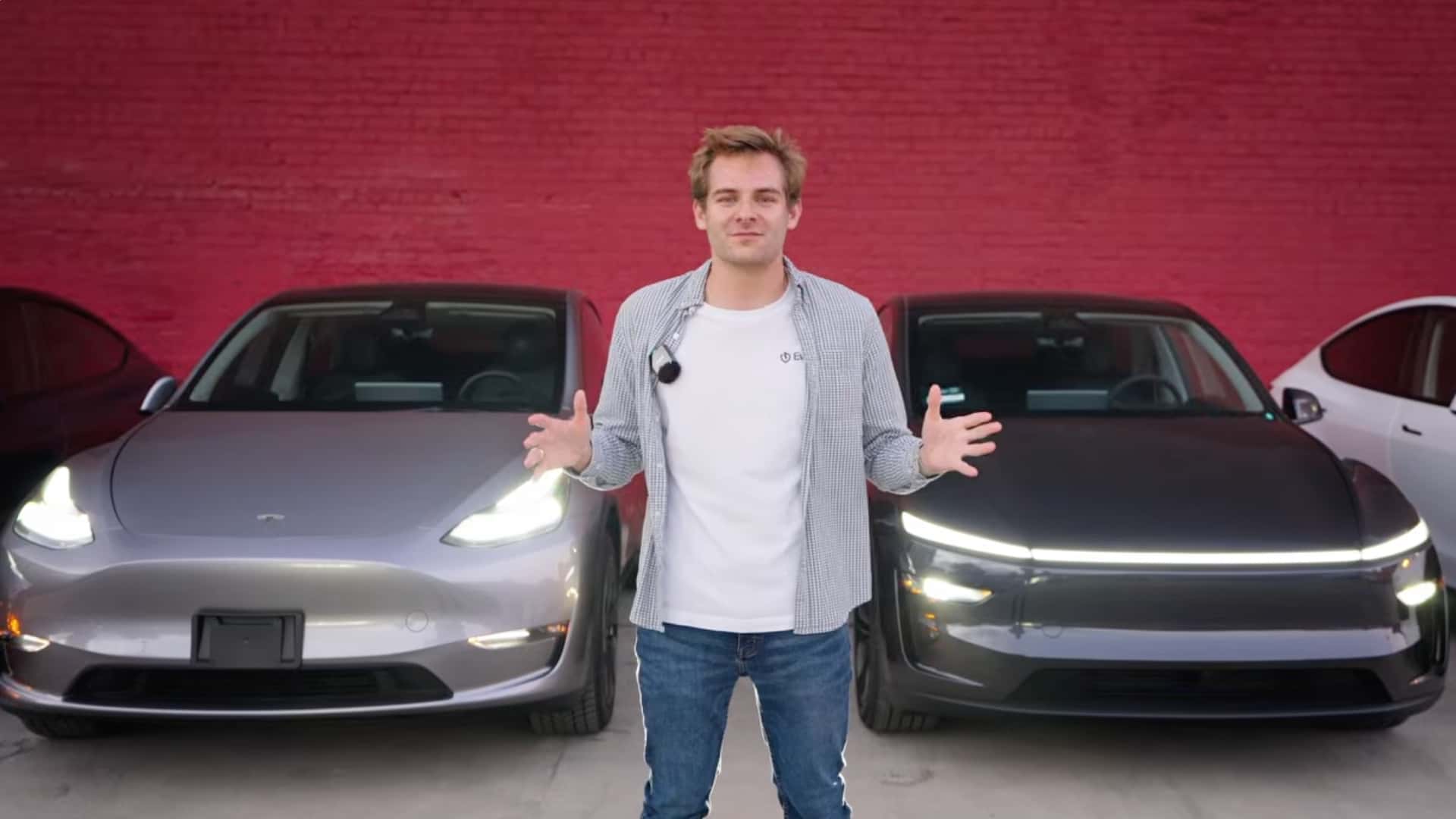
For prospective buyers navigating the dynamic electric vehicle (EV) market, the Tesla Model Y stands as a prominent contender. However, unlike traditional automotive models that undergo distinct generational refreshes, the Model Y has seen a continuous stream of subtle yet significant updates since its 2020 debut. This evolutionary approach means that each model year of the Tesla Model Y presents a unique combination of features, performance characteristics, and technological integrations, making the decision of which year to acquire less straightforward than anticipated.
Understanding these incremental changes is crucial for anyone consulting a Tesla Model Y buying guide. A detailed analysis, drawing upon expert insights, reveals that even minor alterations can significantly impact a buyer’s driving experience, comfort, and investment value. This article delves into the specific modifications introduced across various Model Y iterations, offering a clear perspective for informed decision-making.

Key Takeaways for Your Tesla Model Y Buying Guide
- Every Model Y year from 2020 onwards incorporates distinct, often subtle, changes that impact interior features, range, and technology.
- The 2020 models offered a premium interior standard, though lacking some later comfort features like a heated steering wheel.
- The 2021 Model Y introduced improved range, a revised center console, and a heated steering wheel, but later builds lost passenger lumbar support.
- The 2022 iteration saw the experimental introduction of 4680 cells in the Standard Range AWD, known for slower charging, alongside interior material upgrades and a ‘comfort suspension’ option.
- The 2023 Model Y brought Hardware 4 for enhanced Full Self-Driving capabilities and a software-locked Standard Range option with potential for range unlock.
- The anticipated 2026 ‘Juniper’ refresh promises a more significant aesthetic and functional overhaul.
- Careful consideration of comfort features, battery characteristics, and hardware versions is essential when evaluating a used Tesla Model Y for purchase.
The Evolving Tesla Model Y: A Chronological Overview
Tesla’s strategy for the Model Y has been one of constant refinement, rather than traditional model year-specific overhauls. This approach, while innovative, creates a complex landscape for consumers seeking the ideal electric SUV. The following breakdown, based on an extensive review by certified EV expert Andrew Lambrecht on the Ever YouTube channel, details the critical differences year by year.
2020: The Inaugural Year of the Model Y
The initial production run of the Tesla Model Y in 2020 set a high standard for interior appointments. All original 2020 Model Y vehicles were equipped with the ‘premium interior’ package as standard. This included luxurious amenities such as heated seats for both front and rear passengers, alongside a sophisticated 15-speaker sound system designed for an immersive audio experience.
Despite these premium features, early 2020 models featured a glossy black plastic center console, which was prone to fingerprints and scratches. They also notably lacked a heated steering wheel, a feature that would later become a staple for cold-weather comfort. Furthermore, a crucial structural change occurred mid-year: early builds utilized single-pane windows, while later 2020 Model Ys transitioned to dual-pane windows, offering improved cabin acoustics and insulation.

2021: Enhancements in Range and Interior Comfort
The 2021 Model Y brought several key updates, most notably a slight increase in estimated range for existing variants, enhancing the vehicle’s long-distance travel appeal. This year also saw the brief introduction of a Standard Range version, which, surprisingly, was available for only about a month, making it a rare find in the used market.
Interior aesthetics and functionality were also addressed. The glossy black center console was replaced with an updated matte finish, which proved more resilient to everyday wear and tear. Crucially, Tesla added a heated steering wheel, addressing a common request from early owners. However, a less favorable change for some was the removal of passenger lumbar support in later 2021 builds, a detail prospective buyers, especially those with family members sensitive to seating ergonomics, should verify when considering a used Tesla Model Y.
2022: Introducing New Battery Tech and Suspension Tweaks
The 2022 Model Y diversified its offerings with the introduction of the Standard Range All-Wheel Drive variant. This model was significant as it featured the much-discussed 4680 battery cells, representing a step forward in Tesla’s battery technology. However, early observations, including those highlighted by Andrew Lambrecht, indicated that this particular configuration exhibited unusually slow charging speeds for a Tesla, with power dipping below 100 kW after reaching approximately 30% state of charge. This characteristic is a vital point for a Tesla Model Y buying guide, particularly for those prioritizing rapid charging.
Further interior refinements were introduced later in 2022, including the addition of elegant wood trim on the door cards, elevating the cabin’s premium feel. Practical safety enhancements included manual backup releases for the rear doors. Perhaps most importantly for driving dynamics, some 2022 models were fitted with a ‘comfort suspension,’ a direct response to feedback regarding the Model Y’s typically stiff ride, offering a potentially smoother driving experience for those seeking greater refinement.
2023: The Advent of Hardware 4 and Software-Locked Range
The 2023 Model Y represented a significant technological leap with the integration of Hardware 4 (HW4). This advanced computing platform is essential for running the latest iterations of Tesla’s Full Self-Driving (FSD) software, offering improved sensor capabilities and processing power. For buyers focused on autonomous driving features, a 2023 Model Y with HW4 is a critical consideration.
Another intriguing development this year was the reintroduction of a Standard Range option. Uniquely, these vehicles were equipped with the same physical battery packs as the longer-range versions but were software-locked to a reduced capacity. Tesla offered an option to unlock up to an additional 50 miles of range for a fee, potentially making these 2023 models a ‘sleeper deal’ for astute buyers looking for more range at a lower initial cost, thereby becoming a key aspect of any comprehensive Tesla Model Y buying guide.
2024 and 2025: Subtle Refinements
Following the significant updates of 2023, the 2024 and 2025 model years of the Tesla Model Y saw more minor, incremental adjustments. These typically involved software enhancements, minor trim changes, or very subtle functional tweaks that did not fundamentally alter the vehicle’s core characteristics. Buyers considering these years will find a refined, mature version of the Model Y, benefitting from previous years’ improvements without major new hardware introductions.
2026: The Anticipated ‘Juniper’ Overhaul
Looking ahead, the year 2026 is slated to bring the much-anticipated ‘Juniper’ refresh for the Tesla Model Y. This is expected to be a more comprehensive overhaul, moving beyond the incremental changes of previous years. Projections suggest significant redesigns for both the front and rear ends, likely incorporating new light bar designs for a refreshed aesthetic. Additionally, the ‘Juniper’ update is expected to standardize dual-pane windows across all variants, further enhancing cabin quietness. This future model will likely reset expectations for the Model Y, offering a substantially updated package for those willing to wait.
Key Considerations for Your Tesla Model Y Buying Guide
Choosing the right Model Y involves weighing various factors against individual priorities. The continuous evolution of this popular electric SUV means that no single year is definitively ‘best’ for everyone. A strategic approach involves aligning the vehicle’s specific features with your personal requirements.
Prioritising Features: Comfort, Technology, or Performance?
If interior luxury and a robust sound system are paramount, the early 2020 Model Y, despite its glossy console and lack of heated steering wheel, offers a standard premium package. For those in colder climates, the heated steering wheel introduced in 2021 becomes a crucial comfort feature. Conversely, if cutting-edge autonomous driving capabilities are a priority, the 2023 Model Y with Hardware 4 is the clear choice for access to the latest FSD developments. Performance enthusiasts should also consider the specific drive configurations available each year, such as the Standard Range All-Wheel Drive, keeping charging characteristics in mind.
Understanding Battery and Charging Dynamics
The introduction of 4680 cells in the 2022 Standard Range All-Wheel Drive Model Y highlights the importance of understanding battery technology and its practical implications. While innovative, its noted slower charging rate might be a drawback for drivers frequently relying on DC fast charging. The software-locked range option in the 2023 Standard Range models presents a unique opportunity for cost-effective range expansion, making it a compelling option for those willing to invest in the unlock feature. For any Tesla Model Y buying guide, evaluating real-world range and charging speeds is critical for an optimal ownership experience.
The Impact of Software and Hardware Generations
Tesla’s ecosystem is heavily reliant on software and hardware synergy. The transition to Hardware 4 in 2023 is a prime example of how a hardware upgrade can unlock future software capabilities, particularly for advanced driver-assistance systems. While older hardware can still receive over-the-air updates, newer hardware ensures compatibility with the most demanding features. Prospective buyers should consider their interest in FSD and future technological advancements when evaluating the hardware generation of a Model Y. The integration of advanced sensors and processing power influences not just autonomy but also safety features and overall vehicle intelligence.
Conclusion: Navigating Your Tesla Model Y Buying Guide
The Tesla Model Y’s journey from its initial launch to its anticipated ‘Juniper’ refresh in 2026 is marked by constant, often subtle, evolution. This dynamic product development means that each model year offers a distinct profile of features and capabilities. For anyone consulting a Tesla Model Y buying guide, the key lies in understanding these nuanced differences and aligning them with personal priorities for comfort, performance, technology, and budget.
By meticulously examining the changes in interior appointments, range specifications, battery technology, and hardware versions across the years, buyers can make an informed decision. Whether opting for a well-equipped early model or a technologically advanced recent iteration, the ideal Model Y is one that perfectly matches the individual’s driving needs and ownership expectations in the ever-expanding electric vehicle landscape.
Frequently Asked Questions About the Tesla Model Y Buying Guide
Which Tesla Model Y year offers the best value?
The ‘best value’ Model Y depends on individual priorities. Early 2020 models offer a standard premium interior. The 2023 Standard Range with software-locked range could be a great value if you pay to unlock the extra miles. Value is subjective, weighing features against price in the used EV market.
Do all Tesla Model Ys have a heated steering wheel?
No, not all Tesla Model Ys have a heated steering wheel. This feature was introduced in the 2021 model year. Earlier 2020 models, despite their premium interior, did not include a heated steering wheel. Always check the specific vehicle’s features list when considering a purchase.
What is the significance of Hardware 4 in the Model Y?
Hardware 4 (HW4), introduced in the 2023 Model Y, is Tesla’s latest computing platform for its advanced driver-assistance systems. It features enhanced cameras and processing power, making it essential for running the most recent and future iterations of Full Self-Driving (FSD) software with improved reliability and capability.
Are the 4680 battery cells in the 2022 Model Y problematic?
The 2022 Standard Range All-Wheel Drive Model Y, featuring 4680 cells, has been noted for unusually slow DC fast charging speeds, dropping below 100 kW after approximately 30% state of charge. While not ‘problematic’ for daily driving, it’s a critical consideration for buyers who frequently rely on rapid charging infrastructure.
Can I unlock more range in a Standard Range Model Y?
Yes, some 2023 Standard Range Model Y vehicles, which physically contain the same battery as longer-range versions but are software-locked, allow owners to pay Tesla a fee to unlock approximately 50 additional miles of range. This can turn a seemingly standard model into a more capable long-distance vehicle.
What is the ‘Juniper’ refresh for the Tesla Model Y?
The ‘Juniper’ refresh, anticipated for the 2026 Model Y, is expected to be a significant overhaul. It will likely include redesigned front and rear fascias with new light bars, as well as the standardization of dual-pane windows across all variants. This represents a more substantial update than the incremental changes seen in earlier model years.