
Key Takeaways (TL;DR)
- The Cadillac Optiq will incorporate a high-tech electric vehicle platform, named Xiao Yao, developed in China through a SAIC-GM joint venture.
- This advanced Chinese EV platform, distinct from GM’s U.S.-designed Ultium architecture, will not be featured in Cadillac Optiq models sold in the United States due to existing restrictions on Chinese hardware and software.
- The strategic move underscores a growing trend among global automakers to leverage sophisticated Chinese EV technology to enhance competitiveness in international markets.
- Xiao Yao offers significant flexibility, supporting various vehicle types and propulsion systems, alongside advanced features like high-speed charging and intelligent cockpits, aiming to better compete with local Chinese EV brands.
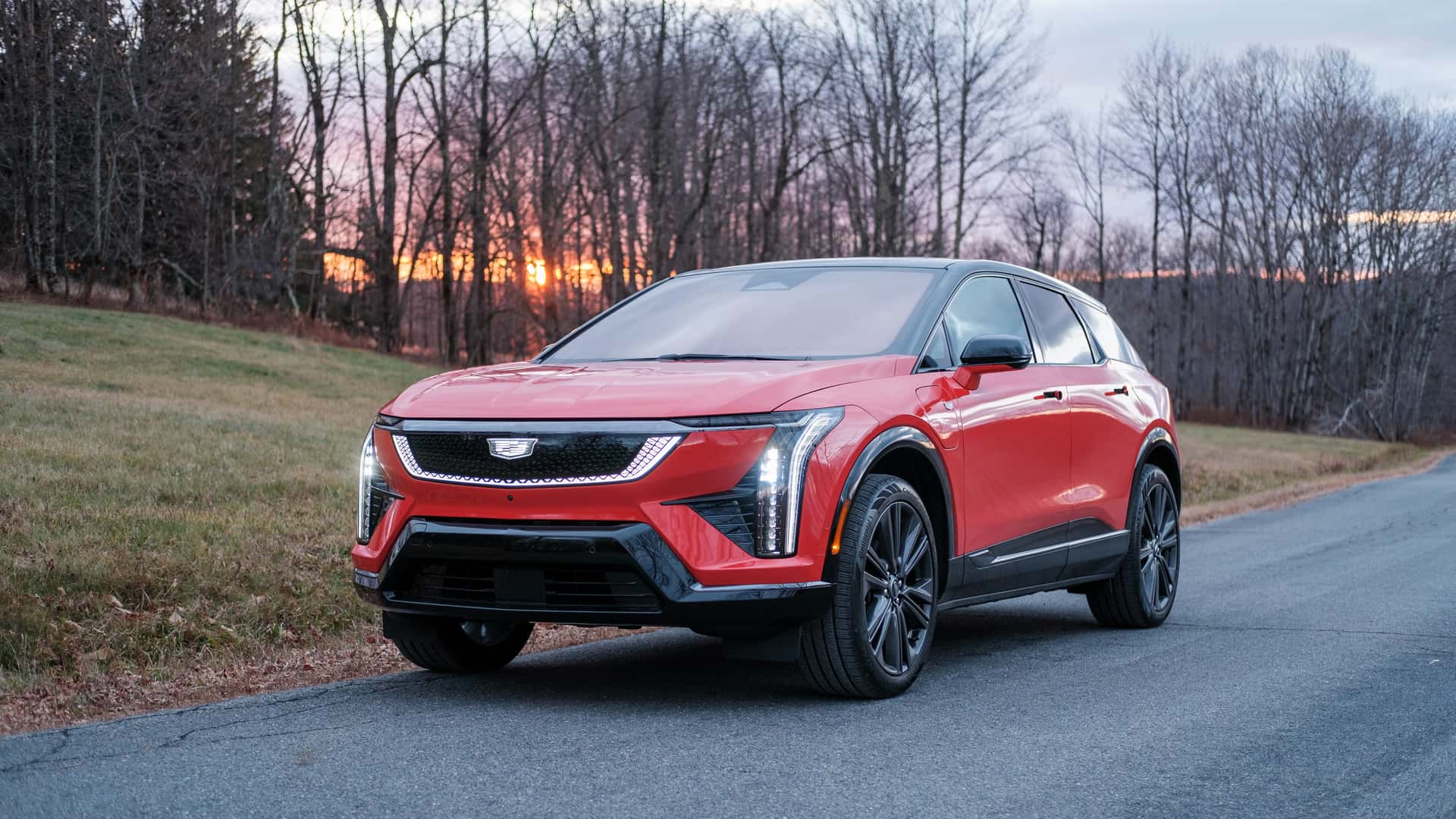
General Motors is set to introduce a version of its Cadillac Optiq electric vehicle (EV) that will utilise a sophisticated, high-tech platform developed entirely in China. This strategic pivot, first reported by Reuters citing an individual familiar with the plans, involves the integration of the ‘Xiao Yao’ platform, an architecture born from a joint venture in the bustling Chinese automotive market.
While this particular iteration of the Cadillac Optiq will not be available in the United States, primarily due to prevailing restrictions on Chinese hardware and software, its development marks a significant global trend. It highlights how Western automotive giants are increasingly looking towards China’s rapidly advancing technological landscape to maintain a competitive edge in the evolving electric vehicle sector worldwide.
GM’s Strategic Pivot in EV Platform Development
The decision to equip certain Cadillac Optiq models with a Chinese EV platform represents a notable shift in General Motors’ global EV strategy. For years, major automakers have relied on their in-house or traditionally Western-developed platforms for their worldwide offerings. However, the unique demands and fierce competition within China’s electric vehicle market are compelling a re-evaluation of this approach.
This move is particularly insightful given the dynamic nature of China’s automotive industry. The country has emerged as a global leader in EV innovation and adoption, fostering a highly competitive environment where local manufacturers continually push the boundaries of technology, efficiency, and features.
The Xiao Yao Platform: A Closer Look at China’s Innovation
The sophisticated Chinese EV platform in question, known as ‘Xiao Yao,’ has been developed at the Pan Asia Technical Automotive Center (PATAC) in Shanghai. This center is a key engineering and design hub for SAIC-GM, one of General Motors’ long-standing joint ventures in China.
PATAC, a collaborative effort between General Motors and the state-owned SAIC Corporation, plays a crucial role in developing vehicles specifically tailored for the Chinese market. GM also maintains another joint venture with SAIC and Wuling, further cementing its presence and collaborative development efforts in the region.
Technical Prowess and Adaptability
The Xiao Yao platform is engineered for versatility and advanced performance. According to SAIC-GM’s previous announcements, it is a truly software-defined vehicle platform, offering remarkable flexibility in its applications. This architecture is designed to support a broad spectrum of vehicle types, including electric vehicles (EVs), plug-in hybrids (PHEVs), and extended-range vehicles.
Its adaptability extends to various body styles, encompassing multi-purpose vehicles (MPVs), sedans, and sport utility vehicles (SUVs). Furthermore, the platform accommodates front-wheel-drive, rear-wheel-drive, and all-wheel-drive configurations, providing extensive options for vehicle development. This inherent flexibility allows for a wide array of models to be built efficiently on a single, advanced base.
Crucially, the Xiao Yao platform boasts a heavy focus on advanced cockpits, energy efficiency, and high-speed charging capabilities. This includes being 900-volt capable, a significant leap in charging technology that promises much faster replenishment times compared to many current EV platforms. Such capabilities are vital for meeting consumer expectations in markets where EV infrastructure is rapidly evolving and consumers demand convenience.
Addressing Market Demands
Models like the Buick Electra L7 and Electra E7 are already utilising the 900-volt-capable Xiao Yao platform. The operational success of this Chinese EV platform in these vehicles underscores its robustness and advanced technical specifications. Its integration into the Cadillac Optiq suggests a strategic move to leverage proven, cutting-edge technology for broader market appeal outside the U.S.
Why Not the U.S.? Navigating Regulatory Landscape
The decision to restrict the Xiao Yao-equipped Cadillac Optiq from the U.S. market is not arbitrary. It is a direct consequence of the stringent regulatory environment in the United States concerning Chinese technology. Restrictions on Chinese hardware and software are in place, often driven by national security considerations and concerns over data privacy.
Restrictions on Chinese Technology
These regulatory hurdles create a clear demarcation between the versions of vehicles sold in different global markets. While the technological prowess of Chinese-developed platforms is undeniable, the geopolitical landscape dictates where such innovations can be deployed. This ensures compliance with national security policies and protects domestic technological ecosystems.
Maintaining Market Differentiation
For the U.S. market, the Cadillac Optiq will continue to utilise General Motors’ domestically designed electric vehicle architecture, likely the Ultium platform. This strategy maintains consistency with GM’s U.S. product line and avoids potential regulatory entanglements, ensuring a smooth market entry and acceptance for the American consumer base.
Ultium’s Performance in China: A Catalyst for Change
The adoption of a Chinese EV platform for the Cadillac Optiq is also a direct response to the performance of GM’s American-developed Ultium platform in the highly competitive Chinese market. Initial sales figures for Ultium-underpinned vehicles, such as the Buick Electra E5 and E4, have been sluggish.
Facing Fierce Local Competition
This underperformance can be attributed to the formidable competition posed by locally developed EVs from prominent Chinese brands. Companies like Nio, BYD, and Xpeng have rapidly innovated, offering vehicles with highly advanced features, competitive pricing, and platforms specifically designed to meet the preferences of Chinese consumers. These local players have established a strong foothold, making it challenging for foreign models to gain significant market share without equally compelling localised technology.
The Need for Localised Solutions
In this context, developing a specific Chinese EV platform for China, by China, became GM’s strategic answer to the burgeoning local startups. It signifies a recognition that a one-size-fits-all approach is no longer viable in the diverse global EV landscape. Tailoring technology to specific market needs and competitive pressures is crucial for success.
Broader Industry Trend: Western Automakers Embrace Chinese R&D
General Motors is not an isolated case in this trend. A growing number of Western automakers are increasingly leveraging Chinese technology and research and development capabilities for their global EV offerings. This indicates a significant shift in the traditional hierarchy of automotive innovation.
Global Collaboration in EV Development
Renault, for instance, developed its latest Twingo E-Tech at its R&D center in Shanghai. This move highlights a pragmatic approach to utilise the expertise and rapid development cycles available in China. Similarly, premium brands like Audi and Hyundai are also planning to establish or expand their R&D hubs in China, aiming to tap into the country’s advanced technological ecosystem and talent pool.
This trend underscores a global convergence in automotive R&D, where innovation is no longer solely concentrated in traditional automotive powerhouses. China’s significant investment in EV technology, coupled with its vast manufacturing capabilities, makes it an indispensable partner for global automakers seeking to remain at the forefront of the electric revolution.
Future Implications for Automotive Innovation
The collaborative model seen with the Chinese EV platform for Cadillac Optiq suggests a future where automotive technology is more globally distributed and adapted. It implies that vehicles sold in different regions might increasingly feature distinct technological underpinnings, optimised for local market demands, regulatory frameworks, and competitive landscapes. This could lead to a more diversified and technologically advanced global automotive market.
Cadillac’s Global Strategy and Market Implications
The strategic deployment of the Xiao Yao platform for the Cadillac Optiq in overseas markets, potentially including Europe, is a calculated move to enhance its competitiveness. Cadillac already sells models like the Optiq and Lyriq in Europe, a market that is currently experiencing a significant influx of Chinese EVs. To compete effectively against these agile and technologically advanced entrants, an updated and more advanced platform becomes essential.
It makes sound business sense to swap the Ultium platform for a more advanced Chinese EV technology where feasible and permissible. This could enable the next-generation Optiq sold overseas to feature blistering charging speeds, cutting-edge battery technology, and sophisticated advanced cockpits, potentially making its U.S. counterpart appear less advanced in comparison.
Expert Commentary and Official Stance
General Motors has provided official statements regarding the integration of the Xiao Yao platform. On July 8, 2026, a GM spokesperson in the U.S. communicated to InsideEVs: “The Xiao Yao architecture is a China-tailored platform developed by PATAC that combines GM’s global expertise with strong local capabilities. It integrates propulsion, chassis, intelligent driving and smart-cabin technologies. The reporting about the Optiq is speculative.”
Further clarity emerged on July 9, 2026, when General Motors officially confirmed to InsideEVs that “the Xiao Yao platform will not head to the U.S., and won’t impact the Optiq sold stateside.” These statements solidify the distinct market strategies for the Cadillac Optiq globally.
Conclusion: A Glimpse into the Future of Global EV Manufacturing
The integration of a Chinese EV platform into the Cadillac Optiq for specific global markets is more than just a product development decision; it’s a window into the future of the automotive industry. It underscores the strategic importance of China as a hub for electric vehicle innovation and a crucial market for global automakers.
As the EV transition accelerates, collaborations and localised development efforts will become increasingly vital for automakers to thrive in diverse global ecosystems. This strategic flexibility, exemplified by GM’s adoption of the Xiao Yao platform, will likely define how traditional automotive giants navigate and succeed in the next era of mobility.
FAQ Section
What is the Xiao Yao platform?
The Xiao Yao platform is a high-tech electric vehicle architecture developed in China by the Pan Asia Technical Automotive Center (PATAC), a joint venture between General Motors and SAIC. It is a software-defined platform designed for flexibility across various vehicle types and propulsion systems.
Which Cadillac Optiq models will use the Chinese EV platform?
The Chinese EV platform, Xiao Yao, is intended for Cadillac Optiq models sold in overseas markets. General Motors has confirmed that this platform will not be used in Optiq vehicles destined for the United States market.
Why is the Xiao Yao platform not coming to the U.S.?
The Xiao Yao platform will not be introduced in the U.S. market due to existing heavy restrictions on Chinese hardware and software. These regulations often stem from national security concerns and data privacy considerations within the United States.
What are the advantages of the Xiao Yao platform?
The Xiao Yao platform is highly adaptable, supporting EVs, PHEVs, and extended-range vehicles across various body types (MPVs, sedans, SUVs) and drive configurations. It focuses on advanced cockpits, efficiency, and features 900-volt high-speed charging capabilities.
Are other Western automakers using Chinese EV technology?
Yes, the trend is growing. Renault developed its latest Twingo E-Tech at its R&D center in Shanghai. Additionally, automakers like Audi and Hyundai are reportedly planning to establish or expand their research and development operations in China to leverage local technological advancements.
How does this affect GM’s Ultium platform?
The adoption of the Chinese EV platform for certain Optiq models reflects the challenges GM’s U.S.-developed Ultium platform faced in China, where sales were sluggish against advanced local competitors. This strategy allows GM to use a more competitive, market-tailored platform in specific regions.