
Key Takeaways:
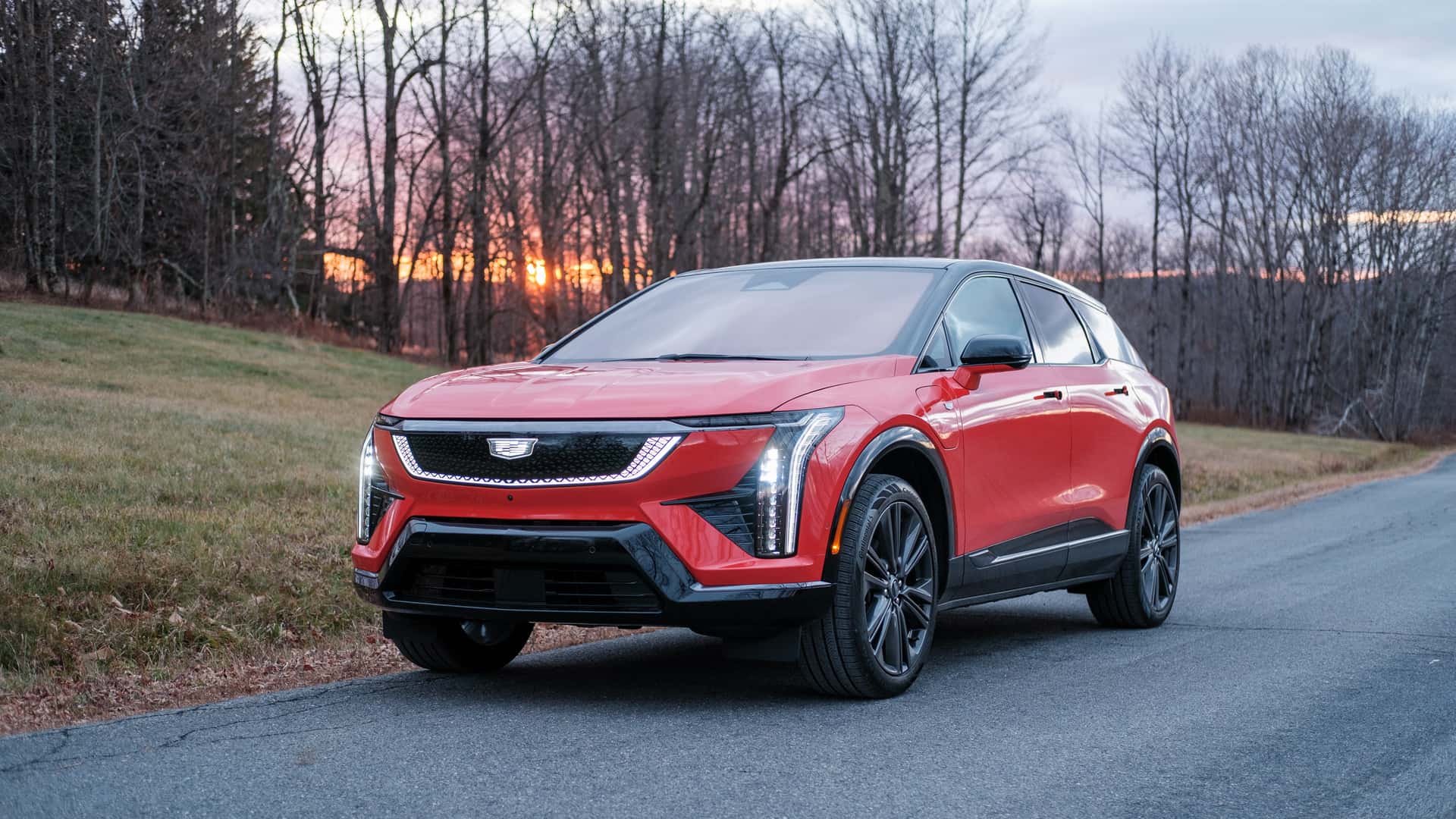
- General Motors is adopting a high-tech electric vehicle platform developed in China for the Cadillac Optiq in specific global markets.
- This strategic move will not affect the Cadillac Optiq available in the U.S., which will continue to utilize its existing architecture.
- The decision underscores a growing trend among Western automakers to leverage advanced Chinese EV technology to remain competitive, particularly in overseas markets.
- The new platform, known as Xiao Yao, originates from SAIC-GM’s Pan Asia Technical Automotive Center (PATAC) in Shanghai.
- U.S. regulatory restrictions on Chinese hardware and software prevent this particular platform from entering the American market.
General Motors is set to integrate a sophisticated electric vehicle (EV) platform, developed in China, into the upcoming iterations of its Cadillac Optiq model for select international markets. This significant development highlights a broader industry trend where global automotive giants are increasingly looking towards China for advanced electric vehicle architecture and technological innovation.
While this China-developed platform will underpin future Cadillac Optiq vehicles sold overseas, General Motors has confirmed it will not be introduced in the United States. This exclusion is largely due to stringent U.S. restrictions concerning Chinese hardware and software, creating a bifurcated product strategy for the luxury EV SUV.
General Motors’ Strategic Pivot in EV Development
The strategic decision to adopt a China-developed electric vehicle architecture for the Cadillac Optiq signals a proactive approach by General Motors to enhance its competitiveness in the rapidly evolving global EV market. This pivot is particularly notable as it comes amidst a challenging landscape where local Chinese manufacturers have gained significant traction.
The specific platform in question is the Xiao Yao, which was meticulously developed at the Pan Asia Technical Automotive Center (PATAC) in Shanghai. PATAC is a crucial research and development hub established through a long-standing joint venture between General Motors and the state-owned SAIC Corporation, underscoring years of collaborative efforts in automotive engineering.
This is not the first instance of the Xiao Yao platform being deployed within General Motors’ portfolio. Several Buick models, including the Electra L7 and E7, already leverage this advanced 900-volt-capable electric vehicle architecture. The successful integration into these models likely paved the way for its consideration in the Cadillac Optiq.
The Advanced Capabilities of the Xiao Yao Platform
The Xiao Yao platform represents a significant leap in electric vehicle technology, distinguishing itself through its truly software-defined architecture. This foundational design provides unparalleled flexibility, allowing for rapid adaptations and updates to vehicle functionalities, performance, and user experience over time.
Beyond its software-centric nature, the platform boasts remarkable versatility in vehicle configuration. It is engineered to support a diverse range of powertrain options, including pure electric vehicles (EVs), plug-in hybrids, and extended-range electric vehicles. This adaptability allows manufacturers to cater to varying market demands and regulatory environments.
Furthermore, the Xiao Yao platform is designed to accommodate nearly all body types, from spacious MPVs and elegant sedans to robust SUVs, offering broad appeal across different consumer segments. Its inherent flexibility extends to drive configurations, supporting front-wheel-drive, rear-wheel-drive, and all-wheel-drive layouts, thus enabling a wide spectrum of vehicle dynamics and performance characteristics.
A core focus during the development of the Xiao Yao platform was on delivering cutting-edge user experiences. This includes an emphasis on advanced cockpits, promising sophisticated infotainment systems, seamless connectivity, and intuitive controls. Efficiency and high-speed charging capabilities were also prioritized, addressing critical consumer concerns regarding EV practicality and convenience.
Navigating Market Challenges: Ultium Platform vs. Local Competitors
General Motors’ decision to embrace the Xiao Yao platform for the Cadillac Optiq in overseas markets can be understood in the context of the performance of its American-developed Ultium platform in China. The Ultium architecture, which underpins many of GM’s electric vehicles in the U.S., has experienced sluggish sales for models like the Buick Electra E5 and E4 in the competitive Chinese market.
This performance gap is largely attributed to the intense competition from highly advanced, locally developed EVs offered by Chinese manufacturers such as Nio, BYD, and Xpeng. These domestic players have rapidly innovated, bringing to market vehicles that often feature superior technological advancements, faster charging capabilities, and highly integrated smart features, which have resonated strongly with Chinese consumers.
By leveraging the Xiao Yao platform, which combines GM’s global expertise with robust local capabilities, the automaker aims to bridge this gap. This China-tailored platform is designed to directly compete with the burgeoning capabilities of local startups, offering features like advanced propulsion systems, refined chassis integration, intelligent driving assistance, and sophisticated smart-cabin technologies that cater specifically to regional preferences and technological expectations.
Global Market Dynamics and Regulatory Influence
The adoption of the Xiao Yao platform for the Cadillac Optiq in markets outside the U.S. reflects broader global market dynamics. Europe, for instance, has become a significant battleground for electric vehicles, with a noticeable influx of Chinese EV models gaining market share. General Motors already sells both the Cadillac Optiq and Lyriq in Europe, where the competitive landscape necessitates continuous innovation.
In this environment, upgrading the Cadillac Optiq with more advanced Chinese EV technology becomes a pragmatic strategy to maintain competitiveness against a wave of new entrants. This ensures that Cadillac models remain attractive to European consumers who are increasingly exposed to the rapid technological advancements from Asian manufacturers.
Conversely, the absence of this China-developed platform from the U.S. market is a direct consequence of the regulatory environment. The U.S. government has implemented significant restrictions on hardware and software components originating from China, particularly in sensitive technology sectors, impacting their integration into products sold domestically. This regulatory landscape necessitates distinct product lines and development strategies for different regions.
A Broader Industry Trend: Western Automakers Leaning East
General Motors is not alone in its strategic embrace of Chinese automotive technology and development capabilities. This trend underscores a significant shift in the global automotive industry, where China is increasingly recognized as a hub for advanced EV research, development, and manufacturing.
For example, Renault has notably developed its latest Twingo E-Tech electric vehicle at its research and development center located in Shanghai. This move by a prominent European automaker highlights the growing confidence in China’s engineering prowess and its ability to deliver innovative EV solutions efficiently.
Furthermore, luxury brands like Audi and mass-market players such as Hyundai have publicly announced their intentions to establish or expand their research and development operations in China. These companies aim to transform China into one of their primary global R&D hubs, recognizing the country’s rapid advancements in electric vehicle technology, digital integration, and autonomous driving systems.
This concerted effort by multiple Western automakers to invest in and utilize Chinese technological expertise signifies a recalibration of global automotive supply chains and innovation ecosystems. It emphasizes a collaborative future where geographical boundaries in R&D are increasingly blurred, driven by the imperative to deliver state-of-the-art electric vehicles to a discerning global consumer base.
The Future Outlook for Cadillac Optiq and Global EV Strategy
The strategic deployment of the China-developed Xiao Yao platform for the Cadillac Optiq in overseas markets marks a critical juncture for General Motors. It represents a pragmatic response to intense global competition and varying regional demands in the electric vehicle sector. By tailoring its offerings with cutting-edge technology developed specifically for specific markets, GM aims to bolster its position.
While U.S. consumers will continue to experience the Cadillac Optiq on General Motors’ established Ultium platform, those in other regions may benefit from features such as potentially blistering charging speeds, highly efficient batteries, and advanced cockpit designs enabled by the Xiao Yao architecture. This dual strategy allows GM to navigate complex regulatory landscapes while remaining agile in diverse automotive markets.
The move also underscores the growing influence of China as a leader in electric vehicle innovation. As the global shift towards electrification accelerates, the collaborative development models and localized technological advancements seen with the Cadillac Optiq and other Western brands are likely to become increasingly common, shaping the future of the automotive industry.
FAQ Section
What is the significance of the Cadillac Optiq using a China-developed EV platform?
This move is significant as it demonstrates General Motors’ strategy to leverage advanced Chinese EV technology to enhance competitiveness in global markets, particularly where local brands offer cutting-edge features. It also highlights China’s growing role as an innovation hub in the electric vehicle sector.
Will the U.S. version of the Cadillac Optiq also use this Chinese platform?
No, General Motors has confirmed that the China-developed Xiao Yao platform will not be used for the Cadillac Optiq sold in the U.S. This is primarily due to existing U.S. restrictions on Chinese hardware and software components in automotive technology.
What is the Xiao Yao platform, and where was it developed?
The Xiao Yao platform is a sophisticated electric vehicle architecture developed at the Pan Asia Technical Automotive Center (PATAC) in Shanghai. PATAC is a joint venture between General Motors and the state-owned SAIC Corporation, combining global expertise with strong local capabilities.
What are the key features and advantages of the Xiao Yao platform?
The Xiao Yao platform is a truly software-defined architecture offering high flexibility for various body types and drive configurations (FWD, RWD, AWD). It supports EVs, plug-in hybrids, and extended-range vehicles, with a strong focus on advanced cockpits, efficiency, and high-speed charging capabilities, potentially including 900-volt systems.
Why is General Motors adopting a Chinese platform when it has its own Ultium platform?
GM’s Ultium platform faced challenges in the competitive Chinese market, with sluggish sales for models like the Buick Electra E5 and E4 against advanced local EVs. The Xiao Yao platform is a China-tailored solution designed to offer competitive technological features and appeal directly to consumer preferences in overseas markets, ensuring greater market relevance.
Are other Western automakers also using Chinese EV technology or R&D?
Yes, this is a growing trend. Renault developed its latest Twingo E-Tech at its R&D center in Shanghai. Audi and Hyundai are also planning to expand their R&D operations in China, aiming to establish the country as a significant hub for their future electric vehicle development.