
Key Takeaways:
- i-charging has received Intertek ETL certification for its i-light 1.5 MW EV charger, validating its safety and compliance for the US and Canadian markets.
- This certification confirms adherence to critical electrical safety standards, including UL 2202, UL 2231, and CSA C22.2#346, essential for legal operation in North America.
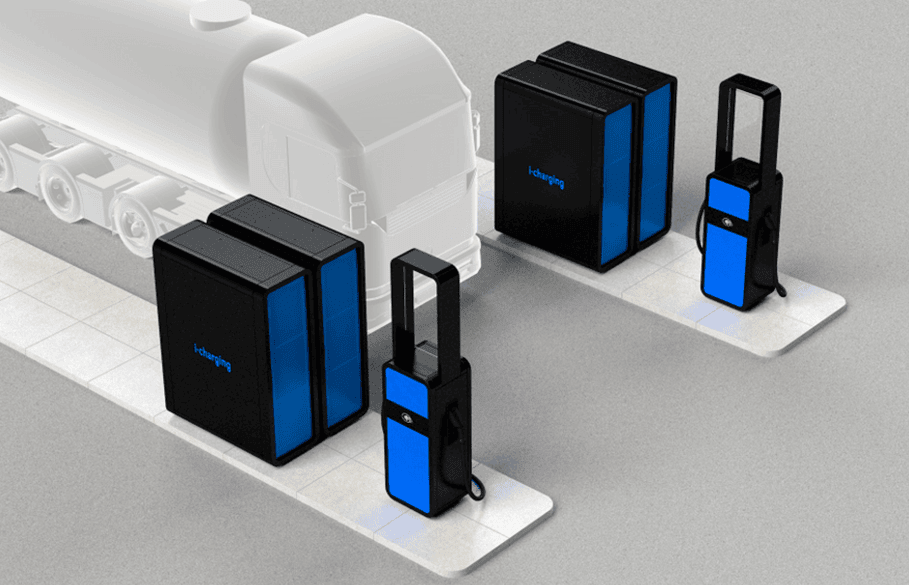
- The i-light charger is engineered for medium and heavy-duty electric vehicles, offering up to 1.5 MW via MCS and 800 kW via CCS, addressing the high-power needs of commercial fleets.
- The achievement removes a significant regulatory barrier, paving the way for the strategic deployment of i-light infrastructure across the continent.
- The move reinforces i-charging’s commitment to providing robust and compliant EV charging solutions for the rapidly expanding commercial electric vehicle sector.
Paving the Way for High-Power EV Charging in North America
i-charging, an innovative electric vehicle (EV) charging company with dual headquarters in Atlanta, USA, and Portugal, has reached a significant milestone in its expansion strategy. The company proudly announced the achievement of Intertek ETL certification for its cutting-edge i-light charger, a pivotal step that confirms the equipment’s stringent safety and compliance standards for deployment across the United States and Canada.
This critical EV charging certification is not merely a formality; it represents a comprehensive validation of the i-light charger’s design and operational integrity. The certification ensures that this high-power DC charging solution is fully prepared to meet the rigorous demands of commercial and industrial charging environments in the North American market.
Understanding Intertek ETL Certification and Its Significance
Intertek ETL certification is a widely recognised mark of quality and safety for electrical products in North America. Issued by Intertek, a leading Total Quality Assurance provider, this certification demonstrates that a product has been independently tested and meets the applicable US and Canadian electrical safety standards.
For high-power DC charging equipment, such as i-light, adherence to specific standards is paramount. The ETL mark confirms compliance with UL 2202 (Standard for Electric Vehicle (EV) Charging System Equipment), UL 2231 (Standard for Personnel Protection Systems for Electric Vehicle (EV) Supply Circuits), and CSA C22.2#346 (Electric Vehicle Supply Equipment). These standards cover crucial aspects like protection against electric shock, fire hazards, and mechanical safety, ensuring reliable and safe operation.
Obtaining this vital certification effectively removes a significant regulatory hurdle for EV charging infrastructure operators. It assures that the i-light charger has undergone rigorous independent testing for electrical safety, mitigating risks before it is installed and becomes operational in the field. This achievement follows a series of successful certifications already secured across i-charging’s diverse product range, underscoring the company’s commitment to global compliance and safety.
The i-light Charger: A Closer Look at High-Power Capabilities
At the heart of this announcement is the i-light charger, i-charging’s robust solution specifically designed for the demanding requirements of medium and heavy-duty electric vehicles. This powerful charging unit is engineered to deliver exceptional performance, crucial for commercial fleets that rely on rapid turnaround times and continuous operation.
The i-light boasts an impressive charging capacity, providing up to 1.5 megawatts (MW) per output when utilising the Megawatt Charging System (MCS) standard. For vehicles equipped with the Combined Charging System (CCS), it offers up to 800 kilowatts (kW) of power. This dual-standard capability ensures versatility and future-readiness, accommodating both current and emerging high-power charging technologies.
Beyond its formidable power delivery, the i-light also incorporates user-centric design elements. It features a responsive 10-inch touchscreen interface for intuitive user interaction. Additionally, an available 37-inch transparent display is integrated, specifically designed for enhanced visibility from the driver’s seat, streamlining the charging process for commercial vehicle operators.
Strategic Implications for North American Market Entry
The Intertek ETL certification is a game-changer for i-charging’s strategic entry and expansion within the North American market. The US and Canada represent a rapidly growing frontier for electric vehicle adoption, particularly within the commercial and industrial sectors. Fleet operators in these regions are increasingly seeking reliable, high-power EV charging infrastructure that can support their electrification goals.
This certification is not just about compliance; it’s a testament to the charger’s readiness for widespread deployment. It builds trust among potential buyers and partners, signalling that the i-light meets the highest safety and performance standards accepted by North American regulatory bodies. This assurance is critical for accelerating the transition to electric heavy-duty vehicles, as fleet managers require dependable infrastructure that minimises downtime and maximises operational efficiency.
The ability to legally install and operate the i-light charger across both countries opens up significant opportunities for i-charging to become a key player in the evolving landscape of high-power EV charging infrastructure. As more states and provinces mandate fleet electrification, the demand for certified, robust solutions like the i-light will only continue to surge.
Meeting the Demands of Commercial and Industrial Fleets
The imperative for high-power EV charging, particularly the Megawatt Charging System (MCS), is driven by the unique requirements of heavy-duty electric vehicles. These vehicles, including electric trucks, buses, and other commercial machinery, are equipped with significantly larger battery packs compared to passenger EVs. Consequently, they demand substantially higher power levels to achieve practical charging times that align with their operational schedules.
Jeff Cohen, CEO of i-charging USA, underscored the importance of this development for the sector. He stated, “ETL certification is a decisive step in bringing i-light to North America. Fleet operators demand charging infrastructure that meets the mission-critical duty cycles of the medium- and heavy-duty EVs on the road today, and is ready for MCS as the standard matures. This certification confirms that i-light meets all the safety requirements to support CCS and MCS charging.”
Cohen’s remarks highlight a critical market need: commercial fleets cannot afford prolonged downtime for charging. High-power chargers like the i-light ensure that vehicles can quickly recharge and return to service, maintaining efficient logistics and operational flows. The readiness for MCS, an emerging global standard for megawatt-level charging, positions i-charging at the forefront of future-proof EV infrastructure development.
Ensuring Trust and Accelerating EV Adoption
Certifications like Intertek ETL are foundational to fostering trust within the rapidly expanding electric vehicle ecosystem. They provide a clear, independent validation that equipment is not only effective but also safe for widespread use. This trust is essential for infrastructure operators to make significant investments and for regulatory bodies to confidently approve new deployments.
By securing this crucial EV charging certification, i-charging contributes to the broader effort of accelerating EV adoption in North America. Reliable and compliant charging infrastructure is a cornerstone of this transition, ensuring that the necessary support systems are in place as electric vehicle technology continues its rapid advancement.
i-charging’s consistent pursuit of certifications across its product lines demonstrates a strategic vision focused on delivering high-quality, safe, and globally compliant EV charging solutions. This commitment is vital as the world moves towards a more electrified future, with heavy-duty transport playing a pivotal role in reducing carbon emissions.
The Future of High-Power Charging Infrastructure
The successful certification of the i-light 1.5 MW charger marks a significant step forward not just for i-charging, but for the entire high-power EV charging sector. As the demand for medium and heavy-duty electric vehicles continues to surge, the development and deployment of robust, compliant, and powerful charging solutions will be paramount.
i-charging’s innovative approach, combining high power output with user-friendly features and adherence to stringent safety standards, positions it as a key facilitator in the electrification of commercial transport. This achievement reinforces the company’s role in building the resilient and advanced EV infrastructure necessary for a sustainable future in North America and beyond.
Frequently Asked Questions (FAQ)
What is Intertek ETL certification for EV chargers?
Intertek ETL certification is a mark of compliance and safety for electrical products, including EV chargers, in the US and Canada. Issued by Intertek, it verifies that equipment has been independently tested and meets specific North American electrical safety standards, ensuring it can be legally and safely installed and operated.
Why is Intertek ETL certification important for the North American market?
For the North American market, ETL certification is crucial because it confirms that EV charging equipment adheres to federally recognized safety standards (like UL and CSA). This validation removes significant barriers for deployment, assuring infrastructure operators, regulatory bodies, and consumers of the product’s safety and legal compliance.
What specific safety standards does the i-light charger comply with?
The i-light charger’s ETL certification confirms compliance with key electrical safety standards required for high-power DC charging equipment. These include UL 2202 (for EV charging system equipment), UL 2231 (for personnel protection in EV supply circuits), and CSA C22.2#346 (for electric vehicle supply equipment).
What is the Megawatt Charging System (MCS)?
The Megawatt Charging System (MCS) is an emerging global standard designed for ultra-high-power charging of heavy-duty electric vehicles. It enables charging at power levels up to several megawatts, significantly reducing charging times for large battery electric trucks, buses, and other commercial vehicles, which is critical for their operational efficiency.
How does the i-light charger benefit heavy-duty EV fleets?
The i-light charger benefits heavy-duty EV fleets by providing rapid, high-power charging (up to 1.5 MW via MCS or 800 kW via CCS). This capability is essential for meeting the “mission-critical duty cycles” of commercial vehicles, minimizing downtime, and ensuring quick turnaround times, thereby maximizing fleet operational efficiency and productivity.
What is the difference between MCS and CCS charging?
CCS (Combined Charging System) is a widely adopted DC fast-charging standard for passenger and some medium-duty EVs, typically supporting up to 350-500 kW. MCS (Megawatt Charging System) is a newer standard specifically for heavy-duty EVs, designed to deliver significantly higher power levels, often exceeding 1 MW, to accommodate their much larger battery capacities and faster charging needs.
Why is high-power EV charging crucial for commercial vehicles?
High-power EV charging is crucial for commercial vehicles because they have large battery packs and demanding operational schedules. Rapid charging, facilitated by systems like MCS or high-power CCS, ensures minimal downtime, allows for quick turnarounds, and supports the continuous operation essential for logistics, public transport, and industrial applications, making fleet electrification viable.