
Key Takeaways:
- Toyota is set to introduce a new generation of high-voltage hybrid batteries starting in 2024, promising better performance at a lower cost.
- The automotive giant anticipates selling over 5 million hybrid vehicles globally by the end of 2026, a significant milestone driven by evolving market demands.
- Production lines in Japan are being repurposed to achieve an annual capacity of 600,000 vehicles for these advanced hybrid packs.
- Alongside its hybrid focus, Toyota is aggressively developing longer-range lithium-ion batteries for Battery Electric Vehicles (BEVs), targeting a 2027 rollout.
- The company also plans to introduce solid-state batteries between 2027 and 2028, aiming for rapid charging capabilities and extended range.
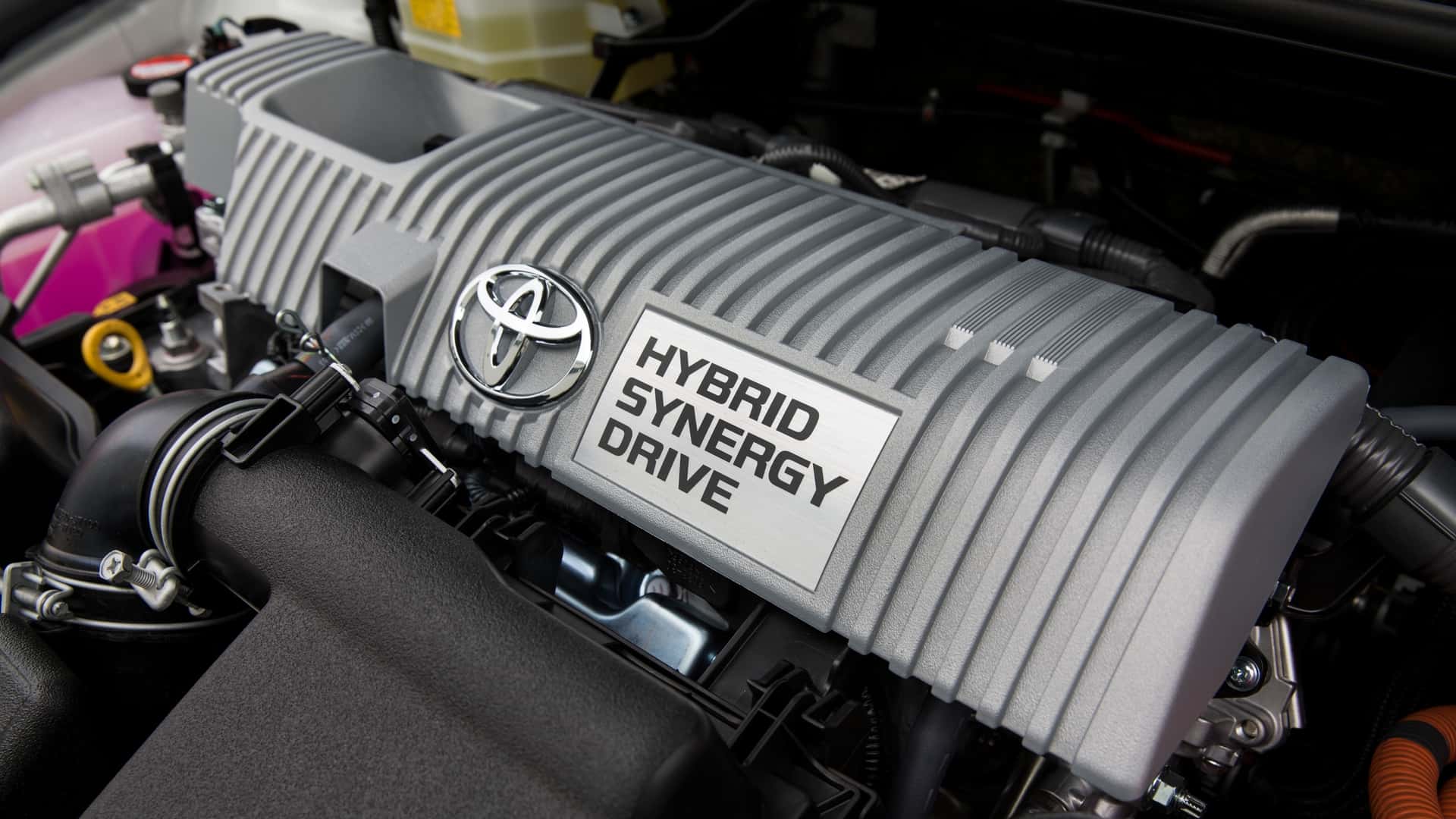
Toyota Motor Corporation is embarking on a pivotal phase in its electrification strategy, announcing plans to roll out a new generation of high-voltage hybrid batteries starting in the coming year. This strategic move, detailed during the company’s recent earnings call, underscores Toyota’s commitment to hybrid technology as a cornerstone of its future mobility solutions, promising enhanced performance and substantial cost reductions.

The announcement arrives as the Japanese automaker prepares to achieve a significant milestone: exceeding 5 million global hybrid sales for the first time by the end of 2026. This ambitious target highlights the sustained global demand for hybrid vehicles and Toyota’s deep-rooted expertise in the segment.
Driving Hybrid Innovation: The New Battery Push
The core of Toyota’s forward-looking strategy lies in the development and deployment of these advanced hybrid batteries. The company intends to reconfigure existing battery production lines across Japan, allocating sufficient capacity to produce approximately 600,000 vehicles equipped with the new power packs.
These next-generation hybrid batteries are designed to deliver superior energy efficiency and improved vehicle dynamics while simultaneously reducing manufacturing expenses. This dual benefit of better performance at a lower cost is expected to make hybrid vehicles even more accessible and appealing to a broader consumer base worldwide.

Addressing investors, Takanori Azuma, Toyota’s Chief Accounting Officer, affirmed the company’s dedication to meeting market demand. “We are expanding battery production capacity during 2027 and 2028, and we will continue our efforts to fully capture customer demand,” Azuma stated, signalling a long-term vision for hybrid expansion.
Evolution of Hybrid Battery Technology
For decades, Toyota has predominantly relied on robust nickel-metal hydride (NiMH) batteries for its extensive hybrid lineup. These batteries have earned a reputation for exceptional reliability and durability, foundational to the success of models like the iconic Prius.
However, with advancements in battery chemistry, Toyota has been progressively integrating lithium-ion (Li-ion) packs into its newer hybrid models, including the popular sixth-generation RAV4. Lithium-ion technology offers higher energy density and lighter weight, making it increasingly suitable for mass-market applications.
While the specific chemical composition of the new generation hybrid battery remains undisclosed, it is expected to represent a significant leap forward. This could involve enhanced lithium-ion formulations or other innovative chemistries aimed at pushing the boundaries of efficiency and cost-effectiveness in hybrid vehicles.
Surging Hybrid Sales and Market Dynamics
Toyota’s decision to intensify its focus on hybrid battery production is strategically sound, especially in light of recent sales trends. While the company’s overall global sales, encompassing both Toyota and Lexus brands, experienced a modest 3% decline to approximately 5 million vehicles during the January-June period of the current year—marking the first downturn in two years—its electrified portfolio has demonstrated remarkable resilience and growth.
Sales of electrified vehicles, which include hybrids, plug-in hybrids (PHEVs), battery-electric vehicles (BEVs), and fuel-cell vehicles (FCVs), surged by 9.1% year-over-year. The company projects these sales to reach 2.7 million units in the first half of 2026. This forward-looking estimation highlights the increasing consumer adoption of eco-friendlier transportation options.
Hybrids, in particular, remain the primary catalyst for this growth. Toyota estimates selling around 2.3 million hybrid vehicles worldwide during the first six months of 2026, accounting for a substantial 86% of its total projected electrified vehicle sales for that period. This strong performance underpins the company’s confidence in achieving over 5 million global hybrid sales by the close of 2026.
Factors Driving Hybrid Adoption
Several global and regional factors contribute to the sustained demand for hybrid vehicles. Elevated gasoline prices, exacerbated by international conflicts, have prompted consumers to seek more fuel-efficient alternatives. In the United States, a key market for Toyota, shifts in federal tax credits and fuel economy regulations have influenced a reset in the growth trajectory of pure Battery Electric Vehicles (BEVs), simultaneously spurring increased adoption of hybrids.
Furthermore, Toyota’s own product strategy has played a crucial role. The company recently transitioned two of its best-selling models, the Camry and RAV4, to hybrid-only offerings in certain configurations, reflecting a deliberate push to integrate hybrid technology more deeply into its core lineup.
Toyota’s Broader EV Battery Roadmap
Beyond its robust hybrid initiatives, Toyota is also making considerable strides in the pure electric vehicle segment. The company reported a significant 135% year-over-year increase in worldwide battery-electric vehicle sales, reaching 193,000 units in the first half of the year. This robust growth signals Toyota’s increasing presence in the rapidly expanding EV market.
Looking ahead, Toyota is actively developing next-generation batteries specifically for its BEV offerings. The automaker has previously announced that new lithium-ion batteries, anticipated for release in 2027, will deliver an impressive range of up to 621 miles (1,000 kilometers) under the optimistic WLTP test cycle. This translates to an estimated range of just over 500 miles under the stricter EPA standard, positioning Toyota’s future EVs competitively in terms of range anxiety.
The Promise of Solid-State Technology
Further down the innovation pipeline, Toyota is heavily invested in the development of solid-state batteries. These revolutionary batteries are touted for their potential to achieve ultra-fast charging times, with projections indicating a charge from 10% to 80% in under 10 minutes. Solid-state batteries are expected to be commercially available between 2027 and 2028, contingent on achieving significant production breakthroughs.
Addressing the Competitive Landscape
Despite its advancements, Toyota executives openly acknowledged the intense competition in the global electric vehicle market, particularly from cutting-edge models emerging from China. This recognition underscores the dynamic and rapidly evolving nature of the automotive industry.
“Going forward, we need to enhance the competitiveness of not only conventional vehicles but also BEVs,” Azuma emphasized. “We intend to work closely with our local partners, including through joint development, to strengthen our competitiveness,” he added, highlighting a strategy of collaboration and continuous improvement to maintain a competitive edge.
Conclusion
Toyota’s dual strategy of aggressively advancing hybrid technology while simultaneously pushing the boundaries of BEV and solid-state battery development positions it firmly in the race for future mobility. With Toyota’s next-generation hybrid batteries set to redefine performance and cost, and ambitious plans for pure electric vehicles on the horizon, the automaker is poised to navigate the complex landscape of electrification, offering diverse and sustainable solutions to a global market in flux.
FAQ Section
What is the primary goal of Toyota’s next-generation hybrid batteries?
The main objective is to deliver enhanced performance to consumers while significantly reducing production costs. This aims to make hybrid vehicles more appealing and affordable, further boosting their market penetration.
When will Toyota’s new hybrid batteries be rolled out?
Toyota has announced that the rollout of its next-generation hybrid batteries is scheduled to commence in the upcoming year, starting in 2024.
What is Toyota’s projected global hybrid sales target for 2026?
Toyota anticipates achieving a historic milestone by selling over 5 million hybrid vehicles globally by the end of 2026, driven by sustained demand and strategic product introductions.
What type of batteries has Toyota traditionally used for its hybrids?
Historically, Toyota has relied on nickel-metal hydride (NiMH) batteries for its hybrid lineup, known for their proven reliability. However, newer models are increasingly transitioning to lithium-ion (Li-ion) packs.
Is Toyota also developing new batteries for its Battery Electric Vehicles (BEVs)?
Yes, Toyota is actively developing new lithium-ion batteries for BEVs, expected by 2027, promising ranges of up to 621 miles (WLTP). They are also developing solid-state batteries for ultra-fast charging, targeting 2027-2028.
How is Toyota addressing competition in the EV market?
Toyota executives acknowledge the need to enhance BEV competitiveness, particularly against Chinese models. They plan to strengthen their position through continuous improvement and close collaboration with local partners, including joint development initiatives.
What factors are contributing to the growth in hybrid vehicle sales?
Several factors include high global gasoline prices, shifts in federal tax credit policies in markets like the U.S. affecting BEV growth, and Toyota’s strategic decision to offer popular models like the Camry and RAV4 as hybrid-only options.