
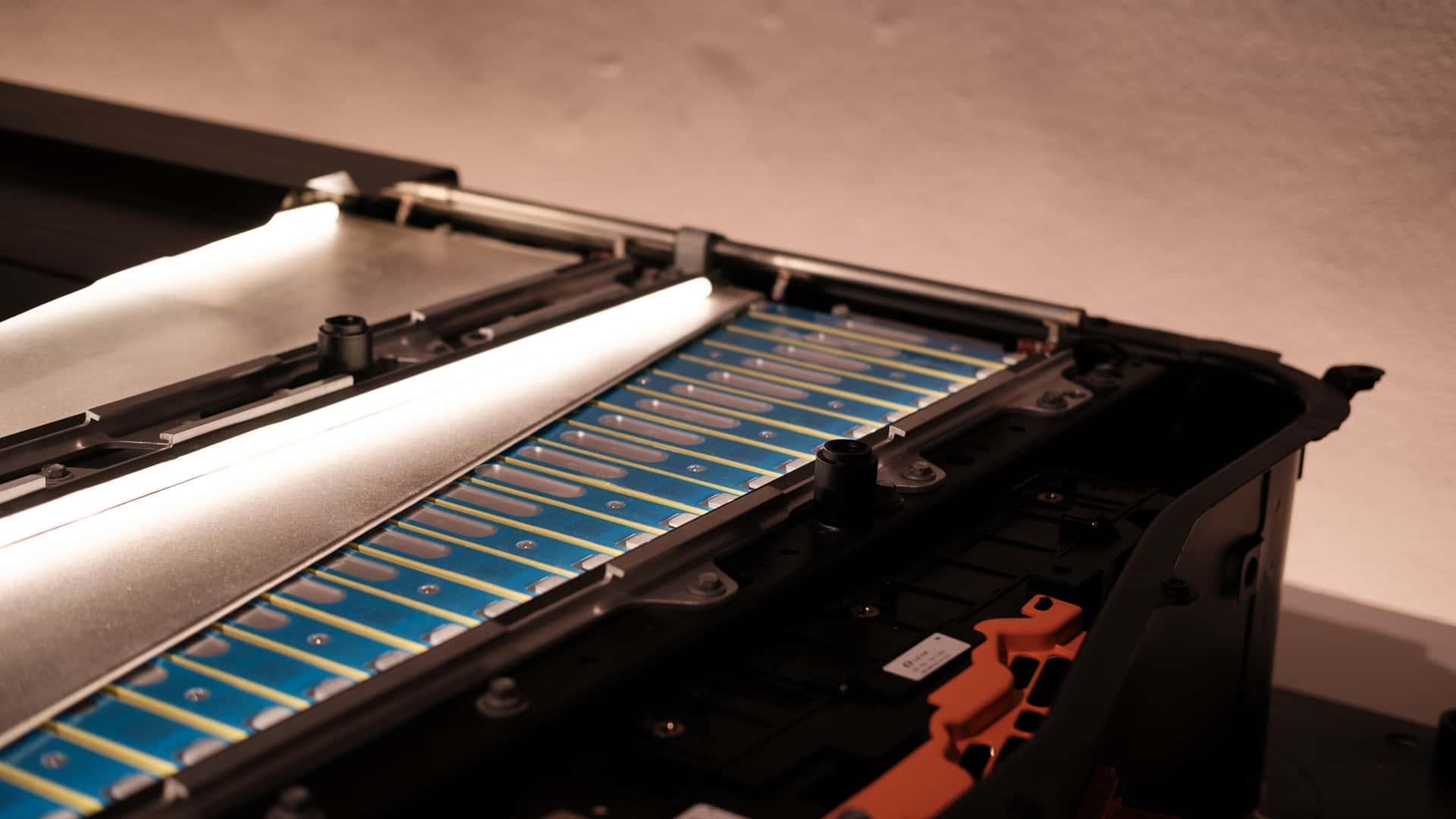
In a significant stride towards its ambitious electric vehicle (EV) future, General Motors (GM) has officially confirmed the production site for its upcoming lithium-manganese-rich (LMR) batteries. The automaker announced that these next-generation cells will be mass-produced at its Ultium Cells joint venture plant with LG Energy Solution in Spring Hill, Tennessee.
This disclosure marks a pivotal moment, as it is the first time GM has publicly identified a manufacturing location for this advanced EV battery technology. The move underscores the company’s dual commitment to internal combustion engine (ICE) vehicles, particularly gas trucks, while vigorously advancing its electrification roadmap.

Key Takeaways
- General Motors will mass-produce its next-generation lithium-manganese-rich (LMR) batteries at the Ultium Cells joint venture plant in Spring Hill, Tennessee.
- This facility, a collaboration with LG Energy Solution, will become the world’s first to mass-produce prismatic LMR cells.
- LMR batteries are projected to offer 33% more range than current lithium-iron-phosphate (LFP) cells, aiming for over 400 miles EPA range in GM’s full-size EV trucks and SUVs.
- The new chemistry significantly reduces reliance on expensive and complex-to-mine cobalt and nickel, opting for a higher percentage of more accessible manganese.
- Factory upgrades are set to commence later this year, with mass production scheduled to be operational and first LMR-equipped EVs rolling out by 2028.
Spring Hill Plant to Lead LMR Battery Production
The Ultium Cells facility in Spring Hill, Tennessee, is poised to become a global pioneer in battery manufacturing. General Motors announced that this plant will be the first worldwide to mass-produce prismatic LMR cells, a testament to its innovative approach to EV battery development.
Preparations for this groundbreaking production are already underway. GM stated that factory upgrades are slated to begin towards the end of the current year. The comprehensive modernization and retooling efforts are projected to reach completion by 2028, aligning with the planned rollout of electric vehicles featuring this advanced battery chemistry.
The Innovation Behind Lithium-Manganese-Rich Batteries
At its core, the LMR battery chemistry represents an evolution of traditional nickel-manganese-cobalt (NMC) cells. However, a key differentiator lies in its optimized material composition. GM’s LMR batteries will utilize a significantly lower percentage of cobalt and nickel, elements known for their high cost and challenging extraction processes.

Instead, the LMR battery design emphasizes a much higher proportion of manganese. General Motors highlighted that manganese is not only easier to source but also entails lower costs for mining and processing compared to its cobalt and nickel counterparts. This strategic shift in material usage is a critical factor in the battery’s economic viability and supply chain resilience.
Performance and Cost Advantages
The development of the LMR battery chemistry is set to deliver substantial benefits in terms of both performance and cost. General Motors expects these batteries to provide a remarkable 33% increase in driving range compared to current lithium-iron-phosphate (LFP) batteries, which are widely used, particularly in China, and are valued for their lower cost.
This enhanced range is particularly crucial for larger electric vehicles. GM plans to install LMR batteries in its full-size EV trucks and SUVs, projecting an impressive EPA range of over 400 miles for these segments. This positions LMR technology as a critical enabler for extended-range electric utility vehicles, addressing a key consumer demand.
A significant achievement of the LMR battery is its projected cost-effectiveness. Despite offering superior driving range, GM anticipates that the LMR battery will cost nearly the same as the more budget-friendly LFP batteries. This cost parity, combined with enhanced performance, positions LMR as a highly competitive option in the evolving EV battery landscape.
Strategic Positioning in GM’s Battery Portfolio
General Motors is building a diverse portfolio of battery technologies to cater to various vehicle segments and consumer needs. The LMR battery will strategically slot into this hierarchy, positioning itself between the highest-performing nickel-manganese-cobalt (NMC) batteries and the more cost-effective lithium-iron-phosphate (LFP) cells.
NMC batteries will continue to power GM EVs requiring the absolute maximum driving range. Meanwhile, LFP cells will remain the choice for entry-level and specific applications where ultra-low cost is the primary driver. The LMR technology provides an optimal mid-range solution, balancing range, cost, and resource efficiency for a broad spectrum of electric vehicles.
Development and Future Rollout
The journey of the lithium-manganese-rich battery began in GM’s advanced research and development facilities. Last year, the automaker provided a detailed insight into the Warren, Michigan R&D facility, where these innovative cells were meticulously developed and refined before their transition to mass production.
The automotive giant anticipates that the first electric vehicles equipped with these advanced LMR cells will begin rolling out to consumers in 2028. This timeframe aligns with the factory upgrade schedule and underscores GM’s long-term vision for sustainable and high-performance electric mobility.
The success of the LMR battery technology could significantly alter the economic landscape of owning and operating large electric SUVs and trucks. By offering a compelling combination of extended range and competitive pricing, General Motors aims to accelerate the widespread adoption of electric vehicles across diverse market segments.
Frequently Asked Questions (FAQ)
What are General Motors’ next-gen EV batteries?
General Motors’ next-generation EV batteries are lithium-manganese-rich (LMR) cells, designed to offer a balance of high energy density, extended range, and cost-effectiveness by utilizing a higher proportion of manganese.
Where will these LMR batteries be produced?
These advanced LMR batteries will be mass-produced at the Ultium Cells joint venture plant with LG Energy Solution, located in Spring Hill, Tennessee. This plant is set to be the world’s first for prismatic LMR cells.
When can consumers expect to see EVs with LMR batteries?
General Motors projects that the first electric vehicles equipped with LMR batteries will begin rolling out to the market by 2028, following the completion of factory upgrades later this decade.
How do LMR batteries compare to other EV battery types?
LMR batteries are designed to provide 33% more range than lithium-iron-phosphate (LFP) batteries at a similar cost. They also use less cobalt and nickel than traditional nickel-manganese-cobalt (NMC) batteries, making them more sustainable.
What is the expected range for vehicles using LMR batteries?
GM anticipates that its full-size EV trucks and SUVs, when equipped with LMR batteries, will deliver an EPA-estimated range of over 400 miles, significantly enhancing their practicality for consumers.
Why is manganese a key component in these new batteries?
Manganese is a crucial component because it is easier and less costly to source and process compared to cobalt and nickel. Its higher percentage in LMR batteries helps reduce overall battery cost and supply chain complexities.