
Key Takeaways:
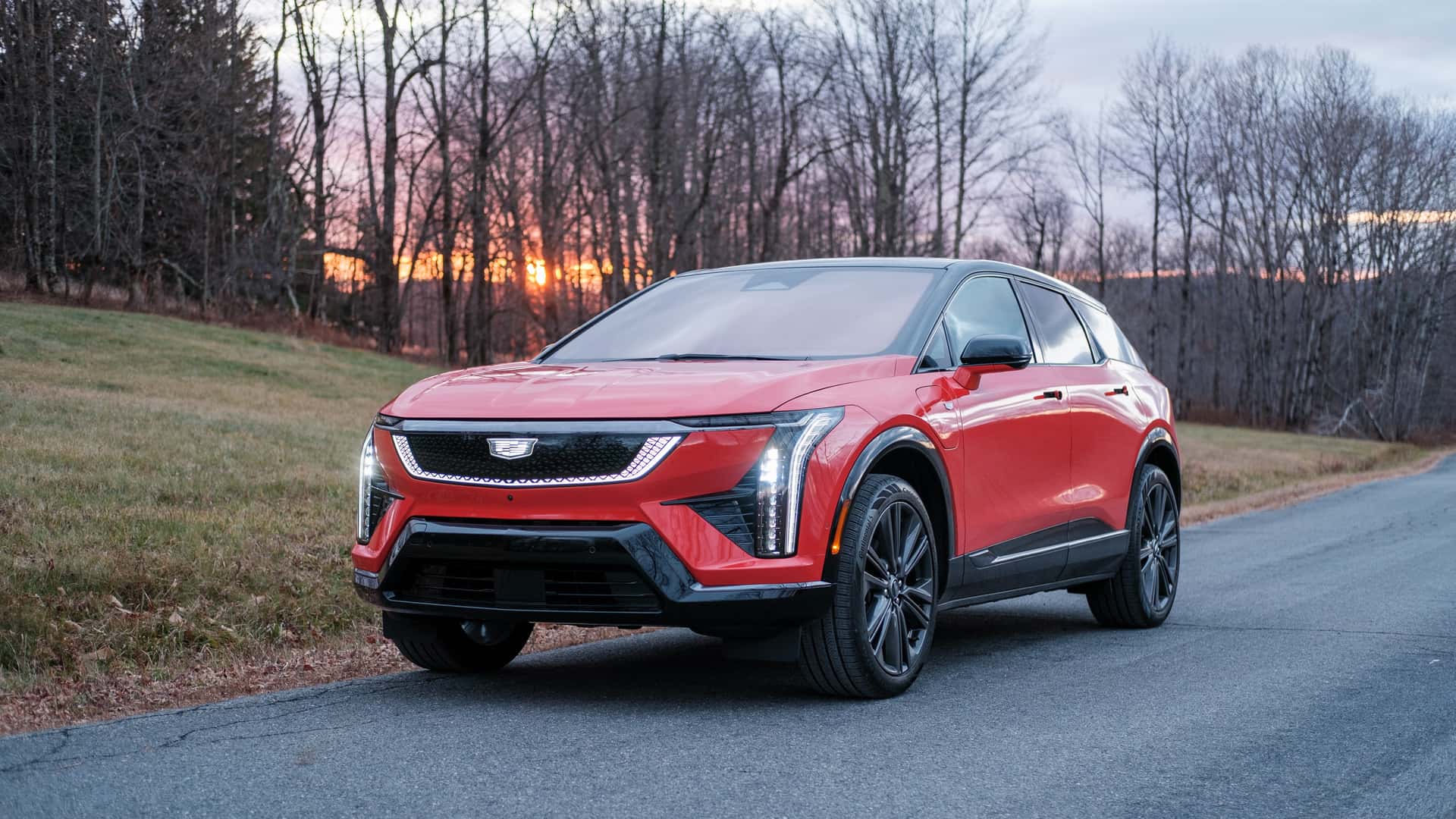
- General Motors plans to integrate a high-tech electric vehicle (EV) platform developed in China into the Cadillac Optiq model designated for international markets.
- This strategic move will not affect the Cadillac Optiq sold in the United States, primarily due to existing U.S. restrictions on Chinese automotive hardware and software.
- The new platform, known as Xiao Yao, originates from the SAIC-GM’s Pan Asia Technical Automotive Center (PATAC) in Shanghai, a key research and development hub within GM’s joint venture with SAIC Corporation.
- The adoption of Chinese EV technology highlights a growing trend among Western automakers to leverage advanced Chinese innovation to maintain competitiveness in the rapidly evolving global electric vehicle market.
- This pivot reflects GM’s efforts to address the performance of its U.S.-designed Ultium platform in the highly competitive Chinese EV landscape.
General Motors is set to equip the next iteration of its Cadillac Optiq electric SUV, specifically for markets outside the United States, with an advanced electric vehicle architecture developed through its joint venture in China. This strategic decision, initially reported by Reuters, marks a significant shift in how global automakers are sourcing and integrating cutting-edge technology for their electric vehicle portfolios.
The move underscores a broader industry trend where Western automotive giants are increasingly looking to China’s burgeoning electric vehicle sector for technological innovation. This is particularly crucial as China leads in EV production and adoption, fostering rapid advancements in battery technology, software, and vehicle platforms.
Despite the global implications, General Motors has confirmed that the U.S. market will not see the Cadillac Optiq utilizing this China-developed platform. This separation is largely influenced by the stringent regulations and restrictions currently in place in the United States concerning the integration of Chinese hardware and software components in automotive systems.
Strategic Pivot: Why GM is Embracing Chinese EV Technology
The decision to pivot to a Chinese-developed platform for the Cadillac Optiq is a direct response to the intense competition and rapid technological progress within the Chinese electric vehicle market. General Motors, like many other international automakers, has faced challenges in successfully penetrating this dynamic market with its existing global offerings.
For instance, GM’s U.S.-designed Ultium platform, which underpins many of its electric vehicles in North America, has encountered sluggish sales performance in China. Models such as the Buick Electra E5 and E4, built on the Ultium architecture, have struggled to compete effectively against highly advanced and cost-competitive local EV manufacturers like Nio, BYD, and Xpeng.
This market reality has compelled General Motors to re-evaluate its strategy, leading to the development of a platform tailored specifically for the Chinese context. The aim is to create electric vehicles that are more attuned to local consumer preferences and technological expectations, ultimately enhancing their competitiveness in this critical market.
Introducing the Xiao Yao Platform: A Deep Dive into its Capabilities
The new electric vehicle platform set to be utilized by the overseas Cadillac Optiq is named Xiao Yao. This sophisticated architecture was developed at the Pan Asia Technical Automotive Center (PATAC) in Shanghai, a crucial research and development facility operating under the SAIC-GM joint venture.
The Xiao Yao platform is touted as a truly software-defined vehicle architecture, emphasizing flexibility and adaptability across a wide range of vehicle types and powertrains. This advanced design principle allows for extensive customization and over-the-air updates, enabling the vehicle to evolve digitally post-purchase.
Versatility and Advanced Features
One of the standout features of the Xiao Yao platform is its remarkable versatility. It is engineered to support various propulsion systems, including pure electric vehicles (EVs), plug-in hybrids (PHEVs), and extended-range electric vehicles (EREVs). This broad compatibility allows GM to deploy the platform across diverse segments of the new energy vehicle market.
Furthermore, the platform can be adapted for nearly all body types, encompassing multi-purpose vehicles (MPVs), sedans, and sport utility vehicles (SUVs). This inherent flexibility enables GM to quickly roll out new models or variations without significant re-engineering, streamlining product development cycles and reducing costs.
In terms of drive configurations, the Xiao Yao platform supports front-wheel-drive (FWD), rear-wheel-drive (RWD), and all-wheel-drive (AWD) setups. This comprehensive capability ensures that vehicles built on this architecture can meet varying performance and handling requirements, catering to diverse consumer needs and driving conditions globally.
A major focus during the development of Xiao Yao has been on integrating advanced technologies. This includes sophisticated cockpit designs that offer enhanced user experience, superior energy efficiency, and high-speed charging capabilities. For instance, several Buick models, such as the Electra L7 and E7, already leverage the 900-volt-capable Xiao Yao platform, indicating its potential for ultra-fast charging.
Therefore, it is plausible that the Cadillac Optiq models sold in international markets, benefiting from the Xiao Yao platform, could feature significantly faster charging speeds, state-of-the-art battery technologies, and advanced infotainment systems that might surpass those of their U.S. counterparts.
General Motors’ Joint Ventures in China and Official Confirmations
General Motors maintains a robust presence in China through two long-standing joint ventures: one with the state-owned SAIC Corporation and another with SAIC and Wuling. These partnerships have been instrumental in allowing GM to develop and localize products specifically for the Chinese market, leveraging local expertise and supply chains.
The Pan Asia Technical Automotive Center (PATAC) in Shanghai is a product of the SAIC-GM joint venture, serving as a critical hub for automotive research, design, and engineering. The development of the Xiao Yao platform within PATAC highlights the advanced technical capabilities and collaborative spirit fostered by this partnership.
Regarding the specifics of this platform integration, a GM spokesperson in the U.S. provided an update on July 8, 2026, stating: “The Xiao Yao architecture is a China-tailored platform developed by PATAC that combines GM’s global expertise with strong local capabilities. It integrates propulsion, chassis, intelligent driving and smart-cabin technologies. The reporting about the Optiq is speculative.”
Subsequently, on July 9, 2026, General Motors confirmed to InsideEVs that the Xiao Yao platform is indeed not intended for the U.S. market and will not impact the Cadillac Optiq models sold within the United States. This clarification underscores the distinct market strategies GM is employing for different regions.
The Broader Trend: Western Automakers Leaning on Chinese Innovation
The move by General Motors to adopt a China-developed platform for the Cadillac Optiq is not an isolated incident but rather indicative of a broader industry trend. As the global automotive landscape rapidly shifts towards electrification, Chinese innovation in EV technology has become increasingly influential.
Western automakers are recognizing the unparalleled speed of development and technological advancements originating from China. This has led many to establish or expand their research and development operations within the country to tap into this rich ecosystem of talent and technology.
For example, Renault developed its latest Twingo E-Tech electric vehicle at its R&D center located in Shanghai. Similarly, premium brands like Audi and Hyundai have announced plans to significantly expand their R&D hubs in China, aiming to integrate local expertise into their global product development strategies.
This collaboration allows international brands to accelerate their EV development, reduce costs, and create products that are highly competitive in performance, features, and pricing. As the Cadillac Optiq and Lyriq are also sold in Europe, a market currently experiencing a significant influx of Chinese EVs, upgrading these models with more advanced Chinese technology becomes a logical step to maintain their competitive edge.
Outlook for the Cadillac Optiq in International Markets
The integration of the Xiao Yao platform into the Cadillac Optiq for international sales positions the luxury EV SUV to offer a more compelling package in markets outside the U.S. By leveraging advanced battery technology, high-speed charging capabilities, and sophisticated software-defined features, the overseas Optiq could present a strong challenge to both local and international competitors.
While the exact markets where the updated Cadillac Optiq will be sold remain to be fully clarified, this strategic adaptation underscores General Motors’ commitment to localizing its product offerings and harnessing global innovation. It represents a pragmatic approach to navigating the complexities and opportunities presented by diverse global electric vehicle markets, ultimately aiming to strengthen the brand’s position in the fiercely competitive electric luxury segment.
FAQ Section
What is the Xiao Yao platform?
The Xiao Yao platform is an advanced electric vehicle architecture developed by SAIC-GM’s Pan Asia Technical Automotive Center (PATAC) in Shanghai. It is a highly flexible, software-defined platform designed to support various powertrains (EVs, PHEVs, EREVs) and vehicle body types, with a strong focus on efficiency, advanced cockpits, and high-speed charging capabilities.
Which Cadillac Optiq models will use the China-developed platform?
The China-developed Xiao Yao platform will be integrated into Cadillac Optiq models designated for international markets. General Motors has confirmed that the Cadillac Optiq sold in the United States will continue to utilize its U.S.-designed architecture and will not be impacted by this change.
Why is GM using a Chinese platform for the Cadillac Optiq?
General Motors is adopting the Chinese-developed platform to enhance the competitiveness of the Cadillac Optiq in international markets. This move addresses the challenges faced by GM’s Ultium platform in China’s highly competitive EV market, where local manufacturers offer more advanced and tailored electric vehicles.
Will the U.S. Cadillac Optiq be affected by this change?
No, the Cadillac Optiq sold in the U.S. market will not be affected. General Motors has explicitly stated that the Xiao Yao platform will not be heading to the U.S., primarily due to existing U.S. restrictions on Chinese hardware and software components in vehicles.
What advantages does the Xiao Yao platform offer?
The Xiao Yao platform offers significant advantages, including its flexibility to support multiple powertrain types and vehicle body styles. It features advanced software-defined capabilities, promising blistering charging speeds, cutting-edge battery technology, and sophisticated smart-cabin experiences, making it highly competitive in the global EV landscape.
Are other Western automakers also using Chinese EV technology?
Yes, this is a growing trend. Renault, for instance, developed its latest Twingo E-Tech at its R&D center in Shanghai. Audi and Hyundai are also planning to expand their research and development operations significantly in China, signaling a broader industry reliance on Chinese innovation in the electric vehicle sector.