
Key Takeaways
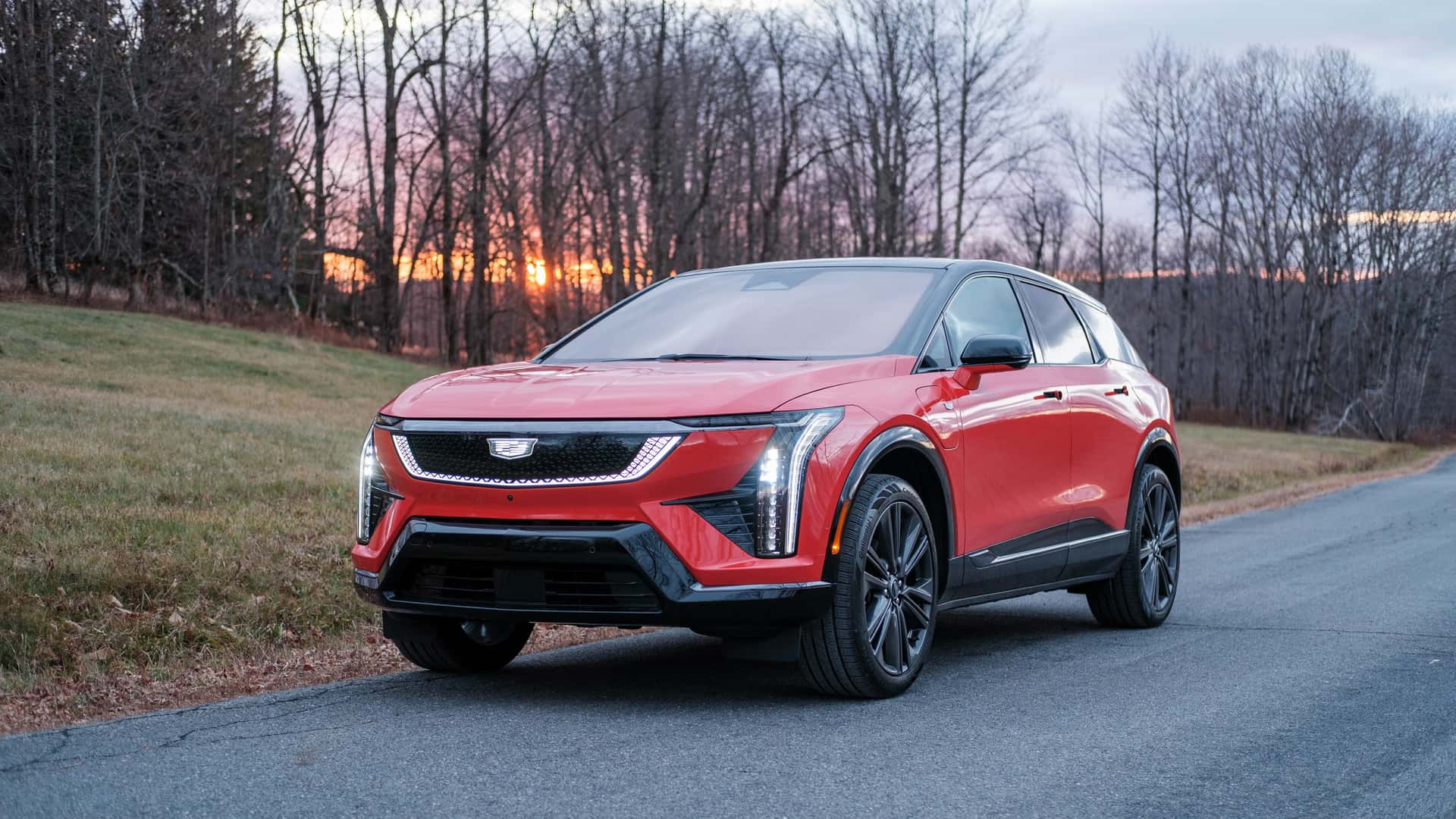
- General Motors plans to equip the Cadillac Optiq, destined for certain overseas markets, with a high-tech electric vehicle platform developed in China.
- This strategic move highlights a growing trend among Western automakers to integrate advanced Chinese technology to remain competitive in the rapidly evolving global EV landscape.
- The platform, known as Xiao Yao, was developed by SAIC-GM’s Pan Asia Technical Automotive Center (PATAC) in Shanghai, offering significant flexibility and advanced features.
- The U.S. market Cadillac Optiq will not be impacted by this change due to existing restrictions on Chinese hardware and software.
- GM’s decision stems from the competitive challenges faced by its U.S.-designed Ultium platform in China, where local EV manufacturers dominate with sophisticated offerings.
Cadillac Optiq to Integrate Advanced Chinese EV Technology
General Motors is set to outfit future versions of its Cadillac Optiq electric vehicle with a sophisticated platform designed and developed in China, a strategic pivot that underscores the increasing influence of Chinese automotive technology on the global stage. This significant shift, as reported by Reuters, citing sources familiar with the plans, will see the luxury electric SUV leverage locally cultivated innovation.
While this particular configuration of the Cadillac Optiq will not be introduced in the United States, primarily due to existing governmental restrictions concerning Chinese hardware and software, its adoption signals a broader trend. Western automotive giants are increasingly looking to China’s burgeoning technological prowess to enhance their electric vehicle offerings and maintain a competitive edge in international markets.
The Emergence of the Xiao Yao Platform
The platform in question is the Xiao Yao architecture, an innovative electric vehicle foundation conceived and refined at the Pan Asia Technical Automotive Center (PATAC) in Shanghai. PATAC is a pivotal research and development hub established through General Motors’ long-standing joint venture with the state-owned SAIC Corporation, one of two such collaborations GM maintains in China.
This China-tailored platform represents a culmination of GM’s extensive global expertise combined with robust local capabilities. Its development signifies a strategic response to the unique demands and rapid advancements within the Chinese electric vehicle market, which has emerged as a global leader in EV innovation.
Engineering for the Future: Capabilities of Xiao Yao
The Xiao Yao platform is engineered to be a truly software-defined vehicle architecture, offering remarkable flexibility across various powertrain types and body styles. It supports not only pure electric vehicles (EVs) but also plug-in hybrids (PHEVs) and extended-range electric vehicles (EREVs), showcasing its versatility in addressing diverse market needs.
Furthermore, the platform is adaptable for nearly all automotive body types, encompassing MPVs, sedans, and SUVs. Its inherent design also accommodates multiple drive configurations, including front-wheel-drive, rear-wheel-drive, and all-wheel-drive systems. This adaptability allows manufacturers to deploy a wide array of models with varying performance and functionality from a single core architecture.
A key focus during the development of Xiao Yao was the integration of advanced cockpit technologies, superior energy efficiency, and high-speed charging capabilities. This emphasis ensures that models built on this platform, such as the overseas Cadillac Optiq, can potentially feature cutting-edge batteries and rapid charging speeds that may surpass those of their U.S. counterparts.
Why a China-Developed Platform? The Ultium Context
General Motors’ decision to utilize the Xiao Yao platform for the Cadillac Optiq in certain markets is deeply rooted in the performance of its American-developed Ultium platform in the highly competitive Chinese market. The Ultium architecture, which underpins the majority of GM’s electric vehicles in the United States, has faced significant challenges and recorded sluggish sales for models like the Buick Electra E5 and E4 in China.
These models found themselves in direct competition with a wave of highly advanced and aggressively priced locally-developed electric vehicles from formidable Chinese automakers such as Nio, BYD, and Xpeng. These domestic players have rapidly innovated, offering cutting-edge technology, superior range, and compelling features that have resonated strongly with Chinese consumers.
In response to this intense competitive pressure, General Motors recognized the imperative to develop an electric vehicle platform specifically tailored for the Chinese market, by Chinese teams, to effectively compete with the burgeoning startups and established players. The Xiao Yao platform is GM’s strategic answer to these market dynamics, aiming to offer the Cadillac Optiq and other models the local technological edge required.
General Motors Confirms Strategic Divergence for Cadillac Optiq
General Motors has provided specific clarification regarding the deployment of the Xiao Yao platform. In a comment to InsideEVs, a GM spokesperson in the U.S. stated: “The Xiao Yao architecture is a China-tailored platform developed by PATAC that combines GM’s global expertise with strong local capabilities. It integrates propulsion, chassis, intelligent driving and smart-cabin technologies. The reporting about the Optiq is speculative.”
Further updates from General Motors solidified the regional nature of this platform’s deployment. On July 9, 2026, the automaker confirmed to InsideEVs that the Xiao Yao platform would not be introduced in the U.S. and would consequently have no impact on the Cadillac Optiq sold within the American market. This confirms a dual-platform strategy for the Cadillac Optiq, catering to distinct market demands and regulatory environments.
Broader Industry Trend: Western Automakers Leaning on Chinese Tech
The move by General Motors to integrate Chinese-developed EV technology into its Cadillac Optiq is not an isolated incident but rather indicative of a wider, transformative trend across the global automotive industry. As China solidifies its position as a global leader in electric vehicle research, development, and manufacturing, Western automakers are increasingly looking to leverage this expertise for their international product portfolios.
For instance, multiple Buick models, including the Electra L7 and E7, already utilize the 900-volt-capable Xiao Yao platform, showcasing its proven application. The Cadillac Optiq and Lyriq are also sold in Europe, a market that has seen a significant influx of competitive Chinese electric vehicles. Adapting platforms like Xiao Yao makes strategic sense for these regions.
Beyond GM, other prominent European and Asian manufacturers are also establishing stronger ties with China’s technological ecosystem. Renault, for example, developed its latest Twingo E-Tech at its dedicated R&D center in Shanghai. Similarly, premium brands like Audi and Hyundai are reportedly making plans to significantly expand their research and development hubs within China, recognizing the country as a critical source of automotive innovation.
The Future of Global EV Manufacturing and the Cadillac Optiq
This strategic integration of China-developed EV platforms underscores a critical juncture in the global automotive industry. It highlights the dynamic interplay between global automotive giants and the rapidly advancing technological capabilities emerging from China. For consumers outside the U.S., this could translate into Cadillac Optiq models featuring advanced functionalities, superior performance metrics, and cutting-edge in-cabin experiences.
As the electric vehicle market continues its rapid expansion and evolution, the ability of automakers to adapt to regional innovation and consumer preferences will be paramount. GM’s approach with the Cadillac Optiq demonstrates a pragmatic strategy to remain fiercely competitive in diverse international markets by harnessing the best available technology, irrespective of its origin.
Frequently Asked Questions (FAQ)
What is the Cadillac Optiq?
The Cadillac Optiq is an upcoming all-electric luxury SUV, part of General Motors’ broader push into the electric vehicle market. It is designed to offer a blend of Cadillac’s signature luxury and cutting-edge EV performance.
Which markets will receive the Cadillac Optiq with the China-developed platform?
While specific markets were not detailed, the platform will be used for Cadillac Optiq models sold in various overseas markets, excluding the United States, to compete effectively with local EV offerings.
Why is General Motors using a China-developed platform for the Cadillac Optiq?
GM aims to enhance the competitiveness of the Cadillac Optiq in international markets, particularly in China, where its U.S.-designed Ultium platform has struggled against advanced local EVs. The Xiao Yao platform offers tailored technologies for these competitive environments.
What is the Xiao Yao platform?
The Xiao Yao platform is a flexible, software-defined electric vehicle architecture developed by SAIC-GM’s Pan Asia Technical Automotive Center (PATAC) in Shanghai, China. It supports various vehicle types, powertrains, and drive configurations, focusing on advanced cockpits, efficiency, and high-speed charging.
Will the U.S. version of the Cadillac Optiq use this platform?
No, General Motors has confirmed that the Xiao Yao platform will not be used for the Cadillac Optiq sold in the United States. This is due to existing restrictions on Chinese hardware and software within the U.S. market.
Are other Western automakers also using Chinese EV technology?
Yes, there is a growing trend. Renault developed its Twingo E-Tech in Shanghai, and Audi and Hyundai are planning to expand their R&D operations in China, leveraging local expertise for their global EV strategies.
What are the advantages of the Xiao Yao platform?
The platform offers high flexibility for various vehicle types and powertrains, supports multiple drive configurations, and integrates advanced features like cutting-edge cockpits, superior energy efficiency, and potentially blistering high-speed charging capabilities.