
Key Takeaways (TL;DR)
- The 2026 JD Power U.S. Electric Vehicle Experience (EVX) Public Charging Study indicates a significant increase in overall public EV charging satisfaction.
- DC fast charging satisfaction has risen by 12 points, reaching a score of 666, with reported charging failures dropping to an all-time low of 12%.
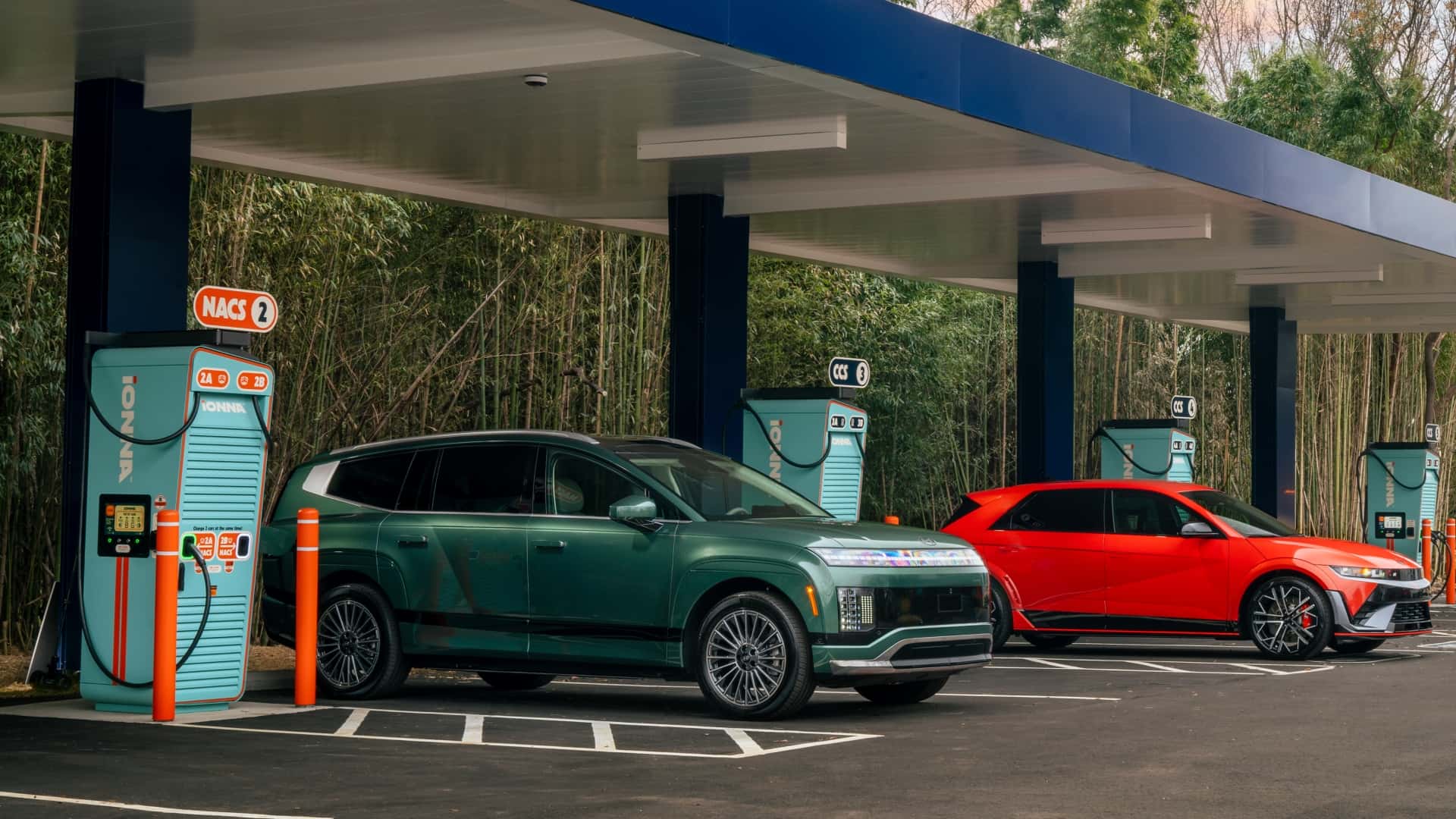
- New OEM-backed charging networks, such as Ionna, Mercedes-Benz, and Rivian Adventure Network, are setting new benchmarks for reliability and user experience, with Ionna achieving the highest score of 803.
- In contrast, Level 2 charging satisfaction has declined by 12 points since 2025, largely due to a stagnation in service quality compared to the rapid improvements seen in DC fast charging.
- These positive developments in DC fast charging infrastructure are actively addressing previous concerns about electric vehicle adoption and range anxiety among consumers.
Despite recent adjustments in the U.S. electric vehicle (EV) market, including altered expansion plans by several brands and the discontinuation of some model lines, a critical segment of the EV ecosystem is demonstrating robust growth. The public charging network, a cornerstone for widespread EV adoption, is showing significant improvements in user experience and reliability. This encouraging trend is highlighted in the latest industry report.
According to the JD Power 2026 U.S. Electric Vehicle Experience (EVX) Public Charging Study, customer satisfaction with public charging infrastructure has notably improved this year. This comprehensive study, which evaluates ten distinct index factors on a scale of 1,000 points, provides crucial insights into the evolving landscape of electric vehicle charging satisfaction across the nation. While the report covers both DC fast charging and Level 2 public charging, its most compelling data points focus on the advancements in high-speed charging.
DC Fast Charging Leads the Way in User Satisfaction
The study reveals a positive outlook for DC fast charging, indicating that these high-power stations are becoming increasingly reliable, accessible, and user-friendly. Overall, electric vehicle owners are reporting higher levels of satisfaction than ever before. The aggregated DC fast charging satisfaction score now stands at 666, marking a significant 12-point increase compared to the previous year’s findings.
A key indicator of this improvement is the dramatic reduction in reported charging failures. JD Power notes that instances of drivers encountering non-functional chargers or experiencing issues during a charging session have fallen to the lowest levels ever recorded in their surveys. Only 12% of respondents indicated experiencing a charging failure, a notable decrease from 14% last year. These failures encompass issues ranging from chargers being out of order to difficulties initiating a charge due to payment system malfunctions.
Brent Gruber, the executive director of EV solutions at JD Power, attributed these substantial gains to the enhanced performance and strategic deployment of modern DC fast charging networks. He emphasized the rising standards set by newer entrants in the market.
“New OEM-backed fast-charging networks are raising expectations with high-performing equipment, strong locations, and smooth sessions, which helps build customer confidence that they can pull in, start a charge, and get back on the road quickly,” he stated.
New Networks Redefine Charging Excellence
The landscape of DC fast charging is rapidly diversifying beyond the previously dominant Tesla Supercharger network, which once held a near monopoly on reliable and efficient fast-charging experiences. New players are now emerging as leaders, significantly contributing to the overall improvement in EV charging satisfaction.
For the first time, Ionna was included in the JD Power survey, immediately securing the top position with an impressive score of 803. This robust performance is attributed to its state-of-the-art infrastructure and seamless user experience. Ionna’s chargers are lauded for being new, fast, consistently operational, and compatible with various payment methods, offering unparalleled convenience to drivers.
The flexible payment options at Ionna stations exemplify this commitment to user experience. Drivers can utilize common platforms like the ChargePoint app, leverage integrated plug & charge capabilities directly from their vehicle, or simply use the built-in credit card reader at the machine. This multi-faceted approach significantly enhances accessibility and reduces friction during the charging process.
Other OEM-backed networks also performed exceptionally well, underscoring the trend of manufacturers investing in premium charging infrastructure to support their electric vehicle offerings. The Mercedes-Benz charging network achieved a strong score of 797, closely followed by Rivian’s Adventure Network, which earned 755 points. These high scores reflect a concerted effort by automotive brands to provide reliable and efficient charging solutions, directly impacting EV charging satisfaction positively.
Strategic Placement Enhances Charging Convenience
The physical location of DC fast chargers plays a crucial role in shaping the overall driver experience and influencing EV charging satisfaction. The study meticulously analyzes various types of charging locations, revealing distinct preferences and convenience factors for electric vehicle owners. Chargers situated at hotels garnered the highest satisfaction rating, scoring 697 points, reflecting the convenience of overnight charging during travel or extended stays.
Gas stations and convenience stores emerged as the second-most satisfying locations, with a score of 689. Their established presence along major routes and easy accessibility for quick stops contribute to their high rating. Restaurants followed closely, scoring 688, offering drivers the opportunity to charge while dining. These locations cater to different driver needs, from long-haul journeys to everyday errands.
In stark contrast, car dealerships recorded a significantly lower satisfaction score of 570. This disparity suggests that while dealerships may offer charging facilities, they might not always be as conveniently located or accessible for public use as dedicated charging hubs or establishments catering to immediate consumer needs. Understanding these preferences is vital for expanding public charging infrastructure effectively and boosting overall EV charging satisfaction.
Level 2 Charging Satisfaction Experiences a Downturn
While DC fast charging shows significant progress, the same cannot be said for Level 2 charging, which typically offers slower, more prolonged charging sessions. The JD Power study reports that satisfaction with Level 2 public charging has actually declined, registering a score of 595. This represents a 12-point drop since 2025, a concerning trend amidst the broader improvements in the charging ecosystem.
The primary reasons cited for this dip in EV charging satisfaction for Level 2 stations include a persistent lack of ease of use and issues related to payment systems. Unlike the advanced, streamlined payment options increasingly available at DC fast chargers, many Level 2 stations continue to present operational hurdles. Furthermore, the charging speeds offered by Level 2 AC chargers are often not perceived as impressive, especially when compared to the rapid capabilities of DC fast charging.
Brent Gruber elaborated on this divergence, explaining that the significant gains and improvements observed in DC fast charging networks have not been mirrored in public Level 2 charging infrastructure. Many Level 2 stations remain cumbersome to operate, with inconsistent functionality and often suboptimal placement.
This stagnation in the quality of Level 2 charging services, juxtaposed with the rapid advancements and rising expectations set by improved DC fast charging experiences, directly contributes to the observed decline in satisfaction scores. The contrast highlights a growing gap in the user experience between the two prevalent public charging methods.
Implications for the Future of Electric Mobility
The latest findings from JD Power offer compelling evidence that the public charging infrastructure for electric vehicles is undergoing a crucial transformation. The notable increase in DC fast charging satisfaction, coupled with a decrease in reported failures, directly addresses one of the most significant barriers to widespread EV adoption: range anxiety and concerns about charging reliability.
For current and prospective electric vehicle owners, this sustained improvement in the charging experience is undoubtedly positive news. It signifies a maturation of the electric mobility sector, where investments in high-quality, reliable, and user-friendly charging solutions are beginning to yield tangible benefits. As more OEM-backed networks emerge and existing ones enhance their services, the confidence in being able to ‘fill up’ an EV quickly and efficiently on the go will only grow, further accelerating the transition to electric transportation.
Frequently Asked Questions (FAQ)
What is the JD Power EVX Public Charging Study?
The JD Power Electric Vehicle Experience (EVX) Public Charging Study annually assesses consumer satisfaction with public charging networks in the U.S. It evaluates various factors, including availability, speed, cost, and ease of use, providing critical insights into the evolving electric vehicle charging satisfaction and infrastructure performance.
How has DC fast charging satisfaction changed?
DC fast charging satisfaction has improved significantly, rising by 12 points to an overall score of 666 in the 2026 study. This improvement is largely attributed to increased reliability, better accessibility, and fewer reported charging failures, which dropped to a record low of 12%.
Which charging networks are performing best?
Ionna debuted as the top-performing DC fast charging network with a score of 803. The Mercedes-Benz charging network followed with 797 points, and Rivian’s Adventure Network scored 755. These networks are recognized for their high-performing equipment, strategic locations, and smooth charging sessions.
Why is Level 2 charging satisfaction declining?
Level 2 charging satisfaction has decreased by 12 points since 2025, reaching a score of 595. This decline is primarily due to persistent issues with ease of charging, payment difficulties, and perceived slower charging speeds. Improvements seen in DC fast charging have not translated to Level 2 services.
How important are charging locations for satisfaction?
Charging location is a significant factor in overall EV charging satisfaction. Hotels rated highest at 697, followed by gas stations/convenience stores (689) and restaurants (688). Car dealerships scored the lowest at 570, indicating that convenience and accessibility play a crucial role in user perception.
What does this study mean for EV adoption?
The study’s findings are positive for EV adoption, as improved DC fast charging satisfaction directly addresses consumer concerns about range anxiety and charging infrastructure. As charging networks become more reliable and user-friendly, it boosts consumer confidence, making the transition to electric vehicles more appealing and practical for a wider audience.