
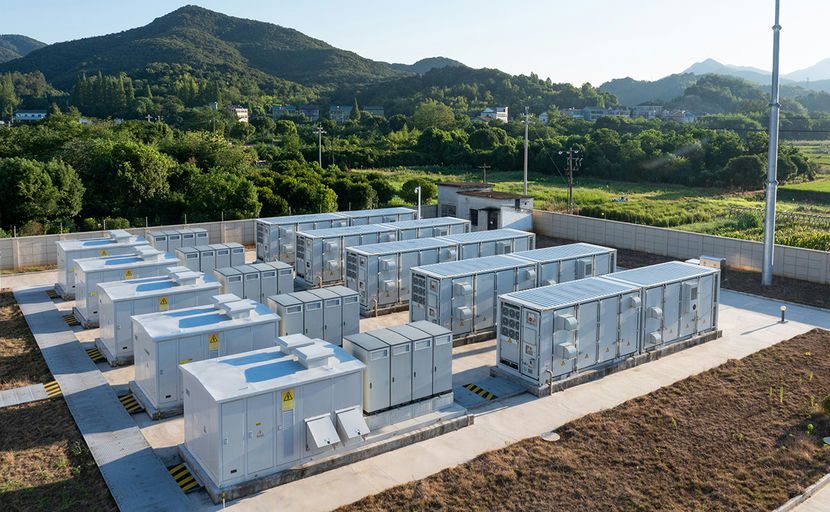
In the rapidly evolving landscape of sustainable energy, the efficiency and longevity of power electronic systems are paramount. At the heart of this challenge lies effective thermal management, a critical factor for both electric vehicles (EVs) and, increasingly, Battery Energy Storage Systems (BESS). A forthcoming webinar, presented by industry leader Parker Lord, is set to unravel the complexities surrounding material selection and design strategies vital for advanced power electronics.
Key Takeaways
- Gain insights into 2K polymeric thermal management options and how thermal conductivity impacts power electronics applications.
- Learn critical material selection criteria for effective heat dissipation, including comparisons of various thermal interface materials (TIMs) and their properties.
- Explore specialized design strategies for Battery Energy Storage Systems (BESS) and Electric Vehicle (EV) power electronics to enhance performance and reliability.
- Understand how thermal management material choices directly influence manufacturing processes, efficiency, and overall project costs.
The Unseen Challenge: Why Thermal Management is Paramount
As power densities in electronic components continue to rise, particularly in high-demand applications like EVs and BESS, the generation of excess heat becomes an unavoidable consequence. This heat, if not managed effectively, can lead to reduced performance, accelerated degradation of components, and ultimately, a shortened operational lifespan for critical systems. Efficient thermal management in BESS power electronics, alongside EV systems, is therefore not merely an engineering detail but a fundamental requirement for system reliability and safety.

Maintaining optimal operating temperatures for power electronic components, such as inverters, converters, and battery management systems, directly impacts their efficiency. Overheating can lead to power losses, decreased output, and even catastrophic failures. The intricate dance between heat generation and heat dissipation dictates the overall performance envelope of these sophisticated systems, making informed design and material choices indispensable.
Mastering Material Science: 2K Polymeric Thermal Solutions
The selection of thermal management materials is a pivotal decision that influences both immediate performance and long-term durability. The webinar will provide deep insights into various 2K polymeric thermal management options, highlighting their unique properties and applicability in high-performance environments. These advanced materials are engineered to conduct heat away from sensitive components efficiently, preventing thermal runaway and ensuring stable operation.
Understanding how thermal conductivity, a key property, impacts diverse power electronics applications is central to this discussion. Different polymeric formulations offer varying levels of thermal conductivity, electrical insulation, and mechanical robustness. Choosing the right 2K polymeric solution involves a careful assessment of the specific thermal loads, environmental conditions, and the performance targets of the power electronic system being developed.

Strategic Material Selection for Optimal Heat Dissipation
Effective heat dissipation relies heavily on the appropriate selection of thermal interface materials (TIMs). The webinar will delve into a comprehensive comparison of various TIMs, exploring their properties, advantages, and limitations across different applications. TIMs bridge the microscopic air gaps between heat-generating components and heat sinks, dramatically improving thermal transfer efficiency.
Factors such as thermal impedance, viscosity, bond line thickness, and long-term stability are crucial considerations when choosing TIMs. Whether it’s a thermal grease, pad, gap filler, or phase change material, each has a specific role in enhancing heat flow. The ability to select the most suitable TIM is critical for maximizing the efficiency and longevity of both EV and BESS power electronic components, directly impacting system performance and reliability.
Tailored Design: BESS Versus EV Power Electronic Systems
While both BESS and EV applications demand robust thermal management, their specific design strategies often differ due to varying operational profiles, environmental exposures, and power requirements. The webinar will explore these distinctions, offering best practices for designing power electronic systems tailored to each domain.
Battery Energy Storage Systems, for instance, typically operate in stationary environments but often handle prolonged, high-power cycling, requiring consistent and long-term thermal stability. EVs, conversely, face dynamic thermal loads influenced by driving cycles, ambient temperatures, and packaging constraints, alongside significant vibration and shock requirements. Understanding these divergent needs is crucial for optimizing thermal management, ensuring that solutions enhance performance and reliability in their respective challenging applications.
Impact on Production: Bridging Design and Manufacturing
The choice of thermal management materials extends beyond mere performance specifications; it significantly influences the manufacturing process, overall cost, and production complexity. The webinar will illuminate the intricate relationship between material selection and the resulting production process needs. For instance, the dispensing characteristics of a material, its curing time, and reworkability all have direct implications for assembly lines and manufacturing efficiency.
Streamlining the production process while ensuring high-quality thermal interfaces is a continuous challenge for manufacturers. The discussion will provide valuable insights into how informed material choices can mitigate manufacturing bottlenecks, reduce cycle times, and ultimately lead to more cost-effective and reliable power electronic systems. This holistic approach, integrating design with manufacturing considerations, is essential for successful product development in the BESS and EV sectors.
A Broader Perspective: The Virtual Conference on EV Engineering
This insightful webinar on optimizing thermal management in BESS power electronics is a key highlight within the broader Virtual Conference on EV Engineering. Broadcast live from September 14 to 17, 2026, the conference content is designed to encompass the entire EV engineering supply chain and ecosystem. Attendees can delve into a vast array of topics, including motor and power electronics design and manufacturing, cell development, battery systems, comprehensive testing, advanced powertrains, circuit protection, wire and cable solutions, and EMI/EMC considerations.
The conference offers an unparalleled opportunity to explore the latest innovations and challenges across the electric vehicle and energy storage spectrum. Alongside discussions on thermal management, sessions will cover critical areas such as “Advancing Battery Safety Through Early Thermal Runaway Detection With Infineon Sensors,” “Scalable And Cost-Efficient Testing Of State-of-the-Art Battery Management Systems,” and “CoolGaN™ Automotive Bidirectional Switch: Shaping Single-Stage On-Board Chargers.” These diverse sessions underscore the comprehensive nature of the event, providing a wealth of knowledge for engineers and industry professionals navigating the complexities of electrification.
Seize the Opportunity: Register for Free
This invaluable webinar, presented by Parker Lord, promises to equip attendees with a deeper understanding of thermal management material selection and its application in power electronic systems. Participants will gain insights into how thermal management design decisions impact cost and manufacturing complexity, and discover key differences between EV and BESS power electronic components. The session will also highlight strategies to improve efficiency and longevity in power electronics projects.
Don’t miss this opportunity to enhance your expertise. The webinar is scheduled for September 14, 2026, at 11:00 am EDT. Registration is free and open now. Interested professionals are encouraged to register promptly to secure their spot and access this essential industry knowledge. Further details and the complete session list for the Virtual Conference on EV Engineering are available online, offering a comprehensive look at the cutting-edge discussions shaping the future of electric mobility and energy storage.
Frequently Asked Questions (FAQ)
What is thermal management in power electronics?
Thermal management in power electronics refers to the process of controlling and dissipating heat generated by electronic components to maintain optimal operating temperatures. This is crucial for ensuring the efficiency, reliability, and longevity of devices, preventing performance degradation and potential failures due to overheating.
Why is material selection critical for thermal management?
Material selection is critical because different materials possess varying thermal conductivity, electrical insulation properties, and mechanical characteristics. Choosing the right materials, such as specific thermal interface materials (TIMs) and polymeric options, directly impacts how effectively heat can be transferred away from sensitive components, thus influencing system performance.
How do BESS and EV thermal management needs differ?
While both require robust thermal management, BESS (Battery Energy Storage Systems) typically face prolonged, high-power cycling in stationary environments. EVs (Electric Vehicles), however, encounter dynamic thermal loads, significant vibration, and strict packaging constraints, necessitating distinct design approaches tailored to their unique operational challenges.
What are Thermal Interface Materials (TIMs)?
Thermal Interface Materials (TIMs) are substances used to fill microscopic air gaps between heat-generating components (like semiconductors) and heat sinks or spreaders. By improving the contact area, TIMs significantly reduce thermal resistance, facilitating more efficient heat transfer and helping to maintain cooler operating temperatures.
How does thermal management impact manufacturing costs?
Thermal management choices directly impact manufacturing costs through material expenses, processing time (e.g., dispensing and curing of materials), and potential rework. Selecting materials that are easy to apply and integrate into existing production lines can streamline processes, reduce labor, and lower overall manufacturing complexity and cost.
Who is Parker Lord?
Parker Lord is a diversified technology and manufacturing company that develops adhesives, coatings, motion management devices, and thermal management solutions. They serve a wide range of industries, including automotive, aerospace, and electronics, providing advanced materials and technologies to solve complex engineering challenges.
What is the Virtual Conference on EV Engineering?
The Virtual Conference on EV Engineering is a comprehensive online event covering the entire electric vehicle engineering supply chain and ecosystem. It features numerous webinars and sessions on topics such as motor design, battery systems, power electronics, testing, and thermal management, providing insights into the latest innovations and challenges in the EV industry.