
Key Takeaways
- Siemens Government Technologies (SGT) has been awarded an $80 million contract by the Army Contracting Command.
- The award focuses on establishing US Army-controlled production lines for electric motor stator assemblies crucial for unmanned aircraft systems (UAS).
- The advanced manufacturing environment, spanning a 12-month performance period, will be located at the Anniston Army Depot in Alabama.
- A World War II-era facility at the depot is set for modernization into a high-tech manufacturing hub.
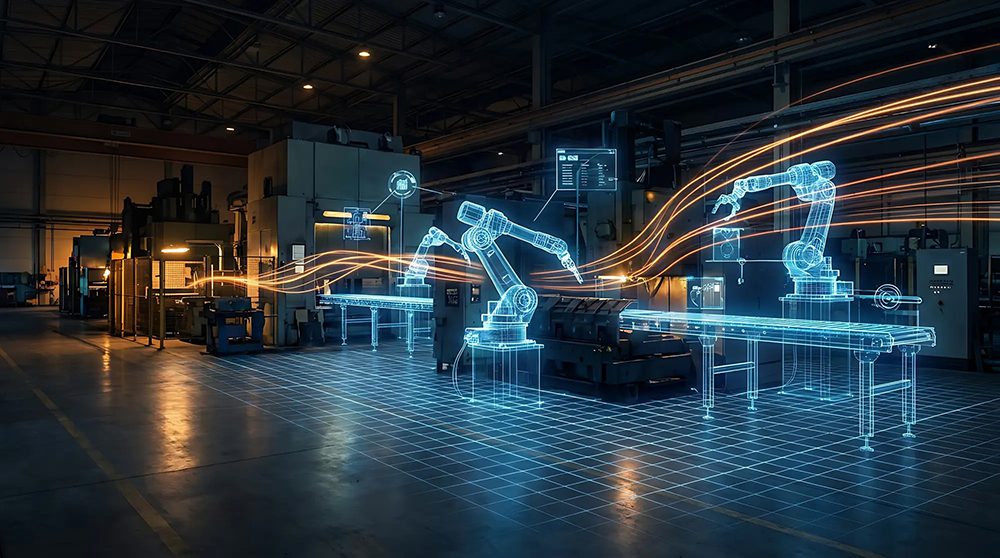
- The project will utilize digital twin technology to design and validate production lines, enhancing precision and efficiency before physical construction.
- This initiative aims to bolster the Army’s organic expertise and innovation in next-generation UAS development and enhance domestic defense manufacturing capabilities.
WASHINGTON D.C. — Siemens Government Technologies (SGT) has secured a significant $80 million award from the Army Contracting Command, marking a pivotal step toward fortifying domestic defense manufacturing capabilities. The contract, announced on August 18, 2026, mandates SGT to establish US Army-controlled production lines dedicated to electric motor stator assemblies for unmanned aircraft systems (UAS).
This strategic initiative underscores the United States Army’s commitment to enhancing its technological independence and supply chain resilience for critical defense components. The 12-month performance period will see the deployment of an integrated digital and physical advanced manufacturing environment, leveraging cutting-edge industrial technologies.

Bolstering Domestic Manufacturing for National Security
The establishment of these specialized production lines represents a crucial investment in the nation’s defense industrial base. By securing Army-controlled manufacturing for vital UAS components, the United States aims to mitigate supply chain vulnerabilities and ensure uninterrupted access to essential parts.
This move is particularly significant given the increasing reliance on unmanned aircraft systems across military operations. Domestic production fosters greater control over intellectual property, quality standards, and responsiveness to evolving defense needs, aligning with broader national security objectives to strengthen internal capabilities.
The $80 million award specifically targets the critical component of electric motor stator assemblies. These components are fundamental to the performance and reliability of the electric motors that power modern drones, making their secure and controlled production a strategic imperative for the Army’s UAS fleet.

Revitalizing Anniston Army Depot
The new manufacturing facilities are slated for installation at the Anniston Army Depot in Alabama. This site holds historical significance, with SGT outlining plans to transform a World War II-era facility into a state-of-the-art production hub.
This modernization effort will not only bring advanced manufacturing capabilities to the region but also inject new life into an established defense infrastructure. The transformation signifies a fusion of historical legacy with future-forward technological advancements, creating a vibrant ecosystem for defense innovation.
Anniston Army Depot is already recognized as a designated Center of Industrial and Technical Excellence. Its existing mandate encompasses commodities such as tracked and wheeled ground combat vehicles, artillery, and small-caliber weapons. Integrating advanced UAS component production further diversifies its capabilities and cements its role as a cornerstone of the Army’s industrial prowess.
The Power of Digital Twins in Advanced Manufacturing
At the heart of this advanced manufacturing endeavor is the sophisticated application of digital twin technology. Siemens Government Technologies plans to utilize digital twins to drive an integrated digital production environment.
This innovative approach involves creating virtual replicas of the physical production lines. These digital counterparts will play a critical role in informing and validating the commissioning process of the stator assembly production lines even before any physical work commences.
The digital twin technology enables meticulous planning, simulation, and optimization in a virtual space, allowing engineers to identify potential bottlenecks, refine processes, and ensure optimal efficiency. This proactive validation significantly reduces risks, accelerates deployment, and enhances the precision of the entire manufacturing setup, leading to more robust and reliable production outcomes.
Understanding Electric Motor Stators
The core component at the center of this contract is the electric motor stator. A stator is defined as the stationary part of an electric motor, crucial for its operation and efficiency. Its design and manufacturing precision directly impact the motor’s performance, durability, and power output.
Within the stator, windings are meticulously arranged to carry the electric current. This current generates the magnetic field that interacts with the rotor, the motor’s rotating component, thereby producing mechanical motion. The stator’s laminated core, typically made of thin sheets of magnetic material, surrounds these windings.
The laminated core serves a dual purpose: it effectively carries the magnetic flux produced by the windings while simultaneously limiting eddy-current losses. Eddy currents are undesirable circulating currents that can generate heat and reduce motor efficiency. The precise design and manufacturing of the stator, particularly its windings and laminated core, are paramount for maximizing the efficiency and lifespan of electric motors in demanding applications like unmanned aircraft systems.
Leadership Vision for Future UAS Development
John Ustica, President and CEO of Siemens Government Technologies, articulated the strategic importance of this award. Highlighting the long-term benefits, he stated, “The ability for the Army to control its own production and manufacturing environment, leveraging digital twins and a digital-first mindset, will accelerate their organic expertise and innovation for next-generation unmanned aircraft system development.”
This statement underscores a clear vision: by owning and controlling the manufacturing process, the Army gains unparalleled insight and hands-on experience. This direct engagement fosters a deep understanding of the manufacturing intricacies, which in turn fuels internal research and development capabilities.
The integration of digital twins and a digital-first mindset further empowers the Army to iterate quickly, test new designs virtually, and innovate at an accelerated pace. This synergistic approach is expected to be a game-changer for developing and deploying advanced, next-generation UAS platforms.
Siemens Government Technologies’ Role and Expertise
Siemens Government Technologies stands as a key partner in this critical defense initiative. The company’s expertise in industrial automation, digitalization, and advanced manufacturing solutions positions it as a vital contributor to modernizing the defense supply chain.
Their integrated approach, combining digital tools like digital twins with physical production capabilities, offers a comprehensive solution for establishing high-tech manufacturing environments. SGT’s commitment to supporting government agencies in achieving their technological and operational goals is clearly demonstrated through this significant contract.
This award not only highlights SGT’s technical prowess but also its capacity to deliver complex, high-value projects essential for national security. Their role extends beyond merely supplying equipment; it encompasses the strategic implementation of a full-spectrum advanced manufacturing ecosystem.
Broader Implications for Defense Innovation and Supply Chain Resilience
The $80 million contract awarded to Siemens Government Technologies extends beyond the immediate goal of producing drone motor stators. It serves as a blueprint for future defense manufacturing initiatives, emphasizing the shift towards highly integrated, digitally driven production systems.
This model enhances not only the efficiency and precision of manufacturing but also the agility with which the Army can respond to emerging threats and technological advancements. By fostering a domestic, Army-controlled production environment, the initiative significantly contributes to the nation’s overall supply chain resilience in critical defense sectors.
The success of this project at Anniston Army Depot could pave the way for similar ventures across various defense components, ensuring that the U.S. military maintains a leading edge in technological superiority and operational readiness. It represents a tangible step towards a more secure, self-reliant, and advanced defense industrial future.
FAQ Section
What is the purpose of this $80 million Army award to Siemens Government Technologies?
The award aims to establish US Army-controlled production lines for electric motor stator assemblies used in unmanned aircraft systems (UAS). This initiative enhances domestic manufacturing capabilities, strengthens supply chain security for critical defense components, and fosters the Army’s organic expertise in advanced drone technology.
Where will the new production lines for drone motor stators be installed?
The new production lines will be installed at the Anniston Army Depot in Alabama. This project involves converting a World War II-era facility at the depot into a modern, advanced manufacturing hub, leveraging the depot’s existing status as a Center of Industrial and Technical Excellence.
How will digital twins be utilized in this advanced manufacturing project?
Digital twins will be central to creating an integrated digital production environment. They will be used to virtually inform and validate the commissioning of the stator assembly production lines before any physical construction begins, ensuring precision, efficiency, and reducing potential risks in the manufacturing process.
What is an electric motor stator and why is its production critical for drones?
A stator is the stationary part of an electric motor; its windings carry current to create the magnetic field that acts on the rotor. Its precise production is critical for drones because it directly impacts the efficiency, power, and reliability of the electric motors that propel unmanned aircraft systems, essential for mission success.
What is the timeframe for the completion of this project?
The award specifies a 12-month performance period for Siemens Government Technologies to establish these advanced manufacturing production lines. This timeframe aims to rapidly bring the Army-controlled production of electric motor stator assemblies online, addressing critical defense needs efficiently.
What are the broader implications of this project for the US Army?
Beyond producing stators, this project signifies the Army’s commitment to technological independence and innovation in next-generation UAS. It strengthens the domestic defense industrial base, accelerates the Army’s organic expertise through direct control over manufacturing, and enhances overall supply chain resilience for critical defense technologies.