
Key Takeaways:
- Octillion Power Systems has officially opened its third battery manufacturing facility in Halol, Gujarat, adding a substantial 3 GWh of annual production capacity.
- The new plant, converted from an empty structure in under eight months, is set to produce over 48,000 battery systems annually, catering to passenger vehicles, buses, and commercial trucks.
- This expansion brings Octillion’s total annual output across its three Indian sites to an estimated 150,000 battery systems, translating to approximately 9 GWh of energy storage.
- The initiative reinforces India’s drive towards a robust, localized EV supply chain, addressing concerns about dependence on imported critical minerals and high-value components.
- India’s electric vehicle market is experiencing rapid growth, with sales surpassing 1.54 million units in the first half of 2026, marking a 43% year-on-year increase and 11% EV penetration.
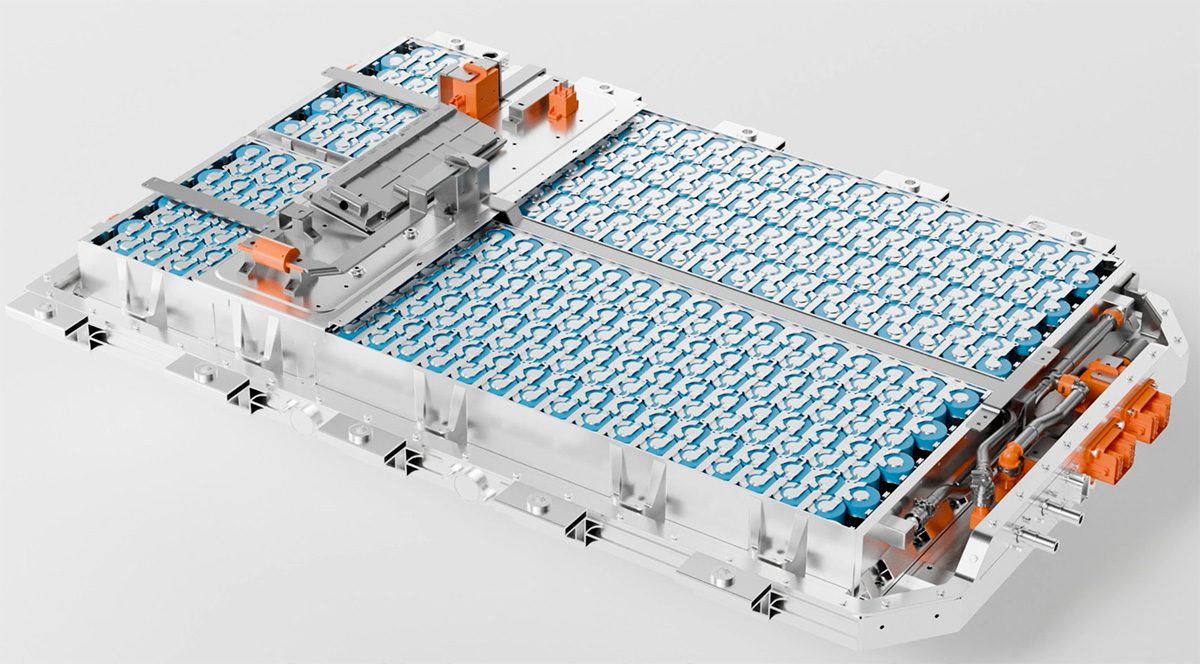
Halol, Gujarat – Octillion Power Systems, a leading Tier 1 supplier in the electric vehicle (EV) sector, has announced the commissioning of its third battery manufacturing plant in India, located in Halol, Gujarat. This strategic expansion significantly bolsters India’s EV battery manufacturing in India capabilities, adding 3 gigawatt-hours (GWh) of energy storage capacity per year to the nation’s burgeoning electric mobility ecosystem.

The swift establishment of the Halol facility underscores Octillion’s commitment to accelerating the adoption of electric vehicles across the subcontinent. The company successfully transformed an unoccupied structure into a fully operational production unit in a remarkable span of less than eight months, showcasing efficient project execution and strategic planning.
Gujarat Facility: A Pillar of Advanced Battery Production
The newly inaugurated plant spans an impressive area of over 13,000 square meters. At its peak operational capacity, the Halol facility is projected to manufacture more than 48,000 advanced battery systems annually. This substantial output will contribute significantly to the electrification of various transport segments, including passenger vehicles, electric buses, and commercial trucks.
This latest addition brings Octillion’s combined annual production across all three of its Indian sites to an estimated 150,000 battery systems. This equates to approximately 9 GWh of energy storage, positioning Octillion as a pivotal player in India’s journey towards sustainable mobility solutions and robust EV battery manufacturing in India.

Strategic Localization and Supply Chain Resilience
Octillion’s operational philosophy for the Halol plant integrates standardized production processes, sophisticated thermal modeling, and advanced battery management systems (BMS) directly into the local supply base. This approach, as articulated by the company, transcends mere assembly. It aims to foster deeper localization and significantly shorten lead times for electric vehicle components.
The strategic importance of such localization efforts cannot be overstated. Research conducted by the International Institute for Sustainable Development highlights a critical dependency, indicating that net localization of high-value components like lithium-ion batteries, motors, and controllers remains below 20% for many manufacturers in India. Furthermore, the nation’s reliance on imported raw materials such as lithium, cobalt, and nickel for battery production presents a significant challenge.
Government Initiatives and Domestic Exploration
In response to these challenges, the Indian government has initiated the National Critical Minerals Mission. This crucial program is actively funding domestic exploration and the development of processing capacity for vital minerals. Such initiatives are essential for building a self-reliant and resilient automotive supply chain, reducing import dependence, and strengthening indigenous energy storage solutions.
Nikhil Parchure, Senior Vice President at Octillion, emphasized the company’s vision for a resilient supply chain. “A resilient EV supply chain in India can’t just mean more square footage—it means depth: local sourcing, local quality control, and local engineering talent working side by side with our global standards,” Parchure stated. “That’s what we’ve built in Halol.” His remarks underscore the comprehensive approach Octillion is taking to foster genuine self-sufficiency in EV battery manufacturing in India.
India’s Accelerating EV Market Growth
The expansion of EV battery manufacturing in India comes at a time of unprecedented growth in the country’s electric vehicle market. According to a report by JMK Research, EV sales in India reached an impressive milestone of over 1.54 million units during the first half of 2026. This represents a robust 43% increase compared to the same period in the previous year, with EV penetration crossing the 11% mark.
Several segments within the EV market have demonstrated exceptional performance. Electric passenger car sales surged by a remarkable 83% over the same period. The electric bus segment also experienced substantial growth, climbing by 42%. This expansion is largely attributed to significant deployments under key government initiatives such as the PM E-Bus Sewa and PM E-DRIVE programs.
Government Push for Electric Public Transport
The government’s commitment to electrifying public transport is evident in the allocation of more than 4,200 e-buses in June 2026 alone. These programs are pivotal in driving the adoption of sustainable mobility solutions across urban and rural landscapes, reducing carbon emissions, and fostering an EV ecosystem.
While still in its nascent stages, the electric truck segment is also showing promising signs of rapid development. Cumulative sales of electric trucks have registered an astounding increase of over 300% year-on-year. This burgeoning interest signals a growing shift towards electric powertrains even in heavy-duty commercial applications, indicating a holistic transformation across all transport categories.
Outlook for EV battery manufacturing in India
Octillion’s latest investment in Halol, Gujarat, represents a significant step forward in strengthening India’s domestic capabilities for EV battery manufacturing in India. By focusing on localized production, engineering talent, and stringent quality control, Octillion is not only expanding its footprint but also contributing to the broader goal of establishing a self-reliant and resilient EV supply chain in the country.
The confluence of robust market growth, supportive government policies, and strategic investments from key players like Octillion positions India on a strong trajectory towards becoming a global hub for electric vehicle production and renewable energy storage. This expansion is crucial for meeting the escalating demand for electric vehicles and supporting India’s ambitious targets for clean transportation.
Frequently Asked Questions (FAQ)
What is the new production capacity of Octillion’s Halol plant?
The new plant in Halol, Gujarat, adds 3 GWh (gigawatt-hours) of energy storage capacity per year. This significant boost enhances India’s domestic capability for EV battery manufacturing, catering to various vehicle types.
How many battery systems will the Halol plant produce annually?
At full operational capacity, the Halol plant is projected to produce over 48,000 advanced battery systems annually. These systems are designed for integration into passenger vehicles, buses, and commercial trucks.
What is Octillion’s total annual battery production capacity across India?
With the addition of the Halol facility, Octillion’s combined annual output across all three of its Indian sites is expected to reach approximately 150,000 battery systems, totaling roughly 9 GWh of energy storage.
Why is local sourcing important for EV battery manufacturing in India?
Local sourcing is crucial for building a resilient EV supply chain, reducing dependence on imports, shortening lead times, and ensuring local quality control. It also fosters domestic engineering talent and strengthens the overall automotive supply chain in India.
How much has India’s EV market grown recently?
In the first half of 2026, India’s EV sales exceeded 1.54 million units, marking a substantial 43% year-on-year increase. EV penetration reached over 11%, demonstrating rapid adoption across the country.
What government programs are supporting EV adoption in India?
The Indian government is actively supporting EV adoption through programs like the PM E-Bus Sewa and PM E-DRIVE. These initiatives facilitate the deployment of electric buses and other EVs, particularly in public transport, driving market growth.
What challenges does India face in EV battery production?
India currently faces challenges related to the localization of high-value EV components and a heavy reliance on imported critical minerals such as lithium, cobalt, and nickel for battery production. The National Critical Minerals Mission aims to address these issues through domestic exploration.