
Key Takeaways:
- New York City is poised for a significant transformation in its electric vehicle (EV) charging infrastructure, with nearly 1,000 new charging points slated for installation across all five boroughs.
- The ambitious plan includes 600 new curbside EV chargers, designed to serve a densely populated urban environment where off-street parking is scarce.
- An additional 92 DC fast charging points and 180 Level 2 chargers will be strategically placed at municipal parking facilities throughout the city.
- This expansion aims to support EV adoption among residents, including licensed taxi and ride-hailing drivers, and specifically target low- and moderate-income communities often underserved by private charging solutions.
- The initiative aligns with New York City’s aggressive climate goals, pushing towards net-zero greenhouse gas emissions by 2050.
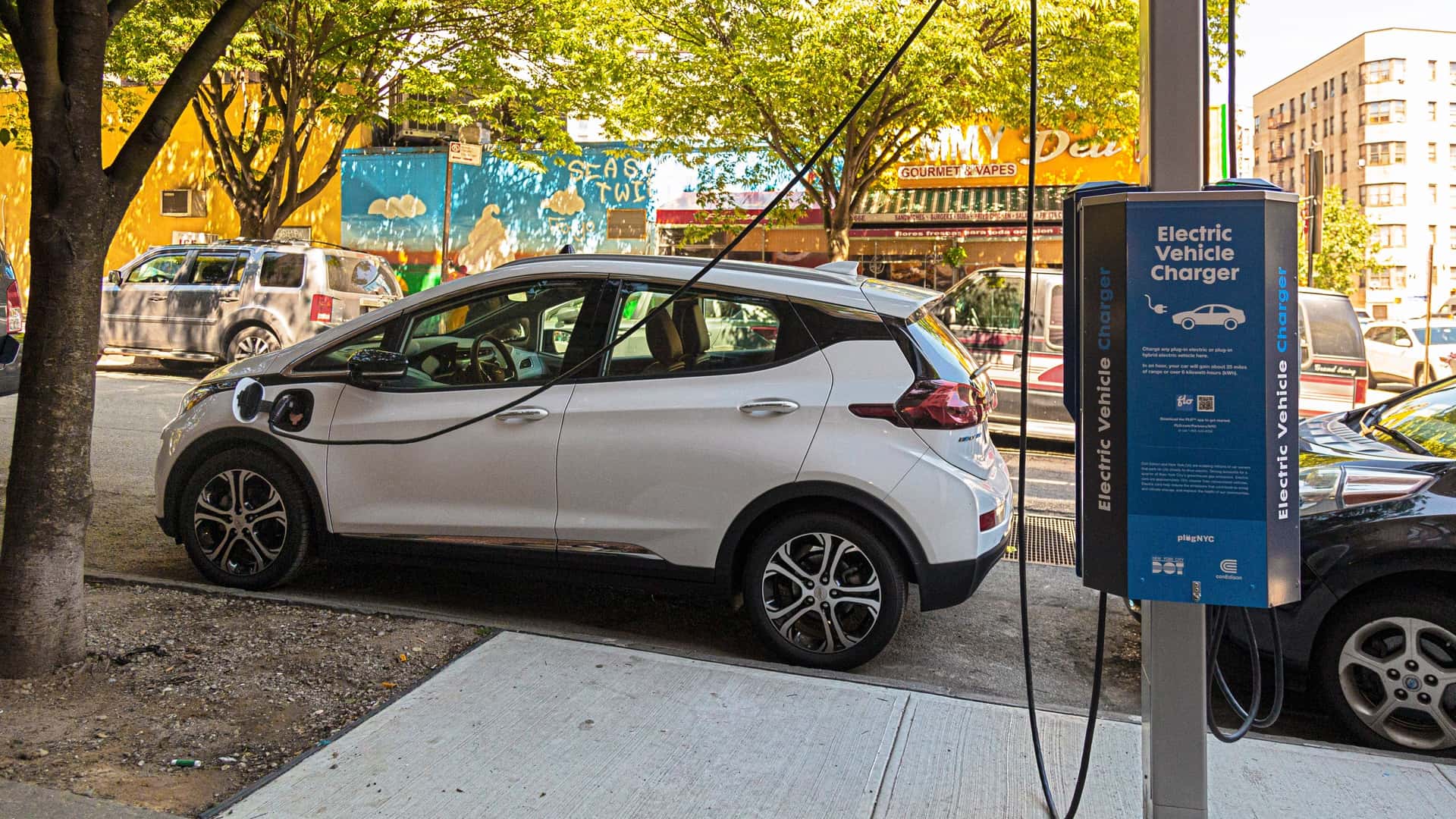
New York City is embarking on a substantial enhancement of its electric vehicle charging infrastructure, a move that promises to significantly ease the challenges faced by EV owners in one of the world’s most densely populated urban centers. The city’s Department of Transportation (NYC DOT) has announced plans to deploy nearly 1,000 new EV charging points, dramatically expanding access across its five boroughs over the next three years.

For many residents, particularly those without access to private garages or driveways, owning an EV in New York City has been hampered by limited public charging options. This new initiative is set to alleviate that pressure, fostering broader EV adoption and supporting the city’s environmental objectives.
Boosting Curbside EV Charging Across Boroughs
A cornerstone of this ambitious plan is the installation of 600 new curbside chargers. These Level 2 charging points, capable of replenishing an EV battery in a few hours, will be strategically distributed to address the unique needs of NYC’s urban landscape.
The selection criteria for these new locations prioritize areas with high residential density, limited off-street parking, and a significant concentration of licensed cab and ride-hailing drivers. This targeted approach ensures that the new EV charging infrastructure serves communities where it is most needed.

Crucially, the expansion also focuses on low- and moderate-income communities, addressing historical gaps in private sector investment and ensuring equitable access to EV charging technology. This commitment underscores the city’s dedication to inclusive climate action.
Phased Rollout and Community Engagement
The initial phase of deployment will see chargers go live in specific neighborhoods. These include Soundview and Unionport in the Bronx; Rego Park, Forest Hills, and Far Rockaway in Queens; Red Hook, Carroll Gardens, and Bedford-Stuyvesant in Brooklyn; the Upper West Side and Washington Heights in Manhattan; and Stapleton on Staten Island.
Further installations are planned, and New York City residents are actively encouraged to provide feedback on proposed charging sites through the NYC DOT’s dedicated project portal. This engagement mechanism ensures that the EV charging network development is responsive to community needs and preferences.
Each of the new curbside stations is designed with at least two stalls, featuring two charging points per stall, resulting in a total of four charging connectors per site. This configuration aims to maximize availability and efficiency.
In a forward-thinking move, the DOT also plans to integrate electrical connections for e-micromobility charging wherever feasible. This includes provisions for electrified bikeshare docks, public e-bike charging cabinets, and secure bike parking with charging capabilities for microhubs, effectively future-proofing these new locations for diverse electric transportation needs.
Expanding Fast Charging and Parking Facility Network
Beyond the curbside installations, New York City is also making substantial investments in faster charging solutions. The plan includes the deployment of 92 DC fast charging points and an additional 180 new Level 2 charging points within City-owned Municipal Parking Fields and Municipal Parking Garages.
Construction for many of these planned locations is already either underway or has been completed, signaling rapid progress in expanding the city’s comprehensive EV charging capabilities. These fast chargers are critical for drivers needing quick top-ups, particularly commercial vehicles and those on longer journeys within the city.
Operational Framework and Pricing Strategy
To ensure the efficient deployment and management of this expanded network, the NYC DOT will partner with the New York Power Authority for the procurement and installation of the new curbside charge points. The DOT will then assume responsibility for the operation and maintenance of these new chargers, as well as the existing network established under a pilot program with Con Edison.
While specific pricing details for the new curbside chargers are still being finalized, the city has indicated a commitment to affordability. The pricing model will also be designed to encourage reasonable turnover of vehicles, ensuring greater access for more EV drivers.
Drivers will benefit from flexible payment options, including the ability to use multiple mobile applications or simply tap their credit cards to pay per kilowatt-hour of energy dispensed. This user-friendly approach is expected to enhance the overall experience for EV owners.
Strategic Impact and City’s Vision for a Greener Future
The expansion is a direct response to the escalating demand for EV charging in New York City. The current PlugNYC charging network, consisting of just 88 Level 2 charging points, already boasts one of the highest utilization rates among public curbside networks in the United States, according to the NYC DOT.
These existing charging points deliver energy over 85% of the time they are occupied, with an occupancy rate consistently ranging between 70% and 99%. This data underscores the critical need for increased capacity and the immediate impact the new installations are expected to have.
NYC DOT Commissioner Mike Flynn articulated the broader strategic importance of this initiative, stating, “The Mamdani administration is taking aggressive action to address the climate crisis and achieve net-zero greenhouse gas emissions by 2050. For the transportation sector, our main goal is making it easier and more affordable for New Yorkers to walk, bike, and take transit. But for those who still drive, we need to dramatically accelerate the adoption of electric vehicles. This initiative will make charging more affordable and convenient, helping support the transition from fossil fuel-powered vehicles to electric vehicles and expand charging access to TLC-licensed drivers and residents of low- and moderate-income neighborhoods underserved by private charging options.”
This comprehensive expansion of New York City’s EV charging infrastructure represents a pivotal step towards a more sustainable and accessible urban transportation system. By addressing both the volume and strategic placement of chargers, the city is reinforcing its commitment to environmental stewardship and ensuring that the transition to electric vehicles is equitable and feasible for all its residents.
Frequently Asked Questions (FAQ) About NYC EV Charging Expansion
What is the total number of new EV charging points New York City is adding?
New York City is adding nearly 1,000 new EV charging points. This includes 600 curbside chargers, 92 DC fast charging points, and 180 new Level 2 charging points at municipal parking facilities, significantly enhancing the city’s EV charging capabilities for residents and commercial drivers.
Where will the new curbside EV chargers be installed?
The new curbside chargers will be installed across all five boroughs, with initial sites in specific neighborhoods like Soundview and Unionport (Bronx), Rego Park and Forest Hills (Queens), Red Hook and Bedford-Stuyvesant (Brooklyn), Upper West Side (Manhattan), and Stapleton (Staten Island). Locations prioritize high density and underserved communities.
How will New York City ensure equitable access to EV charging?
The city’s plan specifically targets low- and moderate-income communities that have historically seen limited investment from private charging companies. This ensures that the benefits of EV adoption, including cleaner air and reduced fuel costs, are accessible to a wider demographic of New Yorkers.
Who will be responsible for operating and maintaining the new charging network?
The NYC DOT will contract with the New York Power Authority for the procurement and installation of the new curbside chargers. Subsequently, the NYC DOT will be responsible for the ongoing operation and maintenance of both the new curbside chargers and the existing network.
What payment options will be available for the new curbside EV chargers?
Drivers will have flexible payment options for the new curbside chargers. They will be able to pay per kilowatt-hour of energy dispensed using multiple mobile applications or by simply tapping their credit cards, aiming for affordability and ease of use for all EV owners.
How will the new EV charging infrastructure support New York City’s climate goals?
This expansion is integral to the Mamdani administration’s commitment to address the climate crisis and achieve net-zero greenhouse gas emissions by 2050. By making EV charging more accessible and affordable, the initiative directly supports the transition from fossil fuel-powered vehicles to electric vehicles.
Will the new charging stations accommodate electric micromobility devices?
Yes, wherever possible, the new curbside stations will include electrical connections designed for e-micromobility charging. This foresight includes provisions for electrified bikeshare docks, public e-bike charging cabinets, and secure bike parking with charging capabilities, promoting diverse electric transportation modes.