
Key Takeaways (TL;DR)
- Global investments in EV battery manufacturing capacity are now pivoting towards Stationary Energy Storage Systems (ESS) due to surging demand.
- The shift presents unique challenges in understanding and adhering to diverse market regulations and compliance standards for ESS.
- Expertise in functional safety, certification processes, and avoiding common design pitfalls is crucial for successful market entry.
- A virtual conference on EV Engineering, scheduled from September 14 to 17, 2026, will offer deep dives into these and other critical aspects of battery and EV technology.
- This evolution is vital for augmenting grid capacity and supporting energy-intensive emerging technologies like AI data centres.
In recent years, the global automotive sector witnessed unprecedented investment, with billions of dollars funnelled into developing large-format cell and battery manufacturing capabilities specifically for electric vehicles (EVs). This significant capital outlay has established a robust industrial base, initially poised to meet the burgeoning demand for electric transportation across continents.

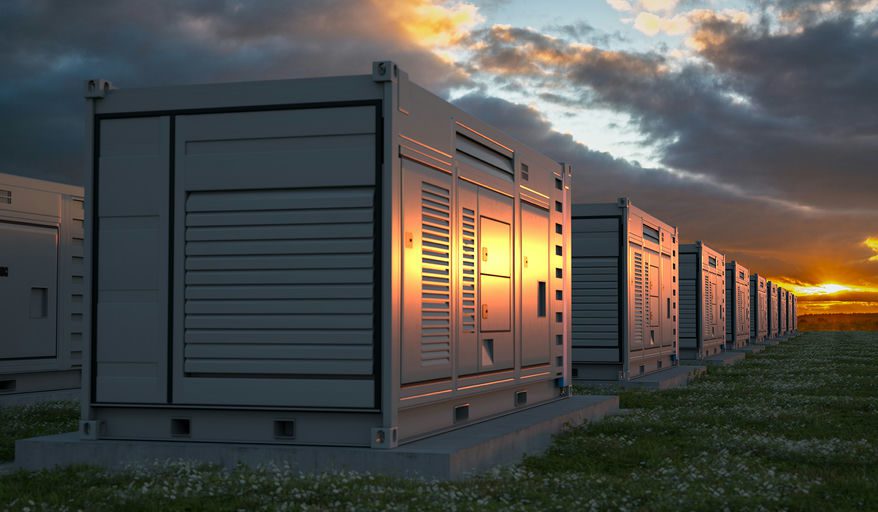
However, as regional EV demand has exhibited fluctuations, a parallel and equally powerful shift has emerged within the energy landscape. The global appetite for Stationary Energy Storage Systems (ESS) has surged dramatically. This surge is critical for two primary reasons: to augment existing grid infrastructure capacity and to robustly support the escalating energy requirements of advanced technologies, notably AI data centres.
The Strategic Pivot: Repurposing EV Battery Capacity for Grid Stability
The strategic pivot towards ESS development leverages the extensive manufacturing capacity initially built for EVs. This reorientation allows the existing EV battery supply chain to diversify its market reach and address a pressing global need for reliable and scalable energy solutions. It represents a significant adaptation by the industry, demonstrating its agility in responding to evolving market dynamics.
The transition, however, is not without its complexities. While the core battery technology may share similarities, the regulatory landscape and operational demands for stationary storage differ considerably from those governing electric vehicles. Companies traditionally focused on automotive applications must now navigate a new set of requirements, with particular emphasis on **stationary energy storage compliance**.

Understanding the Nuances of Stationary Energy Storage Compliance
Developing new battery systems for adjacent markets like stationary storage necessitates a comprehensive understanding of a distinct set of regulatory frameworks. The compliance challenges are multifaceted, requiring a deep dive into various aspects that ensure both safety and performance within grid-scale applications.
Navigating Market Regulations and Regulators
One of the primary hurdles involves discerning the intricate web of market regulations and identifying the relevant regulatory bodies. Unlike the relatively harmonised standards for automotive use in certain regions, stationary storage often falls under diverse national, regional, and even local jurisdictions. These regulations dictate everything from installation safety to environmental impact and interconnection requirements.
Manufacturers must therefore dedicate considerable resources to research and interpret these varying mandates. Missteps in this area can lead to significant delays, costly redesigns, or even outright market exclusion, underscoring the critical importance of proactive regulatory engagement.
The Indispensable Role of Certification Bodies and Third Parties
Certification bodies and other independent third parties play a pivotal role in validating the safety, reliability, and performance of ESS. These organisations conduct rigorous testing and evaluation processes to ensure that battery systems meet stipulated industry standards and regulatory requirements. Their endorsement provides crucial trust and credibility in the market.
Engaging with these entities early in the development cycle is paramount. This collaboration helps in identifying potential compliance gaps and integrating necessary design considerations from the outset, streamlining the path to market readiness and ensuring robust **stationary energy storage compliance**.
Prioritising Functional Safety in Battery Systems
Functional safety is not merely a desirable feature; it is an absolute imperative for stationary energy storage systems. Given the large scale, high energy density, and prolonged operational cycles of these systems, the risk associated with malfunctions is substantial. Functional safety protocols are designed to prevent unreasonable risks due to hazards caused by the malfunctioning behaviour of electrical and electronic systems.
This includes robust system architectures, fault detection mechanisms, redundant safety features, and rigorous validation processes. Implementing a comprehensive functional safety strategy is critical for protecting assets, personnel, and the wider electrical grid from potential failures such as thermal runaway or catastrophic power events.
Common Pitfalls in Design and Compliance
Companies venturing into the stationary storage market often encounter several common pitfalls. These typically involve underestimating the stringency of grid-specific requirements, failing to account for long-duration cycling and diverse environmental conditions, or overlooking the complexities of integration with existing grid infrastructure. Designing new battery systems demands a delicate balance, where performance aspirations must always be tethered to strict compliance necessities.
A frequent challenge arises when designs optimised for EV applications are directly ported to ESS without sufficient modification. Such approaches often neglect crucial aspects like grid service ancillary capabilities, comprehensive fire safety codes, and site-specific operational parameters that are unique to stationary installations. Adhering to robust **stationary energy storage compliance** frameworks requires bespoke design thinking.
Deep Dive into EV Engineering: A Virtual Conference Opportunity
To address these evolving challenges and foster knowledge sharing across the industry, a Virtual Conference on EV Engineering is scheduled to broadcast live from September 14 to 17, 2026. This comprehensive event is designed to cover the entire EV engineering supply chain and ecosystem, offering critical insights relevant to both electric vehicles and stationary energy storage.
Comprehensive Scope for the EV Ecosystem
The conference agenda is meticulously curated to encompass a wide array of topics crucial for advanced battery and EV development. Key areas include motor and power electronics design and manufacturing, advanced cell development, sophisticated battery systems, and rigorous testing methodologies. Attendees can also expect discussions on powertrains, thermal management strategies, and essential circuit protection.
Further sessions will delve into wire and cable solutions, as well as critical electromagnetic interference (EMI) and electromagnetic compatibility (EMC) considerations. This broad scope ensures that participants gain a holistic understanding of the technological backbone supporting modern electric mobility and energy storage solutions.
Key Sessions and Expert Insights
The conference will feature numerous sessions led by industry experts. Highlights include discussions on ‘Advancing Battery Safety Through Early Thermal Runaway Detection With Infineon Sensors’ and ‘Scalable And Cost-Efficient Testing Of State-of-the-Art Battery Management Systems.’ These sessions directly address core aspects of functional safety and performance validation, crucial for both EV and ESS applications.
Further topics cover ‘CoolGaN™ Automotive Bidirectional Switch: Shaping Single-Stage On-Board Chargers,’ ‘Microseconds Matter: High-Fidelity FPGA Motor Models For Real-Time HIL Validation,’ and ‘Simplifying Commercial EV Power Distribution With Integrated Off-the-Shelf Solutions.’ The event will also explore ‘From Lab To Vehicle: Driving Reliable Insulation Systems For E-mobility Innovation,’ ‘Driving Efficiency In EV Manufacturing: Ultrasonic Solutions For Critical Connections,’ and ‘How To Test For Anti-Islanding In EV Chargers, OBCs, And V2G Systems.’
Additional sessions like ‘Multiphysics Modeling Of Transport Phenomena In Cells With Gas Diffusion Electrodes,’ ‘Optimizing HV/LV Power Conversion For Next-Generation xEV Architectures,’ and ‘Beyond Sealing: Extrusion And Co-Extrusion For Thermal, Electrical, And Sensing Applications’ underscore the depth of technical expertise on offer. These discussions are invaluable for professionals grappling with the intricate demands of **stationary energy storage compliance** and broader EV engineering challenges.
The Future of Energy Storage: A Collaborative and Compliant Path
As the intersection between EV battery technology and stationary energy storage becomes increasingly pronounced, the emphasis on robust design, rigorous testing, and unwavering **stationary energy storage compliance** will only intensify. Companies like Intertek, often operating in the realm of testing, inspection, and certification, will continue to play a vital role in guiding manufacturers through this complex regulatory maze.
The insights shared at such conferences are instrumental in bridging knowledge gaps and fostering a collaborative environment necessary for innovation. The ability to pivot existing manufacturing capabilities to meet emerging energy demands, while adhering to stringent compliance standards, will define success in the rapidly evolving global energy landscape.
Frequently Asked Questions (FAQ)
What is Stationary Energy Storage (ESS)?
Stationary Energy Storage Systems (ESS) are technologies designed to store electrical energy and release it later. Unlike mobile EV batteries, ESS are fixed installations, primarily used to support power grids, integrate renewable energy sources, and provide backup power for critical infrastructure like data centres, making **stationary energy storage compliance** paramount.
Why is there a sudden surge in demand for ESS?
The demand for ESS has surged due to several factors, including the need to stabilise power grids increasingly reliant on intermittent renewable energy sources, a global push for grid modernisation, and the exponential growth in energy consumption by emerging technologies such as artificial intelligence data centres. This necessitates robust **stationary energy storage compliance**.
How do EV battery manufacturing investments relate to ESS?
Billions of dollars invested in large-format EV battery manufacturing capacity are now being strategically repurposed. As EV demand fluctuates, the established production lines and expertise can be leveraged to produce batteries suitable for ESS, allowing manufacturers to capitalise on new market opportunities while addressing stringent **stationary energy storage compliance** requirements.
What are the main compliance challenges for ESS?
Key compliance challenges for ESS include navigating diverse and often complex market regulations across different regions, engaging effectively with various certification bodies and third-party evaluators, ensuring comprehensive functional safety throughout the system’s lifecycle, and avoiding common design pitfalls when adapting battery systems for stationary applications. **Stationary energy storage compliance** is multifaceted.
What role does functional safety play in ESS development?
Functional safety is critical for ESS to prevent unreasonable risks from system malfunctions, especially given their high voltage, capacity, and long operational life. It involves designing systems with inherent safety mechanisms, fault detection, and redundancy to protect against failures like thermal runaway, ensuring the overall integrity and reliability of the grid, and fulfilling **stationary energy storage compliance**.
Who benefits from the Virtual Conference on EV Engineering?
The Virtual Conference on EV Engineering benefits professionals across the entire EV and energy storage supply chain, including engineers, designers, manufacturers, and researchers. It provides vital insights into battery technology, power electronics, thermal management, and regulatory compliance, addressing challenges pertinent to both electric vehicles and **stationary energy storage compliance** initiatives.