
Key Takeaways:
- General Motors has initiated a pilot program to integrate recycled battery materials from end-of-life packs into new electric vehicles.
- The initiative is part of a broader strategy to establish a closed-loop recycling system, enhancing sustainability and reducing reliance on virgin mineral extraction.
- Working with Cirba Solutions, GM has successfully recovered critical materials like nickel, cobalt, and manganese, transforming them into new cathode active material.
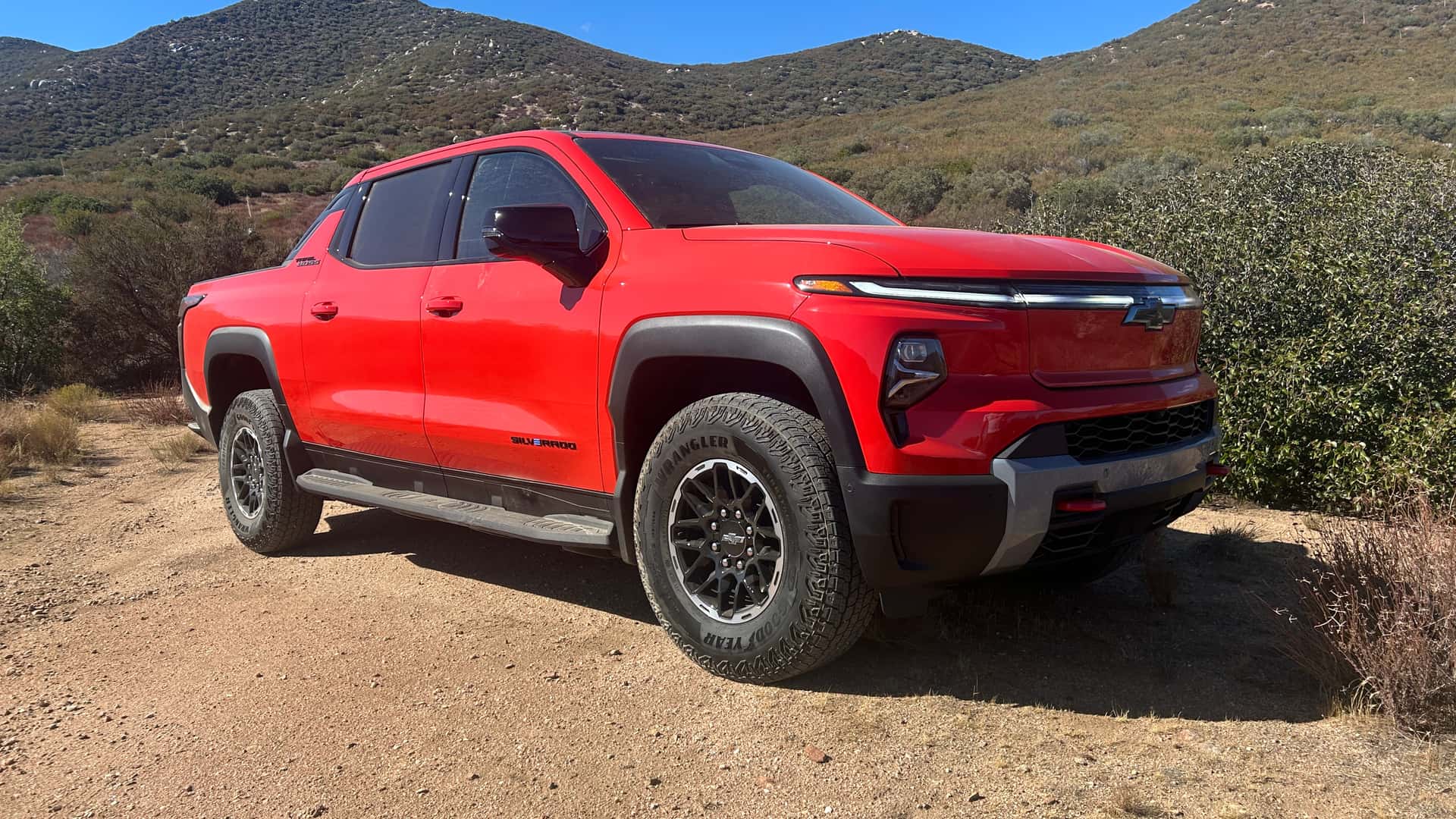
- These recycled materials are now powering new Cadillac Lyriq, Vistiq, Escalade IQ and IQL, Chevrolet Silverado EV Trail Boss, and GMC Sierra EV AT4 models.
- The company affirms that batteries made with recycled content meet the same rigorous quality, safety, and performance standards as those from new materials.
- Beyond recycling, GM is also exploring ‘second-life’ applications for EV batteries in energy storage, contributing to a comprehensive circular economy approach.
General Motors (GM) has announced a significant step towards sustainable electric vehicle (EV) production, confirming it has commenced installing batteries containing recycled materials from old packs into its latest EV models. This groundbreaking pilot program marks a pivotal moment in the automotive industry’s transition towards a more circular economy for electric vehicles.

The move is set to profoundly impact the manufacturing process for upcoming Cadillac, Chevrolet, and GMC electric vehicles, leveraging innovative EV battery recycling techniques. This strategic shift aims to mitigate the environmental footprint associated with EV production while simultaneously addressing critical supply chain challenges for raw materials.
Driving Sustainability Through Advanced EV Battery Recycling
The electric vehicle battery represents the single most expensive component of an EV. Its production typically demands significant amounts of vital minerals, often extracted through environmentally intensive mining operations. However, these batteries are also highly recyclable, presenting a substantial opportunity for sustainability.
GM’s comprehensive approach to EV battery recycling targets the recovery of crucial materials. Depending on the battery chemistry and the specific recycling processes employed, the automaker reports that an impressive 95% of nickel, cobalt, and manganese, along with 80% of lithium, can be effectively recovered.

Recovering these materials for reuse in brand-new battery cells offers multiple benefits. At scale, this initiative promises to significantly lower battery production costs, decrease the industry’s reliance on new mineral extraction, and shrink the overall carbon footprint associated with manufacturing electric vehicles.
This closed-loop recycling model is an industry aspiration, allowing yesterday’s EV batteries to power today’s new generation of electric vehicles. It signifies a mature approach to resource management within the rapidly expanding EV sector.
The Journey from End-of-Life to New Battery Cells
To realize this ambitious pilot, General Motors collaborated with Cirba Solutions, a specialist in battery recycling. This partnership was instrumental in processing 80 end-of-life batteries, extracting valuable components for reintegration into the manufacturing cycle.
From these used batteries, Cirba Solutions recovered what is known as ‘black mass’. This dark, powdery mixture comprises essential cathode and anode materials, including lithium, nickel, cobalt, manganese, and graphite. While black mass is a critical intermediate, it is not directly reusable.
The recovered black mass undergoes a complex chemical processing stage. This crucial step transforms the raw black mass into new cathode active material, making it suitable for integration into advanced battery cells.
The cathode is a fundamental part of an EV battery cell, where charged particles travel during vehicle operation. The material composition of the cathode, such as lithium iron phosphate (LFP) or nickel cobalt aluminum (NCA), defines the battery’s specific chemistry and performance characteristics.
Conversely, anodes, the other primary electrode, are typically composed of graphite or, in some advanced formulations, a blend of graphite and silicon. The efficient recovery and reprocessing of these core materials are central to effective EV battery recycling.
Validation and Integration into Production Vehicles
Through this pilot, the reprocessed black mass yielded 12 metric tons of new cathode active material. Notably, this material was composed of 100% recycled nickel, cobalt, and manganese, underscoring the high efficiency of the recycling process.
This newly generated material was then utilized in the production of brand-new battery cells. These cells have since been successfully integrated into GM’s production vehicles, marking a significant milestone for sustainable manufacturing.
The models now featuring these batteries with recycled content include several high-profile offerings from GM’s electric lineup. These are the Cadillac Lyriq, Vistiq, Escalade IQ and IQL, the Chevrolet Silverado EV Trail Boss, and the GMC Sierra EV AT4.
Kurt Kelty, GM’s Vice President of Battery and Sustainability, affirmed the success and integrity of the program in a social media post. He stated, “This new cathode active material was validated to the same high quality, safety and performance standards required for use in an electric vehicle, and cells made with recycled materials performed as well as those made from virgin material.”
This statement provides crucial validation, ensuring consumers that vehicles powered by these innovative batteries maintain identical performance and safety benchmarks. It demonstrates that advanced EV battery recycling does not compromise product quality or reliability.
The Crucial Role of ‘Second Life’ Applications
The lifespan of an EV battery in a vehicle does not necessarily mark its absolute end. Before being dismantled for material recovery, many batteries can serve a ‘second life’ in less demanding applications, such as stationary energy storage systems.
General Motors is actively pursuing this avenue to maximize resource utilization. The company is collaborating with Redwood Materials, another prominent battery recycling firm, to deploy approximately 10,000 used EV batteries for various energy storage applications.
Once these batteries finally reach the ultimate conclusion of their usable life, even in secondary roles, they can then be efficiently recycled. This comprehensive approach ensures that valuable materials are continuously fed back into the manufacturing stream, creating a truly circular ecosystem for EV batteries.
Broader Industry Embrace of Sustainable Practices
GM is not alone in its commitment to advancing EV battery recycling and reuse. The automotive industry as a whole is increasingly recognizing the imperative for sustainable battery lifecycle management. Major players are investing heavily in technologies and partnerships to reduce their environmental impact and secure future material supplies.
Porsche, for instance, recently announced the successful production of prototype battery cells incorporating recycled materials. The luxury automaker has ambitious plans to integrate these sustainable cells into its production vehicles by 2028, signaling a widespread industry shift.
Similarly, Rivian, a key player in the electric truck and SUV market, is also working closely with Redwood Materials. Their partnership focuses on powering Rivian’s manufacturing facility in Illinois using second-life batteries integrated into energy storage systems, demonstrating innovative on-site energy solutions.
Tesla, having pioneered large-scale EV manufacturing for a longer period than many competitors, has established a robust battery recycling program. In a recent blog post, Tesla articulated its dedication to sustainability, stating it is “working to reduce our reliance on newly mined critical materials.” The company reported recycling thousands of metric tons of material through its own facilities and third-party recyclers in 2025.
Tesla further emphasized its commitment: “Wherever possible, we return these materials to our battery supply chain, refining them into components for new batteries.” This collective industry effort underscores a growing recognition of the environmental and economic imperatives driving EV battery recycling.
Shaping the Future of Electric Mobility
The integration of recycled materials into new EV batteries represents a significant stride towards making electric mobility truly sustainable. As global demand for electric vehicles continues to surge, the efficient management and reuse of battery components will be crucial for long-term viability and environmental responsibility.
Initiatives like GM’s pilot program not only demonstrate technological feasibility but also set a precedent for future manufacturing standards in the automotive sector. By reducing reliance on primary resources and minimizing waste, EV battery recycling is poised to become a cornerstone of the sustainable transportation revolution, securing a greener future for the automotive industry.
FAQ Section
What is EV battery recycling?
EV battery recycling involves recovering valuable raw materials like lithium, nickel, cobalt, and manganese from used electric vehicle batteries. These materials are then processed and refined for reuse in new battery cells, reducing the need for virgin mining and promoting a circular economy within the automotive industry.
Which General Motors vehicles will use these recycled batteries?
General Motors has integrated batteries with recycled materials into several new production models. These include the Cadillac Lyriq, Vistiq, Escalade IQ and IQL, the Chevrolet Silverado EV Trail Boss, and the GMC Sierra EV AT4, demonstrating real-world application of the pilot program.
Are recycled EV batteries as safe and performant as new ones?
Yes, General Motors affirms that battery cells made with recycled materials undergo rigorous validation processes. They are confirmed to meet the same high quality, safety, and performance standards as those manufactured entirely from virgin materials, ensuring no compromise on vehicle reliability or safety.
What is ‘black mass’ in battery recycling?
‘Black mass’ is a dark, powdery mixture of valuable cathode and anode materials recovered after electric vehicle batteries are mechanically shredded. It contains critical components such as lithium, nickel, cobalt, manganese, and graphite, which are then chemically processed to become new battery-grade materials.
What are ‘second-life’ applications for EV batteries?
‘Second-life’ applications refer to reusing electric vehicle batteries for less demanding purposes, such as stationary energy storage, after their utility in a vehicle diminishes. This extends the battery’s overall lifespan before it is ultimately recycled for raw material recovery, enhancing resource efficiency.
How much material can be recovered from an EV battery?
General Motors indicates that depending on the battery chemistry and the recycling process, up to 95% of nickel, cobalt, and manganese, and 80% of lithium, can be recovered from end-of-life electric vehicle batteries. This high recovery rate makes EV battery recycling highly efficient and beneficial.
Which companies is GM collaborating with for battery recycling?
General Motors is working with specialized partners to advance its battery recycling and reuse initiatives. Specifically, GM has collaborated with Cirba Solutions for the recovery of black mass from end-of-life batteries and with Redwood Materials for deploying used EV batteries in second-life energy storage applications.