
Key Takeaways (TL;DR)
- Massachusetts-based Factorial Energy is spearheading a unique coalition of specialized battery makers to overcome long-standing challenges in developing and commercializing all-solid-state batteries.
- This collaborative approach, distinct from single-company efforts, aims to integrate expertise across the entire supply chain, from materials to advanced manufacturing.
- The company has secured critical partnerships with industry leaders like Mitsui Kinzoku for solid electrolytes, Posco Future M for anode and cathode materials, SK On for scalability, and major automotive groups like Volkswagen PowerCo and Hyundai Motor Group for joint development.
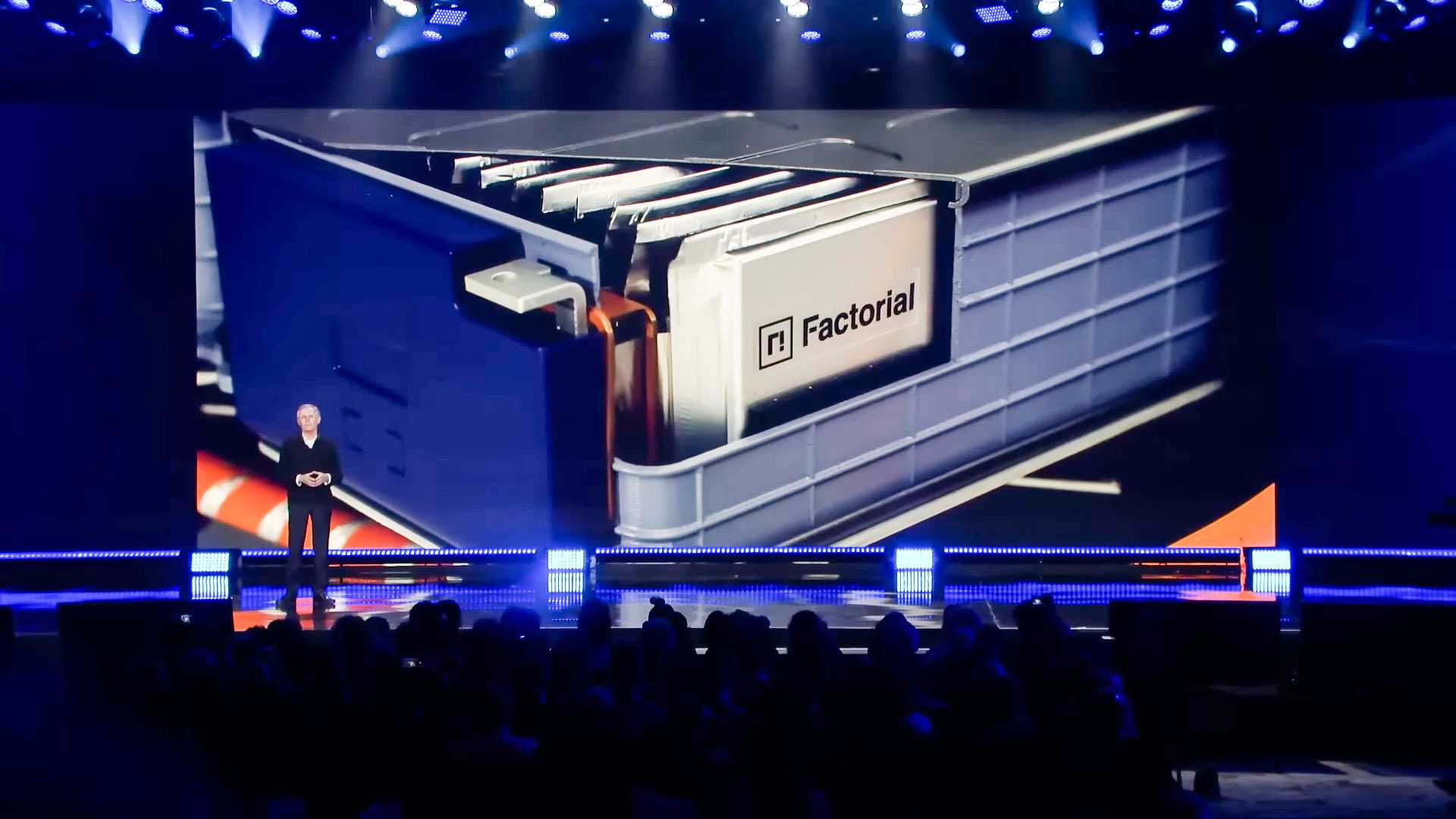
- Factorial’s product pipeline includes the FEST semi-solid-state battery (375 Wh/kg), already in prototype EVs and slated for commercialization by 2028 with Karma Automotive, and the Solstice all-solid-state cell, targeting 450 Wh/kg.
- The strategy underscores a growing industry consensus that the complexity of next-generation battery technology necessitates collective innovation rather than isolated development.
Innovating the Future of Electric Vehicles with Solid-State Batteries

The quest for safer, more efficient, and higher-performing batteries remains at the forefront of the global electric vehicle (EV) revolution. Amidst this intensive innovation, Massachusetts-based Factorial Energy is pioneering a collaborative strategy, assembling a diverse coalition of specialized battery developers and manufacturers. This concerted effort is designed to accelerate the long-anticipated market entry of all-solid-state batteries, a technology poised to redefine electric mobility.
Factorial Energy’s CEO, Siyu Huang, articulated this vision, emphasizing the inherent complexity of solid-state battery development. Speaking to InsideEVs, Huang stated, “We’re driving a very strong coalition among all of the supply chain.” This approach signals a departure from conventional, vertically integrated development models, acknowledging that the multifaceted challenges of advanced battery technology may exceed the capabilities of any single entity.
The Transformative Potential of Solid-State Technology

At its core, solid-state battery technology represents a fundamental shift from traditional lithium-ion batteries. While conventional lithium-ion cells rely on a highly flammable liquid chemical electrolyte to facilitate the movement of charge-carrying ions, solid-state batteries replace this liquid component with a solid material. This seemingly simple substitution carries profound implications for performance and safety.
Battery scientists and automotive engineers widely believe that this solid electrolyte can virtually eliminate the risk of thermal runaway and fire, a critical safety concern for current EV batteries. Beyond safety, solid-state batteries promise a substantial improvement in energy density, meaning more power can be packed into a smaller, lighter unit. This directly translates to extended driving ranges for electric vehicles and potentially faster charging speeds, addressing two of the primary limitations of existing EV technology.
Despite these compelling advantages, the path to commercializing solid-state batteries has been fraught with technical hurdles. Years of research and development have encountered challenges related to material stability, interfacial resistance between solid components, and manufacturability at scale. Meanwhile, conventional lithium-ion battery technology has continued its incremental advancements in range, charging efficiency, and cost reduction, maintaining its market dominance.
A Coalition-Driven Approach to Overcome Technical Hurdles
Factorial Energy’s strategic alliances are predicated on the belief that pooling specialized expertise is the most effective way to surmount these persistent technical obstacles. CEO Siyu Huang underscored this conviction, stating, “There are still significant technical challenges to unlock. It’s very important for us to go beyond the existing mindset and framework for lithium ion and focus on a technology that goes beyond.”
The company’s strategy involves meticulously assembling firms that possess deep specialization in critical battery components and processes. This includes expertise in anodes, cathodes, novel electrolytes, and advanced manufacturing techniques. By fostering a collaborative ecosystem, Factorial aims to synergize these individual strengths, accelerating the development cycle and ensuring a robust, scalable supply chain for solid-state batteries.
Strategic Partnerships Define Factorial’s Global Footprint
Factorial’s network of partnerships spans key regions, solidifying its position in the global race for next-generation battery technology. A recent joint development agreement with Japanese firm Mitsui Kinzoku is particularly significant, granting Factorial access to Mitsui’s proprietary solid electrolytes. This material is crucial for enhancing the performance of Factorial’s flagship Solstice all-solid-state battery.
Huang elaborated on the importance of this collaboration: “Having access to this material is very important to enhance the performance of this battery.” She added, “That’s why we’re able to get really strong performance and high temperature thermal stability, something we couldn’t get without them.” Factorial notes that Mitsui Kinzoku holds “foundational IP” for all-solid electrolytes, a testament to its specialized expertise.
Further strengthening its supply chain, Factorial is collaborating with Korean anode and cathode specialist Posco Future M. Discussions are also underway with SK On to explore scalable manufacturing solutions, signaling a proactive approach to mass production challenges. Beyond materials and manufacturing, Factorial has forged critical joint development agreements with prominent automotive industry players, including Volkswagen Group’s PowerCo battery division and the Hyundai Motor Group. A memorandum of understanding with Korea’s Phil Energy further addresses the development of advanced manufacturing tools.
These partnerships strategically position Factorial for broad market penetration. “We’re very well settled for both North American and European volumes,” Huang confirmed, highlighting the global scope and strategic positioning of its current agreements. While battery startups frequently leverage relationships with larger corporations for development and scaling, Factorial’s explicit acknowledgement of the collective effort required for all-solid-state batteries marks a notable industry shift.
Factorial’s Battery Portfolio: Semi-Solid and All-Solid Innovations
Factorial Energy’s innovation pipeline includes two primary battery platforms: the FEST semi-solid-state battery and the advanced Solstice all-solid-state cell. Both are fundamentally Nickel Manganese Cobalt (NMC) chemistries, engineered with anode-free lithium-metal cells. The key differentiator lies in their electrolyte composition.
The FEST semi-solid-state battery utilizes a gel-like electrolyte, offering a bridge between traditional liquid electrolytes and fully solid ones. This design is rated for an energy density of up to 375 watt-hours per kilogram (Wh/kg). The technology has already been integrated into prototype vehicles, including the Mercedes-Benz EQS and the Dodge Charger Daytona EVs, demonstrating its readiness for real-world application.
Factorial has indicated that its semi-solid-state technology is prepared for commercialization, with customer orders already secured. Karma Automotive, a California-based luxury electric vehicle manufacturer, is set to be the first to feature Factorial’s semi-solid battery in a production EV, with rollout anticipated in 2028. Additionally, the company secured its inaugural commercial aerospace purchase order for a drone battery earlier this summer, showcasing the versatility and broader applicability of its technology. Huang anticipates “large automotive OEMs” will integrate these batteries in the future, with specific timelines contingent on their unique requirements.
The Solstice all-solid-state cell represents the pinnacle of Factorial’s current development, targeting an even higher energy density of up to 450 Wh/kg. This figure is roughly double the energy density of many of today’s commercial lithium-ion cells, promising a significant leap in EV performance. Achieving this ambitious target is heavily reliant on Factorial’s collaboration with Mitsui Kinzoku for its specialized solid electrolyte materials.
The Global Race for Next-Generation EV Batteries
Factorial Energy is one of several companies fiercely competing to deliver the next breakthrough in EV battery technology. The landscape is crowded with ambitious startups, predominantly from the United States, such as California-based QuantumScape, Colorado-based Solid Power, and Illinois-based Pure Lithium, each pursuing their own unique approaches to solid-state development.
Beyond startups, established automotive giants and major battery manufacturers are also heavily invested in the segment. Toyota, a long-time proponent of solid-state research, continues its efforts, alongside Taiwan’s ProLogium. Leading Chinese battery makers, including CATL and BYD, are also channeling significant resources into cracking the solid-state code, recognizing its potential to reshape the global EV market.
The ultimate question of which developmental model – Factorial’s coalition-based approach or a more vertically integrated strategy – will emerge victorious remains unanswered. However, the sentiment expressed by Factorial’s CEO resonates broadly across the industry: “Battery innovation can’t be done by a single company,” Huang stated. “[It] is driven by the entire supply chain and, increasingly, by an entire industry coalition.” This outlook suggests that collaboration, rather than solitary genius, may be the key to unlocking the full potential of solid-state batteries for the future of sustainable transportation.
FAQ Section
Q1: What is a solid-state battery and how does it differ from traditional lithium-ion batteries?
A1: A solid-state battery replaces the flammable liquid electrolyte found in traditional lithium-ion batteries with a solid material. This change significantly enhances safety by reducing fire risk and offers the potential for higher energy density, leading to longer EV ranges, and faster charging capabilities compared to current battery technologies.
Q2: Why is Factorial Energy adopting a coalition approach for solid-state battery development?
A2: Factorial Energy believes that the technical complexities of developing and commercializing all-solid-state batteries are too vast for any single company to tackle alone. By forming a coalition, they aim to integrate specialized expertise from various partners across the supply chain, covering materials, components, and advanced manufacturing processes, to accelerate innovation and scalability.
Q3: Which major companies are partnering with Factorial Energy in this initiative?
A3: Factorial Energy has secured significant partnerships with key players. These include Mitsui Kinzoku for solid electrolytes, Posco Future M for anode and cathode materials, SK On for scaling technology, and prominent automotive groups such as Volkswagen PowerCo and Hyundai Motor Group for joint development and future integration into electric vehicles.
Q4: What are Factorial Energy’s primary battery products and their performance targets?
A4: Factorial offers the FEST semi-solid-state battery, featuring a gel-like electrolyte and targeting 375 Wh/kg energy density. Its advanced offering is the Solstice all-solid-state cell, which aims for an energy density of up to 450 Wh/kg, effectively doubling the performance of many current lithium-ion cells. Both utilize anode-free lithium-metal designs.
Q5: When can we expect Factorial Energy’s solid-state batteries to be in commercial vehicles?
A5: Factorial’s semi-solid-state technology is deemed ready for commercialization, with customer orders already secured. Karma Automotive is slated to be the first to incorporate Factorial’s semi-solid battery into a production EV by 2028. The company also recently received a commercial aerospace purchase order for drone batteries, indicating diverse market entry points.
Q6: How does Factorial’s strategy compare to other companies developing solid-state batteries?
A6: Unlike some competitors, such as QuantumScape or Solid Power, who may pursue a more vertically integrated development model, Factorial emphasizes a coalition strategy. This involves collaborating extensively with various specialized partners for different aspects of battery technology, believing that industry-wide cooperation is essential for bringing solid-state batteries to mass production successfully.
Q7: What are the main benefits of solid-state batteries for electric vehicles?
A7: The primary benefits of solid-state batteries for EVs include significantly enhanced safety due to the elimination of flammable liquid electrolytes, higher energy density leading to extended driving ranges, and the potential for faster charging times. These improvements address critical concerns for EV adoption and performance.
Q8: What challenges have hindered the development of solid-state batteries so far?
A8: Key challenges have included ensuring material stability and durability over many charge cycles, managing interfacial resistance between solid components to maintain efficient ion transfer, and scaling up production processes for these novel materials. These technical hurdles have slowed their widespread commercialization despite their promising theoretical advantages.