
Key Takeaways
- Mercedes-Benz has forged a new alliance with UK-based autonomous driving startup Wayve to develop advanced driver-assistance systems.
- The collaboration aims to introduce Wayve’s “AI Driver” technology for urban point-to-point driving assistance in Mercedes vehicles within two years.
- Wayve’s approach utilizes an end-to-end artificial intelligence system that reportedly does not require high-definition (HD) maps, setting it apart from some conventional methods.
- This new venture aligns Mercedes-Benz with the growing trend of automakers pursuing Tesla’s Full Self-Driving (Supervised)-like functionality.
- The partnership adds a new dimension to Mercedes-Benz’s existing collaborations, including its ongoing work with Nvidia on similar point-to-point systems.
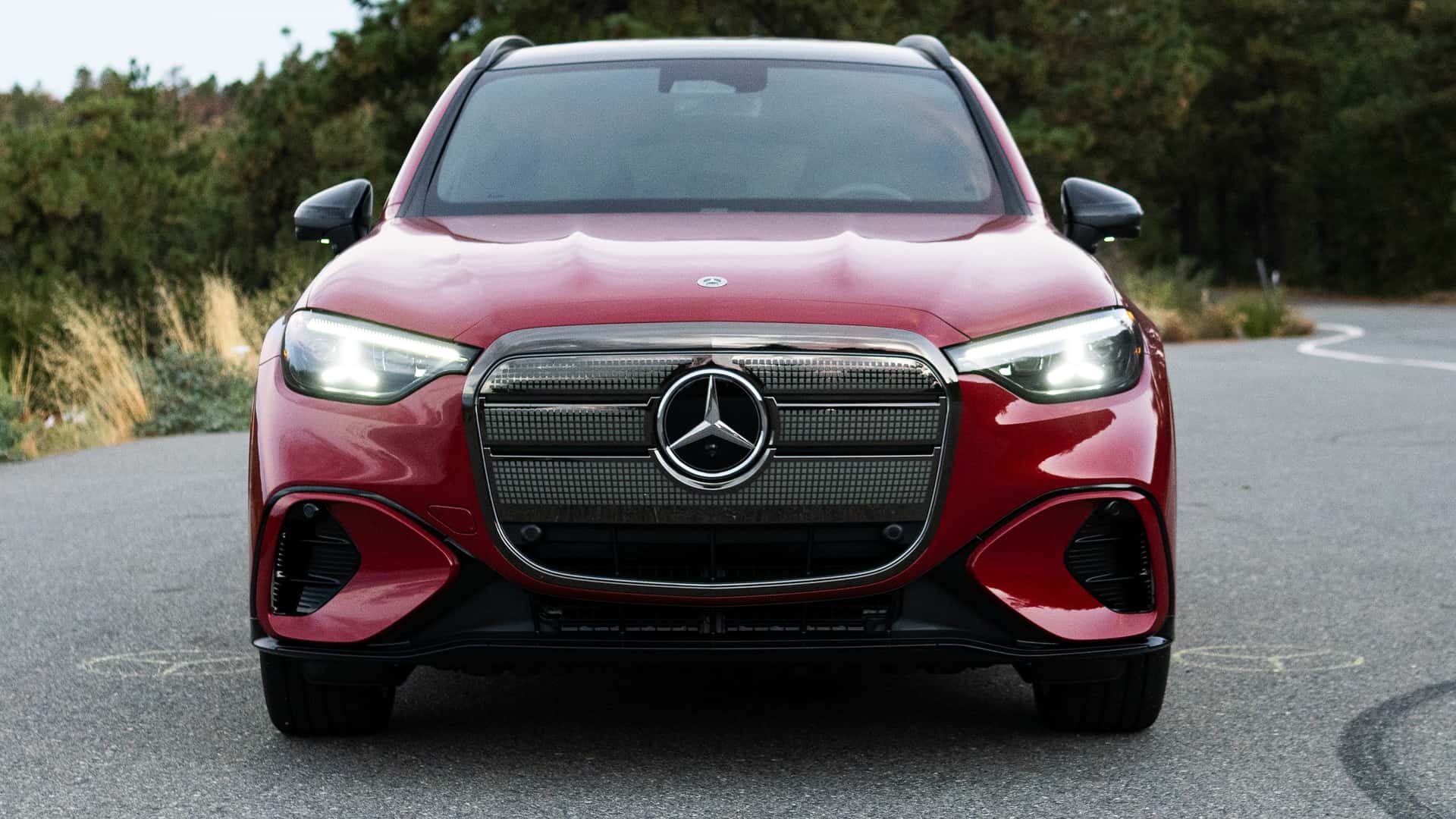
Stuttgart, Germany — Mercedes-Benz, a stalwart in automotive innovation, has announced a pivotal partnership with Wayve, a United Kingdom-based autonomous driving startup. This strategic alliance aims to integrate Wayve’s cutting-edge artificial intelligence into future Mercedes-Benz vehicles, promising to deliver advanced urban point-to-point driving assistance within the next two years.
The collaboration marks a significant step for Mercedes-Benz in its pursuit of next-generation autonomous driving capabilities, aligning it with a competitive landscape increasingly focused on comprehensive driver-assistance systems.
Revolutionising Driver Assistance with AI
At the core of this partnership is Wayve’s proprietary “AI Driver” technology. Unlike some traditional autonomous systems that rely heavily on meticulously detailed high-definition maps, Wayve champions an “end-to-end” approach. This methodology leverages deep learning and artificial intelligence to enable vehicles to perceive their environment, understand complex driving scenarios, and make real-time decisions directly from sensor data.
The adoption of an end-to-end AI system by a major automaker like Mercedes-Benz signals a potential shift in the development paradigm for advanced driver-assistance systems. This approach could offer greater flexibility and scalability, as it reduces dependence on constantly updated mapping infrastructure, which can be a significant logistical challenge.
The Pursuit of Point-to-Point Autonomy
The goal is to deploy an advanced urban point-to-point driving assistant. This functionality enables a vehicle to navigate from a specified origin to a destination, managing various complexities such as pedestrians, traffic lights, intersections, and other urban obstacles, all while under driver supervision. This ambition closely mirrors the capabilities offered by Tesla’s Full Self-Driving (Supervised) system, a benchmark in the industry.
For consumers, this translates into a more seamless and less fatiguing driving experience, particularly in congested city environments. The system is designed to handle intricate urban scenarios, allowing drivers to engage more actively with their journey’s purpose rather than the continuous micro-management of steering, acceleration, and braking.
Mercedes-Benz’s Strategic Vision and Existing Collaborations
While specific details regarding the markets for deployment and the initial vehicle models to receive this Wayve-powered technology remain undisclosed, the announcement underscores Mercedes-Benz’s multi-pronged strategy in the highly competitive advanced driver-assistance systems (ADAS) arena.
The German automotive giant already has a significant collaboration with Nvidia, aimed at developing its own point-to-point system. Mercedes-Benz had showcased MB.Drive Assist Pro last year, an Nvidia-based system touted to offer supervised point-to-point driving, including navigation through complex urban scenarios. The CLA model, which is currently available for sale, is expected to eventually feature this advanced technology.
This new deal with Wayve, an existing investor in the startup, builds upon a multi-year technical partnership. It suggests that Mercedes-Benz is strategically diversifying its technology suppliers and development pathways to accelerate its timelines and enhance its overall autonomous driving capabilities.
Pioneering ADAS: From Distronic to Drive Pilot
Mercedes-Benz has a storied history in the evolution of driver-assistance technology. The company was an early pioneer in radar-based cruise control, launching its renowned Distronic system on the S-Class in the late 1990s. This innovation set a precedent for modulating vehicle speed in response to the vehicle ahead, a fundamental feature in modern adaptive cruise control systems.
More recently, in 2023, Mercedes-Benz made headlines by becoming the first — and currently only — automaker in America to sell a Level 3 driver-assistance system that permits hands- and eyes-free operation under specific conditions. Known as Drive Pilot, this highly automated system functions on designated highways in California and Nevada at low speeds, marking a significant regulatory and technological milestone in vehicle autonomy.
However, the company reportedly paused the expansion of Drive Pilot earlier this year to refocus its efforts on its point-to-point project with Nvidia, indicating a strategic prioritization of supervised autonomy for broader driving scenarios.
The Broader Industry Landscape: A Race for Autonomy
The push for point-to-point driving assistants extends far beyond Mercedes-Benz. The automotive industry is witnessing a concerted effort from numerous manufacturers to develop and deploy similar highly automated features, often drawing comparisons to Tesla’s pioneering Full Self-Driving system. This intense competition is driving innovation in artificial intelligence and sensor fusion technologies.
Rivian, for instance, has announced plans to launch a point-to-point upgrade to its Autonomy+ system within the current year. Toyota is reportedly aiming to introduce its own Level 2++ feature by 2028, further intensifying the race. Hyundai has also partnered with Nvidia for near-term Level 2+ capabilities, concurrently developing its in-house Atria AI system for deployment later this decade. Lucid Motors is another premium EV manufacturer leveraging Nvidia’s technology for its advanced driver-assistance suites.
Wayve, the UK-based startup, has rapidly emerged as a significant player in this dynamic ecosystem. Beyond its expanded collaboration with Mercedes-Benz, the company has secured agreements with other major automotive groups, including Stellantis and Nissan, to integrate its autonomous driving technology into their future vehicle platforms. These partnerships underscore Wayve’s growing influence and the industry’s confidence in its AI-driven approach.
Challenges and Future Outlook for Advanced Driver-Assistance Systems
While the technological advancements in advanced driver-assistance systems are rapid, their widespread deployment faces several hurdles. Regulatory frameworks vary significantly across different regions, creating complexities for global automakers. Additionally, consumer trust and acceptance remain crucial factors. The transition from traditional human-driven vehicles to those with increasingly sophisticated autonomous capabilities requires robust safety validation and clear communication of system limitations.
The partnership between Mercedes-Benz and Wayve represents a strategic investment in the future of mobility. By combining Mercedes-Benz’s engineering prowess and luxury automotive heritage with Wayve’s innovative AI technology, both companies aim to deliver not just advanced driver-assistance systems, but a truly enhanced driving experience that prioritizes safety, convenience, and technological sophistication for the modern driver.
The coming two years will be critical for observing the practical implementation and real-world performance of these new Wayve-based systems, as they aim to redefine the benchmarks for urban autonomous driving capabilities.
Frequently Asked Questions (FAQ)
What is the new partnership between Mercedes-Benz and Wayve?
Mercedes-Benz has partnered with Wayve, a UK-based autonomous driving startup, to integrate Wayve’s “AI Driver” technology into future Mercedes vehicles. This collaboration aims to deliver advanced urban point-to-point driving assistance, similar to Tesla’s FSD, within the next two years, enhancing Mercedes-Benz advanced driver-assistance systems.
What kind of technology does Wayve use for autonomous driving?
Wayve employs an “end-to-end” artificial intelligence (AI) approach for its “AI Driver” system. This technology enables vehicles to learn and make driving decisions directly from raw sensor data, significantly reducing or eliminating the need for complex, high-definition (HD) maps often required by other autonomous driving solutions.
How does this new system compare to Tesla’s Full Self-Driving (Supervised)?
The Wayve-powered system is described as providing “advanced urban point-to-point driving assistance,” which aims to offer similar functionality to Tesla’s Full Self-Driving (Supervised). Both systems allow a vehicle to navigate from one point to another in urban environments with driver supervision, handling various traffic and road conditions.
Does Mercedes-Benz have other partnerships for autonomous driving technology?
Yes, Mercedes-Benz maintains an existing collaboration with Nvidia. This partnership is also focused on developing a point-to-point driver-assistance system, known as MB.Drive Assist Pro, which is expected to be integrated into models like the CLA. The Wayve deal complements these existing efforts.
What is Mercedes-Benz’s history with advanced driver-assistance systems?
Mercedes-Benz has a long history of pioneering ADAS, starting with its Distronic radar-based cruise control in the late 1990s. More recently, in 2023, it launched Drive Pilot, America’s first Level 3 hands- and eyes-free driver-assistance system for specific low-speed highway conditions in California and Nevada.
When can consumers expect to see Wayve’s technology in Mercedes vehicles?
Mercedes-Benz and Wayve plan to deploy the Wayve-based point-to-point driving assistant in Mercedes vehicles within the next two years. Specific launch details regarding markets and vehicle models are anticipated to be announced closer to the deployment date.
Why is point-to-point driving assistance a key focus for automakers?
Point-to-point driving assistance represents a significant leap towards full vehicle autonomy, offering enhanced convenience and safety by allowing vehicles to navigate complex routes and urban environments with minimal driver intervention. It addresses a broad range of everyday driving scenarios, making it a highly desirable feature for consumers and a key competitive differentiator for manufacturers.
Has Wayve partnered with other automotive companies?
Yes, Wayve has expanded its influence in the automotive sector through partnerships with other major manufacturers. Besides Mercedes-Benz, the startup has also struck deals to integrate its advanced autonomous driving technology into vehicles from Stellantis and Nissan, showcasing its growing recognition in the industry.