
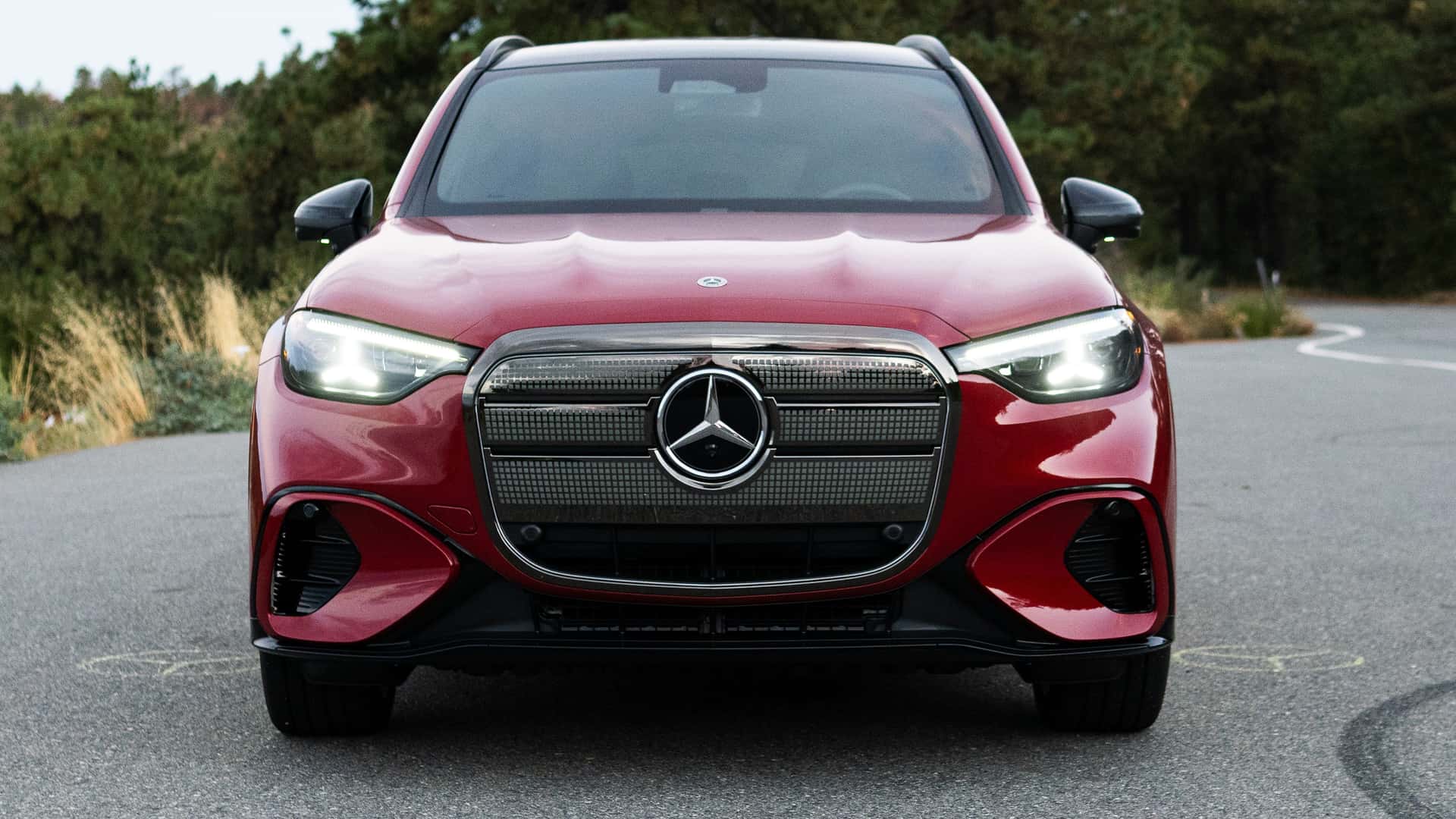
Mercedes-Benz, a stalwart in automotive innovation, has announced a significant partnership with Wayve, a pioneering UK-based autonomous-driving startup. This collaboration marks a pivotal step for the German luxury automaker as it intensifies its pursuit of advanced driver-assistance systems (ADAS) that offer comprehensive point-to-point navigation capabilities. The goal is to integrate Wayve’s “AI Driver” technology into Mercedes vehicles, aiming to deploy advanced urban point-to-point driving assistance within the next two years.
This strategic alliance positions Mercedes-Benz squarely in the race for advanced self-driving functionalities, drawing parallels to Tesla’s widely discussed Full Self-Driving (Supervised) system. The move underscores a broader industry trend towards developing highly sophisticated vehicle intelligence, designed to enhance safety, convenience, and the overall driving experience, thereby strengthening Mercedes-Benz’s position in the competitive automotive landscape.
Key Takeaways
- Mercedes-Benz is collaborating with UK-based Wayve to integrate its “AI Driver” technology into future vehicles.
- This partnership aims to deliver “advanced urban point-to-point driving assistance” within two years, akin to Tesla’s Full Self-Driving (Supervised).
- Wayve’s distinguishing approach is an end-to-end system that operates without reliance on high-definition (HD) maps.
- The initiative complements Mercedes’ existing long-term development efforts, including its collaboration with Nvidia for MB.Drive Assist Pro.
- This move signals Mercedes-Benz’s intensified focus on achieving comprehensive Level 2+ and potentially Level 3 autonomous capabilities in an increasingly competitive global automotive landscape.
A New Era of Driver Assistance: The Mercedes-Wayve Collaboration
The announcement on Tuesday confirmed that future Mercedes-Benz models will incorporate Wayve’s cutting-edge technology. This integration is designed to enable “advanced urban point-to-point driving assistance,” promising a user experience where the vehicle can navigate complex city environments from a specified starting point to a destination, albeit under human supervision. The timeline for this deployment is ambitious, with both companies targeting an introduction within a two-year window, reflecting a rapid advancement in driver assistance technology.
Wayve, recognized for its innovative approach to autonomous driving, emphasizes an “end-to-end” method to automated driving. Crucially, this system is designed to operate without the need for high-definition (HD) maps. This characteristic could offer significant advantages in terms of scalability and adaptability, potentially allowing for quicker deployment across diverse geographies without the extensive and costly mapping efforts traditionally associated with advanced autonomous systems.
The collaboration between Mercedes and Wayve is not entirely new; Wayve counts Mercedes-Benz as an investor, signaling a deeper relationship. The recent agreement formalizes and expands this existing synergy, as Wayve stated that this deal “builds on a multi-year technical partnership.” This deep-rooted connection highlights the trust and shared vision between the two entities in advancing self-driving solutions.
Navigating a Complex Landscape: Mercedes’ Dual Strategy
The announcement inevitably raises questions about how this new collaboration, where Mercedes taps Wayve for its AI expertise, integrates with Mercedes-Benz’s existing long-term strategies in autonomous driving. For instance, Mercedes already maintains a significant partnership with Nvidia, aimed at delivering its own point-to-point system. Last year, the Stuttgart-based automaker showcased MB.Drive Assist Pro, an Nvidia-based system touted to offer full navigation to a destination under driver supervision, adept at handling complex scenarios involving pedestrians and traffic signals.
While the Mercedes-Benz CLA is currently available for purchase, the MB.Drive Assist Pro system has yet to reach customer vehicles. This dual approach signifies the inherent complexities and multifaceted nature of developing robust self-driving technology. It suggests Mercedes is exploring multiple avenues and leveraging diverse expertise to accelerate its autonomous driving roadmap, ensuring resilience and comprehensive coverage in its technological offerings within the advanced driver-assistance systems domain.
The Race for Autonomous Driving: Industry-Wide Shifts
Mercedes-Benz has historically been a trailblazer in driver assistance technology. In the late 1990s, it introduced its pioneering radar-based Distronic cruise control system on the S-Class, which dynamically adjusted vehicle speed based on traffic flow. This demonstrated an early commitment to enhancing driving convenience and safety.
More recently, in 2023, Mercedes-Benz achieved a significant milestone by becoming the first automaker in America to offer a Level 3 driver-assistance system that permits hands- and eyes-free operation under specific conditions. Known as Drive Pilot, this system was approved for use on certain highways in California and Nevada at low speeds, marking a crucial step towards higher levels of automation and setting a benchmark in regulated autonomous capabilities.
However, the competitive landscape is rapidly evolving, with a clear industry-wide shift towards point-to-point driving assistants, a domain where Elon Musk’s Tesla FSD has set a significant benchmark. Earlier this year, Mercedes-Benz reportedly paused the expansion of its Drive Pilot system, redirecting its focus and resources towards its point-to-point initiatives, particularly those in development with Nvidia, highlighting the dynamic nature of automotive technological priorities.
Other major automotive players are also intensifying their efforts in this critical sector. Rivian, for example, is slated to launch a point-to-point upgrade to its Autonomy+ system within the current year, indicating a swift move towards advanced capabilities. Toyota has reportedly outlined plans to introduce its own Level 2++ feature by 2028, showcasing a long-term strategic vision. Hyundai has engaged Nvidia for near-term Level 2+ capabilities, concurrently developing its proprietary Atria AI system for deployment later in the decade. Luxury EV manufacturer Lucid is also leveraging Nvidia’s technology for its advanced driver-assistance features, underscoring the widespread adoption of AI-powered solutions in the automotive industry.
Wayve’s Growing Influence in the ADAS Sector
Wayve’s partnership with Mercedes-Benz is not an isolated success but rather indicative of its growing stature as a significant player in the advanced driver-assistance systems sector. Over the past year, the UK-based startup has successfully forged similar strategic alliances with other prominent global automakers, including Stellantis and Nissan, cementing its reputation as a key innovator.
These collaborations underscore Wayve’s technological prowess and its ability to attract and partner with industry giants, further solidifying its position in the rapidly evolving autonomous vehicle landscape. Its end-to-end AI-driven approach, which notably eschews reliance on traditional HD-maps, is proving particularly attractive to manufacturers looking for scalable and efficient solutions that can be rapidly deployed across different markets.
The Road Ahead for Mercedes-Benz
The path to widespread autonomous driving is complex and multifaceted, requiring immense computational power, sophisticated software, and extensive real-world testing. By strengthening its capabilities through this partnership where Mercedes taps Wayve for its advanced “AI Driver” technology, Mercedes-Benz is strategically diversifying its approach, leveraging external expertise while continuing its robust internal development efforts.
This dual-pronged strategy could enable the luxury brand to accelerate the deployment of highly capable driver-assistance features, addressing both urban driving challenges and broader highway automation needs. The coming two years will be critical in observing how this integration unfolds and how Mercedes-Benz positions itself in the increasingly competitive frontier of intelligent mobility, aiming to deliver enhanced safety and driving convenience to its global customer base.
Frequently Asked Questions (FAQ)
Q1: What is the primary goal of the Mercedes-Benz and Wayve partnership?
A1: The partnership aims to integrate Wayve’s “AI Driver” technology into Mercedes-Benz vehicles, enabling “advanced urban point-to-point driving assistance” within two years. This system will guide cars through complex urban environments under driver supervision, enhancing the driving experience.
Q2: How does Wayve’s technology differ from other autonomous driving systems?
A2: Wayve utilizes an “end-to-end” artificial intelligence approach for automated driving. A key differentiator is its ability to operate without requiring high-definition (HD) maps, potentially offering greater scalability and flexibility in deployment across various regions and reducing mapping costs.
Q3: How does this new deal affect Mercedes-Benz’s existing collaboration with Nvidia?
A3: The Wayve partnership complements Mercedes-Benz’s ongoing collaboration with Nvidia for its MB.Drive Assist Pro system. This signifies a dual-track strategy to accelerate the development and deployment of advanced point-to-point driving assistance features, showcasing a comprehensive approach.
Q4: Has Mercedes-Benz offered advanced driver-assistance systems before?
A4: Yes, Mercedes-Benz has a long history, including introducing radar-based Distronic cruise control in the late 1990s. In 2023, it also launched Drive Pilot, America’s first Level 3 system, allowing hands- and eyes-free driving on specific highways at low speeds under certain conditions.
Q5: What is “point-to-point driving assistance”?
A5: Point-to-point driving assistance refers to a system that can autonomously navigate a vehicle from a specified starting location to a destination, managing various driving scenarios like traffic, pedestrians, and intersections, typically with driver supervision (Level 2+ autonomy).
Q6: Which other automakers are partnering with Wayve?
A6: Beyond Mercedes-Benz, Wayve has secured partnerships with other major global automotive manufacturers, including Stellantis and Nissan, indicating its growing influence and the perceived value of its AI-driven autonomous driving technology within the competitive ADAS market.