
Key Takeaways:
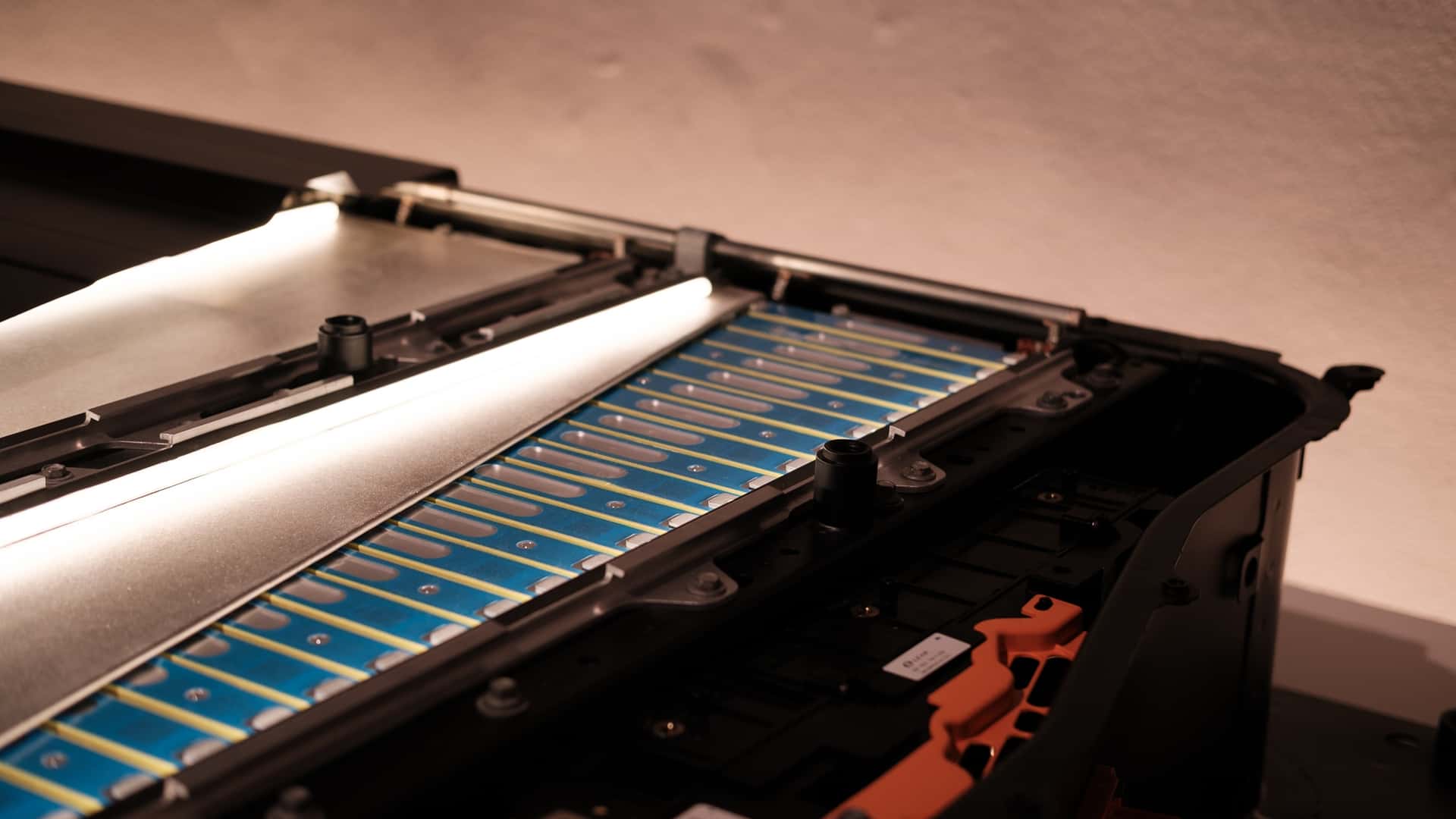
- General Motors has officially designated its Ultium Cells joint venture plant in Spring Hill, Tennessee, as the primary site for the mass production of its advanced lithium-manganese-rich (LMR) EV battery cells.
- Factory upgrades are scheduled to commence in late 2024, with full completion and mass production slated for 2028, positioning Spring Hill as the world’s first plant to mass-produce prismatic LMR cells.
- These innovative LMR batteries are projected to deliver over 400 miles of EPA range, specifically targeting GM’s full-size electric trucks and SUVs.
- The new chemistry promises a 33% increase in range compared to current lithium-iron-phosphate (LFP) batteries, at a comparable manufacturing cost.
- This strategic shift aims to significantly reduce reliance on expensive and environmentally sensitive cobalt and nickel by leveraging a higher proportion of more readily available manganese.
- The move reinforces General Motors’ comprehensive multi-chemistry battery strategy, balancing performance, cost-efficiency, and sustainable material sourcing across its growing electric vehicle portfolio.
General Motors has announced a significant stride in its electric vehicle (EV) expansion plans, confirming the production site for its highly anticipated lithium-manganese-rich (LMR) battery cells. The automaker revealed that its Ultium Cells joint venture facility with LG Energy Solution, located in Spring Hill, Tennessee, will be responsible for the mass production of this crucial next-generation EV battery technology.
This declaration marks a pivotal moment for General Motors, as it publicly identifies a manufacturing location for its advanced battery chemistry for the first time. The decision underscores the company’s commitment to diversifying its battery portfolio and enhancing the performance and cost-effectiveness of its electric vehicle offerings.
The Dawn of LMR: Understanding General Motors’ Next-Gen EV Battery Technology
The introduction of the LMR battery chemistry represents a strategic evolution in electric vehicle power units. General Motors has been actively developing this technology, aiming to strike an optimal balance between range, cost, and material sustainability. The confirmation of a dedicated production site accelerates the journey of these cells from research and development to commercial deployment.
Prismatic Cells and Production Hub
Preparations for the new battery production will involve substantial upgrades to the Spring Hill plant. These enhancements are expected to begin towards the end of this year, with an ambitious timeline targeting completion by 2028. This facility is poised to achieve a global first, becoming the initial plant worldwide to mass-produce prismatic LMR cells.
Prismatic cells, known for their compact, rectangular shape, offer advantages in packaging efficiency and thermal management within battery packs. This design choice, combined with the LMR chemistry, highlights General Motors’ commitment to maximizing both performance and integration within its Ultium platform.
A Strategic Shift in Battery Chemistry
The core innovation behind General Motors’ next-gen EV battery lies in its chemical composition. While sharing similarities with traditional nickel-manganese-cobalt (NMC) cells, LMR chemistry significantly reduces the reliance on cobalt and nickel. These elements, though essential for high energy density, are often costly and subject to complex supply chains and environmental concerns.
Instead, the LMR battery leverages a much higher percentage of manganese. This strategic material substitution is designed to make the battery more sustainable, easier to source, and less expensive to mine and process. This chemical adjustment is critical for achieving General Motors’ broader goals of accessible and high-performing EVs.
Performance Benchmarks and Vehicle Integration
General Motors anticipates that its LMR battery technology will deliver substantial improvements in vehicle performance, particularly for larger electric models. The automaker projects that EVs equipped with these new batteries will provide impressive driving ranges, directly addressing a key concern for potential EV buyers.
Boosting Range for Larger EVs
The LMR chemistry is expected to yield a 33% increase in range compared to the company’s current lithium-iron-phosphate (LFP) batteries. This significant enhancement is especially crucial for General Motors’ full-size trucks and SUVs, which typically demand higher energy capacities due to their size and utility. The company states that vehicles utilizing these LMR batteries will deliver an EPA range exceeding 400 miles.
This projected range positions General Motors’ next-gen EV battery as a compelling option for consumers seeking long-distance capability and the practicality of large electric vehicles, directly competing with and potentially surpassing existing offerings in the market segment dominated by traditional internal combustion engine vehicles.
The Cost-Efficiency Equation
Despite the superior range, General Motors emphasizes that the LMR battery will maintain a cost profile nearly identical to that of LFP batteries. This cost parity is a critical factor in making larger, long-range electric vehicles more economically viable and accessible to a wider consumer base. By offering enhanced performance without a proportional increase in cost, GM aims to accelerate EV adoption.
The ability to achieve superior driving range at a similar cost to LFP batteries represents a substantial technological and economic breakthrough. This efficiency is largely attributable to the reduced dependence on expensive critical minerals like cobalt and nickel, and the increased use of more affordable and abundant manganese.
The Ultium Ecosystem and Manufacturing Prowess
The production of General Motors’ next-gen EV battery is deeply embedded within the company’s broader Ultium platform strategy, a flexible architecture designed to underpin a wide range of electric vehicles. The Spring Hill facility, part of the Ultium Cells joint venture, plays a central role in this ambitious undertaking.
Joint Venture with LG Energy Solution
The Ultium Cells joint venture with LG Energy Solution is a cornerstone of General Motors’ battery manufacturing strategy. This partnership combines GM’s automotive expertise with LG Energy Solution’s extensive experience in battery technology and production. The collaboration is essential for scaling up manufacturing capabilities and bringing advanced battery chemistries like LMR to market efficiently.
Beyond the LMR initiative, the Ultium Cells venture is also responsible for manufacturing lithium-iron phosphate batteries, primarily for energy storage systems. This dual focus demonstrates the venture’s versatility and its role in supplying various energy solutions within and beyond the automotive sector, further solidifying the domestic battery supply chain.
Global Production Firsts
The decision to make Spring Hill the world’s first plant to mass-produce prismatic LMR cells highlights the strategic importance of this location. It signifies a major investment in domestic manufacturing capabilities and positions the United States at the forefront of advanced battery technology production. This localized production is vital for reducing supply chain risks and fostering innovation within North America.
General Motors’ detailed approach, including a comprehensive tour of its Warren, Michigan R&D facility last year where these cells were being developed, showcases the meticulous process from initial research to full-scale production. This transparency reinforces the credibility and readiness of the technology for market introduction.
Resource Sourcing and Sustainability Implications
The shift towards LMR batteries by General Motors is not merely about performance and cost; it also carries significant implications for resource sourcing and the overall sustainability of electric vehicle production. The strategic choice of materials aims to address some of the persistent challenges in the EV supply chain.
Reducing Reliance on Critical Minerals
Cobalt and nickel have been central to high-performance EV batteries, but their sourcing often involves ethical concerns, geopolitical complexities, and price volatility. By designing a battery chemistry that uses a far lower percentage of these elements, General Motors is taking a proactive step to mitigate these risks. This reduction contributes to a more stable and resilient supply chain for General Motors’ next-gen EV battery.
This approach aligns with broader industry efforts to find alternative battery chemistries that are less dependent on rare or problematic materials. It also demonstrates a commitment to more responsible sourcing practices, which is increasingly important for consumers and regulatory bodies worldwide.
Manganese: A Key Element for Future EVs
Manganese emerges as a crucial component in the LMR battery, offering a more abundant and cost-effective alternative to cobalt and nickel. General Motors has indicated that manganese is easier to source and requires less intensive and costly processing. This makes the production of LMR batteries more environmentally friendly and economically attractive.
The strategic incorporation of manganese supports the goal of creating more affordable electric vehicles without compromising on range or performance. This material choice could set a precedent for future battery development, encouraging a broader industry pivot towards more sustainable mineral utilization.
General Motors’ Multi-Chemistry Battery Strategy
General Motors is adopting a multi-pronged approach to battery technology, recognizing that no single chemistry can optimally serve its entire diverse lineup of electric vehicles. The LMR battery is designed to fit a specific and crucial segment within this broader strategy.
Tailoring Power for Diverse Needs
Within GM’s portfolio, NMC batteries will continue to power EVs requiring the absolute highest driving range and performance. These premium vehicles will benefit from the maximal energy density that NMC offers. In contrast, low-cost LFP cells will address entry-level segments and specialized applications where affordability and durability are paramount.
The LMR battery will strategically slot between these two existing chemistries. It is positioned to offer a superior driving range compared to LFP cells, with comparable cost, while not quite reaching the ultra-premium performance of NMC. This tiered approach allows General Motors to tailor battery solutions precisely to the requirements and price points of different vehicle segments, from compact EVs to heavy-duty trucks.
Looking Towards 2028: The Road Ahead
The rollout of the first General Motors’ next-gen EV battery-equipped vehicles is anticipated in 2028. This timeline allows for the comprehensive factory upgrades at Spring Hill and rigorous testing to ensure the technology meets GM’s stringent quality and safety standards. The successful deployment of these LMR batteries could significantly alter the economic landscape for large electric SUVs and trucks.
As the automotive industry continues its rapid transition to electrification, General Motors’ strategic investments in diverse battery chemistries, coupled with localized mass production, position the company strongly for future growth. The LMR battery represents a critical advancement in making high-performance, cost-effective, and sustainably sourced electric vehicles a widespread reality.
Frequently Asked Questions (FAQ)
What are General Motors’ next-gen EV batteries made of?
General Motors’ next-gen EV batteries primarily utilize a lithium-manganese-rich (LMR) chemistry. This formulation significantly increases the proportion of manganese while reducing the amount of more expensive and challenging-to-source cobalt and nickel, aiming for a more sustainable and cost-effective solution without compromising performance.
Where will these LMR batteries be mass-produced?
The mass production of General Motors’ LMR batteries will take place at the Ultium Cells joint venture plant with LG Energy Solution, located in Spring Hill, Tennessee. This facility is undergoing significant upgrades, with mass production of these prismatic cells expected to commence by 2028.
What are the key advantages of LMR batteries?
LMR batteries offer several advantages, including a projected 33% more range than current LFP batteries, aiming for over 400 miles EPA range in larger vehicles. They also promise cost parity with LFP cells and reduce reliance on critical minerals like cobalt and nickel, making them more sustainable and cost-efficient.
Which GM vehicles will use the LMR batteries?
General Motors intends to deploy the LMR batteries primarily in its full-size electric trucks and SUVs. This strategic allocation aims to provide these larger vehicles with the necessary long-distance range and performance, catering to consumer demand for capable and efficient electric utility vehicles.
How does LMR fit into GM’s overall battery strategy?
GM’s strategy involves a multi-chemistry approach. LMR batteries will slot between the high-performance nickel-manganese-cobalt (NMC) batteries, used for maximum range, and the low-cost lithium-iron-phosphate (LFP) cells. This allows GM to optimize cost, range, and material use across its diverse EV lineup.
When can consumers expect LMR-equipped EVs?
General Motors anticipates that the first electric vehicles equipped with the new lithium-manganese-rich battery cells will begin rolling out to consumers in 2028. This timeline aligns with the completion of the factory upgrades and the full ramp-up of mass production at the Spring Hill plant.