
Key Takeaways:
- General Motors (GM) has announced its Spring Hill, Tennessee, Ultium Cells joint venture plant will be the mass production site for its next-generation lithium-manganese-rich (LMR) electric vehicle batteries.
- The advanced LMR chemistry, a collaborative effort with LG Energy Solution, is projected to deliver 33% more range than current lithium-iron-phosphate (LFP) batteries. This innovation targets over 400 miles of EPA range in GM’s full-size electric trucks and SUVs.
- Slated for rollout in electric vehicles (EVs) by 2028, these new batteries represent a significant step in sustainable and cost-effective EV manufacturing, reducing reliance on expensive raw materials like cobalt and nickel by utilizing a higher percentage of manganese.
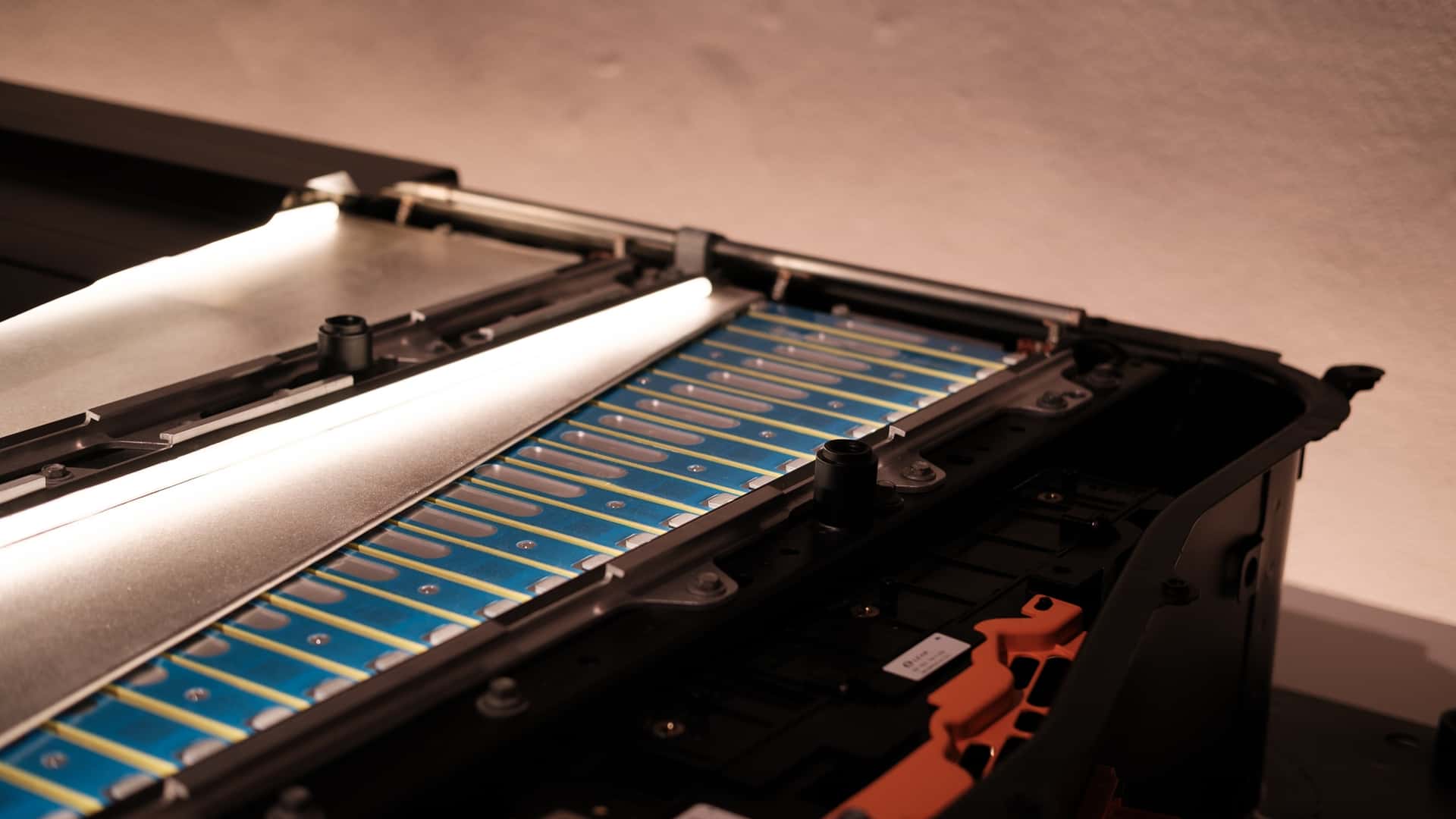
In a significant stride towards its ambitious electric vehicle future, General Motors has officially confirmed the mass production location for its cutting-edge lithium-manganese-rich (LMR) battery cells. The automaker announced that its Ultium Cells joint venture facility with LG Energy Solution in Spring Hill, Tennessee, will undertake the manufacturing of these next-generation EV batteries.
This marks the first public acknowledgment of a specific production site for GM’s innovative LMR battery technology. The strategic move underscores the company’s commitment to scaling its EV portfolio while enhancing battery performance and sustainability.
Spring Hill: The Cradle of Next-Gen EV Battery Production
The Ultium Cells plant in Spring Hill, Tennessee, is poised to become a global pioneer in advanced battery manufacturing. Factory upgrades for LMR cell production are slated to commence by the end of this year, with completion anticipated by 2028.
This facility is set to be the first in the world to mass-produce prismatic LMR cells, signaling a pivotal moment for both General Motors and the broader electric vehicle industry. The investment in upgrading this joint venture plant highlights the strategic importance of domestic battery manufacturing for GM’s long-term EV goals.
The Ultium Cells joint venture, a collaboration between General Motors and LG Energy Solution, plays a crucial role in GM’s electric vehicle strategy. Beyond the new LMR batteries, this partnership is also responsible for producing lithium-iron phosphate (LFP) batteries, which are currently utilized in energy storage systems.
Unveiling Lithium-Manganese-Rich Battery Technology
The LMR battery chemistry represents a critical advancement in electric vehicle power units. General Motors expects these batteries to deliver substantially improved performance metrics, directly impacting the usability and appeal of its upcoming EV lineup.
Specifically, the LMR chemistry is projected to offer 33% more range compared to the currently dominant lithium-iron-phosphate (LFP) batteries. This significant enhancement in energy density translates directly into extended driving capabilities for electric vehicles.
Enhanced Range and Strategic Application
General Motors intends to integrate these advanced LMR batteries into its full-size electric trucks and SUVs. For these larger vehicles, the automaker targets an impressive EPA range of more than 400 miles, addressing a key consumer demand for long-distance travel capabilities in utility vehicles.
The ability to achieve such a substantial range with LMR technology is crucial for the adoption of electric trucks and SUVs, which often require greater power and endurance due to their size and hauling capacities. This positions LMR batteries as a premium solution for specific segments within GM’s EV offerings.
Chemistry and Cost Advantages
At its fundamental level, LMR battery technology shares similarities with traditional nickel-manganese-cobalt (NMC) cells. However, a key differentiator lies in its composition: LMR batteries utilize a significantly lower percentage of cobalt and nickel.
These materials are known for being both expensive and challenging to source, often raising environmental and ethical concerns related to mining practices. Instead, LMR batteries incorporate a much higher percentage of manganese, a metal that General Motors identifies as easier to source and less costly to mine and process.
This shift in material composition allows LMR batteries to offer a compelling economic advantage. General Motors anticipates that the LMR battery will boast a cost profile nearly identical to that of LFP batteries, despite providing superior driving range capabilities.
This cost-effectiveness, combined with enhanced performance, positions LMR as a strategic middle ground in the evolving landscape of EV battery technologies.
GM’s Comprehensive Battery Strategy
General Motors’ embrace of LMR technology is part of a multi-pronged battery strategy designed to cater to diverse market needs and vehicle segments. The company’s battery hierarchy positions LMR cells strategically within its broader portfolio.
While nickel-manganese-cobalt (NMC) batteries will continue to power GM EVs requiring the absolute highest driving range and performance, LMR cells are designed to slot in between these premium offerings and the more cost-effective LFP (lithium-iron-phosphate) cells. LFP batteries are predominantly used in entry-level EVs and energy storage solutions due to their lower cost and long cycle life.
This layered approach allows GM to optimize battery selection based on vehicle type, desired range, and cost targets, offering a versatile range of electric vehicles to consumers. The development of LMR batteries at the Warren, Michigan, R&D facility, which was showcased to InsideEVs last year, highlights the extensive research underpinning this strategic diversification.
Future Outlook and Market Implications
The rollout of General Motors EVs equipped with LMR cells is projected to begin in 2028. This timeline suggests a concerted effort to integrate this advanced battery technology into the next wave of GM’s electric vehicle offerings.
The impact of LMR batteries on the economics of operating large electric SUVs and trucks could be substantial. By offering a compelling balance of extended range and competitive pricing, LMR technology has the potential to make these larger EV segments more accessible and appealing to a wider consumer base.
This strategic move comes as General Motors continues to balance its substantial investments in traditional gasoline-powered trucks with its aggressive push into the electric vehicle market. The advancement of battery technology, particularly in areas of cost reduction and range improvement, is paramount to achieving widespread EV adoption and solidifying GM’s position as a leader in the electric future of mobility.
FAQ Section
What is an LMR battery?
An LMR (lithium-manganese-rich) battery is a next-generation electric vehicle battery chemistry developed by General Motors and LG Energy Solution. It utilizes a higher proportion of manganese and reduced amounts of cobalt and nickel, aiming for improved range and cost-efficiency in EVs.
Where will GM’s LMR batteries be mass-produced?
General Motors has confirmed that its lithium-manganese-rich (LMR) batteries will be mass-produced at the Ultium Cells joint venture plant with LG Energy Solution located in Spring Hill, Tennessee. This facility will undergo significant upgrades starting in late 2023.
When are LMR-equipped EVs expected to be available?
Electric vehicles featuring General Motors’ new LMR battery cells are expected to begin rolling out to consumers by 2028. This coincides with the anticipated completion of the factory upgrades at the Spring Hill plant for mass production.
What are the key advantages of LMR batteries?
LMR batteries offer several advantages, including an estimated 33% more range than LFP batteries, making them suitable for full-size trucks and SUVs. They are also designed to be more cost-effective and easier to source due to a higher manganese content, reducing reliance on expensive cobalt and nickel.
How do LMR batteries compare to other EV battery types?
LMR batteries are positioned to bridge the gap between high-performance nickel-manganese-cobalt (NMC) batteries and lower-cost lithium-iron-phosphate (LFP) batteries. They offer superior range compared to LFP cells at a similar cost, while being more sustainable than traditional NMC options.