
Key Takeaways
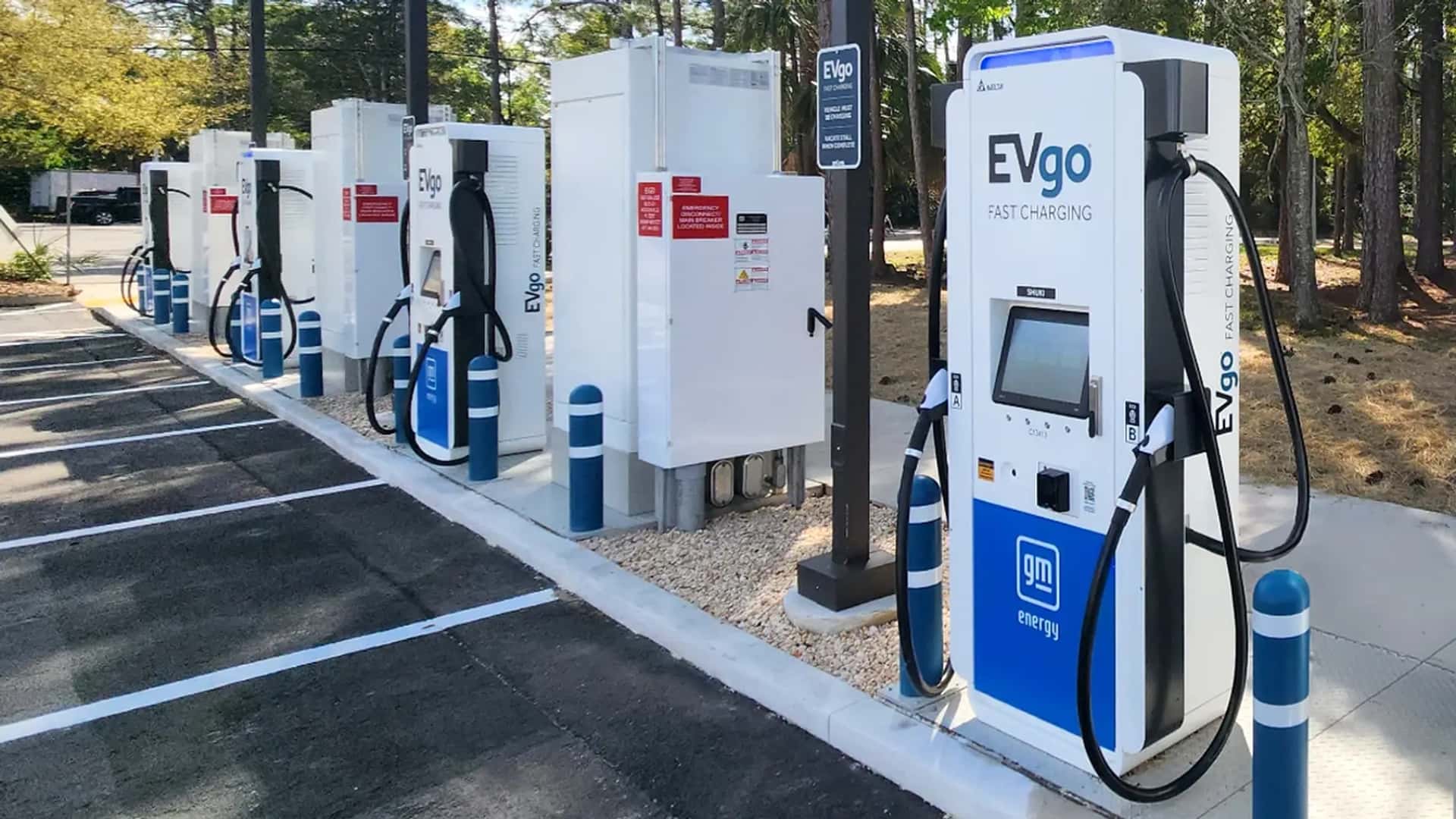
- EVgo, a leading U.S. EV charging network, is developing 750 kW fast chargers, doubling its current maximum output.
- These next-generation stalls will feature dynamic power sharing, optimizing charging speeds for various electric vehicles simultaneously.
- The company plans to significantly increase the deployment of NACS ports at new stations, expanding its addressable market.
- The high-powered system is projected to enable 10-minute charging sessions for the fastest-charging EVs.
- EVgo’s innovation reflects a strategic move to future-proof its infrastructure amid rapid electric vehicle advancements and a growing demand for robust EV charging network expansion.
In a significant development poised to reshape the electric vehicle (EV) landscape across the United States, EVgo, one of the nation’s largest public EV charging networks, has announced plans to deploy next-generation fast chargers capable of delivering an unprecedented 750 kilowatts (kW) of power. This substantial upgrade will more than double the capacity of its existing 350 kW offerings, marking a pivotal moment in the ongoing EV charging network expansion.
The pioneering initiative sees EVgo leveraging its in-house expertise, with the new chargers currently undergoing rigorous design, development, and testing at the company’s state-of-the-art Innovation Lab located in El Segundo, California. This commitment to internal hardware development underscores EVgo’s leadership in advancing charging technology.
Revolutionizing Charging Technology
While specific design details of EVgo’s latest DC fast chargers remain under wraps, the company has revealed several crucial features set to enhance the user experience. A key innovation is the integration of a touchless payment interface, designed to streamline transactions and eliminate the need for drivers to download a dedicated smartphone application to initiate charging sessions.
Furthermore, the new hardware will incorporate dynamic power sharing capabilities. This advanced system intelligently allocates optimal power to each connected EV, ensuring maximum charging efficiency regardless of the vehicle type. For instance, if a high-capacity Lucid Gravity and a Tesla Model 3 simultaneously utilize the same stall, the system will dynamically adjust, potentially delivering 400 kW to the Gravity and 250 kW to the Model 3, optimizing throughput for both.
Future-Proofing the Charging Infrastructure
This strategic move by EVgo is not merely an incremental upgrade but a forward-thinking step towards future-proofing the national EV charging network expansion. Although no EVs currently sold in the United States can accept the full 750 kW output, the industry is rapidly evolving. Internationally, electric vehicles capable of accepting 1,000 kW or more are already emerging, signalling the direction of future battery technology.
The increased power output positions EVgo’s network to accommodate the next generation of electric vehicles, particularly electric trucks, which require substantial power to rapidly recharge their large battery packs. While the station’s physical design to accommodate these larger rigs is yet to be confirmed, the charging capacity itself aligns with the needs of heavy-duty electric transport.
Expanding Access with NACS Integration
In parallel with the hardware advancements, EVgo is committed to boosting the deployment of North American Charging Standard (NACS) ports across its new stations. This initiative is expected to significantly broaden the network’s accessibility, effectively doubling its addressable market in the near future as more automakers adopt the NACS standard.
For American EV drivers, these innovations translate into tangible benefits. The company estimates that its new 750 kW system will facilitate ultra-fast charging sessions, potentially enabling a full charge in approximately 10 minutes for the fastest-charging vehicles currently available in the country.
Impact on the US EV Market
Despite some perceptions that the U.S. lags behind other developed nations in vehicle electrification, the domestic market continues to offer a robust selection of fast-charging electric vehicles. These vehicles stand to gain immensely from EVgo’s high-powered stalls, significantly reducing range anxiety and enhancing the overall convenience of EV ownership.
The details surrounding the final design and initial deployment schedule for the 750 kW system are anticipated to be unveiled next year, with the first stations expected to go online shortly thereafter. This development is crucial for maintaining momentum in EV charging network expansion efforts across the United States.
EVgo’s Current Footprint and Future Vision
Currently, EVgo operates a substantial network of nearly 2,000 DC fast charging stations throughout the United States. According to data from the Department of Energy’s Alternative Fuels Data Center (AFDC), these stations collectively offer more than 5,300 individual charging ports. This widespread infrastructure provides a solid foundation for integrating the new, more powerful charging technology.
The move to 750 kW chargers is a clear indication of EVgo’s vision for a more efficient and accessible electric future. By investing in advanced hardware and expanding compatibility, the company is playing a critical role in alleviating infrastructure concerns and fostering greater adoption of electric vehicles nationwide. This strategic upgrade is not just about faster charging; it’s about building a resilient and future-ready EV charging ecosystem.
FAQ Section
What is the maximum power output of EVgo’s new chargers?
EVgo’s next-generation chargers will be capable of delivering up to 750 kilowatts (kW) of power. This represents a significant increase, more than doubling their current maximum offering of 350 kW, to support the growing demands of modern and future electric vehicles.
What is dynamic power sharing and how does it benefit EV drivers?
Dynamic power sharing is a technology that intelligently allocates the maximum power each connected EV can handle from a single charging stall. This ensures that different vehicles, regardless of their battery size or charging capability, receive optimized power, making charging sessions faster and more efficient for all users simultaneously.
Will the new EVgo chargers support the North American Charging Standard (NACS)?
Yes, EVgo plans to significantly boost the deployment of NACS ports at its new stations. This move aims to expand compatibility and double the network’s addressable market, allowing a wider range of electric vehicles to access EVgo’s high-speed charging infrastructure.
How quickly can vehicles charge with the new 750 kW system?
According to EVgo, the new 750 kW system is expected to enable charging sessions as short as 10 minutes for the fastest-charging electric vehicles available in the United States. This rapid charging capability will dramatically reduce waiting times for drivers.
Where are these new chargers being developed and tested?
The design, development, and testing of EVgo’s next-generation 750 kW chargers are taking place at the company’s dedicated Innovation Lab located in El Segundo, California. This in-house facility allows EVgo to maintain strict quality control and push technological boundaries.
What is EVgo’s current network size across the US?
EVgo operates nearly 2,000 DC fast charging stations throughout the United States. These stations are equipped with over 5,300 individual charging ports, according to data provided by the Department of Energy’s Alternative Fuels Data Center (AFDC), making it one of the largest public networks.
When can we expect the first 750 kW EVgo chargers to be deployed?
EVgo anticipates unveiling the final design of its 750 kW system next year. The first deployments of these advanced chargers are expected to go online following the design reveal, further bolstering the ongoing national EV charging network expansion.