
Key Takeaways
- Honda’s global electric vehicle (EV) sales experienced a significant decline in the most recent financial quarter, ending in December.
- The Japanese automaker sold only 15,000 EV units globally during the October-December period, representing a halving of its previous performance.
- Projections indicate Honda’s EV business could incur losses amounting to approximately $4.48 billion for the full fiscal year, with General Motors (GM) potentially benefiting from the compensation clauses within their manufacturing agreement.
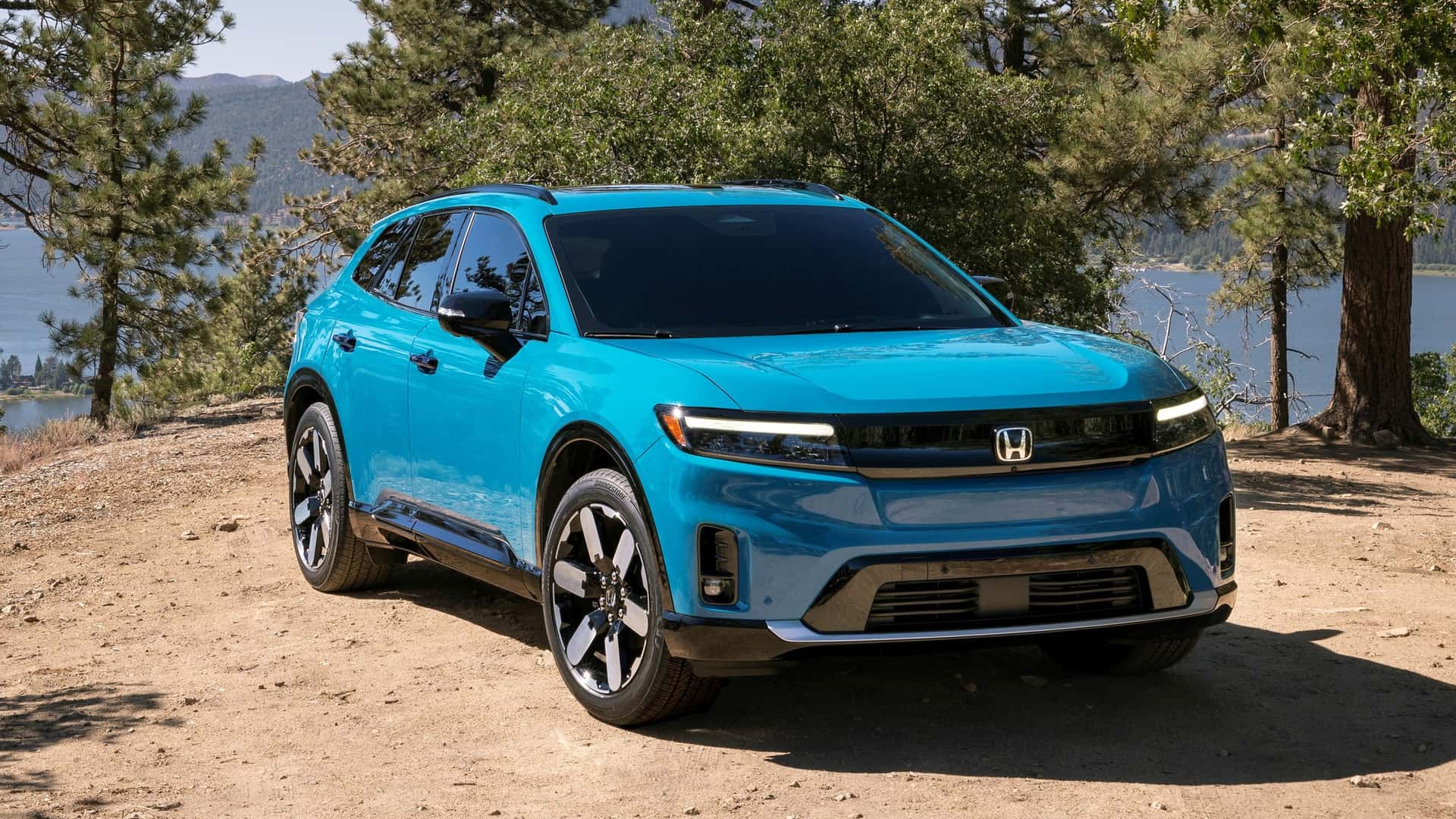
- The Acura ZDX was discontinued after a single model year due to poor sales, while the Honda Prologue faces considerable challenges despite a promising start.
- Honda is undertaking a “fundamental review” of its electric car strategy, shifting towards an in-house developed ‘0 Series’ platform for future EV models.
Honda, a prominent global automotive manufacturer, is grappling with a substantial downturn in its electric vehicle segment. The company’s global EV sales plummeted in the latest financial quarter, triggering a comprehensive re-evaluation of its electrification strategy. This significant setback also highlights the intricate dynamics of its manufacturing partnership with General Motors, which could ironically find itself in a financially advantageous position.
The October-December quarter saw Honda’s worldwide electric car sales drop dramatically to approximately 15,000 units. This precipitous decline, representing a 50% reduction, underscores the considerable challenges the Japanese automaker is encountering in the rapidly evolving electric vehicle market.
Financial forecasts for the current fiscal year are particularly grim, with Honda’s EV business expected to register losses nearing $4.48 billion. This figure reflects the escalating costs associated with developing, producing, and marketing electric vehicles, alongside the financial repercussions of underperforming sales.
The Dual-Platform Strategy and its Unforeseen Repercussions
Central to Honda’s initial push into the North American EV market was a strategic collaboration with General Motors. This partnership aimed to leverage GM’s established electric vehicle platform, specifically the Ultium architecture, to accelerate Honda’s EV rollout and share development costs.
The Honda Prologue and the now-discontinued Acura ZDX electric crossovers were direct products of this alliance. Both models were engineered to share fundamental electric platforms with vehicles like the Chevrolet Blazer EV and were assembled at GM’s manufacturing facilities in North America.
While the collaboration sought to provide Honda with a competitive edge in quickly launching new EV models, the market reception for these co-developed vehicles proved challenging. The strategic intent was sound, but execution and market dynamics posed unforeseen hurdles.
A Partnership’s Unintended Outcome: GM’s Potential Gain
The sharp decline in sales for the Prologue and ZDX from October through December directly impacted Honda’s production orders to General Motors. As a consequence of these reduced manufacturing volumes, Honda is now obligated to compensate the American automaker for the underutilised production capacity, as stipulated by their agreement and reported by industry analyses.
This situation presents a paradoxical outcome: while Honda struggles with its EV sales, General Motors stands to receive financial compensation, potentially offsetting some of its own operational costs related to the shared platforms. This unexpected twist underscores the complexities inherent in large-scale automotive manufacturing partnerships.
The Fate of the Acura ZDX and Honda Prologue
The Acura ZDX, assembled at GM’s Spring Hill plant in Tennessee, had an exceptionally brief market tenure. The luxury electric SUV was cancelled after just one model year, primarily due to underwhelming sales performance and coincidentally, just before the expiration of a crucial $7,500 federal tax credit that could have boosted its appeal.
In total, the ZDX managed to achieve only 19,411 sales across its short lifespan, a figure that fell significantly short of expectations. The market’s reception indicated a misalignment between the product’s offering, its pricing, and consumer demand in a highly competitive segment.
Similarly, the Honda Prologue, which is produced at GM’s Ramos Arizpe plant in Mexico, is navigating a precarious path. Despite an initial promising start, its sales trajectory reversed sharply in the most recent quarter.
Last year, Honda sold 39,194 Prologue EVs in the U.S., marking an 18.7% increase compared to 2024 figures. However, the subsequent quarter witnessed an alarming 86% plunge in sales, with only 2,641 units finding new owners. This drastic drop signaled a significant challenge for the model’s sustained viability in the market.
Mounting Financial Pressures and Strategic Review
The repercussions of these sales struggles are deeply felt across Honda’s financial landscape. The company has recorded its fourth consecutive quarter of operating losses within its EV division. This persistent downturn has led to a dramatic 61% drop in consolidated profits during the October-December fiscal third quarter, highlighting the severe financial strain.
Over the first nine months of the previous financial year, concluding in March 2026, Honda’s write-offs and associated expenses for its electric vehicle initiatives surged to $1.71 billion. Projections suggest these EV-related losses could balloon further, reaching an estimated $4.48 billion by the end of the fiscal year.
Compounding these challenges are the additional costs imposed by U.S. import duties. These duties are anticipated to contribute an extra $1.98 billion in losses by the end of March, further eroding the automaker’s profitability. Consequently, Honda’s overall operating profit is expected to decrease by a substantial 55% as a direct result of these converging financial pressures.
In response to these daunting figures, Honda has publicly announced a call for a “fundamental review” of its electric car strategy. This comprehensive assessment aims to identify critical areas for improvement and recalibrate the company’s approach to electrification.
Mitigation Efforts and Future Outlook for Honda EV Strategy
To counteract the current sales slump, Honda is exploring various mitigation strategies. One such approach involves efforts to boost fleet sales of the Prologue crossover, targeting commercial buyers who may have different purchasing criteria and benefit from bulk acquisitions.
However, these efforts are expected to necessitate additional spending on manufacturer incentives, further impacting profitability. In the previous month alone, Honda reportedly allocated over $17,000 in incentives for every Prologue sold in the U.S. Despite this significant investment, only 664 units were purchased, indicating the depth of the sales challenge and the fierce competition in the electric vehicle segment.
Having faced significant setbacks with the jointly developed Acura ZDX and the struggling Honda Prologue, the Japanese automaker is now pivoting towards an entirely new, bespoke EV lineup. This strategic shift involves developing an in-house architecture designated as the “0 Series.”
The first model slated to emerge from this new platform is the Acura RSX crossover, expected to launch by the end of this year. This will be followed by two Honda-branded models: the ‘0 Series SUV’ and the ‘0 Series Saloon,’ signaling a renewed commitment to a distinct, proprietary Honda EV strategy.
Adjusted Ambitions in the Global EV Race
Honda’s initial electric vehicle aspirations were ambitious, envisioning a future dominated by EVs. In 2024, the company set a target of selling as many as two million electric vehicles globally by 2030, a clear signal of its intent to be a major player in the global electrification trend.
However, the realities of regulatory changes, trade complexities, and challenging market dynamics have forced a significant recalibration of these goals. Last year, Honda revised its ambitious sales estimate downwards, now projecting global EV sales in the range of 700,000 to 750,000 units by 2030.
This substantial reduction in sales targets reflects a sober acknowledgment of the difficulties faced and a more pragmatic outlook on the pace of market adoption and Honda’s competitive positioning. The revised Honda EV strategy signals a period of strategic consolidation and focused development on its proprietary platforms rather than relying on external partnerships for core EV technology.
Frequently Asked Questions (FAQ)
What caused Honda’s EV sales to plunge in the last quarter?
Honda’s electric vehicle sales dropped significantly due to several factors, including fierce market competition, challenges with jointly developed models like the Acura ZDX and Honda Prologue, and potentially broader consumer hesitations or shifts in demand for specific EV models. The cancellation of a federal tax credit also impacted the Acura ZDX’s appeal.
How does General Motors benefit from Honda’s EV sales issues?
General Motors benefits from compensation clauses in its manufacturing agreement with Honda. As Honda reduced its production orders for the Prologue and ZDX due to poor sales, it is contractually obligated to pay GM for the reduced output, turning Honda’s setback into a financial gain for GM.
What were the key financial implications for Honda’s EV business?
Honda’s EV business experienced its fourth consecutive quarter of operating losses, with consolidated profits dropping 61% in the October-December period. Expected EV-related losses could reach $4.48 billion for the fiscal year, compounded by an additional $1.98 billion in U.S. import duties, leading to a projected 55% decrease in overall operating profit.
What is the ‘0 Series’ and how does it fit into Honda’s future EV strategy?
The ‘0 Series’ is Honda’s new in-house developed electric vehicle architecture. It represents a pivot away from relying on external platforms for core EV technology. This new platform will underpin Honda’s next generation of electric vehicles, starting with the Acura RSX crossover and followed by the ‘0 Series SUV’ and ‘0 Series Saloon’ models.
How have Honda’s long-term EV sales targets changed?
Honda initially aimed to sell two million EVs globally by 2030. However, in light of recent challenges and market realities, the company has significantly revised this target downwards to an estimated 700,000 to 750,000 units globally by the same year. This reflects a more cautious and recalibrated Honda EV strategy.