
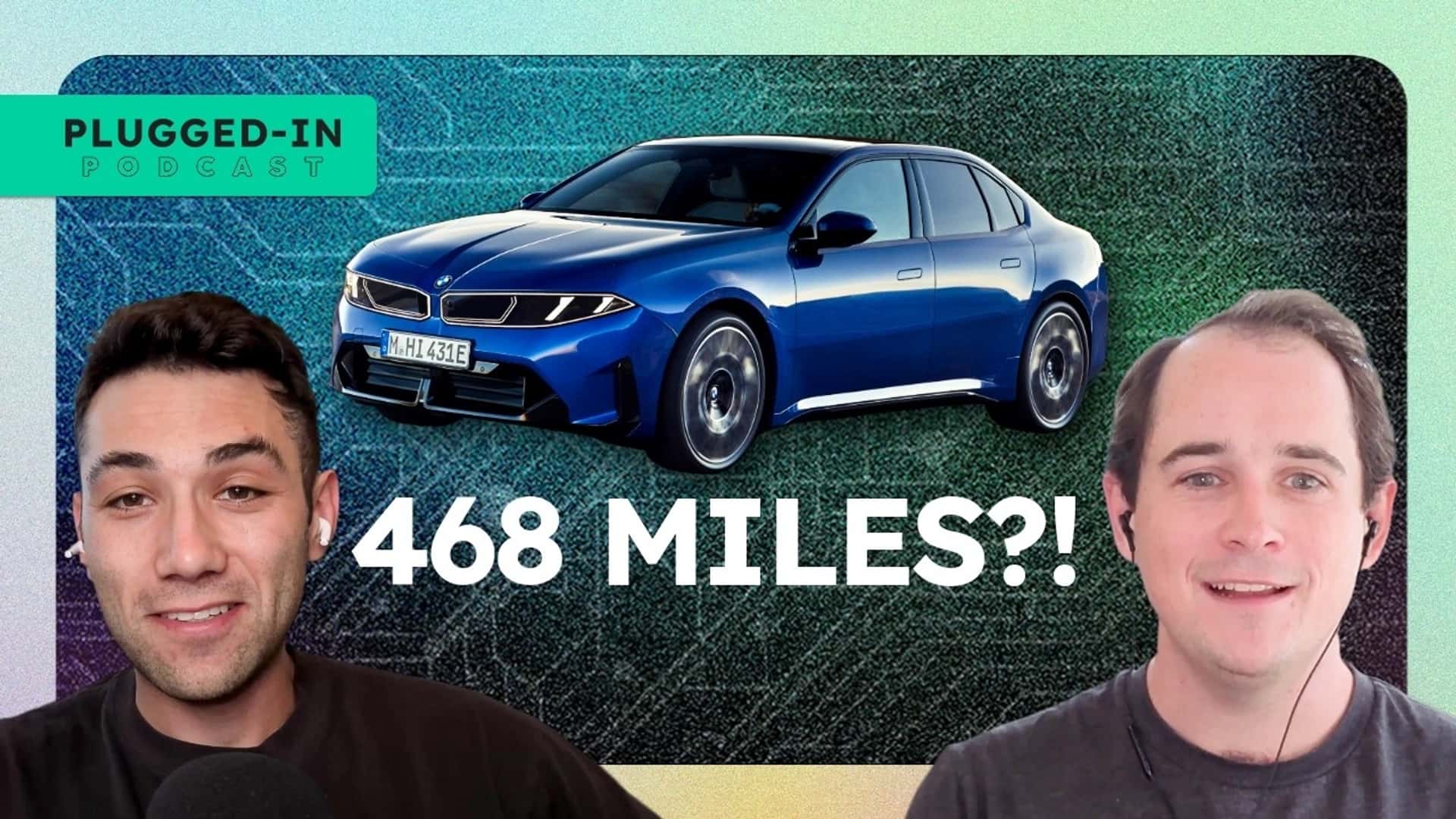
Key Takeaways:
- BMW has unveiled the i3 sedan, boasting an impressive EPA-rated 468-mile electric vehicle range in its all-wheel-drive 50 xDrive trim.
- This range significantly surpasses most competitors, including all current Tesla models, and positions the i3 as a formidable contender in the luxury EV segment.
- The introduction of the i3 highlights the rapid advancement in electric vehicle range capabilities, moving beyond the 400-mile mark established by Tesla in 2020.
- A central debate emerges: is such an extensive EV range necessary, or does it represent an ‘overkill’ given the trade-offs in cost and the improving charging infrastructure?
- While high range addresses consumer ‘range anxiety’ and suits specific driving needs, questions arise about whether a ‘sweet spot’ in the mid-300s might better balance cost and utility for the majority of drivers.
BMW has once again redefined expectations in the electric vehicle (EV) market with the highly anticipated unveiling of its i3 sedan. Following the successful reception of the iX3 crossover, the German automaker is set to introduce a certified ‘range monster’ that is poised to disrupt the luxury EV segment.

The all-new electric 3-Series, specifically the all-wheel-drive 50 xDrive trim, is projected to deliver an astonishing 468 miles of EPA-rated range. This remarkable figure, confirmed for the variant slated for release early next year, positions the BMW i3 at the forefront of long-distance electric mobility, surpassing nearly every other model currently available, including offerings from market leader Tesla.
The Evolving Landscape of Electric Vehicle Range
The progression of electric vehicle range capabilities in the United States has been swift and substantial, even amidst recent market fluctuations. Just a few years ago, achieving a 400-mile EPA rating was a pioneering feat.
Tesla was the first manufacturer to reach this milestone, with its Model S achieving a 400-mile rating in 2020. This benchmark set a new standard, pushing other premium automakers to innovate and expand their own EV range offerings.

Today, a 400-mile electric vehicle range is increasingly becoming a standard for high-end electric cars. Competitors like the Audi A6 E-Tron boast a commendable 395-mile rating, while the Volvo EX60 is estimated to deliver around 400 miles. The upcoming Mercedes C-Class is also expected to fall within this impressive range bracket.
However, the BMW i3 sedan now significantly outpaces most of these formidable rivals. Its 468-mile rating demonstrates BMW’s commitment to pushing technological boundaries, particularly with the first-ever electric iteration of its iconic 3-Series, a model historically central to the brand’s identity and sales.
Is a 468-Mile EV Range Truly Necessary?
The introduction of such an extensive electric vehicle range naturally sparks a critical debate within the automotive community: is 468 miles of range genuinely required, or does it exceed the practical needs of the average driver?
The market has seen considerable success with EVs offering a mid-300-mile range, as exemplified by Tesla’s popular models. Yet, the question of whether this super-long range is overkill for most consumers remains pertinent, especially when considering the Lucid Air, which has held America’s range crown for five years with its 500-plus-mile rating, suggesting a niche for extreme range.
Addressing Consumer Range Anxiety
Despite the growing availability of electric vehicles with competent range figures, consumer surveys consistently indicate that ‘range anxiety’ remains a significant barrier to broader EV adoption. Many potential buyers express concerns about having sufficient charge for longer journeys or in situations where charging infrastructure is perceived as sparse.
From this perspective, an ‘absurd’ amount of electric vehicle range, such as the 468 miles offered by the i3, could serve as a powerful psychological buffer. It could alleviate worries about running out of power, enabling a more seamless transition for those hesitant to embrace electric mobility fully.
Practical Driving Scenarios and Climate Impact
Beyond psychological comfort, there are tangible practical benefits to an extended EV range. Drivers who frequently undertake long highway journeys, where charging opportunities may be less frequent, could find immense value in the i3’s capabilities.
Furthermore, operating an EV in colder climates often leads to a reduction in effective range due to battery performance characteristics and the energy demands of heating systems. For individuals in such regions, a 400-mile-plus rating might be precisely what is needed to ensure reliability and peace of mind during daily commutes and longer trips alike.
The Counter-Argument: A Sweet Spot in Range
Conversely, some experts argue that there is a ‘sweet spot’ for electric vehicle range, typically in the mid-300s, which adequately serves the needs of most drivers without incurring unnecessary costs or battery size. This perspective suggests that anything beyond this threshold could be considered excessive for daily use.
For example, during a discussion on the ‘Plugged-In Podcast,’ one participant, Mack, expressed a differing view, stating, “He thinks somewhere in the 300s is the sweet spot, and more than that is overkill for most people.” This highlights the ongoing discussion regarding optimal range versus practical utility.
The Economic and Infrastructural Equation of EV Range
Attaining a superior electric vehicle range is not without its implications, particularly concerning cost and battery technology. More range inherently demands a larger battery capacity, and every kilowatt-hour added to a battery pack contributes to the overall manufacturing cost of the vehicle.
The BMW i3 50 xDrive, priced at $61,500, is notably well-positioned against its internal combustion engine (ICE) equivalent, suggesting a strategic pricing approach. However, the possibility of a variant offering approximately 350 miles of range could present an even more attractive financial proposition for a wider segment of the population, effectively balancing performance with affordability.
The Role of Evolving Charging Infrastructure
A crucial factor in the electric vehicle range debate is the rapid evolution of public charging infrastructure. As charging stations become increasingly faster, more reliable, and more ubiquitous, the absolute need for exceptionally long ranges may gradually diminish.
This shift is already underway, with significant investments being made globally to expand and enhance charging networks. As charging becomes as convenient and readily available as conventional fuel stations, the necessity for a substantial range buffer is expected to recede. Carmakers and consumers alike may eventually become less fixated on absolute range, prioritizing other factors such as charging speed, cost, and overall vehicle performance.
Market Implications and Future Outlook
The BMW i3’s impressive 468-mile electric vehicle range marks a significant development in the luxury EV market. It not only intensifies competition but also underscores the rapid advancements in battery technology and powertrain efficiency across the industry.
This move by a heritage automaker like BMW demonstrates a clear intent to lead in the electric transition, offering consumers choices that directly address their primary concerns about range. It also prompts other manufacturers to reassess their own range strategies, potentially accelerating the development of even more capable and efficient electric vehicles.
Ultimately, the discussion surrounding the BMW i3’s range reflects a broader industry-wide re-evaluation of what constitutes ‘optimal’ performance in the electric age. It challenges preconceived notions and invites both manufacturers and consumers to consider the evolving interplay between technological capability, practical necessity, and economic viability.
Frequently Asked Questions (FAQ)
What is the EPA-rated range of the new BMW i3 sedan?
The BMW i3 sedan, specifically the all-wheel-drive 50 xDrive trim, boasts an impressive EPA-rated electric vehicle range of up to 468 miles. This positions it as one of the market leaders in terms of single-charge driving capability.
How does the BMW i3’s range compare to Tesla models?
The BMW i3’s 468-mile range surpasses the current EPA ratings of all Tesla models on the market today. This achievement highlights BMW’s aggressive push to lead in the long-range EV segment.
When will the BMW i3 50 xDrive be available?
The first variant of the BMW i3, the 50 xDrive trim, is anticipated to be available for purchase early next year. This marks a significant step for BMW in expanding its electric vehicle lineup.
What is ‘range anxiety’ in the context of EVs?
Range anxiety refers to the fear or concern among electric vehicle drivers that their battery will run out of charge before reaching a charging station or their destination. High EV range capabilities aim to mitigate this concern.
Is a 468-mile EV range considered ‘overkill’ by some experts?
While beneficial for some, certain experts, like Mack from the ‘Plugged-In Podcast,’ suggest that a mid-300-mile range might be a ‘sweet spot’ for most users. They argue that additional range could be ‘overkill’ given cost and evolving charging infrastructure.
What are the practical benefits of an exceptionally long electric vehicle range?
An exceptionally long electric vehicle range is particularly beneficial for individuals who undertake frequent long-distance highway driving or reside in cold climates, where EV range can be affected by ambient temperatures and heating demands.
How does charging infrastructure development affect the importance of long EV range?
As public charging networks become faster, more reliable, and more widespread, the absolute necessity for extremely long EV range is expected to diminish. Convenient charging options reduce the reliance on a massive battery buffer.