
Key Takeaways:
- BMW’s new i3 sedan boasts an impressive 468-mile EPA-rated range in its 50 xDrive trim, setting a new benchmark for electric vehicle endurance.
- This remarkable range significantly surpasses most competitors, including current Tesla models, intensifying the competition in the luxury EV segment.
- The introduction of such extensive range sparks a critical industry debate regarding its necessity, balancing consumer psychological barriers like range anxiety against the practicalities of evolving charging infrastructure and vehicle costs.
- Experts hold divided opinions on the optimal EV range, considering diverse driving needs and the rapidly advancing capabilities of charging networks.
BMW has once again made significant strides in the electric vehicle (EV) market with the unveiling of its i3 sedan. Following the successful reception of the iX3 crossover, the German automaker has introduced what promises to be a formidable contender in terms of range, positioning the i3 at the forefront of long-distance electric mobility.

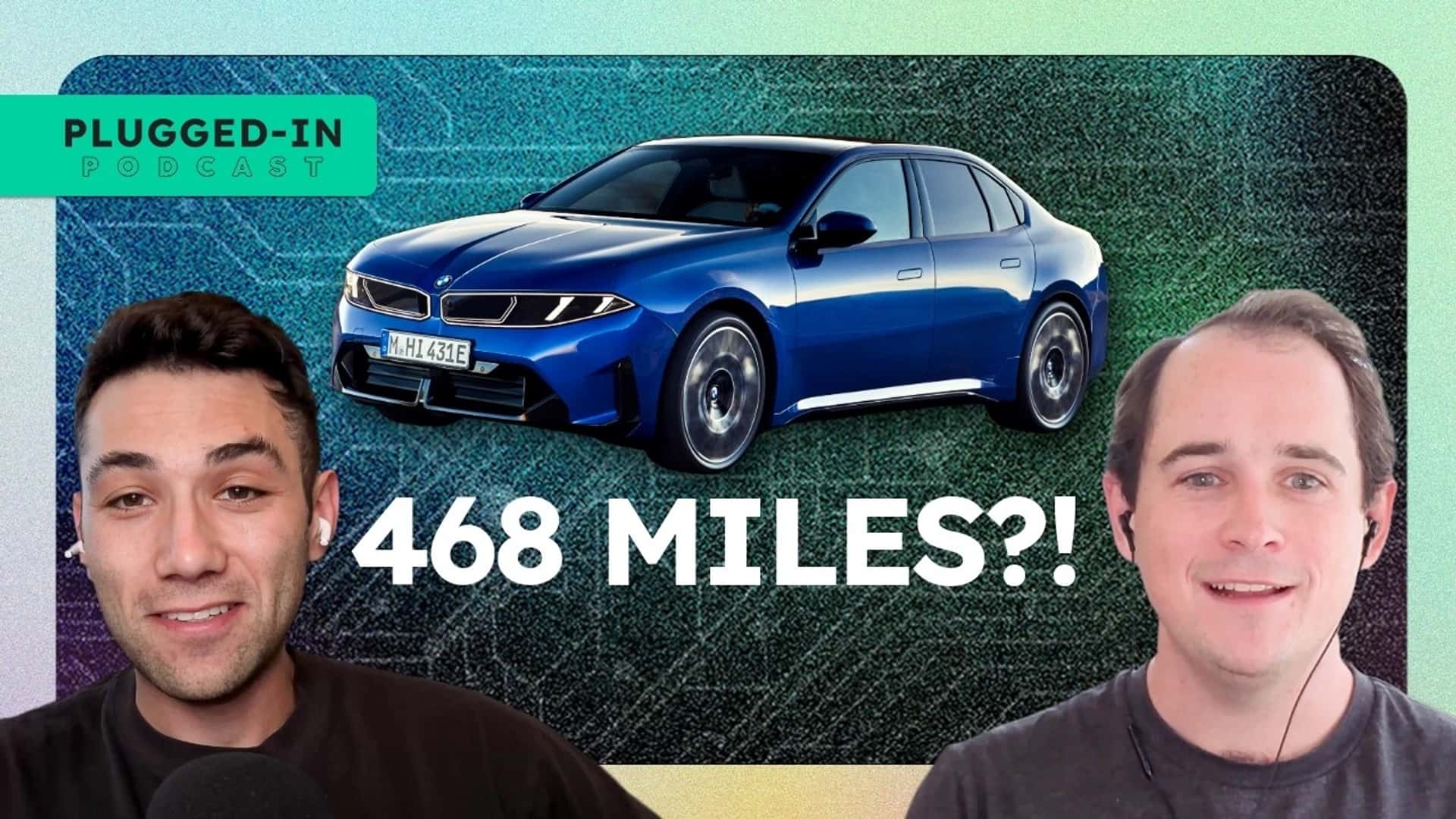
The electric 3-Series, specifically the all-wheel-drive 50 xDrive trim, is projected to offer an impressive 468 miles of EPA-rated range. This figure is slated for the model’s debut early next year and represents a substantial leap in battery-electric vehicle capabilities.
BMW’s Latest Electrified Offering Redefines Range Standards
The announcement of the BMW i3’s 468-mile range has sent ripples across the automotive industry. This robust rating positions the i3 sedan as a certified ‘range monster,’ outperforming nearly every other EV currently available on the market, including all Tesla variants.
This achievement builds on BMW’s recent successes, showcasing the brand’s commitment to pushing the boundaries of electric vehicle performance and efficiency. The i3 sedan’s range capability is a significant statement in the luxury EV segment, promising extended travel without frequent charging stops.

A New Benchmark in Electric Vehicle Endurance
The journey towards extended EV range has seen remarkable progress in a relatively short period. Tesla was a pioneer in this space, achieving the first 400-mile EPA rating with its Model S in 2020. However, the landscape is rapidly changing, with 400 miles increasingly becoming a standard for high-end electric vehicles.
Competitors such as the Audi A6 E-Tron offer a respectable 395-mile rating, while the Volvo EX60 is estimated to achieve around 400 miles. The forthcoming Mercedes C-Class is also anticipated to deliver comparable range figures. Yet, the BMW i3’s 468-mile range notably surpasses most of these contenders.
Only the Lucid Air, which has held America’s range crown for five years with its impressive 500-plus-mile rating, currently exceeds the i3’s announced capacity. The BMW i3’s performance underscores a trend where luxury automakers are increasingly vying for supremacy in electric range, demonstrating significant advancements in battery technology and powertrain efficiency.
The Evolving Debate: Is Extreme Range Truly Necessary?
Despite the technological triumph embodied by the BMW i3’s 468-mile range, its necessity in real-world driving scenarios remains a subject of considerable debate within the electric vehicle community. Tesla, for instance, has achieved substantial market success with vehicles offering range figures typically in the mid-300s.
This prompts the question of whether pushing the boundaries beyond 400 miles is truly what the average consumer requires. Some industry observers contend that a range exceeding 300-350 miles might be considered overkill for most daily driving and even many long-distance trips.
Addressing Consumer Range Anxiety
However, proponents of extended range argue that such capacities are crucial for accelerating mainstream EV adoption. Surveys indicate that American car buyers continue to express significant concerns about the sufficiency of electric vehicle range, a phenomenon often termed ‘range anxiety.’
Providing an ‘absurd amount of range,’ as some suggest, could serve as a powerful psychological antidote, alleviating fears of running out of charge and making the transition to electric vehicles more palatable for a broader segment of the population. This strategy aims to break down perceived barriers to ownership by offering an undeniable sense of security and convenience.
Practicalities for Diverse Driving Conditions
Beyond psychological factors, practical considerations also support the argument for greater range. Drivers who frequently undertake long highway journeys, particularly those in cold climates, experience a reduction in effective battery range due to environmental factors and sustained higher speeds. For these individuals, a vehicle offering 400 miles or more may be precisely what is needed to ensure comfortable and uninterrupted travel.
In the ongoing discussions surrounding optimal EV range, perspectives vary widely. In a recent podcast discussion, for example, the merits of the BMW i3’s 468-mile range were explored. While some argue that such a substantial range is beneficial, others, like Mack from the podcast, maintain that a range in the mid-300s represents a ‘sweet spot,’ proving sufficient for the majority of drivers without incurring unnecessary costs or battery size.
The Cost-Benefit Analysis of Larger Batteries
Achieving extended range is not without its implications, primarily concerning cost. Greater range necessitates the inclusion of a larger battery, and each additional kilowatt-hour of battery capacity contributes directly to the overall vehicle price. This economic reality plays a critical role in the overall market positioning and accessibility of long-range EVs.
The BMW i3 50 xDrive, with its 468-mile range, is priced at $61,500. This figure is notably competitive when compared to its conventionally powered equivalent, indicating that BMW has managed to integrate this advanced battery technology without a prohibitive price premium. Nevertheless, an alternative model offering approximately 350 miles of range could potentially cater to a larger demographic and present an even more attractive value proposition for many consumers.
The Future of EV Range Perception: Role of Charging Infrastructure
As the electric vehicle ecosystem continues its rapid evolution, the perceived importance of absolute range is expected to shift significantly. The proliferation of public charging infrastructure, coupled with advancements in charging speed and reliability, is poised to diminish the necessity for exceptionally large battery capacities.
With charging stations becoming increasingly ubiquitous and efficient, the need for a substantial ‘range buffer’ will gradually fade. As this infrastructure matures, it is anticipated that both automakers and the general public will become less fixated on achieving maximum possible range, instead prioritizing a balanced combination of range, cost, and convenient charging access. This ongoing shift will likely redefine what constitutes an ‘ideal’ electric vehicle range in the years to come, moving towards a focus on practical utility and seamless integration into daily life.
FAQ Section
Q1: What is the EPA-rated range of the new BMW i3 sedan?
A1: The new BMW i3 sedan, specifically the all-wheel-drive 50 xDrive trim, is slated to achieve an impressive 468 miles of EPA-rated range. This positions it as a leading contender in the electric vehicle market, surpassing many current models, including all Tesla variants, in terms of single-charge endurance.
Q2: How does the BMW i3’s range compare to other luxury EVs?
A2: The BMW i3’s 468-mile range notably outperforms most high-end electric vehicles. For context, the Audi A6 E-Tron offers 395 miles, and the Volvo EX60 is estimated at 400 miles. Only the Lucid Air, with over 500 miles, currently boasts a higher range in the market.
Q3: Why is there a debate about the necessity of such high EV range?
A3: The debate stems from questions of practicality versus consumer psychology. While extensive range (like the BMW i3’s 468 miles) can alleviate range anxiety and cater to specific needs like long-distance or cold-weather driving, some argue that mid-300s range is sufficient for most, questioning the added cost and battery size.
Q4: Does more range mean a higher cost for electric vehicles?
A4: Generally, yes. Achieving greater range typically requires a larger battery, and each kilowatt-hour of additional battery capacity contributes to the overall manufacturing cost of the vehicle. This directly influences the retail price, making higher-range EVs generally more expensive.
Q5: How will public charging infrastructure impact the perception of EV range?
A5: As public charging networks become faster, more reliable, and more widespread, the absolute maximum range of an EV is expected to become less critical. Convenient and ubiquitous charging points will reduce the need for large battery buffers, potentially shifting consumer focus from extreme range to overall charging accessibility and speed.
Q6: What is ‘range anxiety’ in the context of electric vehicles?
A6: Range anxiety refers to a driver’s fear or concern that an electric vehicle will run out of power before reaching a charging station or their destination. It is a significant psychological barrier to wider EV adoption, and extended ranges, like the BMW i3’s 468 miles, aim to mitigate this concern.