
Key Takeaways
- General Motors has designated its Spring Hill, Tennessee, Ultium Cells joint venture plant as the primary mass-production site for its advanced lithium-manganese-rich (LMR) EV batteries.
- The facility, a partnership with LG Energy Solution, will undergo significant upgrades starting late 2024, with full LMR battery production anticipated by 2028.
- LMR chemistry is poised to offer approximately 33% more range than current lithium-iron-phosphate (LFP) batteries, projecting over 400 miles of EPA range for large GM trucks and SUVs.
- This new battery technology aims to reduce reliance on costly and environmentally intensive cobalt and nickel by leveraging a higher percentage of manganese, making it a cost-effective alternative to LFP while offering superior performance.
- The introduction of LMR batteries represents a strategic tier in GM’s Ultium battery portfolio, bridging the gap between high-performance nickel-manganese-cobalt (NMC) cells and the more economical LFP variants.
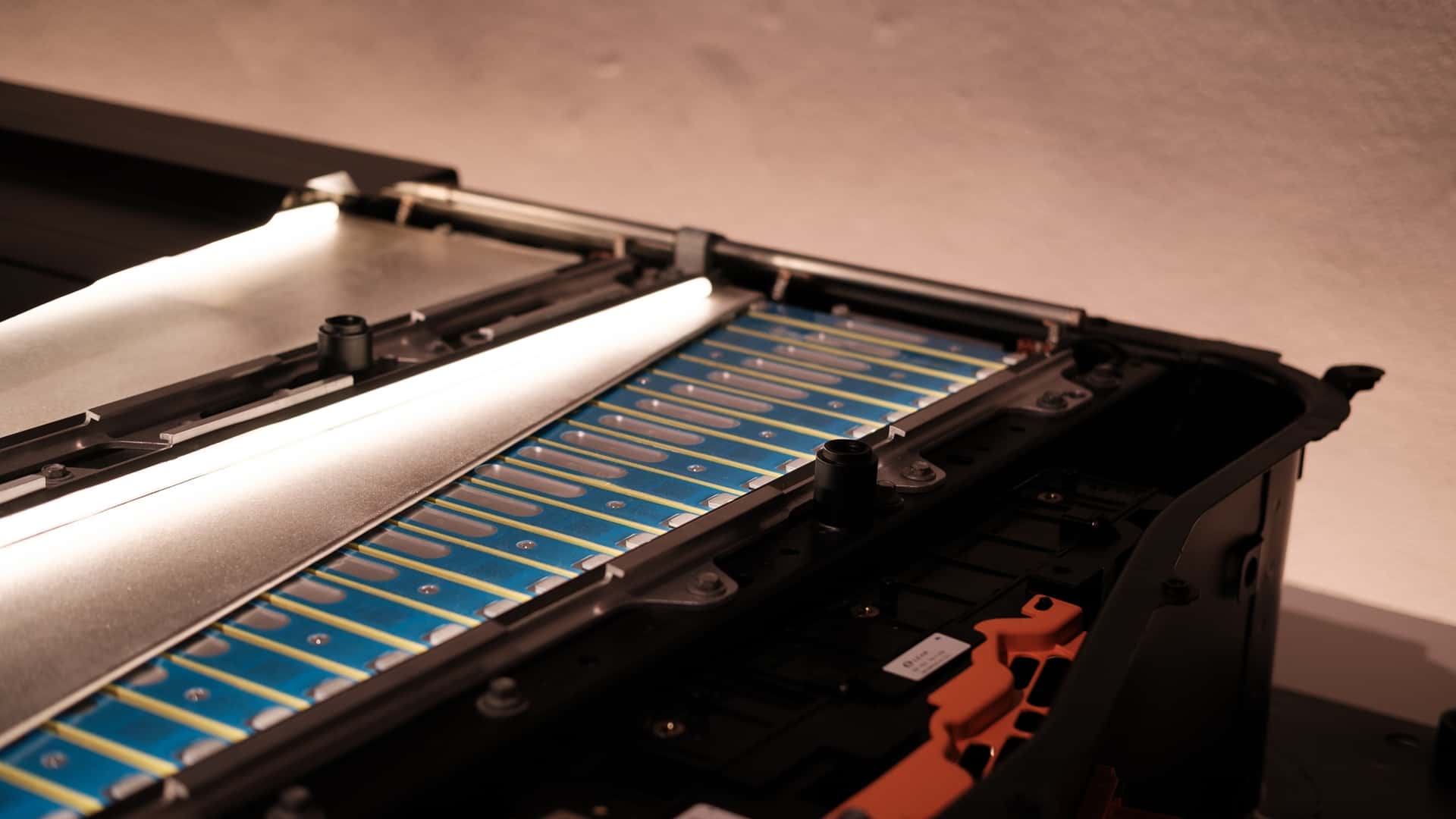
General Motors (GM) has officially marked a significant milestone in its electric vehicle (EV) offensive, announcing the specific manufacturing location for its groundbreaking lithium-manganese-rich (LMR) battery cells. The automaker confirmed on Tuesday that its Ultium Cells joint venture plant with LG Energy Solution in Spring Hill, Tennessee, will undertake the mass production of these next-generation EV batteries.
This pivotal decision underscores GM’s steadfast commitment to an electrified future, even as the company maintains investments in traditional internal combustion engine (ICE) vehicles. The Spring Hill facility is set to become the world’s first plant to mass-produce prismatic LMR cells, a testament to GM’s pioneering efforts in advanced battery technology.

The Strategic Significance of Spring Hill
The selection of Spring Hill, Tennessee, for LMR battery production highlights its growing importance in the burgeoning American EV manufacturing landscape. This facility is a cornerstone of the Ultium Cells partnership, a critical component of GM’s comprehensive strategy to control key aspects of its EV supply chain.
According to official statements, factory upgrades essential for LMR battery manufacturing are scheduled to commence by the close of this year, with a projected completion timeline stretching to 2028. This substantial investment in the Tennessee plant signifies a long-term vision for electric vehicle battery innovation and domestic production capabilities.
The Ultium Cells joint venture is not new to advanced battery production. The facility already plays a crucial role in manufacturing lithium-iron phosphate (LFP) batteries, primarily utilized in energy storage systems. Expanding its capabilities to include LMR cells diversifies its output and strengthens GM’s vertical integration in battery technology.

Unpacking Lithium-Manganese-Rich (LMR) Battery Technology
The LMR battery chemistry represents a strategic evolution in electric vehicle power sources. At its core, this technology shares similarities with the widely used nickel-manganese-cobalt (NMC) cells, yet it distinguishes itself through a critical adjustment in its elemental composition.
GM’s LMR batteries will incorporate a substantially lower percentage of cobalt and nickel. These materials are known for their high cost and the environmental complexities associated with their mining and processing. Instead, the LMR cells will leverage a much higher proportion of manganese.
Manganese offers distinct advantages, being generally easier to source and less expensive to mine and refine compared to its cobalt and nickel counterparts. This shift in material reliance is central to GM’s strategy to enhance both the sustainability and economic viability of its EV offerings.
Performance and Cost Advantages
The benefits of LMR chemistry extend directly to vehicle performance and consumer value. GM projects that its LMR batteries will deliver an impressive 33% increase in driving range compared to current LFP batteries. LFP cells are prevalent in the Chinese market and are often favored industry-wide for their low cost.
Specifically designed for integration into GM’s full-size trucks and sport utility vehicles (SUVs), the LMR batteries are expected to enable these larger EVs to achieve an EPA-estimated range of more than 400 miles. This extended range is a crucial factor for consumers considering the transition to electric heavy-duty vehicles.
Despite offering superior driving range, GM anticipates that the LMR battery will maintain a cost profile nearly identical to that of LFP batteries. This cost-effectiveness, combined with enhanced performance, positions LMR as a compelling solution for a broad segment of the EV market.
GM’s Tiered Battery Strategy
The introduction of LMR battery technology further refines General Motors’ comprehensive, tiered approach to electric vehicle power. The company’s Ultium battery platform is designed for versatility, allowing different chemistries to be deployed based on vehicle segment and performance requirements.
While premium GM EVs demanding the absolute highest driving range will continue to utilize NMC batteries, LMR cells are strategically positioned to fill a critical gap. They will slot between the high-performance NMC batteries and the more economical LFP cells, offering a balance of range, cost, and material efficiency.
This multi-faceted battery strategy enables GM to cater to a wider array of vehicle types and consumer preferences, optimizing cost and performance across its diverse EV portfolio. The first electric vehicles equipped with these advanced LMR cells are slated for market rollout in 2028.
The successful deployment of LMR batteries in large SUVs and trucks could meaningfully alter the economic equation of owning and operating these vehicles, potentially making them more accessible and attractive to a broader audience. GM’s forward-looking investment in battery research and manufacturing, exemplified by the Warren, Michigan R&D facility where these cells were developed, underscores its determination to lead in the evolving EV landscape.
The Road Ahead for General Motors EV Battery Innovation
General Motors’ commitment to developing and mass-producing LMR batteries signifies a pivotal step towards a more sustainable and high-performing electric future. By localizing production and diversifying its battery chemistry, GM aims to enhance supply chain resilience and deliver competitive electric vehicles.
The impending launch of LMR-powered EVs in 2028 will be a critical juncture, demonstrating how this next-generation battery technology can influence market dynamics and consumer adoption, especially within the significant truck and SUV segments. The automotive industry, along with consumers, will closely observe the real-world impact of these advancements.
FAQ Section
What are General Motors’ new LMR batteries?
GM’s LMR (lithium-manganese-rich) batteries are a next-generation EV battery chemistry designed to offer improved range and cost-efficiency. They use a higher percentage of manganese and a lower percentage of cobalt and nickel compared to traditional NMC batteries, making them more sustainable.
Where will GM’s LMR batteries be produced?
The new LMR batteries will be mass-produced at the Ultium Cells joint venture plant with LG Energy Solution located in Spring Hill, Tennessee. This facility is undergoing significant upgrades to accommodate the new production lines.
When are the first EVs with LMR batteries expected to be released?
General Motors anticipates that the first electric vehicles equipped with these advanced lithium-manganese-rich battery cells will begin rolling out to consumers in 2028, following the completion of factory upgrades.
How do LMR batteries compare to other EV battery types like LFP and NMC?
LMR batteries are designed to slot between lithium-iron-phosphate (LFP) and nickel-manganese-cobalt (NMC) cells. They offer about 33% more range than LFP batteries at a similar cost, while NMC batteries continue to provide the highest range for premium GM EVs.
What advantages does manganese offer in battery production?
Manganese is a key component in LMR batteries because it is generally easier to source and less expensive to mine and process compared to cobalt and nickel. This helps reduce the overall cost and environmental impact of the battery cells.
Which GM vehicles will use LMR batteries?
General Motors plans to install the new lithium-manganese-rich batteries in its full-size electric trucks and SUVs. This is expected to provide these larger vehicles with an EPA-estimated driving range exceeding 400 miles.