
Key Takeaways
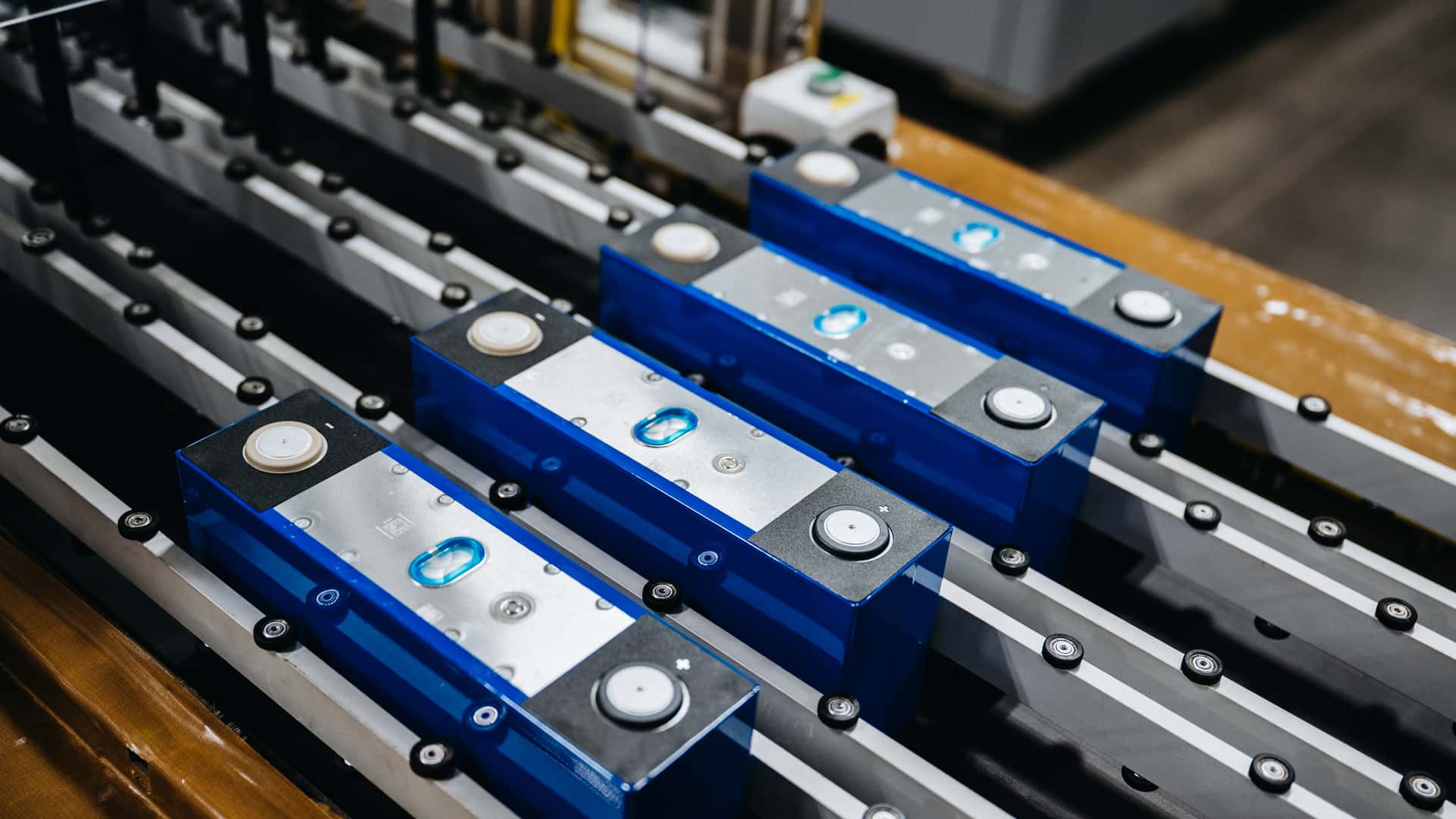
Ford has commenced manufacturing production-grade lithium-iron-phosphate (LFP) batteries at its BlueOval Battery Park Michigan, marking a pivotal moment for domestic electric vehicle (EV) production. These batteries are destined for testing in Fathom electric truck prototypes, with full-scale manufacturing slated for next year.
The $3 billion facility is the first in the United States dedicated to producing LFP batteries for mainstream consumer vehicles, distinguishing itself from other domestic LFP producers focused on stationary energy storage. This vertically integrated plant boasts an annual capacity of 20 gigawatt-hours and can assemble 50 battery packs per hour.

Crucially, the operation adheres strictly to the Inflation Reduction Act (IRA) rules, ensuring that raw materials are not sourced from designated Foreign Entities of Concern. The technology licensing partnership with China’s CATL, the world’s largest battery maker, facilitates rapid technology transfer while Ford maintains full ownership and operational control of the plant.
A New Era for Domestic EV Battery Manufacturing in Michigan
Ford Motor Company has achieved a significant milestone in its electric vehicle (EV) strategy, initiating the production of advanced lithium-iron-phosphate (LFP) battery packs at its BlueOval Battery Park Michigan. Located near Marshall, Michigan, the state-of-the-art facility has begun shipping these production-grade batteries for rigorous testing in Fathom electric truck prototypes, heralding a new phase in Ford’s journey toward an electrified future.
This development is not merely a corporate achievement; it represents a strategic shift in the American automotive landscape. The $3 billion, 2 million-square-foot plant is notable as the first facility in the U.S. dedicated to manufacturing LFP batteries specifically for mainstream consumer vehicle applications. While other companies, such as LG Energy Solution, produce LFP batteries domestically, their output primarily serves stationary energy storage systems, making Ford’s venture unique in the automotive sector.
The introduction of domestically produced LFP batteries is set to profoundly impact the availability and affordability of electric vehicles. LFP chemistry offers distinct advantages over traditional nickel-cobalt-manganese (NCM) batteries, including lower material costs, enhanced safety profiles due to reduced thermal runaway risk, and a more sustainable supply chain given the abundance of iron and phosphate.
BlueOval Battery Park: A Hub of Innovation and Capacity
The BlueOval Battery Park Michigan is engineered for high-volume, efficient production. With an impressive annual production capacity of 20 gigawatt-hours, the facility is designed to churn out 50 complete battery packs every hour. This rate underscores Ford’s ambition to quickly scale its EV offerings and meet anticipated consumer demand for the Fathom and other future electric models.
What sets this plant apart further is its comprehensive vertical integration. The facility processes raw materials such as lithium and iron-phosphate powder at one end, overseeing critical stages like anode and cathode production, and concludes with fully assembled, ready-to-install battery packs emerging from the other. This end-to-end manufacturing process within a single location enhances quality control, streamlines the supply chain, and reduces logistical complexities.
Such vertical integration is a critical component of Ford’s broader strategy to establish robust, resilient, and localized supply chains for its electric vehicle components. By controlling more aspects of battery production, Ford aims to mitigate risks associated with global supply chain disruptions and secure a consistent flow of essential components for its expanding EV portfolio.
Accelerating EV Development: Ford’s Strategic Pace
Ford’s commitment to expediting its EV initiatives was articulated by Alan Clarke, the vice president of advanced development projects at Ford. During a recent media roundtable at the BlueOval Battery Park Michigan, Clarke highlighted the rapid progress made across multiple fronts.
He stated, “Not having a team that existed to have a battery factory, a unicasting factory, an entirely new most automated vehicle production facility that Ford’s ever produced in less than five years would be I think faster than China speed.” This bold assertion underscores the intensive effort Ford has invested in establishing its all-new Universal EV Platform and an advanced production system at the Louisville Assembly Plant.
Clarke’s extensive background, including 12 years at Tesla where he contributed to the development of the Model S, Model X, Model Y, Model 3, and Cybertruck, lends significant credibility to his assessment of Ford’s accelerated development timelines. His expertise in advanced vehicle and battery development is a key asset in Ford’s ambitious electrification plans.
Leveraging Global Expertise: The CATL Partnership
The advanced nature of the Michigan facility is partly attributable to Ford’s strategic licensing agreement with China’s Contemporary Amperex Technology Co. Limited (CATL). As the world’s largest and most technologically advanced battery maker, CATL’s expertise has been instrumental in Ford’s rapid advancement in battery technology.
This partnership enables Ford to incorporate cutting-edge technical know-how into its U.S. operations, effectively bridging a technological gap that has seen the U.S. lag behind countries like China and some European nations in battery innovation. Importantly, this collaboration focuses on technology transfer and operational assistance rather than direct ownership or control by CATL within the U.S. plant.
Meng Wang, the director and chief engineer of battery cell industrialization at Ford, explained the rationale behind this alliance. “To shorten our time to market, we decided to learn from the best,” Wang remarked. He further elaborated, “Throughout the process, CATL passed on critical knowledge to Ford, including the equipment functions, manufacturing process, and also quality controls.” This transfer of knowledge ensures Ford can rapidly achieve high-quality, efficient battery production.
Ensuring Compliance with the Inflation Reduction Act
A critical aspect of Ford’s new battery production facility is its full compliance with the U.S. government’s Inflation Reduction Act (IRA) rules. The IRA offers significant incentives for electric vehicles and their components that are manufactured domestically and meet stringent sourcing requirements, particularly regarding raw materials.
Ford officials have affirmed that raw materials utilized in the Michigan plant’s battery production do not originate from what the U.S. government designates as Foreign Entities of Concern (FEOCs). This means materials are not sourced from countries such as China, Russia, or North Korea, despite China’s predominant role in controlling the global critical materials supply chain.
While CATL provides the underlying technology, the plant itself is fully owned and operated by Ford. CATL engineers have played a crucial role in assisting with the setup of thousands of complex production tools, training the workforce to operate high-tech equipment, and implementing rigorous quality control systems. This structured approach helps Ford deliver on its promise of affordable electric vehicles while adhering to U.S. regulatory frameworks. Furthermore, the prismatic LFP cell design produced at the plant is unique to Ford and does not currently exist within CATL’s global product portfolio, showcasing a tailored application of the licensed technology.
The Fathom Electric Truck: A Step Closer to Market
The commencement of LFP battery production directly supports the upcoming Ford Fathom electric truck. These batteries are expected to play a crucial role in making the Fathom a cost-effective and competitive offering in the burgeoning EV truck market. By leveraging LFP chemistry, Ford aims to provide a robust, durable, and more affordable electric truck option to consumers.
Prospective buyers can anticipate preorders for the Ford Fathom to commence in early 2027. Following this, production and initial deliveries of the electric truck are projected to begin by the end of 2027. This timeline underscores the immediate impact of the BlueOval Battery Park Michigan on Ford’s strategic product launches and its ambition to capture a significant share of the electric truck segment.
FAQ Section
What is the significance of Ford’s BlueOval Battery Park Michigan?
It is the first U.S. plant to manufacture lithium-iron-phosphate (LFP) batteries specifically for mainstream consumer vehicles. This domestic production is crucial for enhancing the U.S. EV supply chain, reducing reliance on foreign sources, and making electric vehicles more accessible and affordable for American consumers.
What are LFP batteries and why is Ford using them for the Fathom?
LFP batteries, or lithium-iron-phosphate batteries, utilize iron and phosphate for their cathodes instead of more expensive materials like nickel and cobalt. They are generally more cost-effective, offer a longer cycle life, and are considered safer due to their thermal stability. Ford is using them to produce more affordable and durable electric vehicles like the Fathom truck.
What is the production capacity of the BlueOval Battery Park Michigan?
The facility boasts an impressive annual production capacity of 20 gigawatt-hours (GWh). It is designed to be highly efficient, capable of manufacturing approximately 50 fully assembled, ready-to-install battery packs every hour, supporting Ford’s high-volume EV production goals.
How does Ford ensure compliance with the Inflation Reduction Act (IRA)?
Ford ensures IRA compliance by meticulously sourcing raw materials from suppliers that are not designated as Foreign Entities of Concern (FEOCs) by the U.S. government. This adherence allows Ford to qualify for federal EV incentives, contributing to the affordability of its electric vehicles for consumers.
What role does CATL play in Ford’s LFP battery production?
CATL, the world’s largest battery maker, has a technology licensing agreement with Ford. They provide critical knowledge and technical assistance for equipment setup, manufacturing processes, and quality control systems. While CATL offers expertise, the BlueOval Battery Park Michigan is fully owned and operated by Ford, maintaining domestic control.
When can consumers expect the Ford Fathom electric truck to be available?
Preorders for the Ford Fathom electric truck are expected to open in early 2027. Following this, the commencement of full-scale production and initial deliveries to customers are anticipated by the end of 2027, marking its entry into the competitive electric truck market.