
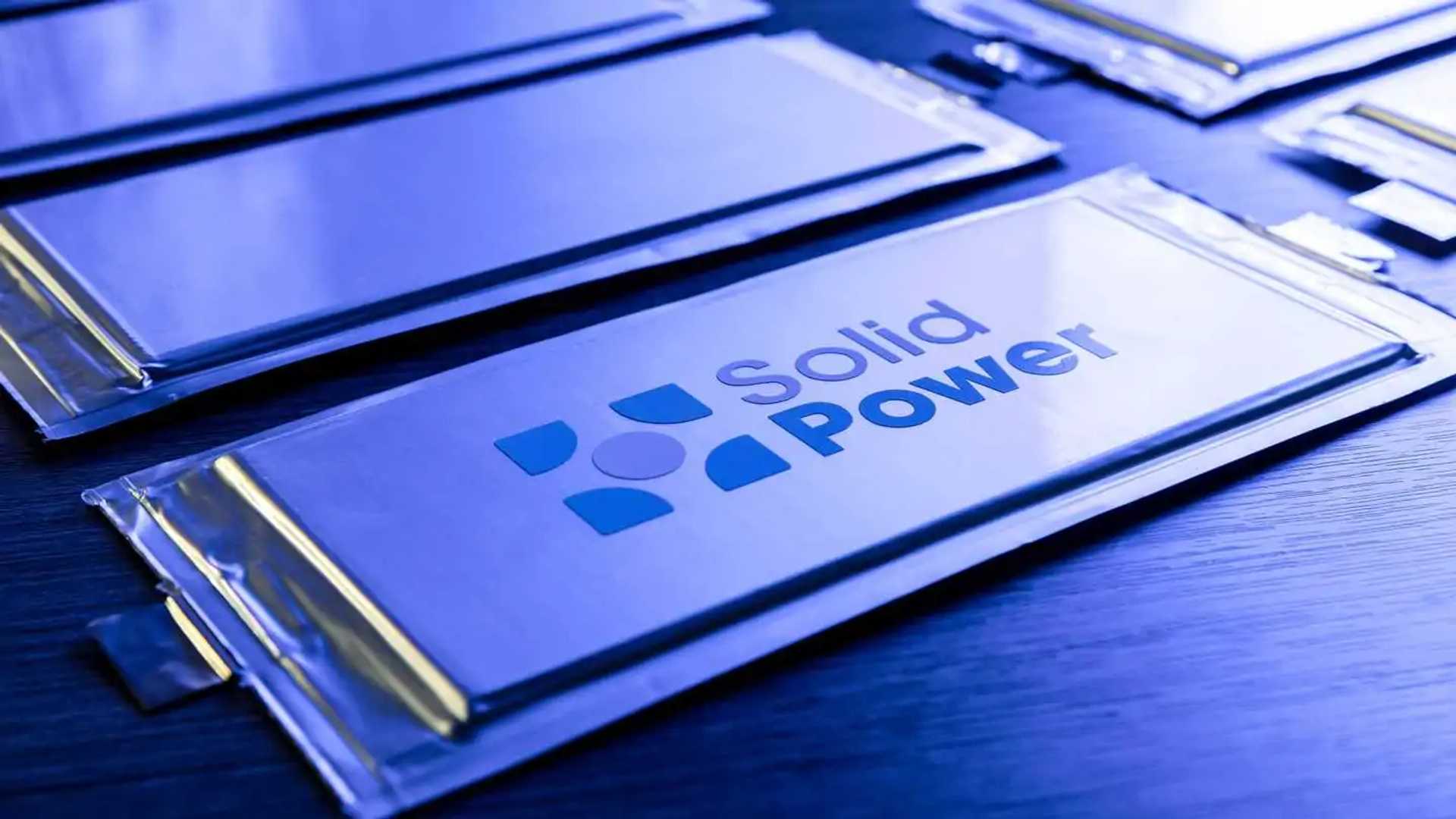
In a pivotal moment for the American energy sector, solid-state batteries are emerging as a transformative technology that could fundamentally reshape the United States’ position in the global battery industry. While Asian counterparts have largely dominated the conventional lithium-ion battery market, domestic innovators are aggressively pursuing the next generation of energy storage solutions. Colorado-based Solid Power, a specialist in solid electrolyte technology, stands at the forefront of this effort, partnering with global automotive and battery giants to bring this advanced technology to fruition.
According to Solid Power President and CEO John Van Scoter, solid-state cells offer the U.S. a critical opportunity to reclaim competitiveness. This pursuit is not merely about technological advancement; it is about establishing a robust domestic supply chain and manufacturing capability for electric vehicles (EVs) and other crucial applications.

Key Takeaways:
- Solid-state batteries are poised to significantly enhance the U.S.’s competitiveness in the global battery market, addressing the lag behind Asian manufacturers.
- Colorado-based Solid Power is a key player, focusing on developing sulfide-based solid electrolytes with major industry partners like Ford, BMW, and Samsung SDI.
- These advanced batteries promise greater driving range, faster charging, and enhanced safety by eliminating flammable liquid electrolytes compared to current lithium-ion technology.
- Despite manufacturing challenges, Solid Power anticipates solid-state batteries in high-end EVs by the end of the decade, with broader adoption in the early 2030s.
- The company secured a $50 million U.S. Department of Energy grant in 2024 to accelerate its development and scaling efforts.
- Solid Power’s technology is designed to integrate with existing lithium-ion battery production equipment, potentially lowering adoption barriers for manufacturers.
The Promise of Solid-State Battery Technology
The global race for superior battery technology is intensifying, with solid-state batteries widely regarded by scientists as the holy grail. Their potential benefits are substantial: electric vehicles could achieve significantly extended driving ranges, charging times could be drastically reduced, and critical fire risks associated with current lithium-ion batteries, which often use flammable liquid electrolytes, could be virtually eliminated.
However, the path to commercialization has been fraught with challenges. Manufacturing these complex cells at scale without defects has proven to be an extraordinarily difficult engineering feat, leading to years of anticipation for their market debut.
Solid Power’s Strategic Approach and Industry Partnerships
Solid Power believes that the prolonged wait will ultimately yield substantial dividends. The company forecasts that solid-state batteries will begin appearing in select high-end electric vehicles by the close of the current decade, with widespread integration across various applications expected in the early 2030s. This optimistic outlook is bolstered by significant governmental support, including a $50 million grant awarded in 2024 by the U.S. Department of Energy, allocated under the Bipartisan Infrastructure Law, specifically to advance Solid Power’s development initiatives.
Unlike some of its American counterparts, such as California-based QuantumScape and Massachusetts-based Factorial, which aim to develop entire solid-state cells, Solid Power has adopted a highly specialized strategy. The company concentrates solely on one critical component: the solid electrolyte. This component is crucial for facilitating the efficient movement of lithium ions between the anode and cathode, a process that is traditionally handled by a flammable liquid chemical in conventional lithium-ion batteries.
Betting on Sulfide-Based Electrolytes
The development of solid electrolytes involves exploring various material options, primarily polymers, oxides, and sulfides. Solid Power has placed its strategic bet on sulfide-based electrolytes. John Van Scoter, the President and CEO, highlighted in an interview with InsideEVs that their flexible sulfide-based solid electrolyte design offers a distinct advantage. It enables established battery manufacturers to more easily integrate this cutting-edge technology into their existing production processes, thereby providing the U.S. with a viable pathway to regain a competitive edge in the battery landscape.
“All solid-state batteries can be the way that [the U.S.] can get back in and be competitive in the battery industry,” Van Scoter asserted.
Advancing Production Capabilities: The Mobius Pilot Line
A significant step towards realizing this vision occurred recently with the commissioning of Solid Power’s Mobius pilot production line at its Thornton, Colorado, plant. The primary objective of this facility is to manufacture and supply its specialized solid electrolytes to leading entities in the global automotive and battery sectors.
Solid Power has cultivated robust working relationships with industry titans, including Ford, BMW, Samsung SDI, and SK ON, with additional partnerships yet to be publicly disclosed. This collaborative model allows battery manufacturers to incorporate Solid Power’s electrolyte into their proprietary cell designs, conduct rigorous testing, and jointly refine the technology in anticipation of full-scale production. Van Scoter confirmed the completion of joint development agreements with Ford and BMW, signifying a shift in focus towards collaborating with major battery producers on scaling production.
The Mobius pilot line is projected to be fully operational by the close of the year, adding an impressive 45 metric tons of annual solid electrolyte production capacity. When combined with its existing facilities, this will elevate Solid Power’s total pilot capacity to 75 metric tons per year, marking a substantial increase in its ability to supply partners for evaluation and integration.
Performance Benchmarks and Manufacturing Efficiency
The performance metrics promised by Solid Power’s sulfide electrolyte are compelling. When integrated with a silicon anode and a nickel manganese cobalt (NMC) cathode, the electrolyte can push a cell’s energy density to 390 watt-hours per kilogram (Wh/kg) and sustain over 1,000 charge-discharge cycles. To put this into perspective, modern NMC batteries utilizing liquid electrolytes typically yield an energy density of approximately 250 to 280 Wh/kg.
Furthermore, the company claims that using a lithium metal anode could elevate energy density to 440 Wh/kg, nearly doubling that of an average contemporary lithium-ion battery. It is important to note, however, that these figures represent theoretical maximums; the final energy density will ultimately be determined by the specific battery maker and their overall cell design.
“We create the magic that allows the cell to work,” Van Scoter explained. “But it’s up to the cell design as to energy densities, cycle life, all those other important attributes.”
A significant advantage of Solid Power’s technology lies in its perceived compatibility with existing manufacturing infrastructure. The company asserts that its solid-state cells do not necessitate entirely new factories or prohibitively expensive retooling processes. “We can use standard [lithium-ion battery] roll to roll equipment in order to build all solid state cells,” Van Scoter emphasized, indicating a potentially smoother transition for manufacturers.
Addressing Key Challenges: Dendrite Formation
Despite these advancements, solid-state batteries still contend with familiar engineering hurdles, notably dendrite formation. These microscopic, needle-like lithium structures can proliferate within a cell, potentially leading to internal short circuits and a degradation of capacity over time. Van Scoter confirmed that Solid Power has dedicated substantial engineering resources to mitigating this critical issue.
Real-World Application and Future Outlook
Solid Power’s collaborations are already manifesting in tangible prototypes. BMW, for instance, unveiled images last year of a prototype i7 electric vehicle equipped with a solid-state battery featuring Solid Power’s silicon anode solid-state battery technology.
This initiative is further solidified by a tripartite agreement involving BMW, Samsung SDI, and Solid Power. Under this arrangement, Samsung SDI is tasked with manufacturing the solid-state cells, BMW will undertake the development of the battery modules and packs, and Solid Power will serve as the exclusive supplier of the solid electrolyte. The precise timeline for the commercial realization of this ambitious partnership remains undisclosed.
While Solid Power pursues a component-focused approach, other American solid-state battery startups are adopting vertically integrated strategies, developing entire cells independently. QuantumScape, for example, is collaborating with Volkswagen and Honda on commercializing its proprietary technology. Similarly, Mercedes-Benz and Stellantis have already commenced testing prototype vehicles outfitted with solid-state cells from Factorial.
Interestingly, Solid Power anticipates that the initial maturation and deployment of its solid-state battery technology might occur outside the mainstream automotive market, specifically in defense applications, advanced drones, and humanoid robots. “The qualification cycles are shorter and the cycle life of the platform is much faster,” Van Scoter noted, highlighting the quicker development and adoption cycles in these specialized sectors.
The United States’ automotive and battery industries did not fully capitalize on the initial lithium-ion battery boom, allowing Asian giants to establish a dominant lead. The ongoing race to commercialize solid-state batteries presents a fresh opportunity for American innovation to take the lead. Whether U.S. companies can be the first to successfully bring this transformative technology across the finish line remains a compelling question for the future of energy storage.
Frequently Asked Questions (FAQ)
What are solid-state batteries and why are they important?
Solid-state batteries replace the flammable liquid electrolyte found in traditional lithium-ion batteries with a solid material. This change promises significant improvements in energy density, leading to longer EV range, faster charging times, and enhanced safety by eliminating fire risks, making them a crucial next step in battery technology.
How does Solid Power’s approach differ from other solid-state battery companies?
Unlike some competitors who develop entire solid-state cells, Solid Power specializes in creating and manufacturing a key component: the solid electrolyte. Their sulfide-based electrolyte is designed for easy integration into existing battery production lines, aiming to accelerate adoption and reduce manufacturing complexities for partners.
What are the performance advantages of Solid Power’s solid-state electrolyte?
When combined with specific electrode materials, Solid Power’s sulfide electrolyte can achieve an energy density of up to 390 Wh/kg (with silicon anode/NMC cathode) and potentially 440 Wh/kg (with lithium metal anode). This significantly exceeds the 250-280 Wh/kg typically seen in modern liquid electrolyte NMC batteries, alongside a cycle life of over 1,000 cycles.
Who are Solid Power’s key partners in developing this technology?
Solid Power is collaborating with major players in the automotive and battery industries, including Ford, BMW, Samsung SDI, and SK ON. These partnerships focus on integrating Solid Power’s electrolyte into their cell designs, testing, and scaling production for eventual commercial deployment.
When can we expect solid-state batteries to be available in electric vehicles?
Solid Power anticipates that solid-state batteries will first appear in select high-end electric vehicles by the end of this decade. Broader market adoption across a wider range of EVs is projected to follow in the early 2030s, indicating a gradual, phased introduction into the automotive market.
What challenges does solid-state battery development face?
A primary challenge involves manufacturing these advanced batteries at scale without defects. Specific technical hurdles include preventing dendrite formation, which are needle-like lithium growths that can cause short circuits and capacity loss. Solid Power has dedicated considerable engineering effort to overcome this issue.
Beyond EVs, what other applications are envisioned for solid-state batteries?
Solid Power believes that the technology may first mature in specialized applications with shorter qualification cycles, such as defense systems, high-performance drones, and advanced humanoid robots. These sectors could provide initial market entry and further refine the technology before widespread EV adoption.
What role does government funding play in Solid Power’s development?
Government support is crucial. Solid Power received a $50 million grant from the U.S. Department of Energy in 2024, funded by the Bipartisan Infrastructure Law. This significant investment underscores the national importance of accelerating solid-state battery development to enhance U.S. competitiveness and energy independence.