
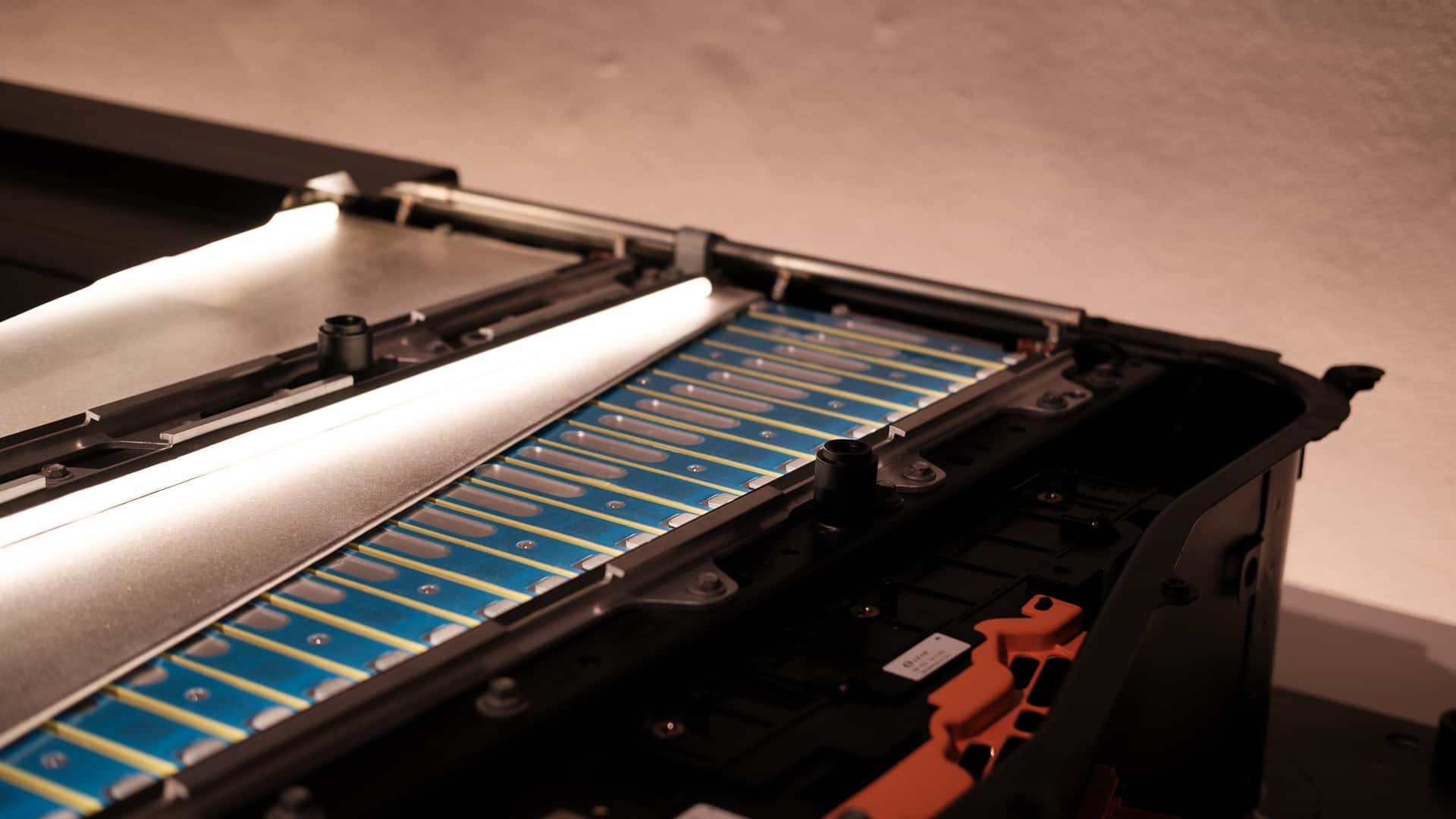
In a significant stride towards solidifying its electric vehicle (EV) future, General Motors (GM) has officially designated its Ultium Cells joint venture facility in Spring Hill, Tennessee, as the mass production hub for its advanced lithium-manganese-rich (LMR) battery technology. This strategic announcement marks a crucial milestone, being the first time the automotive giant has publicly confirmed a manufacturing site for its groundbreaking LMR cells.
Despite ongoing investments in conventional fuel vehicles, GM’s commitment to electric mobility remains steadfast. The introduction of the LMR battery is poised to redefine the performance and economics of electric trucks and SUVs, offering a compelling blend of extended range and cost efficiency within the rapidly evolving automotive landscape.
Key Takeaways (TL;DR)
- General Motors has selected its Spring Hill, Tennessee, Ultium Cells plant for mass-producing its next-generation lithium-manganese-rich (LMR) batteries.
- This facility will be the first globally to mass-produce prismatic LMR cells, with upgrades commencing by late 2024 and full completion slated for 2028.
- The LMR battery chemistry is projected to deliver 33% more range than current lithium-iron-phosphate (LFP) batteries.
- Expected EPA range for full-size trucks and SUVs powered by LMR batteries will exceed 400 miles.
- These batteries utilize a higher percentage of manganese, making them easier to source and less expensive to produce compared to nickel and cobalt-heavy alternatives.
- GM anticipates LMR batteries will offer nearly the same cost as LFP cells while providing superior driving range.
- The first EVs equipped with LMR technology are expected to debut in 2028.
The Dawn of Next-Gen LMR Battery Technology
General Motors is not merely dabbling in the electric vehicle market; it is actively shaping its future with innovative battery solutions. The LMR battery, a core component of this vision, represents a significant evolution in battery chemistry, designed to overcome existing limitations in range and cost that often challenge mass EV adoption.
This new battery chemistry is set to power GM’s expansive portfolio of full-size electric trucks and SUVs. The automaker’s strategic focus on these larger segments underscores its intent to offer robust, long-range electric alternatives to some of its most popular and profitable internal combustion engine models.
Spring Hill: A Global Hub for Prismatic LMR Cells
The selection of the Spring Hill, Tennessee, plant for LMR battery production is a testament to GM’s long-term manufacturing strategy. This facility operates under Ultium Cells LLC, a crucial joint venture between General Motors and LG Energy Solution, aimed at bolstering domestic battery production capabilities.

Preparations for LMR battery manufacturing are comprehensive, with factory upgrades scheduled to commence in the final quarter of this year. These extensive modifications are projected to be completed by 2028, marking the plant as the world’s inaugural site for mass-producing prismatic LMR cells. This commitment to advanced manufacturing highlights the intricate process of scaling up new battery technologies.
Previously, GM offered insights into the research and development phase of these cells, inviting industry experts to its Warren, Michigan R&D facility. This facility has been instrumental in the detailed development and rigorous testing of the LMR prismatic EV battery cell, laying the groundwork for its upcoming mass production.
Enhanced Range and Cost Efficiency: A Dual Advantage
The core promise of GM’s lithium-manganese-rich battery technology lies in its ability to deliver superior performance without a prohibitive cost increase. GM projects that the LMR chemistry will achieve a remarkable 33% increase in driving range compared to the widely used lithium-iron-phosphate (LFP) batteries. LFP cells, dominant in markets like China, are currently favored for their lower cost.
For large electric vehicles such as GM’s full-size trucks and SUVs, this translates into a highly competitive EPA estimated range exceeding 400 miles on a single charge. Such a range figure is critical for consumer confidence, addressing range anxiety, particularly for vehicles intended for heavier use or longer journeys.
The Science Behind LMR: A Sustainable Approach
At its fundamental level, the LMR battery shares structural similarities with traditional nickel-manganese-cobalt (NMC) cells, which are known for their high energy density. However, the LMR chemistry introduces a critical differentiation: a significantly reduced proportion of cobalt and nickel. These elements, while effective, are notoriously expensive and associated with complex, often environmentally challenging, mining practices.
Instead, the LMR battery leverages a substantially higher percentage of manganese. GM’s research indicates that manganese is not only more abundant but also presents fewer challenges in terms of sourcing and processing, leading to a more sustainable and economically viable supply chain. This shift reflects a broader industry trend towards diversifying battery material compositions to mitigate risks and improve sustainability.
This innovative material composition is a cornerstone of the LMR battery’s value proposition. By using less costly and more accessible raw materials, GM aims to achieve manufacturing costs that are nearly on par with the more budget-friendly LFP batteries, while simultaneously offering a performance advantage in terms of driving range.
Strategic Placement in GM’s EV Portfolio
General Motors is developing a multi-tiered battery strategy to cater to diverse market needs and vehicle segments. Within this hierarchy, the LMR battery is strategically positioned to bridge the gap between high-performance, high-cost NMC batteries and the more economical LFP cells.
NMC batteries will continue to be utilized for GM EVs that demand the absolute maximum driving range and performance, typically found in premium or specialized models. LFP batteries, primarily produced by Ultium Cells for energy storage systems, will serve as the low-cost solution, likely targeting entry-level or urban-focused electric vehicles where absolute range is less critical than affordability.
The LMR technology, therefore, provides an optimal mid-tier solution, offering an excellent balance of extended range and competitive pricing. This nuanced approach allows GM to deploy the most appropriate battery chemistry for each vehicle type, optimizing both performance and profitability across its growing electric lineup.
The Road Ahead: 2028 Rollout and Market Impact
The rollout of the first General Motors electric vehicles equipped with these advanced LMR cells is projected for 2028. This timeline allows for the completion of factory upgrades, extensive battery validation, and seamless integration into future vehicle platforms. The anticipated arrival of LMR-powered full-size trucks and SUVs could significantly alter the economic landscape of owning and operating large electric vehicles.
By delivering extended range at a cost comparable to less capable battery technologies, GM aims to make large EV ownership more accessible and appealing to a broader consumer base. This move is expected to intensify competition in the electric truck and SUV segments, pushing the boundaries of what is possible in mainstream electric mobility and further accelerating the global transition to sustainable transportation.
Frequently Asked Questions (FAQs)
What is the General Motors LMR battery?
The General Motors LMR (lithium-manganese-rich) battery is an advanced electric vehicle battery chemistry. It utilizes a higher percentage of manganese and a lower percentage of costly cobalt and nickel, aiming to provide a superior driving range at a cost similar to more affordable lithium-iron-phosphate (LFP) batteries.
Where will the LMR batteries be mass-produced?
General Motors has confirmed that the LMR batteries will be mass-produced at its Ultium Cells joint venture plant with LG Energy Solution located in Spring Hill, Tennessee. This facility will be the first globally to undertake mass production of prismatic LMR cells.
When will the LMR battery production begin?
Factory upgrades for LMR battery production at the Spring Hill plant are scheduled to commence towards the end of this year. These extensive upgrades are anticipated to be fully completed by 2028, aligning with the projected rollout of the first LMR-equipped EVs.
What range can be expected from EVs using LMR batteries?
GM anticipates that LMR batteries will deliver approximately 33% more range than current LFP batteries. For full-size electric trucks and SUVs, this means an expected EPA range of over 400 miles, significantly enhancing the viability of these larger electric vehicles.
How does the LMR battery compare in cost to other EV batteries?
GM states that the LMR battery will cost nearly the same as the widely adopted lithium-iron-phosphate (LFP) batteries. This cost-effectiveness, combined with superior driving range, positions LMR as an attractive mid-tier option between high-performance, higher-cost NMC batteries and low-cost LFP cells.
What are the environmental and sourcing benefits of LMR technology?
The LMR battery’s reliance on a higher percentage of manganese reduces the need for nickel and cobalt, which are often more challenging and expensive to mine. Manganese is easier to source and process, contributing to a more sustainable and streamlined supply chain for EV battery production.
When will vehicles with LMR batteries be available to consumers?
The first electric vehicles equipped with General Motors’ new lithium-manganese-rich battery cells are expected to roll out to consumers starting in 2028. This debut will primarily focus on the company’s full-size electric trucks and SUVs.