
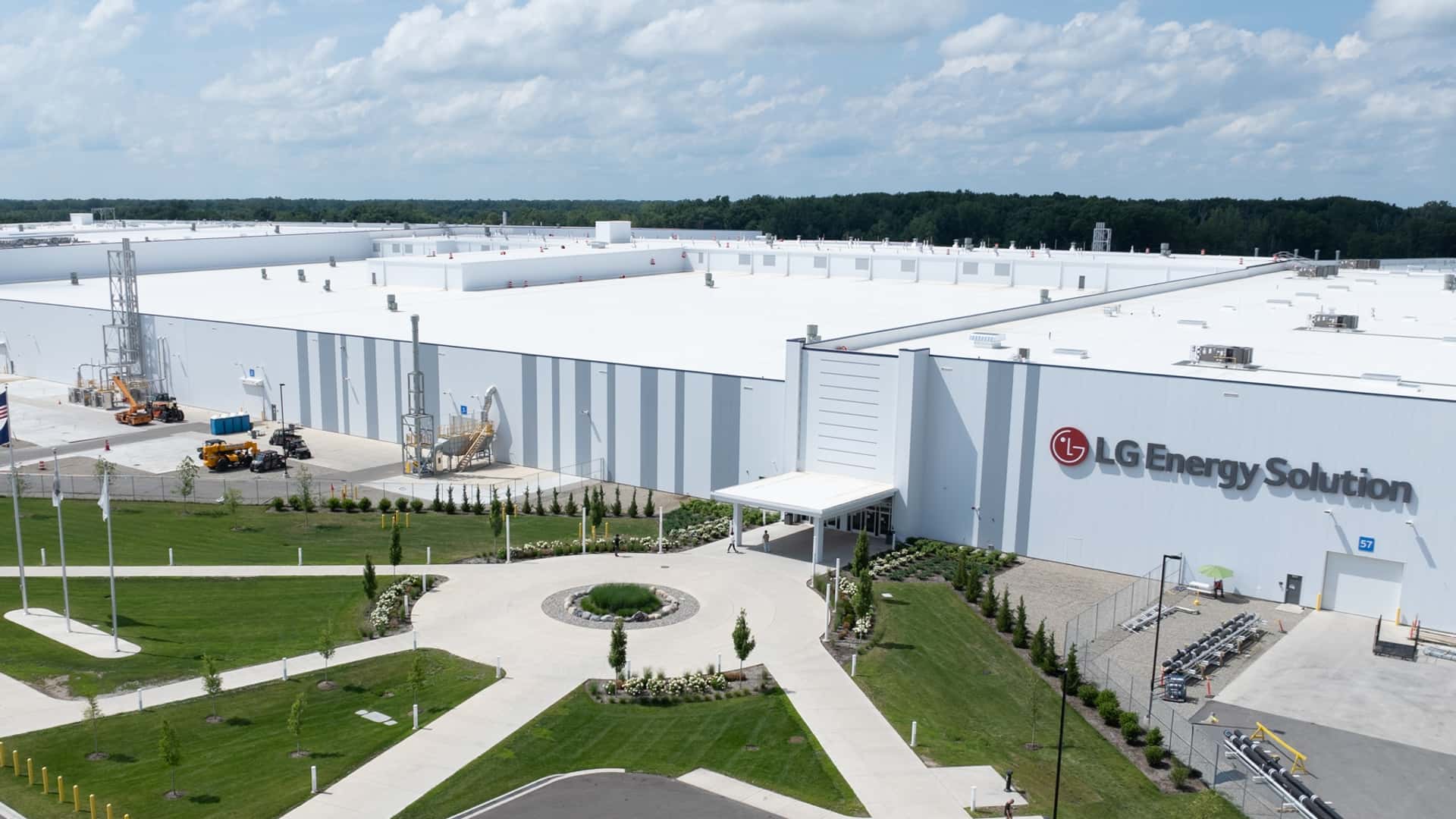
LG Energy Solution (LGES), a pivotal player in the global battery industry, announced a robust performance for the third quarter, reporting record preliminary earnings. The South Korean battery giant’s success is largely attributed to a strategic pivot towards energy storage solutions in the United States and a significant uptick in electric vehicle battery sales across Europe. This dual growth engine has allowed LGES to overcome earlier challenges stemming from slower-than-anticipated EV demand in North America.
The company’s preliminary results for Q3 underscore its adaptability in a dynamic market. According to a regulatory filing in South Korea, LGES recorded a 59% year-over-year surge in revenue, reaching an impressive $7.21 billion. Concurrently, its operating profit climbed by 25% to $565 million, signaling a strong financial rebound and strategic effectiveness. Full official results are slated for release in November, offering deeper insights into these figures.
A Quarter of Unprecedented Growth
The stellar third-quarter performance of LG Energy Solution represents a significant milestone, showcasing the company’s resilience and strategic foresight. Despite a period where several battery manufacturers in North America scaled back their electric vehicle battery production due to market deceleration, LGES found new avenues for expansion and profitability.
This remarkable growth trajectory was primarily fueled by two distinct yet interconnected market segments. Strong electric vehicle sales in Europe provided a substantial boost to the company’s EV battery division, while a burgeoning demand for stationary energy storage solutions in the U.S. created a lucrative new frontier. These factors collectively propelled LG Energy Solution to achieve its best-ever quarterly results.
European Electric Vehicle Momentum
Europe’s electric vehicle market has been a key driver of LG Energy Solution’s recent success. The region has witnessed a robust adoption rate of plug-in vehicles, leading to increased demand for high-performance EV batteries. LGES’s manufacturing facility in Poland has been at the forefront of this supply, catering to major automotive clients.
Reports from The Korea Herald indicate that the Polish plant is experiencing substantial demand from leading European automakers such as Volkswagen and Renault. Their expanding electric vehicle lineups have directly translated into significant orders for LGES, bolstering the company’s EV battery market share in the continent and substantially contributing to its overall revenue growth.
Strategic Pivot to Energy Storage in the U.S.
While the European EV market thrived, LG Energy Solution intelligently diversified its focus by tapping into the rapidly expanding energy storage sector in the United States. This strategic move proved timely, as demand for stationary energy storage batteries has surged, driven by significant infrastructure needs and technological advancements.
A primary catalyst for this demand comes from the proliferation of power-intensive AI data centers, which require reliable and robust energy solutions. Furthermore, ongoing grid upgrades across the U.S. to enhance stability and integrate renewable energy sources have created a substantial market for advanced energy storage systems (ESS). LGES has capitalized on this by establishing local ESS production capabilities at multiple U.S. plants, effectively meeting this critical domestic need.
Driving Forces: Policy Support and Supply Chain Fortification
Beyond market demand, supportive government policies and strategic supply chain initiatives have played a crucial role in LG Energy Solution’s record earnings. The U.S. Inflation Reduction Act (IRA) stands out as a significant legislative backbone, providing substantial incentives for domestic battery manufacturing.
Through the IRA, LGES has benefited from battery-manufacturing credits, which directly enhance its profitability and competitive edge in the North American market. Additionally, the company has received compensation from certain automakers for failing to meet minimum electric vehicle battery purchase requirements, further contributing to its robust bottom line. These financial mechanisms highlight a supportive regulatory environment that encourages local production and innovation in the EV battery market.
Expanding North American Manufacturing Footprint
LG Energy Solution is not merely supplying batteries but is also deeply investing in the North American manufacturing ecosystem. This commitment extends to securing raw materials and establishing state-of-the-art production facilities within the region, thereby fortifying its supply chain and enhancing domestic content for its products.
A significant development in this strategy is the company’s multi-year offtake agreement with Canada’s Electra Lithium, signed recently. Under this critical deal, LGES will receive 240,000 metric tonnes of raw lithium concentrate from Elevra’s mine in Quebec. This agreement ensures a stable and localized supply of a vital raw material, reducing reliance on volatile international markets and strengthening the overall North American battery supply chain.
Further solidifying its presence, LGES inaugurated its $2 billion gigafactory in Lansing, Michigan, in August. This advanced manufacturing facility is a testament to the company’s vision for localized production. The Michigan plant is actively producing lithium-iron-phosphate (LFP) batteries for stationary energy storage systems, which are supplied to Tesla. Concurrently, it manufactures nickel-manganese-cobalt (NMC) EV batteries for Toyota, catering to diverse needs across the electric mobility and energy storage spectrum.
The Section 45X Advanced Manufacturing Production tax credits for domestic battery manufacturing, enacted under the U.S. Inflation Reduction Act, are particularly beneficial for these local operations. These credits are designed to incentivize manufacturing within the U.S. and remain available through 2032, providing long-term support for LGES’s North American expansion and its contributions to the domestic EV battery market.
Outlook and Market Dynamics
The performance of LG Energy Solution reflects broader trends shaping the global energy landscape. The confluence of increasing electric vehicle adoption and the urgent need for enhanced energy grid stability is creating unprecedented opportunities for battery manufacturers capable of innovating and scaling production.
As the world continues its transition towards cleaner energy sources, the demand for both EV batteries and advanced energy storage systems is projected to escalate. LGES, with its diversified strategy and robust manufacturing capabilities across key regions, is strategically positioned to maintain its leadership in this evolving market. The company’s proactive investments in R&D, coupled with its commitment to localized supply chains and production, will be crucial in sustaining its growth trajectory and influencing the future of the EV battery market and sustainable energy infrastructure.
Conclusion
LG Energy Solution’s record-breaking third-quarter earnings underscore the efficacy of its dual-market strategy, successfully leveraging both the burgeoning EV demand in Europe and the critical need for energy storage solutions in the U.S. Through strategic investments in manufacturing and securing raw material supply chains in North America, bolstered by supportive government incentives, the company has navigated a complex global market to achieve significant growth.
This performance solidifies LGES’s position as a dominant force in the global battery industry, demonstrating its capacity for innovation and adaptation. As the world accelerates its shift towards electric mobility and sustainable energy infrastructure, LG Energy Solution is well-prepared to continue its upward trajectory, influencing the future of the EV battery market and beyond.
Key Takeaways (TL;DR)
- LG Energy Solution (LGES) reported record preliminary Q3 earnings, with revenue up 59% to $7.21 billion and operating profit up 25% to $565 million.
- Growth was primarily driven by strong electric vehicle battery sales in Europe and increasing demand for stationary energy storage batteries in the U.S.
- European EV demand for LGES batteries is significant from automakers like Volkswagen and Renault, supplied by its Poland plant.
- The U.S. energy storage market is booming due to power-hungry AI data centers and necessary grid upgrades, with LGES establishing local production.
- The company benefits from U.S. Inflation Reduction Act (IRA) battery-manufacturing credits and automaker compensation for unmet purchase requirements.
- LGES is fortifying its North American supply chain through agreements, such as a multi-year raw lithium concentrate deal with Canada’s Elevra Lithium.
- The new $2 billion gigafactory in Lansing, Michigan, is producing LFP ESS batteries for Tesla and NMC EV batteries for Toyota.
- Section 45X Advanced Manufacturing Production tax credits, available through 2032, continue to support domestic battery manufacturing.
FAQ Section
What contributed to LG Energy Solution’s record Q3 earnings?
LG Energy Solution’s record Q3 earnings were primarily driven by two key factors: robust electric vehicle battery sales in the European market and a significant surge in demand for stationary energy storage batteries in the United States. Policy support from the U.S. Inflation Reduction Act also played a crucial role, alongside compensation from automakers for unfulfilled purchase commitments.
How did LGES navigate the slower EV demand in North America?
While facing slower EV demand in North America, LGES strategically offset potential losses by expanding its focus on the burgeoning market for stationary energy storage batteries in the U.S. This pivot, coupled with strong performance in the European EV market, allowed the company to diversify its revenue streams and achieve overall growth despite regional challenges in the EV battery market.
What is the role of the U.S. Inflation Reduction Act in LGES’s success?
The U.S. Inflation Reduction Act (IRA) has been instrumental by providing battery-manufacturing credits, specifically the Section 45X Advanced Manufacturing Production tax credits. These incentives encourage domestic production and reduce operational costs for LGES, thereby enhancing profitability and competitiveness in the North American EV battery market and energy storage sector, with credits available until 2032.
Where does LGES source its raw materials for North American production?
LGES is actively localizing its supply chain for North American operations. The company recently signed a multi-year offtake agreement with Canada’s Elevra Lithium, securing 240,000 metric tonnes of raw lithium concentrate from a mine in Quebec. This move helps ensure a stable and regional supply of critical raw materials for its battery manufacturing.
Which companies are customers of LGES’s new Michigan gigafactory?
The newly opened $2 billion gigafactory in Lansing, Michigan, serves prominent clients in both the EV and energy storage sectors. It produces lithium-iron-phosphate (LFP) energy storage system batteries for Tesla, while also manufacturing nickel-manganese-cobalt (NMC) electric vehicle batteries specifically for Toyota, showcasing a diversified production portfolio.
What is driving the demand for energy storage batteries in the U.S.?
Demand for energy storage batteries in the U.S. is largely spurred by two significant trends. Firstly, the rapid expansion of power-intensive AI data centers requires reliable and substantial energy storage solutions. Secondly, ongoing grid modernization and upgrades nationwide aim to enhance stability and integrate more renewable energy, creating a robust market for advanced stationary energy storage systems.