
Key Takeaways
- Pilot Company and Tesla are jointly deploying a robust Tesla Megacharger network across key U.S. freight corridors, facilitating the adoption of electric heavy-duty trucks.
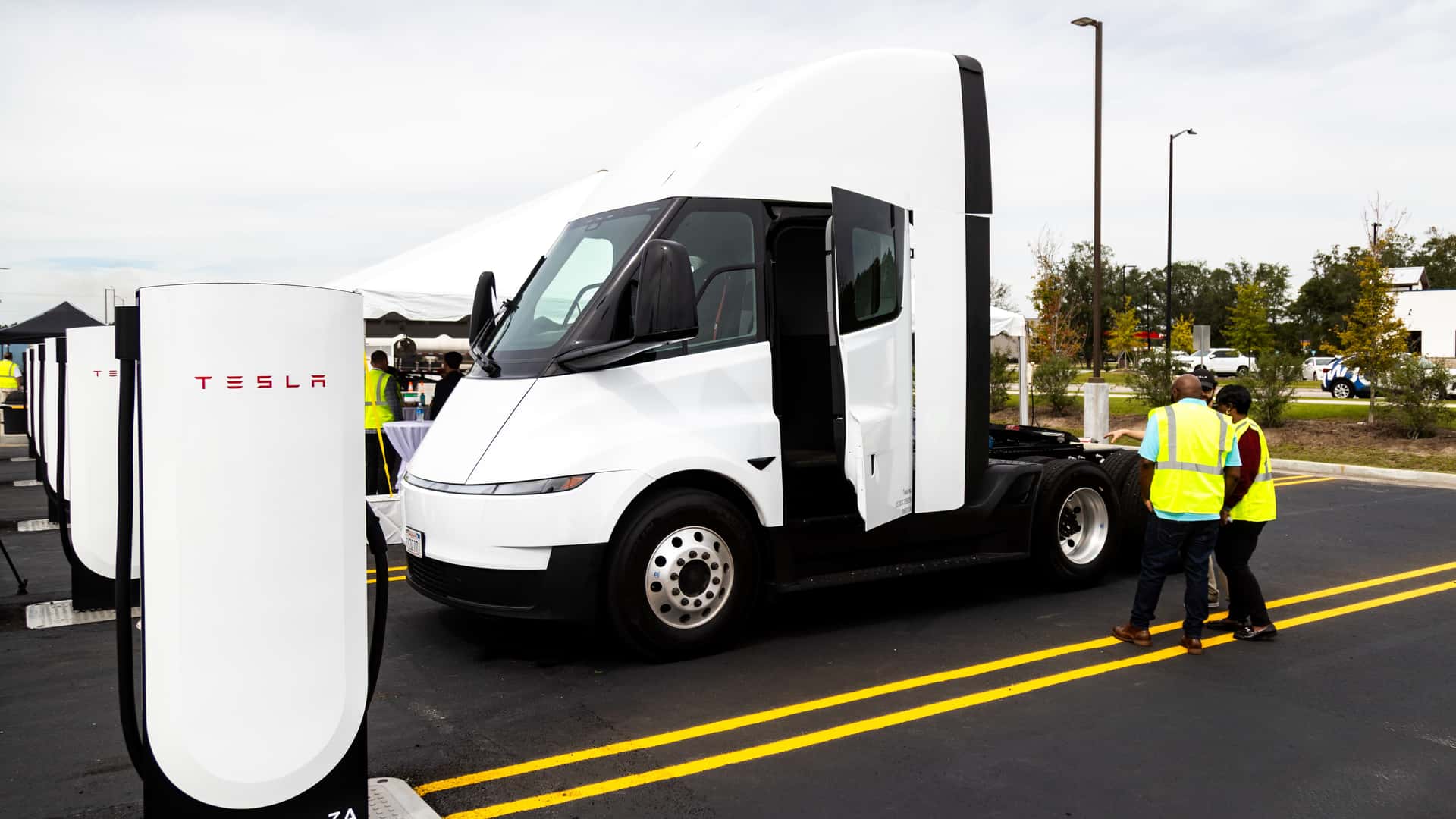
- The first operational Megacharger station is in Ellabell, Georgia, featuring six stalls capable of delivering up to 1.2 megawatts each, with a dozen more sites under construction.
- These strategic locations at Pilot travel centers provide essential amenities for truckers, allowing a 30-minute charge to boost a Tesla Semi’s state of charge by 60%.
- The initiative significantly expands charging infrastructure for commercial electric vehicles, complementing Pilot’s existing network of over 1,000 fast-charging stalls for passenger EVs.
In a significant stride towards electrifying heavy-duty transport, Pilot Company, North America’s largest travel center network, has partnered with Tesla to establish a comprehensive Tesla Megacharger network across major freight routes in the United States. This collaboration is set to revolutionize long-haul logistics by providing critical charging infrastructure for electric semi-trucks.
The joint venture marks a pivotal moment for the commercial trucking sector, addressing one of the primary challenges to electric vehicle adoption: reliable and accessible charging. By strategically placing high-powered charging stations at existing trucker hubs, the initiative aims to seamlessly integrate electric options into current operational models.

Pioneering the Future: First Megacharger Stations Go Live
The first station in this expansive Tesla Megacharger network is now fully operational at a Pilot location in Ellabell, Georgia. This facility is equipped with six Megacharger stalls, each boasting an impressive capacity of up to 1.2 megawatts of power. This substantial power output is specifically designed to meet the demanding energy requirements of the Tesla Semi electric truck.
While the Ellabell site currently requires drivers to back their Tesla Semis into the charging bays, another Tesla-energized station recently opened in Conley, Georgia, though not affiliated with Pilot, demonstrates an alternative design featuring pull-through stalls. This highlights the ongoing evolution and optimization of charging station layouts to enhance driver convenience and operational efficiency within the emerging electric commercial vehicle landscape.
The strategic deployment in Georgia underscores the importance of the southeastern U.S. as a critical hub for freight movement. Establishing high-capacity charging points here provides a strong foundation for broader electrification efforts across the nation’s logistics arteries.

Strategic Placement Along Major Freight Corridors
Pilot’s travel centers, renowned as essential stopping points for commercial truckers nationwide, are poised to host between four and eight Megachargers at selected sites. The focus of this deployment is on vital interstate highways, including I-5 and I-10, along with other key freight corridors spanning California, Indiana, Nevada, and Texas.
These corridors represent the backbone of the American supply chain, facilitating the movement of goods across vast distances. Placing charging infrastructure at these established stops ensures maximum accessibility and convenience for fleet operators transitioning to electric heavy-duty trucks. The choice of locations reflects a data-driven approach to support long-haul transportation needs effectively.
The presence of these advanced charging solutions at well-known travel centers offers a significant advantage. Truckers can access familiar amenities and services while their vehicles recharge, minimizing downtime and maximizing operational productivity. This integration into existing infrastructure is crucial for widespread adoption.
Pilot’s Commitment to Fleet Electrification
Shannon Sturgil, senior vice president of alternative fuels at Pilot, emphasized the strategic alignment of this partnership with the company’s vision. “Pilot is proud to bring heavy-duty charging directly to key trucking routes and pair it with the services and amenities drivers rely on,” Sturgil stated. “With these initial locations, we’re making fleet electrification a more accessible option for long-haul transportation and are excited to continue working with Tesla to move at the pace and preference of our customers.”
This statement underscores Pilot’s proactive stance in adapting its vast network to support the evolving demands of the transportation industry. By facilitating the shift towards electric heavy-duty trucks, Pilot is not only enhancing its service offerings but also contributing to broader sustainability goals for commercial logistics.
Enhancing Driver Experience and Operational Efficiency
The second Pilot-Tesla Semi charging station is scheduled to commence operations today at a Flying J location on E. Paige Ave. in Tulare, California. Following this, another Flying J in Fort Stockton, Texas, will soon receive a Megacharger station, alongside a Pilot Travel Center in North Las Vegas, Nevada. An additional nine sites are currently under active construction, with their specific locations to be revealed at a later date, indicating rapid expansion of the Tesla Megacharger network.
These sites are not merely charging points; they are integral parts of a larger ecosystem designed to support electric truck drivers. Pilot’s travel centers are well-known for offering a comprehensive suite of amenities, including various quick-service restaurants, comfortable rest areas, and retail options.
For electric truck drivers, these amenities are invaluable. They provide an opportunity to take mandatory breaks, refresh, and refuel themselves while their rigs are undergoing a rapid charge. This synergy between charging infrastructure and driver comfort is key to encouraging the shift from traditional diesel trucks to electric models, making the transition as smooth as possible for commercial fleets.
Powering Up: The Efficiency of Megachargers
The efficiency of the Tesla Megacharger system is a significant factor in promoting the adoption of electric heavy-duty trucks. A 30-minute top-up can boost a Tesla Semi’s state of charge by an impressive 60%. This rapid charging capability is critical for long-haul operations, where minimizing downtime is paramount for maintaining tight delivery schedules and operational profitability.
Considering the typical daily routes and rest stops required by regulations, integrating these quick charging sessions into existing driver schedules becomes highly feasible. This allows fleet managers to plan routes with confidence, knowing that their electric trucks can quickly get back on the road, effectively matching or even surpassing the logistical flexibility of diesel counterparts.
The ability to regain a substantial range in a short period helps to alleviate range anxiety, a common concern for potential adopters of electric commercial vehicles. This advancement in charging speed directly impacts the viability and attractiveness of electric semi-trucks for high-mileage applications, propelling the overall growth of the electric fleet.
Pilot’s Broader EV Charging Vision
Beyond its groundbreaking partnership with Tesla for heavy-duty vehicles, Pilot Company has demonstrated a long-standing commitment to expanding electric vehicle charging solutions across its network. The company already boasts over 1,000 fast-charging stalls catering to regular electric passenger vehicles.
Through strategic alliances with industry leaders like General Motors and EVgo, Pilot has successfully energized 1,300 fast-charging stalls across 300 locations throughout the country. This existing infrastructure for passenger EVs provides a robust foundation and proven operational expertise that can be leveraged for the expansion of the Tesla Megacharger network.
The future outlook for Pilot’s EV charging initiatives is even more ambitious, with plans to make no fewer than 2,000 chargers available across 500 Pilot travel centers in the near future. This dual-pronged approach — serving both passenger and heavy-duty electric vehicles — positions Pilot as a central player in the nationwide transition to electric mobility across all segments.
The Road Ahead for Electric Commercial Transport
The rapid expansion of the Tesla Megacharger network, spearheaded by the collaboration between Tesla and Pilot, signifies a monumental step forward for electric commercial transport. This initiative not only provides essential infrastructure but also builds confidence among fleet operators contemplating the transition to zero-emission vehicles.
As more Megacharger stations come online along critical freight corridors, the economic and environmental benefits of electric heavy-duty trucks will become increasingly attainable. Reduced fuel costs, lower maintenance, and decreased emissions are powerful incentives that will drive further adoption and accelerate the decarbonization of the logistics industry.
The strategic synergy between Tesla’s innovative electric truck technology and Pilot’s extensive national travel center network is creating a robust ecosystem. This ecosystem is designed to support the demanding operational realities of long-haul trucking, ensuring that the future of freight is increasingly electric, efficient, and sustainable.
Frequently Asked Questions about Tesla Megachargers
- What is the Tesla Megacharger network?
- The Tesla Megacharger network is a developing infrastructure of high-power charging stations specifically designed for the Tesla Semi electric truck. This network is crucial for enabling long-haul electric freight transportation across key routes by providing rapid and efficient charging solutions.
- Where is the first Tesla Megacharger station located?
- The first operational Tesla Megacharger station, part of the partnership with Pilot Company, is located at a Pilot Travel Center in Ellabell, Georgia. This initial site features six Megacharger stalls, supporting the burgeoning electric heavy-duty truck market in the region.
- How powerful are Tesla Megachargers?
- Each Tesla Megacharger stall is capable of delivering up to 1.2 megawatts of power. This extremely high power output is necessary to quickly replenish the large battery packs of electric semi-trucks, ensuring minimal downtime for commercial operations and maintaining logistics efficiency.
- How quickly can a Tesla Semi charge at a Megacharger?
- A Tesla Semi can achieve a significant charge boost in a relatively short period. A 30-minute charging session at a Megacharger can increase the truck’s state of charge by 60%, allowing for efficient route planning and compliance with driver rest periods.
- Which U.S. states are prioritized for Megacharger expansion?
- The initial expansion of the Tesla Megacharger network is strategically focused on major freight corridors, including I-5 and I-10. Key states for this development include California, Indiana, Nevada, and Texas, chosen for their critical roles in national logistics and commercial trucking routes.
- Does Pilot Company offer charging for other electric vehicles?
- Yes, Pilot Company is actively involved in broader EV charging initiatives. In addition to the Tesla Megacharger network for heavy-duty trucks, Pilot has partnered with General Motors and EVgo to establish over 1,000 fast-charging stalls for regular electric passenger vehicles across numerous locations nationwide.