
Key Takeaways
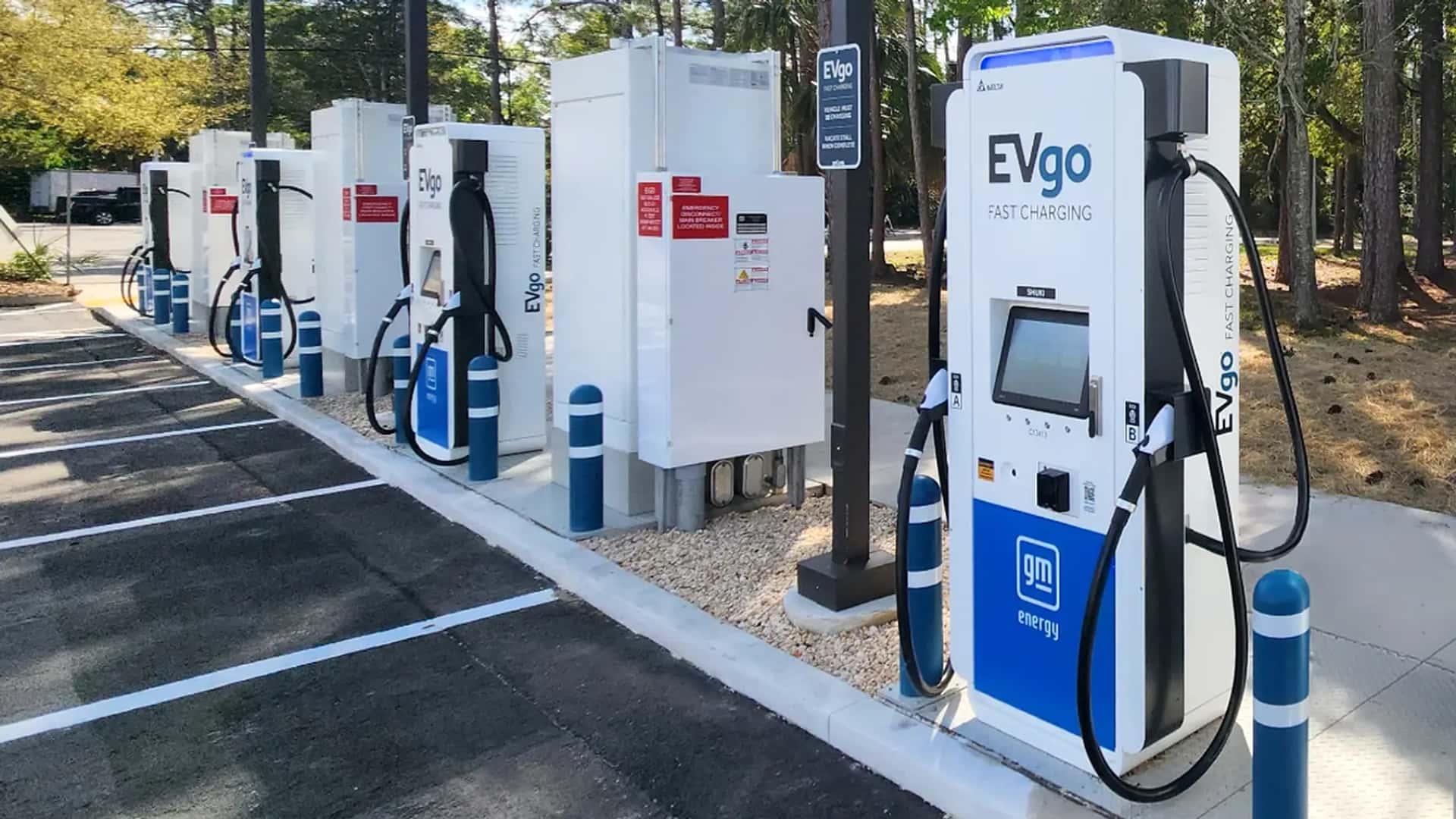
- EVgo, a leading electric vehicle (EV) charging network in the United States, is set to deploy new 750 kW EV chargers.
- These next-generation charging stalls will be more than twice as powerful as the company’s current offerings, significantly enhancing charging speeds.
- The new system will feature dynamic power sharing, optimizing charging for multiple connected EVs simultaneously.
- EVgo plans to increase the integration of North American Charging Standard (NACS) ports across its expanded network, broadening accessibility for EV drivers.
- This upgrade aims to enable ultra-fast 10-minute charging sessions for compatible electric vehicles, addressing a critical need for rapid turnaround times.
In a significant move poised to reshape the electric vehicle charging landscape across the United States, EVgo, one of the nation’s largest public EV charging networks, has announced plans to roll out a new generation of high-powered EV chargers. These advanced units will deliver a substantial 750 kilowatts (kW) of power, marking a profound leap in charging capability.
This new system represents more than double the capacity of EVgo’s current maximum offering, which stands at 350 kW. The deployment of these ultra-fast EV chargers is expected to dramatically reduce charging times, offering a much-needed boost to the burgeoning EV market.
Pioneering Innovation at EVgo’s Lab
The development of these cutting-edge EV chargers is underway at EVgo’s dedicated Innovation Lab in El Segundo, California. The company, distinguishing itself as one of the few operators in the country with the in-house capabilities to design and build its own hardware, is currently engaged in the rigorous design, development, and testing phases.
This commitment to internal innovation underscores EVgo’s expertise and strategic vision for advancing charging technology. The lab serves as a crucial hub for ensuring the reliability, efficiency, and future compatibility of its next-generation charging solutions.
Enhanced User Experience: Touchless Payments and Dynamic Power Sharing
While many specifics regarding the design of EVgo’s 750 kW EV chargers remain under wraps, several key details have emerged, pointing towards a significantly improved user experience. Foremost among these is the integration of a touchless payment interface.
This feature will allow drivers to initiate and pay for charging sessions without the need for a dedicated smartphone application, streamlining the process and making it more accessible. Such convenience is vital for mass EV adoption and reducing potential barriers to entry for new users.
Another groundbreaking aspect of the new hardware is its dynamic power sharing capability. This intelligent system is designed to dynamically allocate optimal power to each connected EV, ensuring that every vehicle receives the maximum charge it can handle efficiently.
For instance, if a Lucid Gravity and a Tesla Model 3 are simultaneously connected to the same stall, the system will intelligently distribute power. The Lucid Gravity could receive up to 400 kW, while the Tesla Model 3 would be allocated around 250 kW, ensuring both vehicles charge at their respective optimal rates.
Future-Proofing the Charging Network
The strategic deployment of 750 kW EV chargers is a clear indication of EVgo’s commitment to future-proofing its expansive network. While currently, no electric vehicles sold in the United States can fully utilize a 750 kW charging rate, the automotive industry is rapidly evolving.
Globally, advancements are already being made, with some electric cars overseas capable of accepting 1,000 kW or more. By introducing such high-capacity EV chargers now, EVgo is preparing its infrastructure for the next wave of high-performance electric vehicles and heavier-duty applications.
This forward-thinking approach particularly benefits the emerging market for electric trucks. These commercial vehicles typically feature massive battery capacities that require substantial power input to achieve reasonable charging times, making 750 kW a highly relevant and necessary upgrade for efficient operation.
Boosting NACS Port Deployment
Complementing its technological advancements, EVgo also intends to significantly boost the deployment of North American Charging Standard (NACS) ports at its new stations. This strategic shift is designed to expand its addressable market substantially in the near future.
The move towards broader NACS integration reflects a growing industry trend and aligns with efforts to standardize charging connectors, thereby enhancing convenience and compatibility for a wider range of EV drivers across the continent.
Transforming Charging Sessions: The 10-Minute Promise
For everyday EV drivers, the most tangible benefit of these new 750 kW EV chargers will be drastically reduced charging times. EVgo projects that its new system will facilitate 10-minute charging sessions for the fastest-charging vehicles available in the country.
This rapid turnaround time is a game-changer, bringing the EV charging experience closer to the speed and convenience of traditional refuelling. Such efficiency is critical for long-distance travel and alleviating range anxiety, encouraging broader adoption of electric vehicles.
America’s EV Charging Landscape and Future Outlook
Despite ongoing efforts, the United States has acknowledged falling behind some other developed nations in the pace of vehicle electrification. However, the introduction of EVgo’s high-powered EV chargers signals a robust commitment to catching up and enhancing the national charging infrastructure.
The availability of a solid selection of fast-charging EVs in the market means a substantial number of current and future electric vehicles will be able to benefit from these new, high-capacity stalls. This investment in advanced EV chargers is a crucial step towards building a resilient and convenient charging ecosystem.
EVgo currently operates a vast network, comprising nearly 2,000 DC fast charging stations across the United States, offering over 5,300 individual ports, according to the Department of Energy’s Alternative Fuels Data Center (AFDC). This substantial existing footprint provides a strong foundation for integrating the new, more powerful EV chargers.
Further details regarding the final design and the initial deployment schedule for the 750 kW system are expected to be unveiled next year. The rollout will mark a new chapter in the evolution of public EV charging, promising faster, more efficient, and more user-friendly experiences for electric vehicle owners nationwide.