
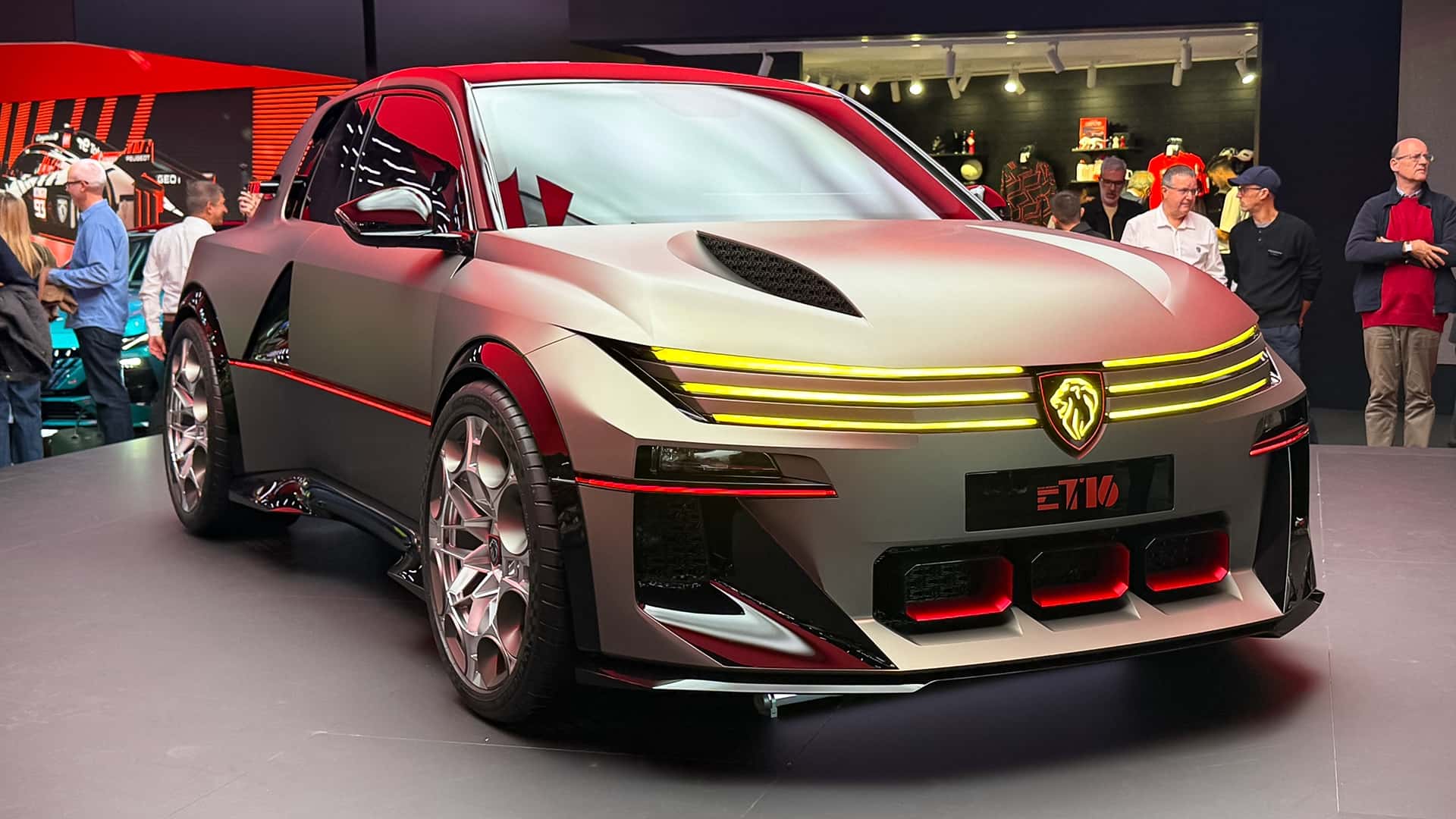
The automotive landscape in Europe is undergoing a profound transformation, vividly demonstrated at the recent Paris Auto Show. Once perceived as a declining event in 2022, with major European brands conspicuously absent, the exhibition has resurged in 2026 as a pivotal battleground for the future of electric vehicles (EVs). This resurgence is marked by intense competition, particularly in the segment of affordable EV choices, where both Chinese and European manufacturers are showcasing their most innovative offerings.
This year’s event highlights a significant shift: while Chinese brands continue their aggressive expansion, European automakers are no longer on the defensive. Instead, they are presenting a robust challenge, fueled by a renewed strategic focus on electrification and consumer value. The sheer number of new EV models, many designed for budget-conscious buyers, signals a vibrant, competitive market that is rapidly evolving.
Key Takeaways:
- The Paris Auto Show, once struggling, has become a vibrant showcase for new electric vehicles in 2026, contrasting sharply with its 2022 state.
- Chinese automakers, who capitalized on the 2022 show with affordable EV choices, remain strong but now face robust competition from a revitalized European industry.
- European manufacturers are actively developing new, reasonably-priced EV models and concepts, such as the Citroën 2CV concept aiming for 15,000 euros.
- Chinese brands like BYD, Geely, and Xpeng are deepening their investment in European manufacturing, with Xpeng’s L03 compact crossover slated for production in Austria.
- Collaboration between European and Chinese firms, like Stellantis and Leapmotor, is accelerating EV development timelines, fostering innovation and quicker market response.
- The global market, especially Europe, is witnessing an explosion of accessible electrified vehicles, creating a stark contrast with the comparatively limited affordable EV choices in the U.S.
The Shifting Tides: Paris Auto Show 2022 vs. 2026
Just four years prior, in 2022, the atmosphere at the Paris Auto Show was notably subdued. Many in the industry, particularly in the United States, viewed auto shows as relics of the past. European giants like Mercedes-Benz, for instance, chose to unveil their EQE SUV at the prestigious Musée Rodin rather than maintain an official presence at the show itself, despite the proximity in timing. This widespread absence of prominent European marques left the exhibition feeling somewhat vacant, echoing sentiments that the traditional auto show format was indeed “dead.”
However, amidst this European reticence, Chinese manufacturers identified and seized a crucial opportunity. Brands such as BYD and Great Wall Motors, through its Ora and WEY sub-brands, made their debut at the Paris Auto Show with an array of new EV and PHEV models. These weren’t the large, often unaffordable crossover SUVs prevalent elsewhere; instead, they were compact hatchbacks and crossovers, designed to be relatively affordable and offering competitive range. These affordable EV choices stood out against the limited and often pricier electrified options available from established players, capturing significant interest from French consumers and marking their initial, impactful foray into the European market.
Chinese Brands’ Early Inroads
This strategic move by Chinese automakers allowed them to make substantial inroads into the European market. They effectively addressed a burgeoning demand that traditional manufacturers had overlooked: the value-conscious buyer seeking an electrified vehicle. By offering practical and accessible EV solutions, Chinese brands cultivated a loyal customer base and reshaped market expectations for affordable EV choices and electric mobility.
Europe’s Resurgence: A ‘Full-On Assault’ of New Models
Fast forward to 2026, and the narrative has dramatically shifted. The latest Paris Auto Show presented a stark contrast to its 2022 iteration, with a palpable sense of urgency and innovation from European automakers. According to observers who were present at both events, the current year signals that “the whole world has got its rear in gear,” and a serious competitive spirit has emerged to challenge the dominance of Chinese brands.
The show floor was characterized by a “full-on assault of new models and concepts.” Renault Group, for example, garnered significant attention with production models from Dacia and visionary concepts from Alpine and Renault. The Renault E-Space concept, an electric MPV, paid homage to the original 1980s Espace design, symbolizing a forward-looking yet heritage-conscious approach. All showcased concepts from the group were electrified, aligning with Renault Group Chief Growth Officer Fabrice Cambolive’s vision of “Voitures à vivre” or “cars for living”—vehicles engineered to seamlessly integrate electrification into daily life. The company is actively exploring how electrification can define the future direction of its diverse brands.
Focus on Affordability and Innovation
Similarly, Stellantis unveiled a range of EV concepts across its European brands. The overarching strategy for European automakers is clear: to preempt Chinese market dominance by meeting the escalating demand for reasonably-priced EVs. This involves developing models that are both economical and engaging. A prime example is the Citroën 2CV concept, which reportedly “stolen the show,” evoking the charm of its iconic predecessor while targeting an impressive price point of 15,000 euros, or just under $17,000 based on current exchange rates. This concept exemplifies the European commitment to expanding affordable EV choices.
Upon its market release, the 2CV concept is set to join an expanding roster of accessible European EVs. This includes established models like the Renault Twingo and Dacia Spring, alongside anticipated additions such as the Nissan Pixo, Kia EV2, and Volkswagen ID. Polo. This proliferation of new nameplates, many of which did not exist or were not publicly discussed at the 2022 show, underscores the rapid acceleration of the European electric vehicle market in delivering affordable EV choices.
Chinese Presence and Strategic Integration
While European brands are undeniably stepping up their game, Chinese automakers maintained a formidable presence at the 2026 Paris Auto Show. An estimated 25 different Chinese brands showcased models spanning various price ranges, demonstrating their continued commitment to the European market. However, this robust presence is not necessarily indicative of an impending “market meltdown” for European incumbents.
Crucially, several leading Chinese brands, including BYD, Geely, and Xpeng, are executing strategic plans to invest significantly in Europe’s manufacturing infrastructure. Xpeng, for instance, reported that its L03 compact crossover has accumulated 12,000 orders since its summer launch, with production for this model slated to occur in Austria by Magna-Steyr. This local investment signals a long-term commitment and a move beyond mere export, fostering integration rather than pure competition.
Analyst and consultant Lei Xing provided valuable insight into this evolving dynamic, stating via email: “If I had to summarize this year’s Paris Motor Show, it would be hope, introspection, and integration. European brands are trying hard, and they are starting to figure some things out, even if it means the Chinese providing a compromise in terms of halving the hybrid/plug-in export volume but at the same time getting help from the Chinese.” This observation highlights a complex interplay of competition and collaboration.
Collaboration and Accelerated Timelines
This sentiment of integration extends to direct partnerships. Some Chinese brands are now serving as crucial collaborators for longstanding European automakers. Reuters has reported that Antonio Filosa, head of Stellantis Pro One, indicated that working with companies like Leapmotor has created a complementary relationship. Leapmotor’s agility and expertise have proven beneficial for Stellantis, which is striving to meet market demand by accelerating its manufacturing processes for affordable EV choices.
The 2026 Paris Auto Show also saw the debut of the Leapmotor B03 hatchback, complementing its B03X small crossover. These models launched in Europe mere weeks after their Chinese counterparts, illustrating the rapid pace of development and market deployment. This accelerated timeline is also evident in European efforts, such as the Dacia Spring, which was developed in less than two years. This intense period of learning and rapid development underscores a collective effort across the industry to respond swiftly to consumer needs and compete effectively in the global electric vehicle market, particularly in offering diverse and affordable EV choices.
The Global EV Landscape: A Call for Urgency
From an outside perspective, particularly for markets like the U.S., observing the wide array of affordable EV choices becoming available globally, especially in Europe, can be a source of frustration. While China rightfully remains a central figure in discussions about accessible EVs, the emergence of a truly diverse and serious selection of electrified vehicles from other manufacturers marks a significant positive development. This growing competition and availability are beneficial for consumers worldwide and hold substantial implications for environmental sustainability.
The renewed urgency demonstrated by both Chinese and European automakers to innovate and deliver accessible electric mobility solutions is commendable. It is an evolution that many hope will soon extend to other major markets, including the United States, thereby expanding the global availability of truly affordable EV choices for all.
FAQ Section
Q: What was the main difference between the 2022 and 2026 Paris Auto Shows?
A: The 2022 show saw many European brands absent and Chinese brands making initial inroads with affordable EVs. In contrast, the 2026 show featured a strong resurgence from European automakers, actively competing with Chinese firms through a wide array of new, reasonably-priced electric vehicle models and concepts.
Q: How did Chinese automakers initially gain traction in the European market?
A: In 2022, Chinese manufacturers like BYD and Great Wall Motors debuted at the Paris Auto Show with new EV and PHEV models, including small, affordable hatchbacks and crossovers. These vehicles offered competitive range and price points, appealing to value-conscious European buyers that existing brands had not adequately served.
Q: Which European brands are now focusing on affordable EVs?
A: Renault Group, with its Dacia and Renault brands, and Stellantis, with concepts like the Citroën 2CV, are leading this charge. Other brands mentioned include Alpine, Nissan (Pixo), Kia (EV2), and Volkswagen (ID. Polo), all contributing to a growing range of accessible electric vehicle options.
Q: Are Chinese manufacturers investing in European production?
A: Yes, prominent Chinese brands such as BYD, Geely, and Xpeng are investing significantly in Europe’s manufacturing base. For example, Xpeng plans to produce its L03 compact crossover in Austria, indicating a strategy of deeper integration into the European automotive ecosystem.
Q: What is the significance of collaborations like Stellantis and Leapmotor?
A: These partnerships highlight a trend of integration and shared learning within the industry. Leapmotor’s speed and expertise in EV development are complementing Stellantis’s efforts to rapidly manufacture models, accelerating timelines and fostering innovation to meet consumer demand for electric vehicles efficiently.
Q: What does the article suggest about the U.S. EV market?
A: The article notes a stark contrast, expressing frustration that while Europe and other global markets are witnessing a wide variety of affordable EV choices, options in the U.S. continue to be limited. It conveys a hope that this global urgency to create accessible EVs will soon reach the American market.