
Key Takeaways
The Paris Motor Show underscored a significant technology gap between European and Chinese electric vehicle manufacturers. Chinese brands like BYD, Li Auto, and Zeekr showcased advanced EV charging technology, superior software, and plush interiors, often at competitive price points. In contrast, European legacy automakers largely presented concept cars and re-imagined heritage models, signaling a reliance on brand legacy and design. Facing declining sales in China, U.S. tariffs, and growing competition at home, European firms are grappling with multifaceted European auto industry challenges. While design and emotional appeal remain strong assets, rapid execution and innovation are critical for them to compete effectively in the evolving global EV market.
The recent Paris Motor Show served as a striking tableau, vividly illustrating the intensifying competition within the global electric vehicle (EV) market. Amidst the grandeur of the Paris expo Porte de Versailles, it was not the established European automotive giants but rather a formidable cadre of Chinese EV manufacturers that captured significant attention, showcasing a technological prowess that has put the traditional industry on notice.
Walking through the exhibition halls, advertisements for Chinese powerhouses like Geely and BYD were ubiquitous, with Li Auto commanding one of the initial prominent booths. While stalwarts such as Renault and Peugeot were present, their offerings, particularly in the realm of cutting-edge EV technology, often seemed overshadowed by the audacious innovations displayed by their Asian counterparts.
The New Electric Frontier: Chinese Innovation Dominates
Chinese brands presented a compelling vision of future mobility, characterized by rapid advancements in charging infrastructure, sophisticated in-car software, and distinctive design philosophies. Companies like Zeekr, Li Auto, Denza, and BYD unveiled vehicles boasting capabilities that were almost unimaginable just a few years prior, fundamentally reshaping expectations for electric mobility.
Among the standout exhibits was the ultra-plug-in-hybrid Zeekr 9X, featuring an impressive 111-mile electric range coupled with luxurious recliners. Li Auto’s Megahome concept, with its “mobile home from the future” aesthetic, pushed boundaries in automotive design and functionality. Furthermore, BYD demonstrated cars capable of achieving a 10-97% charge in a staggering nine minutes, a benchmark that few, if any, Western manufacturers could match at the event.
Li Auto’s inaugural European-market EV, the i6, further exemplified this technological leadership. It promises a 10-80% charge in under 11 minutes, alongside features such as massaging rear recliners, an intuitive software interface, and a supremely comfortable air suspension system. These attributes position Chinese electric vehicles as not merely alternatives, but as frontrunners in critical performance metrics and luxury features.
European Legacy Brands Lean on Heritage and Design
In stark contrast to the technology-forward approach of their Chinese rivals, European firms at the Paris Motor Show largely opted for a strategy rooted in tradition and historical resonance. Rather than emphasizing groundbreaking new EV technology, many unveiled re-interpreted concept versions of their most iconic models, aiming to leverage deeply ingrained brand loyalty and nostalgic appeal.
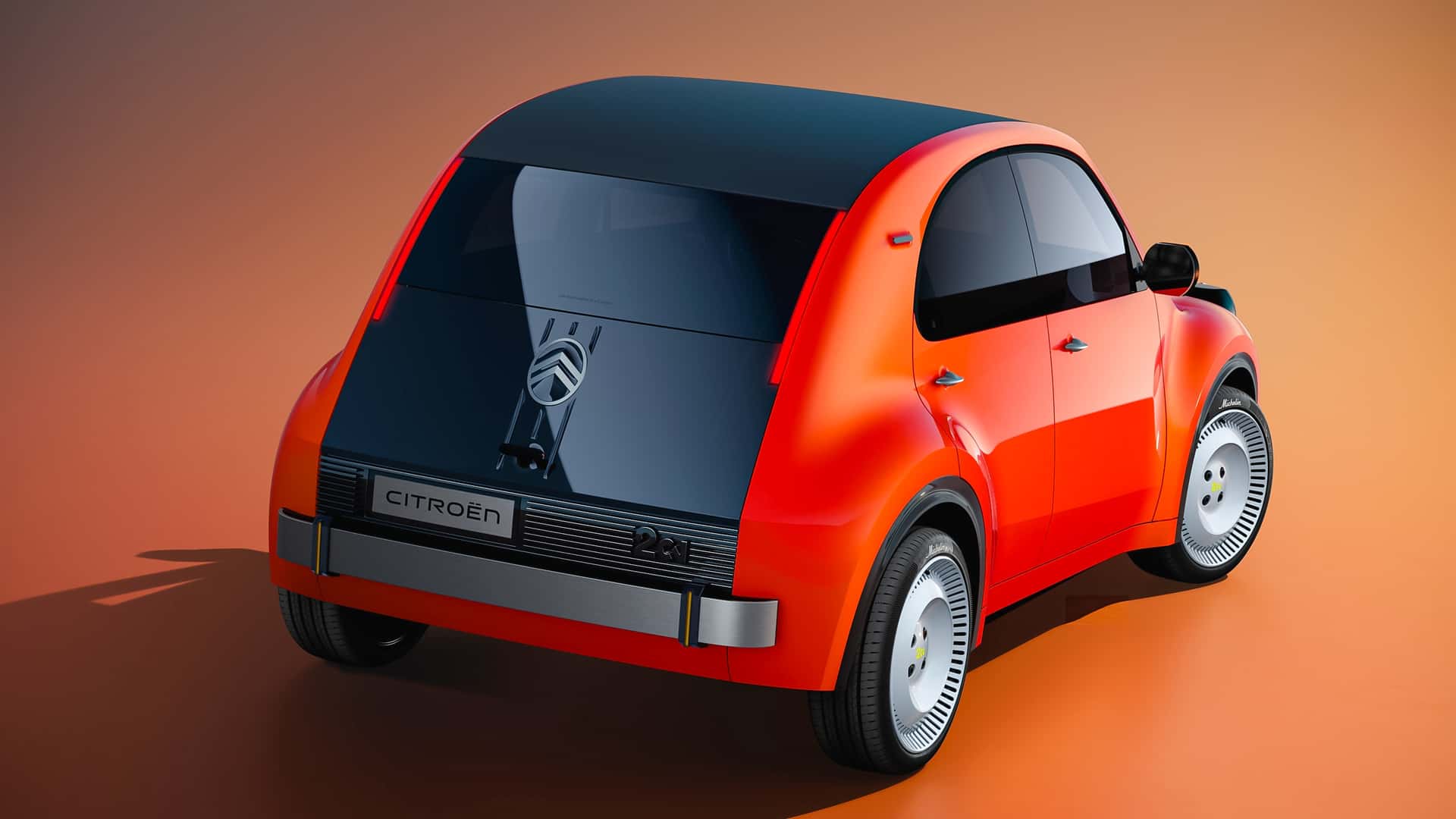
Examples included the Renault Espace, a beloved MPV reimagined for the electric era, and the tantalizing prospect of a modern Citroen 2CV, evoking the charm of the original while hinting at future possibilities. Alpine also showcased a vision for the A310, tapping into its storied racing heritage. The implicit message from these legacy automakers was clear: “Stick with us, and it’ll be just like the good ole’ days.”
This strategy, however, raises a crucial question about its efficacy in a market increasingly driven by technological innovation and performance specifications. While the Chinese brands arrived with production-ready “spec sheet monsters,” many of Europe’s most exciting presentations were still in the conceptual phase. The ability of these European brands to translate compelling designs into market-ready vehicles with competitive technology remains a significant challenge.
The Critical Charging Technology Gap
The disparity in EV charging technology was particularly pronounced at the show. At least five production models on display could achieve a 10-80% charge in less than 11 minutes, and notably, none of these were from Western brands. Mercedes-Benz’s forthcoming AMG GT 4-Door, for instance, touts an 11-minute charge time for this range, a figure the brand proudly highlights.
However, this achievement paled in comparison to the rapid advancements demonstrated by Chinese manufacturers. When Zeekr mentioned that its updated 7X, which already boasts a European waiting list, now charges from 10-80% in 10.5 minutes, the announcement was delivered without undue emphasis. This reflects a domestic market where such speeds are increasingly becoming table stakes rather than a bragging right.
Companies like Geely and BYD are already deploying Megawatt charging speeds, enabling charges from 10-97% in under nine minutes, and an astonishing 10-70% in under five. When Li Auto stated its first European model, the Li 6, could achieve a 10-80% charge in approximately 10 minutes, it felt more like a baseline expectation for advanced electric vehicles than a unique selling proposition in this fiercely competitive environment. This quantifiable difference underscores a qualitative edge in battery and charging infrastructure that Chinese electric vehicles currently hold.
Navigating a Shifting Global Automotive Landscape
The challenges facing the European auto industry are multi-faceted and intensifying, extending beyond mere technological parity. European automakers are increasingly aware of their vulnerable position on the global stage. While American legacy firms also face a technology gap, they benefit from regulatory protection in their home market, which effectively curtails the influx of Chinese EVs.
For European manufacturers, however, the problem is immediate and acute. They are contending with a triple threat: plummeting sales in the Chinese market as domestic competitors rapidly gain market share, eroding profits in the American market due to aggressive tariffs, and a growing threat to their home market share from an expanding roster of Chinese brands. Concurrently, elevated energy, labor, and stringent regulatory costs within Europe further exacerbate their ability to compete globally.
This stark reality is no longer being ignored, with executives across the European auto industry sounding alarms on earnings calls and in discussions with government officials. As their respective nations contemplate the potential loss of one of their most valuable industrial sectors, there is a clear willingness to implement defensive measures to safeguard the automotive industry.
Tariffs and Trade Barriers: A Limited Shield
To mitigate the competitive onslaught, Chinese electric vehicles already encounter substantial tariffs in Europe, with some brands like Li Auto facing cumulative duties exceeding 40%. Historically, these tariff rates excluded hybrids, but Europe is now tightening restrictions on hybrid imports as well. Despite these formidable barriers, Chinese manufacturers continue to pose a significant threat through aggressive pricing strategies and superior product offerings.
For instance, Li Auto plans to price the Li 6 in line with BMW’s iX3, even though the Chinese vehicle often offers more interior space and faster charging capabilities, albeit with a potentially different maximum range profile. This illustrates that legal and tariff protections, while significant, may not be sufficient on their own to stem the tide of Chinese innovation and market penetration. The “best defense is a good offense” adage resonates here, pushing European companies to accelerate their efforts to close the technological gap.
While models like the BMW iX3 offer impressive range and the Mercedes GLC EV boasts surprising efficiency, these attributes alone may not ignite the necessary consumer excitement. This is precisely why European firms are leaning heavily on their exceptional design and branding teams, hoping to rekindle the emotional connection and luster that has historically defined their products.
Can Heritage and Design Bridge the Technology Divide?
The effectiveness of relying on heritage and design remains a complex question. During a test drive of the Li 6 in Paris, experiencing its exceptional head-up display, Tesla-esque quick interface, remarkably comfortable seats, and luxurious ride quality, it was easy to feel pessimistic about Western industry prospects. The vehicle underscored the advanced integrated experience Chinese manufacturers are delivering.
However, a moment of clarity arrived with the sight of a meticulously staged group of multi-colored Renault Twingo EVs gracefully circling a roundabout. The sheer charm and distinctiveness of these vehicles evoked an undeniable smile. This incident highlighted a fundamental truth: cars are often an emotional purchase, and a legendary design, reimagined for the electric age, can wield considerable power in captivating consumers, even when facing rivals with cost advantages and superior technical specifications.
The potential for a reborn 2CV, designed to be as friendly and unique as its predecessor yet more refined, exemplifies this. Similarly, while the E-Space concept, a lounge-on-wheels featuring coach doors, might seem familiar, the presence of swivel-seat Chinese production EVs at the same show suggests that Renault could realistically bring such an innovative interior to market. Fantastic designs like the Renault 5 and Twingo EVs could prove to be durably charming, carving out a niche even as Chinese options with lower prices and longer ranges saturate the market.
For this to materialize, European companies must execute their plans with unprecedented speed and precision. Chinese manufacturers are renowned for their rapid product development cycles, quickly introducing new models, experimenting, and discarding less successful ideas with agility. This iterative, fast-paced approach is a critical lesson for the European auto industry.
European brands must embrace a culture of accelerated innovation, take calculated risks, and operate from a position of humility, acknowledging their current competitive disadvantage. In an environment of shrinking profits and heightened competition, this paradigm shift is challenging. It’s akin to gambling with one’s last dollar. However, at the Paris Motor Show, European automakers appeared ready to make that bet, placing their faith in their iconic designs, rich legacies, and loyal customer bases to sustain them until they can decisively match their Chinese rivals, blow for blow. The path ahead is fraught with challenges, and success is far from guaranteed, but for the European auto industry, the question remains: what other viable choice do they have?
FAQ Section
What were the main highlights of Chinese EVs at the Paris Motor Show?
Chinese EV manufacturers, including BYD, Li Auto, and Zeekr, showcased cutting-edge charging technology, with some models achieving 10-97% charge in just nine minutes. They also highlighted advanced software, luxurious interiors like massaging recliners, and innovative designs, demonstrating a rapid pace of development and iteration in electric vehicle technology.
How did European automakers respond to Chinese competition?
European automakers largely focused on their heritage and design legacy, unveiling concept cars and modernized versions of iconic models such as the Renault Espace, Citroen 2CV, and Alpine A310. This strategy aimed to evoke brand loyalty and emotional connection rather than directly competing on raw technological specifications like charging speed or software iteration.
What is the key technological gap identified between European and Chinese EVs?
A significant gap was observed in charging technology, where several Chinese production cars offered 10-80% charge times under 11 minutes, with some even faster at 10-97% in nine minutes. European offerings, even advanced ones like the Mercedes AMG GT 4-Door, could only match these times at best, indicating Chinese automakers are several iterations ahead in developing software-defined, 800-volt EV platforms.
What are the economic challenges facing the European auto industry?
The European auto industry faces declining sales in China due to domestic competition, profit erosion in the U.S. market from tariffs, and increasing competition from Chinese brands at home. Higher energy, labor, and regulatory costs within Europe further strain their ability to compete globally, creating significant European auto industry challenges.
Are European governments implementing measures to protect their auto industry?
Yes, European governments are weighing protective measures. Chinese EVs already face substantial tariffs, exceeding 40% for some brands. Additionally, restrictions on hybrid imports are being tightened. These actions aim to create a defensive shield for the domestic auto industry against intense international competition, though their long-term effectiveness is debated.
Can European design and brand heritage truly compete with Chinese technology and pricing?
While superior technology and competitive pricing are critical, the emotional appeal of design and brand heritage remains a strong asset for European automakers. Models like the Renault Twingo EV and a revived 2CV could leverage this. However, success hinges on their ability to rapidly execute, bring exciting concepts to market quickly, and integrate competitive technology to complement their design strengths.