
**Key Takeaways:**
- The Paris Motor Show revealed a stark contrast: Chinese electric vehicle (EV) manufacturers showcased advanced technology and rapid charging capabilities, while European legacy brands largely emphasized heritage-inspired concept cars.
- Chinese companies like Zeekr, Li Auto, Denza, and BYD presented production models boasting ultra-fast charging (as low as 9 minutes for 10-97% charge), advanced software, and innovative designs.
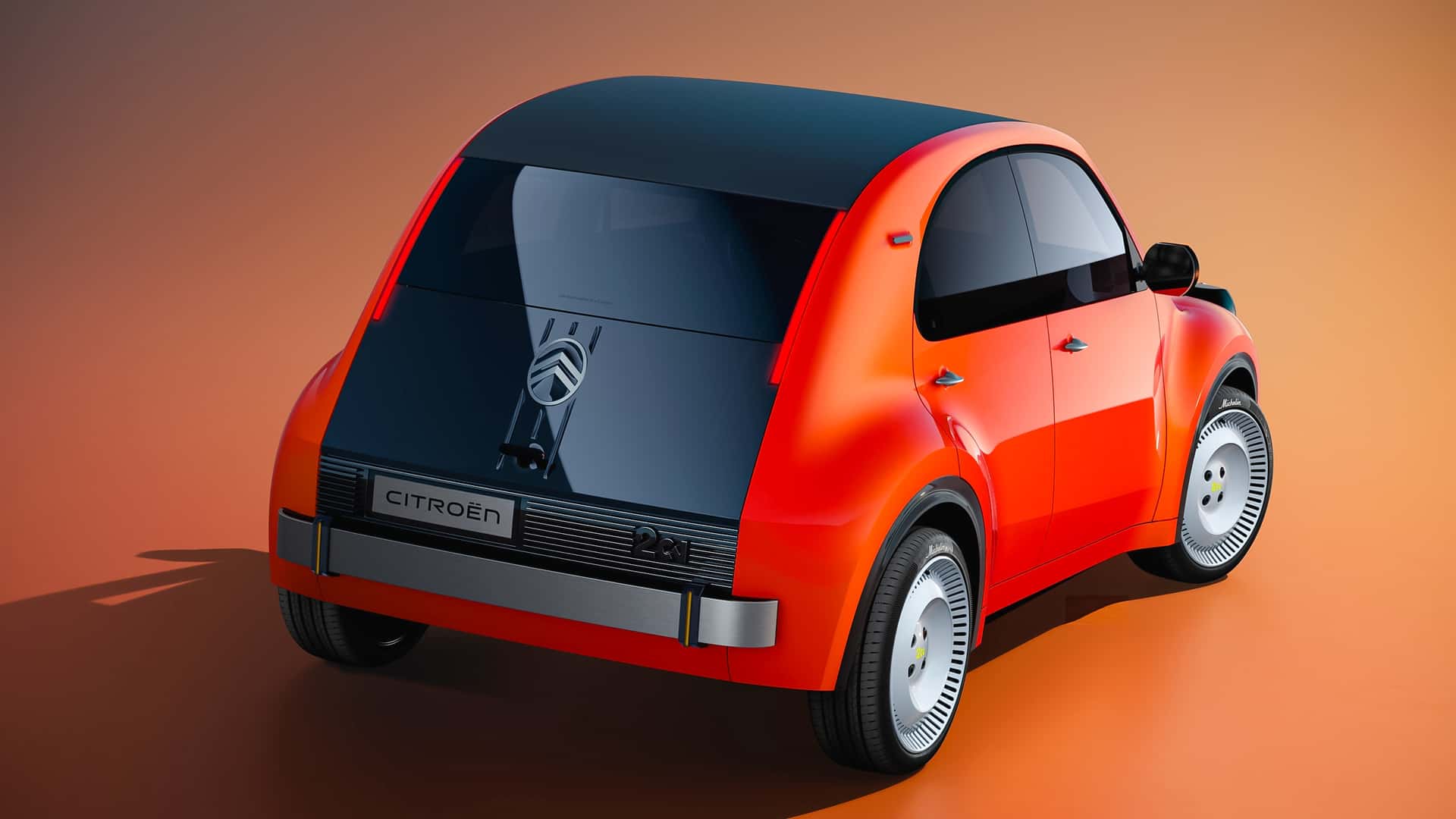
- European automakers, including Renault and Citroën, responded with re-imagined versions of classic models, signaling a strategy rooted in design and brand loyalty rather than cutting-edge EV performance.
- The technological gap in areas like charging speed and software-defined vehicle platforms highlights a significant challenge for European firms, who are perceived to be several iterations behind their Chinese counterparts.
- Facing market share erosion in China, tariff pressures in the U.S., and fierce competition at home, European car companies are under immense pressure to accelerate innovation and production timelines to match the pace of their rivals.
PARIS – The recent Paris Motor Show served as a critical juncture, spotlighting the evolving landscape of the global automotive industry. While once a bastion for Western car manufacturers to unveil their latest innovations, the 2024 edition saw Chinese electric vehicle (EV) companies command significant attention, presenting a formidable challenge to established European car companies on their home turf.

Advertisements for Chinese automotive giants like Geely and BYD dominated the Parisian exhibition grounds, a clear indicator of their aggressive expansion ambitions. Prominent booths showcased brands such as Li Auto, Zeekr, and Denza, whose offerings underscored a notable technological lead in the burgeoning electric vehicle market.
Chinese Innovators Redefine EV Performance and Features
Chinese manufacturers arrived in Paris with a fleet of production-ready models that boasted impressive technical specifications and innovative design philosophies. These brands showcased capabilities that were virtually unimaginable just a few years prior, fundamentally redefining consumer expectations for electric vehicles.
For instance, Zeekr introduced the 9X, an ultra-plug-in-hybrid featuring an impressive 111-mile electric range and luxurious interior amenities, including plush recliners. Li Auto unveiled the Megahome, described as a “mobile home from the future” due to its distinctive aesthetic and spacious design. Meanwhile, BYD demonstrated vehicles capable of mind-bending 10-97% charging times in just nine minutes.
The Li Auto i6, the brand’s first European-market EV, exemplified this technological prowess. It promised a 10-80% charge in under 11 minutes, complemented by massaging rear recliners, intuitive software, and a supremely comfortable air suspension system. Such features underscore a rapid pace of innovation that has positioned Chinese companies at the forefront of EV development.
European Car Companies Revisit Classic Designs
In contrast to the tech-forward offensive from the East, European car companies at the Paris Motor Show largely adopted a strategy rooted in nostalgia and brand legacy. Unable to immediately match the advanced EV technology presented by their Chinese counterparts, these legacy automakers chose to emphasize their rich history and distinctive design heritage.
Concept versions of iconic models were prominently displayed, aiming to evoke a sense of familiarity and emotional connection with consumers. Renault presented a re-interpreted Espace, while Citroën teased the return of the beloved 2CV. Alpine showcased the A310 Vision concept, a modern rendition of its classic sports car.
The implicit message from European automakers was clear: “Stick with us, and it’ll be just like the good ole’ days.” This approach prioritizes design and brand identity, hoping to leverage established customer loyalty as a shield against the technological onslaught from Chinese competitors.
The Widening Gap in EV Charging Technology
One of the most striking disparities observed at the exhibition was in rapid charging capabilities. Several Chinese production cars on display could achieve a 10-80% charge in under 11 minutes. In fact, some models from Geely and BYD even demonstrated Megawatt charging speeds, allowing for a 10-97% charge in under nine minutes and a 10-70% charge in less than five.
This makes the 11-minute 10-80% charge time of Mercedes’ upcoming AMG GT 4-Door, a figure the brand proudly touted, seem less groundbreaking when viewed against the performance of its Chinese rivals. When Zeekr mentioned the updated 7X, which already has a waiting list in Europe, could charge from 10-80% in 10.5 minutes, it was presented almost as an incidental update rather than a key selling point in its domestic market.
The Li 6, Li Auto’s inaugural model for the European market, also achieves a 10-80% charge in approximately 10 minutes. For Chinese manufacturers, these rapid charging speeds have become “table stakes”—a baseline expectation rather than a premium feature—reflecting their advanced development in 800-volt and even 900-volt software-defined vehicle (SDV) platforms. Many European car companies, conversely, are only now introducing their first generation of such technologies.
European Automakers Under Pressure: A Multi-Front Battle
European car companies are acutely aware of their increasingly vulnerable position in the global automotive landscape. Unlike their American counterparts, who benefit from protective regulations limiting Chinese EV imports, European firms are contending with immediate and significant challenges across multiple fronts.
Sales for many European automakers are collapsing in China, a market where domestic competitors are rapidly gaining market share. In the American market, aggressive tariffs are eroding potential profits. Most critically, the home European market itself is now facing a direct threat from an expanding list of technologically advanced Chinese brands. Compounding these issues are higher energy, labor, and regulatory costs within Europe, further hindering their global competitiveness.
Executives across the European automotive industry have openly acknowledged this precarious situation, sounding alarms on earnings calls and in discussions with government officials. As their home countries grapple with the potential decline of a cornerstone industry, there is a clear willingness to implement defensive strategies to protect domestic manufacturing.
Navigating Tariffs and Competitive Pricing
In response to the escalating threat, Chinese EVs already face substantial tariffs in Europe, with some brands like Li Auto encountering cumulative duties exceeding 40%. Historically, these tariff rates excluded hybrids, but Europe is now tightening restrictions on hybrid imports as well, indicating a broader protective stance.
Despite these significant barriers, Chinese manufacturers continue to pose a competitive pricing threat. Li Auto, for example, plans to price its Li 6 model in line with BMW’s iX3 in Europe. The Li 6 offers superior interior space and faster charging speeds, providing a compelling value proposition even with the added tariff costs, while the iX3 counters with a longer maximum range.
This scenario suggests that current legal and tariff barriers may not be sufficient to fully stem the tide. Consequently, European car companies are scrambling to close the technology gap. While models like the iX3 offer impressive range and the Mercedes GLC EV showcases remarkable efficiency, these attributes alone may not generate sufficient consumer excitement against the backdrop of innovative Chinese offerings.
The Power of Design and Brand Loyalty
In this challenging environment, European automakers are increasingly leaning on their strengths in design and brand building. The belief is that exceptional design and a strong brand identity can foster an emotional connection with consumers, potentially outweighing a purely technological advantage.
A compelling example is the Renault Twingo E-Tech Electric. Its distinctive and charming design, coupled with decent EV technology, demonstrates that an appealing aesthetic can indeed capture consumer interest. Similarly, the reborn Citroën 2CV concept, promising a friendly and unique character, aims to recapture the emotional appeal of its legendary predecessor.
Even the Renault E-Space concept, envisioned as a lounge-on-wheels with coach doors, suggests a potential future direction. The presence of production-ready swivel-seat Chinese EVs on the same floor indicates that Renault could realistically bring such an innovative interior concept to market, appealing to a segment seeking unique comfort and versatility.
The Urgent Need for Swift Execution
For these design-led strategies to succeed, European car companies must execute their plans with unprecedented speed and agility. Unlike Chinese companies, which rapidly iterate and bring new products to market, often experimenting and quickly discarding unsuccessful ideas, European manufacturers have historically operated on longer development cycles.
The potential success of models like the 2CV and E-Space, or the widely anticipated Renault 5 and Twingo EVs, hinges on their ability to deliver compelling products at competitive prices and with matching technological specifications. This is crucial as Chinese options continue to flood the market, offering lower prices and longer ranges.
European brands must embrace a culture of faster innovation, greater risk-taking, and a humble acknowledgment of their current competitive position. This requires gambling with significant resources in an environment of dwindling profits and heightened competition. The Paris Motor Show underscored this existential dilemma for European car companies: betting on their design legacy and loyal customer bases may be their only viable path to sustained relevance until they can fully match the technological prowess of their formidable Chinese rivals.
FAQ Section
Q1: What was the main contrast observed at the Paris Motor Show regarding EVs?
A1: The Paris Motor Show highlighted a clear divide: Chinese EV manufacturers showcased advanced battery technology, rapid charging, and innovative software in production models. In contrast, European car companies largely presented heritage-inspired concept vehicles, emphasizing design and brand history rather than cutting-edge EV performance.
Q2: How do Chinese EV charging speeds compare to European offerings?
A2: Chinese EVs demonstrated significantly faster charging, with several production models achieving a 10-80% charge in under 11 minutes, and some reaching 10-97% in as little as 9 minutes. Many European automakers are only now introducing their first 800-volt systems, making their current charging times less competitive by comparison.
Q3: Why are European car companies focusing on “heritage” and concept cars?
A3: European car companies are leveraging their rich design history and established brand identity to connect emotionally with consumers. This strategy is a response to their current inability to match the rapid technological advancements and cost efficiencies of Chinese EV manufacturers, buying time to develop more competitive production models.
Q4: What challenges do European automakers face in the global market?
A4: European car companies are facing a multi-front assault: declining sales in the critical Chinese market, profit erosion from aggressive tariffs in the United States, and intense competition from Chinese brands entering their home European market. Additionally, higher operational costs within Europe exacerbate their competitive disadvantage.
Q5: Are current tariffs enough to protect European car companies from Chinese competition?
A5: The article suggests that existing tariffs, some exceeding 40% on Chinese EVs and now extending to hybrids, may not be sufficient. Chinese brands like Li Auto are still able to offer competitively priced models with advanced features, indicating that European car companies need to accelerate their own technological development.
Q6: What is the proposed solution for European car manufacturers to compete?
A6: The solution involves European car companies moving faster, taking more risks, and operating with humility. They need to accelerate product development cycles, bring exciting concepts to market quickly with competitive technology, and leverage their strong design and branding to maintain customer loyalty while catching up technologically.