
Key Takeaways
The recent Paris Motor Show served as a stark indicator of the evolving global automotive landscape, particularly in the electric vehicle (EV) segment. Chinese automakers displayed a commanding lead in advanced EV capabilities, including ultra-fast charging and sophisticated software, while their European counterparts predominantly leaned on their rich heritage and iconic designs.
Chinese electric vehicle technology presented impressive charging times, with several models demonstrating 10-80% charge in under 11 minutes, and some even achieving 10-97% in just 9 minutes. This technological prowess starkly contrasted with the offerings from established European brands.
European manufacturers are currently navigating significant challenges, including declining sales in the crucial Chinese market, aggressive tariffs impacting profitability in the United States, and intense competition from Chinese brands entering their home turf. While regulatory and tariff barriers are being implemented, the imperative for European companies to rapidly innovate and translate their promising concept designs into market-ready vehicles has never been more urgent.
The Shifting Sands of Automotive Innovation in Paris
The atmosphere at the Paris expo Porte de Versailles, host to the latest Paris Motor Show, offered a telling glimpse into the future of the global automotive industry. Despite being held in the heart of Europe, the event was heavily influenced by the assertive presence of Chinese automotive giants. Advertisements for brands like Geely and BYD were ubiquitous, and the initial exhibits prominently featured manufacturers such as Li Auto, immediately signaling a new competitive order.
While traditional European powerhouses like Renault and Peugeot were present, their displays often struggled to capture the same level of attention as their Chinese rivals, particularly for those keenly observing advancements in electric vehicle technology. The exhibition floor revealed a clear dichotomy: a surge of innovation from the East juxtaposed with a reliance on legacy from the West.
Chinese Challengers Dominate with Advanced Electric Vehicle Technology
Chinese automakers arrived in Paris showcasing a compelling array of cutting-edge electric vehicle technology. Brands such as Zeekr, Li Auto, Denza, and BYD presented vehicles boasting impressive specifications and unconventional designs that redefined expectations for modern EVs. Innovations included rapid charging times, formidable power figures, and sophisticated interior features.
For instance, the ultra-plug-in-hybrid Zeekr 9X captivated audiences with its 111-mile electric range and luxurious reclining seats. Li Auto’s Megahome concept, characterized by its “mobile home from the future” aesthetic, demonstrated forward-thinking design and functionality. BYD made a significant impact by showcasing cars capable of 10-97% charge times in a mere 9 minutes, a figure that underscores their technological leadership in rapid charging solutions.
European Stalwarts Lean on Legacy and Design
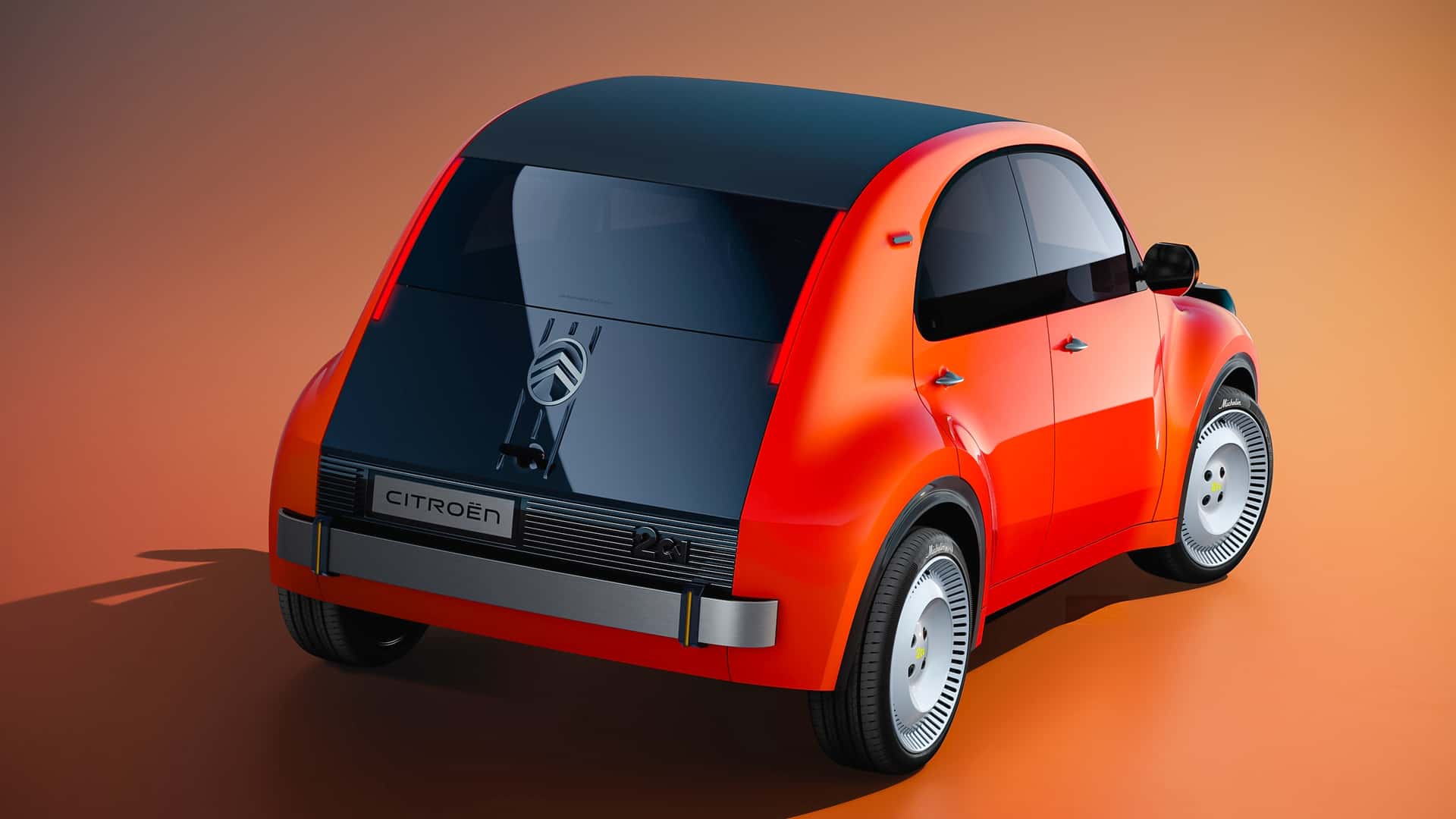
In contrast to the bold technological statements from Chinese manufacturers, European firms largely adopted a strategy centered on heritage and design. Many European brands chose to present re-interpreted concept versions of their most iconic models. Examples included the Renault Espace, the reintroduction of the Citroën 2CV concept, and the Alpine A310 Vision concept.
This approach conveyed a clear message to consumers: a promise of familiarity, tradition, and a return to the “good old days” of European automotive excellence. However, a critical question looms: will this reliance on historical appeal be sufficient to fend off the technologically superior and rapidly expanding cadre of Chinese competitors in the European market?
The distinction was stark: Chinese brands showcased production-ready vehicles with advanced specifications, while many of the most exciting European efforts remained in the conceptual stage. The long-term success of this strategy hinges on whether European automakers can swiftly bring these captivating designs to market, integrated with electric vehicle technology that can genuinely rival the best from China.
The Intensifying EV Charging Race
The Paris Motor Show unmistakably underscored the critical role of charging speed in the modern EV market, revealing a significant disparity between Eastern and Western manufacturers. At least five production models on display from Chinese brands boasted the ability to charge from 10-80% in under 11 minutes. None of these pioneering vehicles were from Western manufacturers, highlighting a clear competitive advantage in Chinese EV technology.
Western Brands Lag in Rapid Charging Capabilities
Even European luxury brands, traditionally leaders in automotive engineering, found themselves playing catch-up. Mercedes-Benz’s upcoming AMG GT 4-Door, for example, achieves a 10-80% charge in precisely 11 minutes, a benchmark the brand proudly highlights. However, this figure is already being surpassed by Chinese rivals. Zeekr, for instance, casually announced that its updated 7X, a model already generating a waiting list in Europe, now charges from 10-80% in a mere 10.5 minutes, demonstrating that such speeds are becoming standard rather than exceptional in the Chinese market.
The rapid advancements in charging infrastructure and battery technology by Chinese automakers are evident. Companies like Geely and BYD are already deploying Megawatt charging speeds, enabling astonishingly fast charge times such as 10-97% in under 9 minutes, and 10-70% in less than five minutes. Against this backdrop, Li Auto’s announcement that its first European model, the Li 6, could achieve a 10-80% charge in around 10 minutes, felt more like a baseline expectation than a groundbreaking achievement.
The Software-Defined Vehicle Advantage
The competitive edge of Chinese EV technology extends beyond charging speeds to the fundamental architecture of their vehicles. While Western luxury brands like Mercedes-Benz and BMW are just beginning to introduce their first software-defined, 800-volt EVs, Chinese automakers are already several generations ahead. Many Chinese manufacturers are on their second, fifth, or even tenth iteration of software-defined vehicle (SDV) platforms. This iterative development allows for rapid improvements in vehicle intelligence, user experience, and overall performance.
Even plug-in hybrids from Chinese brands demonstrate this advanced technological integration. The Geely 9X PHEV, for instance, operates at an impressive 900 volts, showcasing a commitment to high-voltage architecture that optimizes efficiency and performance across their diverse product range. This continuous evolution in software and electrical architecture provides Chinese companies with a qualitative advantage that permeates various aspects of their electric vehicle technology.
European Automotive Industry Under Siege
The current global automotive landscape has placed European automakers in an increasingly precarious position. There is a palpable awareness within the industry that they are operating from a stance of vulnerability. While American legacy firms also face technological gaps, they currently benefit from stringent domestic regulations that effectively impede the entry of Chinese EVs into their market, deferring their existential challenge to a future date.
Global Pressures and Domestic Challenges
For European manufacturers, the crisis is immediate and multifaceted. They are experiencing significant setbacks on three primary fronts. Firstly, sales in China, once a lucrative market, are collapsing as agile domestic competitors rapidly capture market share. Secondly, profits derived from the American market are being eroded by aggressive tariffs. Thirdly, their home market is now under direct threat from a growing influx of Chinese brands offering compelling electric vehicle technology.
Compounding these external pressures are internal challenges, including higher energy costs, elevated labor expenses, and a complex regulatory environment at home. These factors collectively make it increasingly difficult for European companies to maintain global competitiveness, putting immense strain on one of their highest-value industries.
Regulatory Responses and Market Realities
European automotive executives are no longer denying these significant challenges. They have actively voiced their concerns during earnings calls and in discussions with government bodies, sounding alarms about the potential long-term impact on their businesses. In response, European nations are beginning to implement defensive measures to protect their domestic auto industry.
Chinese EVs already face substantial tariffs in Europe, with some brands like Li Auto reportedly encountering cumulative duties exceeding 40%. Furthermore, Europe is tightening restrictions on hybrid vehicle imports, a category previously less impacted by trade barriers. Despite these protective measures, Chinese manufacturers continue to pose a formidable challenge. Li Auto, for example, intends to price its Li 6 model competitively with vehicles like the BMW iX3 in the European market. The Li 6 offers superior interior space and faster charging speeds, even though the iX3 boasts greater maximum range. This aggressive pricing strategy, even with tariffs, underscores the intense competition.
Heritage as a Strategic Asset: A Path Forward?
Given the technological and cost advantages held by Chinese competitors, European automakers recognize that regulatory and tariff barriers alone are insufficient. The adage that “the best defense is a good offense” rings true, and European companies are scrambling to bridge the technological gap. While models like the BMW iX3 offer impressive range and the Mercedes GLC EV showcases surprising efficiency, sheer technical specifications may not be enough to ignite consumer excitement.
The Emotional Appeal of Iconic Designs
This is where Europe’s rich design heritage and powerful branding come into play. Automakers are leveraging their design teams to recapture the emotional luster that may have been overshadowed by Chinese EV technology. The hope is that consumers will prioritize the emotional connection to established brands and iconic designs.
An illustrative moment from the Paris show highlighted this potential. While driving the Li 6, an impressive vehicle with a best-in-class head-up display, a Tesla-like rapid interface, exceptionally comfortable seats, and a luxurious ride, the initial pessimism about Western industry chances was palpable. However, witnessing a vibrant convoy of multi-colored Renault Twingo EVs circle a roundabout evoked a smile. This observation underlined a crucial aspect: despite technological and cost advantages found in vehicles like the BYD Dolphin Surf, car purchases are often deeply emotional decisions. Leaning on legendary design can significantly influence this emotional connection.
The same principle applies to concepts like the reborn Citroën 2CV, which retains the friendly and unique appeal of the original while offering a modernized aesthetic. The Renault E-Space concept, though another iteration of the “lounge-on-wheels” coach-door design, gains credibility given the actual production of swivel-seat Chinese EVs now entering the market, suggesting such features could become a reality for European brands.
Urgency for Execution Amidst Fierce Competition
The potential for these heritage-inspired designs to succeed is significant, provided European companies can execute their plans swiftly and effectively. A well-priced and appropriately specced 2CV could be a considerable hit. The E-Space could effectively challenge the growing number of E-MPVs from new brands. Furthermore, compelling designs like the Renault 5 and Twingo EVs possess an inherent charm that could prove durable, even as the market is flooded with Chinese options offering lower prices and longer ranges.
However, the critical factor is speed of execution. Chinese companies operate with remarkable agility, moving quickly from concept to market. They iterate rapidly, introduce new products frequently, and are adept at quickly discontinuing less successful ventures. This contrasts sharply with the often-slower development cycles of traditional European automakers.
European brands must adopt a similar pace, embrace greater risks, and operate from a position of humility, acknowledging their current disadvantage. In an environment characterized by shrinking profit margins and escalating competition, this is undoubtedly a difficult proposition. No company wishes to gamble with its core business. Yet, at the Paris Motor Show, European automakers appeared to be placing their bets, hoping that their iconic designs, enduring legacies, and loyal customer bases will provide the necessary resilience until they can truly compete with Chinese EV technology, blow for blow. The path ahead is fraught with challenges, and success is far from guaranteed. Nevertheless, as the event concluded, the prevailing sentiment was that, for European automotive giants, there may be no other viable option.
Frequently Asked Questions (FAQ)
What was the main observation at the Paris Motor Show regarding EVs?
The primary observation was the significant lead held by Chinese automakers in advanced electric vehicle technology, especially concerning rapid charging and sophisticated software. European brands, in contrast, largely focused on showcasing their historical heritage and iconic designs.
How do Chinese EV charging speeds compare to European ones?
Chinese EVs demonstrated superior charging capabilities, with several models achieving 10-80% charge in under 11 minutes, and some even reaching 10-97% in just 9 minutes. European offerings, such as Mercedes’ AMG GT 4-Door, were noted to take 11 minutes for a 10-80% charge, lagging behind the cutting-edge Chinese EV technology.
What challenges do European automakers face in the EV market?
European automakers are grappling with declining sales in China, profit erosion due to US tariffs, and increasing competition from Chinese brands entering their home market. They also face higher domestic energy, labor, and regulatory costs, making global competitiveness difficult.
Are there any regulatory measures in place to protect European automakers?
Yes, Chinese EVs currently face steep tariffs in Europe, with some facing duties exceeding 40%. Additionally, Europe is tightening restrictions on hybrid imports. However, these measures do not fully offset the technological and cost advantages of Chinese manufacturers.
How are European brands attempting to counter Chinese EV technology?
European brands are largely leaning on their rich design heritage and strong brand identities, re-interpreting iconic models as concepts. The strategy aims to leverage emotional consumer appeal and design excellence, hoping to buy time until they can develop competitive electric vehicle technology.
What is a software-defined vehicle (SDV) and why is it important?
An SDV is a vehicle whose features and functions are primarily enabled and controlled by software, allowing for over-the-air updates and rapid innovation. Chinese automakers are several iterations ahead in SDV platform development, providing a significant advantage in vehicle intelligence and user experience over Western brands.
Can European heritage and design effectively compete with advanced EV technology?
While heritage and design create strong emotional connections, they must be quickly paired with competitive electric vehicle technology. The success of this strategy depends heavily on European companies’ ability to rapidly execute, bring promising concepts to market, and innovate faster to match Chinese advancements in performance and cost.