
Key Takeaways
- The Paris Motor Show highlighted a stark contrast: Chinese automakers showcased cutting-edge EV technology with ultra-fast charging and advanced software, while the European auto industry largely leaned on heritage-inspired concept cars.
- Chinese brands like BYD, Zeekr, and Li Auto demonstrated production EVs capable of 10-80% charging times in under 11 minutes, significantly outpacing their Western counterparts.
- European legacy automakers face a multi-front challenge, losing market share in China, facing tariffs in the U.S., and now confronting aggressive competition from Chinese EVs on their home turf.
- Despite regulatory hurdles like tariffs and tightening import restrictions, Chinese manufacturers continue to offer highly competitive pricing and advanced features.
- The European auto industry’s strategy hinges on leveraging strong brand design, emotional appeal, and historical legacy to maintain consumer loyalty, but rapid execution on technology is paramount for long-term survival.
PARIS – The recent Paris Motor Show served as a striking tableau, vividly illustrating the shifting dynamics within the global automotive market. While traditionally a showcase for European innovation, the event saw a conspicuous ascent of Chinese electric vehicle (EV) manufacturers, presenting a formidable challenge to the established players in the European auto industry.
Walking through the bustling plazas of the Paris expo Porte de Versailles, the presence of Chinese brands like Geely, BYD, and Li Auto was undeniable. Their advertisements dominated, and their booths were replete with production-ready vehicles boasting revolutionary electric vehicle technology. This assertive display underscored a clear competitive gap.
Chinese Innovation Takes Centre Stage
Chinese automakers arrived in Paris with a compelling narrative of technological leadership. Brands such as Zeekr, Li Auto, Denza, and BYD captivated attendees with their advancements in EV capabilities.
These companies showcased vehicles offering remarkably short charging times, exceptional power figures, and innovative designs. For instance, the ultra-plug-in-hybrid Zeekr 9X, running at 900 volts, boasted an impressive 111-mile electric range and luxurious interior features like plush recliners. Similarly, the Li Auto Megahome presented a visionary concept, described as a “mobile home from the future,” pushing the boundaries of vehicle design and functionality.
Perhaps most strikingly, BYD demonstrated cars capable of charging from 10% to 97% in a mere nine minutes, a figure that dramatically redefines expectations for EV charging infrastructure and speed. This rapid charging capability, coupled with sophisticated software integration and advanced battery technology, positioned Chinese brands as frontrunners in critical areas of EV development.
Li Auto’s initial offering for the European market, the i6, further exemplifies this technological prowess, achieving an 80% charge from 10% in under 11 minutes. It also features massaging rear recliners, an intuitive software interface, and a plush air suspension system, setting a high bar for comfort and digital integration.
The European Counterpoint: Leaning on Legacy
In stark contrast to the Chinese focus on groundbreaking EV technology, European manufacturers at the show frequently turned to their storied past. Brands such as Renault, Peugeot, Citroën, and Alpine presented re-interpreted concept versions of their most iconic models.
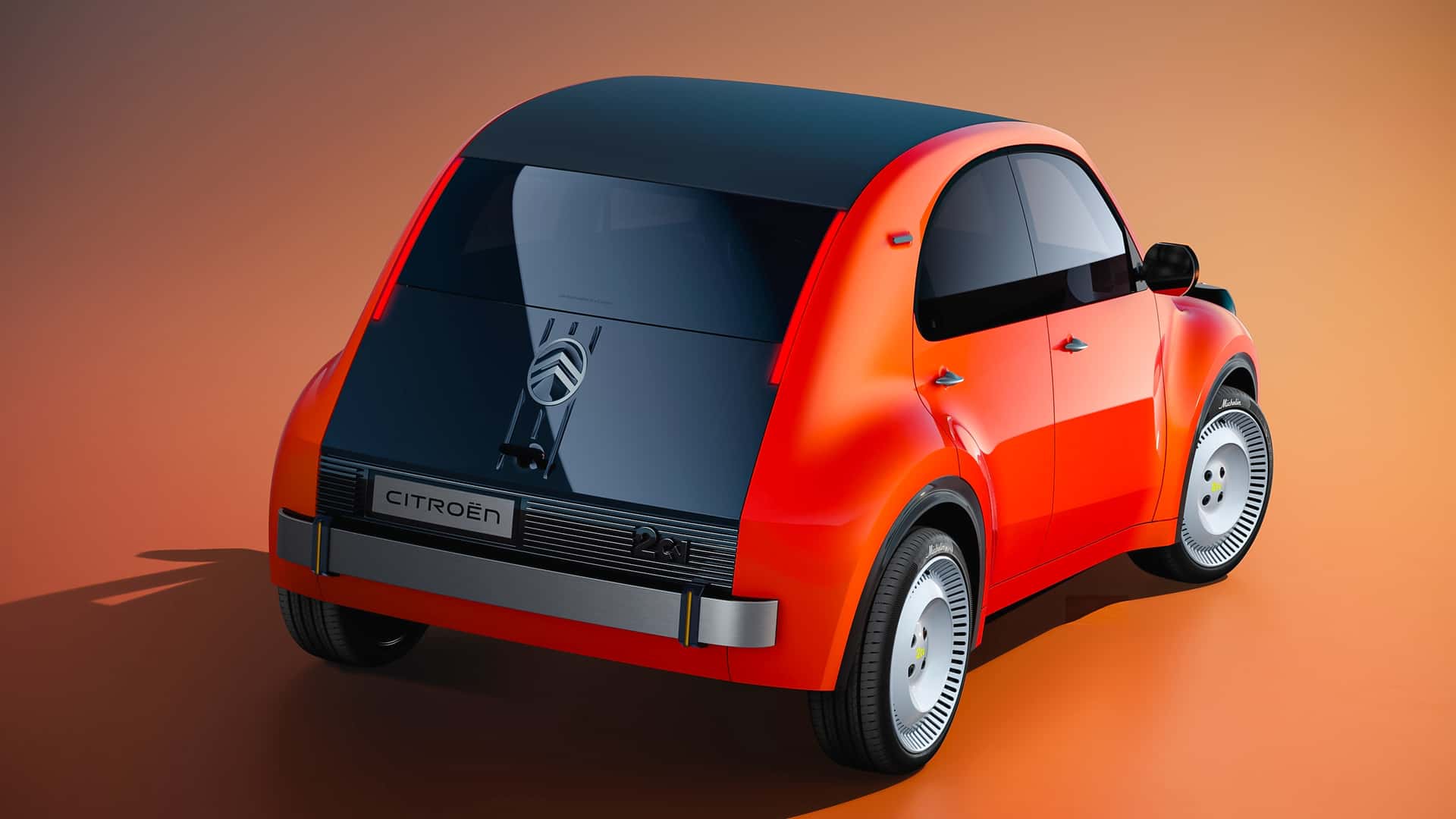
Concepts like the reimagined Renault Espace, a potential return of the Citroën 2CV, and the Alpine A310 Vision sought to evoke nostalgia and emphasize a rich heritage. The underlying message was clear: European automakers were signaling a continuity with their past, hoping to reassure loyal customers and differentiate themselves through brand identity and design legacy.
However, a critical question looms: Is an appeal to tradition sufficient to fend off the technologically advanced, often more affordable, offerings from China? While the Chinese brands showcased production-ready vehicles, many of the most exciting European efforts were still concept cars, leaving their market viability and technological specifications uncertain.
The core challenge for the European auto industry remains its ability to translate these evocative designs into market-ready vehicles, equipped with EV technology that can genuinely compete with the swift advancements emanating from Asia.
The Accelerating Charging War and the European Lag
One of the most evident areas of technological disparity at the Paris Motor Show was in charging speeds. At least five production cars on display could charge from 10% to 80% in under 11 minutes, and notably, none of these were from Western manufacturers.
While Mercedes-Benz proudly highlighted its upcoming AMG GT 4-Door’s ability to achieve an 11-minute charge, this figure already appears to be the industry’s benchmark, rather than a breakthrough, in the context of Chinese innovation. Zeekr, for instance, casually announced that its updated 7X, which already has a waiting list in Europe, now charges from 10% to 80% in 10.5 minutes.
The competitive landscape among Chinese automakers is so intense that Megawatt charging speeds, enabling a 10% to 97% charge in under nine minutes and 10% to 70% in less than five, are becoming standard. This puts the current capabilities of the European auto industry significantly behind.
Even Li Auto’s European-bound Li 6, with its 10-minute 10-80% charging capability, feels like a baseline offering rather than a point of distinction in its home market. This quantifiable edge in EV technology, particularly in battery innovation and charging infrastructure, underscores a qualitative gap that Western brands are struggling to close.
While many European luxury brands are just now introducing their first software-defined, 800-volt EVs, Chinese automakers are already on their second, fifth, or even tenth iteration of such platforms. This iterative development allows for faster refinement and integration of advanced features, providing a significant competitive advantage in the rapidly evolving EV market.
Europe on the Defensive: A Multi-Front Battle
The European auto industry is increasingly cognizant of its vulnerable position. Unlike American legacy firms, which enjoy some temporary protection in their domestic market due to regulations hindering Chinese EV imports, European automakers face an immediate and pressing challenge.
They are currently under assault on three critical fronts: declining sales and market share in China due to robust domestic competition; reduced profitability in the American market caused by aggressive tariffs; and now, a direct threat to their home market share from a growing roster of Chinese brands. Concurrently, the elevated energy, labor, and regulatory costs within Europe further erode their global competitiveness, impacting the entire European auto industry.
Executives across the European auto industry are no longer shy about voicing their concerns, sounding alarms in earnings calls and governmental discussions. As European nations contemplate the potential decline of one of their most valuable industries, they are increasingly willing to implement defensive measures.
Chinese EVs already face substantial tariffs in Europe, with some brands encountering cumulative duties exceeding 40%. Europe is also tightening restrictions on hybrid imports. Despite these barriers, Chinese manufacturers remain aggressive. For example, Li Auto plans to price the Li 6 competitively with models like the BMW iX3, even though the Chinese vehicle offers superior interior space and faster charging, albeit with potentially less maximum range.
These legal and tariff barriers alone do not appear sufficient to stem the tide. Consequently, the European auto industry is scrambling to bridge the technological gap. While models like the iX3 offer impressive range and the Mercedes GLC EV boasts remarkable efficiency, these attributes may not be enough to ignite widespread consumer excitement when competing against the complete package offered by Chinese rivals. This realization drives European companies to rely heavily on their esteemed design and branding teams, hoping to rekindle the allure they may have lost.
Leveraging Design and Emotional Appeal
The strategy of emphasizing design and emotional connection could prove crucial. Observing a group of multi-colored Renault Twingo EVs circulating in Paris, it became evident that cars are often an emotional purchase. Marrying decent EV technology with an appealing design, as seen with the Twingo E-Tech Electric, has the potential to win over consumers, even against Chinese options boasting lower prices and longer ranges.
The prospect of a reborn Citroën 2CV, retaining the original’s friendly and unique character while offering modern refinements, also presents a compelling vision. Similarly, while the E-Space concept, with its lounge-on-wheels aesthetic and coach doors, might seem familiar, the presence of swivel-seat Chinese production EVs at the same show suggests that Renault could realistically bring such innovative interior concepts to market.
The success of these initiatives, however, hinges on swift and decisive execution. The 2CV could be a hit if priced correctly with competitive specifications. The E-Space could effectively challenge the burgeoning segment of electric MPVs from emerging brands. And fantastically designed models like the Renault 5 and Twingo EVs could cultivate lasting charm, even as the market floods with Chinese alternatives offering superior range and affordability.
The Imperative of Speed and Risk-Taking for the European Auto Industry
For the European auto industry to thrive, speed and agility are paramount. Chinese companies are known for their rapid product development cycles, quickly bringing concepts to market, experimenting with new ideas, and promptly discarding those that fail to resonate. This iterative approach allows them to adapt and innovate at an unparalleled pace.
European brands must adopt a similar mindset: move faster, embrace more risks, and operate from a position of humility. Acknowledging their current competitive disadvantage is the first step towards a sustainable future. In an environment characterized by dwindling profits and intensified competition, this shift in strategy is undoubtedly challenging. No company relishes gambling with its core business.
However, as demonstrated in Paris, European automakers appear prepared to make this wager. They are betting that their legacy, distinctive designs, and established customer bases will provide a crucial buffer, allowing them time to match the technological advancements of their Chinese counterparts. The path ahead is fraught with uncertainty, yet for the European auto industry, the question remains: what other viable options exist in this rapidly evolving global market?
Frequently Asked Questions (FAQs)
Q1: What was the main contrast between European and Chinese automakers at the Paris Motor Show?
Chinese automakers highlighted advanced EV technology, including ultra-fast charging and sophisticated software, often in production-ready vehicles. European manufacturers, conversely, frequently showcased concept cars emphasizing their historical designs and brand heritage, indicating a focus on tradition rather than immediate technological leadership.
Q2: How do Chinese EV charging speeds compare to European capabilities?
Chinese brands demonstrated production EVs capable of charging from 10% to 80% in under 11 minutes, with some achieving 10-97% in nine minutes. Many European models are still catching up, with their most advanced offerings reaching similar speeds only now, often representing first-generation 800-volt platforms.
Q3: What challenges does the European auto industry face beyond technological gaps?
The European auto industry is contending with declining sales in the Chinese market, aggressive tariffs impacting profitability in the U.S., and fierce competition from Chinese brands entering their home market. Additionally, higher energy, labor, and regulatory costs in Europe add to their competitive pressures.
Q4: Are tariffs effectively protecting the European market from Chinese EVs?
Despite significant tariffs (over 40% in some cases) and tightening restrictions on hybrid imports, Chinese automakers continue to offer highly competitive pricing and advanced features. This suggests that current tariff barriers alone may not be sufficient to fully protect the European auto industry from the influx of Chinese electric vehicles.
Q5: What is the European auto industry’s strategy to compete with Chinese EVs?
European automakers are relying on their strong brand design, emotional appeal, and historical legacy to attract buyers. They hope that iconic designs like the reborn 2CV or modern interpretations of models like the Renault Twingo can foster consumer loyalty while they work to close the technological gap in EV performance and innovation.
Q6: Why is speed of execution crucial for European car companies now?
Chinese companies have demonstrated an ability to rapidly develop, launch, and iterate new products. To effectively compete, the European auto industry must accelerate its own product development cycles, take calculated risks, and quickly bring technologically competitive and appealing designs to market, adapting to this fast-paced innovation environment.