
Key Takeaways (TL;DR)
- The 2026 Paris Auto Show marked a significant shift in the global electric vehicle market, showcasing intense competition and innovation from both European and Chinese manufacturers.
- Following an initial surge by Chinese brands in 2022, European automakers have launched a robust counter-offensive, unveiling numerous affordable EV choices and pioneering electrified concepts.
- Key players like Renault and Stellantis are strategically developing budget-friendly EVs to reclaim market share, emphasizing “cars for living” and innovative design.
- Chinese companies are deepening their commitment to the European electric vehicle market through direct investment in manufacturing and strategic collaborations with established European brands.
- The escalating competition promises a broader array of accessible electric vehicles for consumers, though the pace of affordable EV adoption still lags in some regions, notably the U.S.
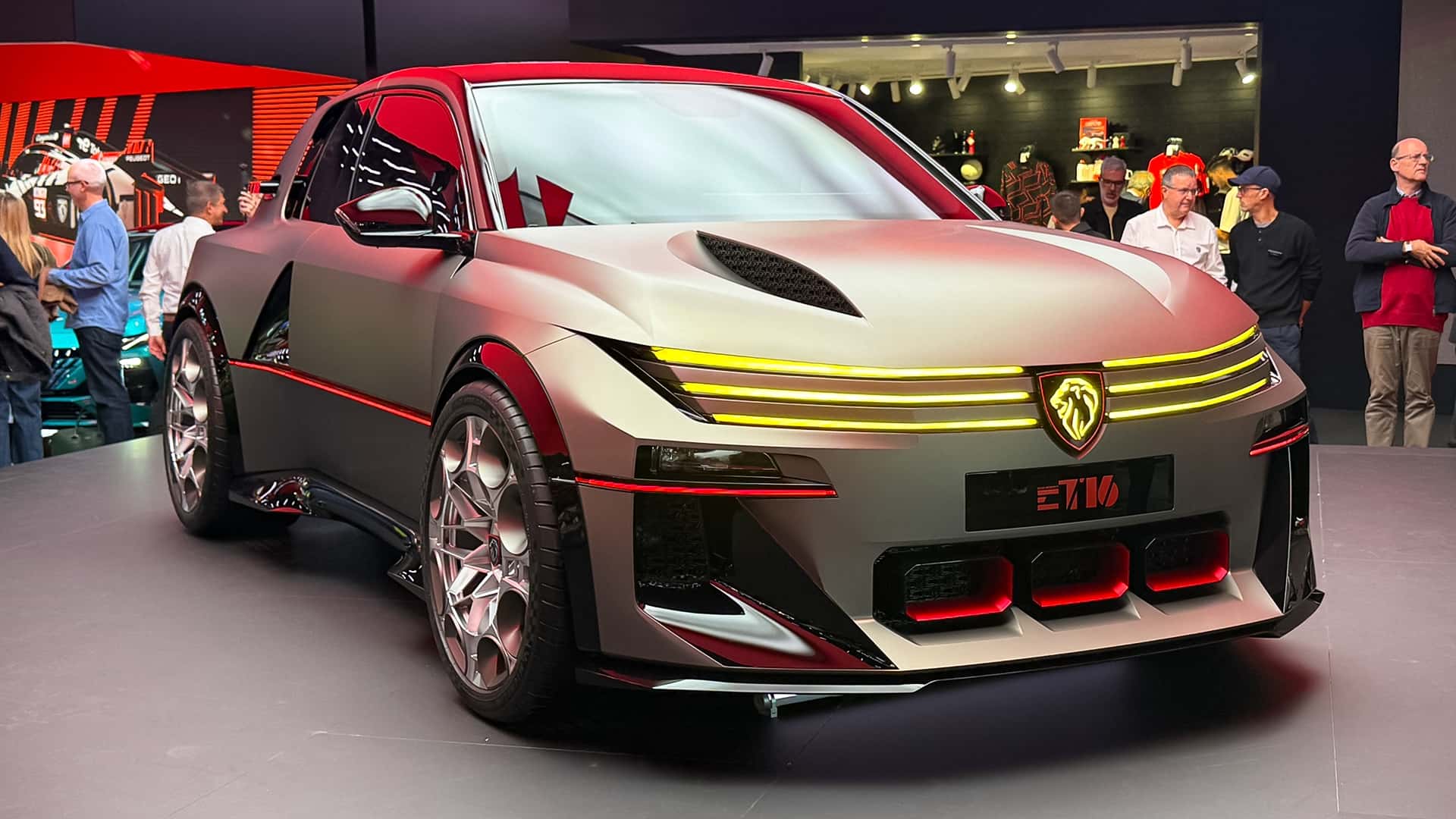
The landscape of the global automotive industry is undergoing a profound transformation, particularly within the electric vehicle (EV) segment. A recent observation at the Paris Auto Show in 2026 reveals a dramatic shift in competitive dynamics, a stark contrast to the sentiment four years prior. This year’s exhibition signals a revitalized European commitment to electrification, directly challenging the burgeoning influence of Chinese automakers.
The Shifting Tides of the European Electric Vehicle Market
For years, major international auto shows faced a perceived decline, with many prominent European manufacturers opting out of traditional exhibition spaces. The 2022 Paris Auto Show, for instance, saw several European brands, including Mercedes-Benz, notably absent or presenting only minor updates to their gasoline-powered models. This period created an opportune vacuum for emerging players.

Chinese Dominance Emerges in 2022
In this evolving environment, Chinese automakers seized the initiative. Brands like BYD and Great Wall Motors, through their Ora and WEY sub-brands, made a significant impact at the 2022 Paris Auto Show. They introduced a new wave of EV and Plug-in Hybrid Electric Vehicle (PHEV) models, specifically small hatchbacks and crossovers. These vehicles were not only relatively affordable but also offered competitive range capabilities, appealing to a segment of buyers previously underserved by European manufacturers.
At the time, many of these Chinese brands were largely unknown to the European public. Despite this, their novel and accessible offerings garnered substantial interest from French consumers. This strategic entry reshaped expectations within the European electric vehicle market, signaling a new era of competition.
European Reawakening: A Renewed Competitive Spirit
Fast forward to 2026, and the narrative has shifted dramatically. While some markets, like the United States, still grapple with the pace of EV adoption and the variety of available models, Europe has demonstrated a robust resurgence. The recent Paris Auto Show served as a powerful declaration, with European brands presenting a comprehensive array of new models and innovative concepts designed to compete vigorously. The atmosphere reflected a collective effort to accelerate development and directly address the competitive pressure from China, particularly in the realm of accessible electric vehicles.

Stellantis and Renault Group’s Vision for Electrification
Leading this charge, the Renault Group captivated audiences with production models from Dacia and compelling concepts from Alpine and Renault itself. The Renault E-Space concept, an electric MPV, evoked the iconic design of the 1980s original, showcasing a forward-thinking approach to family mobility. Every concept displayed by the group underscored a full commitment to electrification. Fabrice Cambolive, Renault Group Chief Growth Officer, articulated this philosophy as “Voitures à vivre,” or “cars for living,” emphasizing vehicles designed to seamlessly integrate electrification into everyday life. The company is actively exploring how electric mobility can redefine its brands’ future trajectories and offerings.
Similarly, Stellantis presented a diverse portfolio of EV concepts across its European brands. The group’s overarching strategy involves proactively countering Chinese market penetration by meeting the demand for reasonably-priced EVs. This approach focuses on developing “cheap and cheerful” models that combine affordability with appealing design and functionality.
The Rise of Affordable EV Choices
A standout example of this renewed European strategy is the Citroën 2CV concept. This vehicle has garnered significant attention, successfully reinterpreting the charm of its classic predecessor for the modern electric age. Critically, it is being targeted at an accessible price point of 15,000 euros, equivalent to just under $17,000 at current exchange rates. The 2CV concept exemplifies a growing trend among European brands to introduce a wider array of affordable EV choices.
When it eventually enters production, it will join a rapidly expanding lineup of budget-friendly electric vehicles. This includes models such as the Renault Twingo, Dacia Spring, Nissan Pixo, Kia EV2, and Volkswagen ID. Polo. This proliferation of new nameplates represents a significant departure from the limited affordable options available just a few years ago in 2022, underscoring the industry’s accelerated response to consumer needs and market competition.
Chinese Investment and Collaboration in Europe
Despite Europe’s intensified efforts, Chinese automakers remain a formidable force. The 2026 Paris Auto Show saw an estimated 25 different Chinese brands exhibiting a broad spectrum of models across various price points. However, this robust presence is not necessarily indicative of a market meltdown for European incumbents. Instead, a more nuanced dynamic is emerging, characterized by significant Chinese investment in Europe’s manufacturing infrastructure.
Companies like BYD, Geely, and Xpeng have initiated substantial plans to invest in European production capabilities. For instance, Xpeng’s L03 compact crossover has reportedly accumulated 12,000 orders since its summer launch and is slated for production in Austria by Magna-Steyr. This strategic move highlights a desire not only to sell vehicles in Europe but also to integrate into its industrial base.
Analyst Insights: Hope, Introspection, and Integration
Industry analyst and consultant Lei Xing provided a compelling summary of the show’s implications. “If I had to summarize this year’s Paris Motor Show, it would be hope, introspection, and integration. European brands are trying hard, and they are starting to figure some things out, even if it means the Chinese providing a compromise in terms of halving the hybrid/plug-in export volume but at the same time getting help from the Chinese,” he stated via email. This perspective suggests a complex interplay of competition and cooperation, where strategic alliances and mutual learning are becoming increasingly vital.
This sentiment is underscored by recent developments, such as the collaboration between Stellantis and Leapmotor. As reported by Reuters, Antonio Filosa, head of Stellantis Pro One, indicated that working with Leapmotor has fostered a complementary relationship between the companies. Leapmotor’s agility and specialized expertise have proven invaluable to the conglomerate, enabling it to accelerate manufacturing timelines and meet market demand more efficiently.
Accelerated Timelines and Market Dynamics
The 2026 Paris Auto Show witnessed the global debut of the Leapmotor B03 hatchback, complementing its B03X small crossover sibling. These models were introduced mere weeks after their initial launch in China, demonstrating an unprecedented pace of international rollout. This rapid deployment mirrors the development cycle of vehicles like the Dacia Spring, which went from concept to production in less than two years. Such accelerated timelines indicate a universal effort among automakers to quickly adapt to evolving consumer preferences and intensify competition in the global electric vehicle market.
This dynamic environment fosters a culture of mutual learning and innovation across the industry. Automakers, both European and Chinese, are actively refining their strategies and production processes to deliver competitive and relevant electric vehicles to the market faster than ever before. This rapid evolution is crucial for satisfying consumer demand for accessible and efficient electric transport.
The Global Disparity in EV Adoption
From an external vantage point, the rapid expansion of affordable EV choices in Europe presents a stark contrast to the current situation in the United States. While Europe and China are increasingly offering a diverse range of electric vehicles at more accessible price points, consumers in the U.S. often find their options limited, particularly in the budget-friendly segment. The discourse surrounding affordable EVs has historically been dominated by discussions centered on China’s manufacturing prowess, and while China continues to be a key player, the emergence of a strong competitive field from other manufacturers is a significant positive development.
This heightened competition and renewed urgency to develop and deploy cost-effective electric vehicles globally is beneficial for consumers worldwide and holds immense promise for environmental sustainability. The hope remains that this accelerated momentum and focus on affordable EV options will soon extend to other major markets, including the United States, providing a wider array of sustainable transport solutions for all.
Frequently Asked Questions (FAQ)
What was the key takeaway from the 2026 Paris Auto Show regarding EVs?
The 2026 Paris Auto Show demonstrated a significant resurgence of European automakers in the electric vehicle market, offering strong competition to Chinese brands. Both segments showcased numerous new EV models and concepts, focusing heavily on affordability and innovation to capture consumer interest.
How did Chinese automakers first impact the European EV market?
Chinese automakers like BYD and Great Wall Motors made significant inroads into the European market around 2022. They introduced affordable EV and PHEV models, such as small hatchbacks and crossovers, which met a demand for value-conscious electrified vehicles that existing European manufacturers were not adequately serving.
What strategies are European brands employing to compete in the EV space?
European brands, particularly Renault and Stellantis, are focusing on developing “cheap and cheerful” electric vehicles. They are unveiling affordable EV choices and innovative concepts, such as the Citroën 2CV concept and Renault E-Space, designed to make electrification practical and accessible for everyday life.
Are Chinese automakers investing in European manufacturing?
Yes, several prominent Chinese automakers, including BYD, Geely, and Xpeng, are investing significantly in Europe’s manufacturing base. For example, Xpeng’s L03 compact crossover is planned for production in Austria, indicating a strategy of integration and localized production within the European electric vehicle market.
What is the significance of the collaboration between Stellantis and Leapmotor?
The collaboration between Stellantis and Leapmotor exemplifies a growing trend of strategic partnerships. It allows European brands to leverage Chinese expertise and speed in EV development, enabling quicker manufacturing timelines and more efficient market entry, ultimately fostering mutual growth and technological advancement.
Why is the availability of affordable EV choices important for the market?
The proliferation of affordable EV choices is crucial for accelerating electric vehicle adoption globally. It makes sustainable transportation accessible to a broader consumer base, addresses environmental concerns, and stimulates competition, driving innovation and leading to better products for everyone in the evolving electric vehicle market.