
Key Takeaways
- The 2024 Paris Motor Show highlighted a significant technological gap between Chinese and European electric vehicle (EV) manufacturers.
- Chinese brands like BYD, Li Auto, and Zeekr showcased production-ready EVs with superior charging speeds, advanced software, and innovative features.
- European automakers largely responded by unveiling concept cars that reinterpreted their historical models, leaning on design legacy rather than cutting-edge EV technology.
- Rapid iteration, high-voltage architectures, and advanced battery management systems give Chinese manufacturers a clear advantage in charging efficiency.
- European car manufacturers face a multi-front challenge: declining sales in China, tariffs in the U.S., and increasing competition from Chinese EVs in their home market.
- Despite tariffs, Chinese brands are positioning their EVs competitively on price, forcing European firms to accelerate innovation and development cycles.
- The industry faces a critical juncture, where European brands must swiftly translate design concepts into technologically competitive production vehicles to retain market share.
The recent Paris Motor Show served as a stark demonstration of the evolving global automotive landscape, with Chinese electric vehicle (EV) manufacturers aggressively showcasing their advanced technology and market readiness. While European stalwarts like Renault and Peugeot were present, the spotlight at the Paris expo Porte de Versailles often fell on a growing cadre of Chinese automotive innovators.
Brands such as Geely, BYD, Li Auto, Zeekr, and Denza dominated the exhibition floors with production-ready models boasting impressive specifications. These vehicles featured ultra-fast charging capabilities, formidable power figures, and avant-garde designs that captured significant attention from attendees and industry observers alike.
The Ascent of Chinese EV Technology and Innovation
Chinese automakers presented a compelling vision of the future of electric mobility, characterized by rapid technological advancement and bold design choices. Vehicles like the ultra-plug-in-hybrid Zeekr 9X, for instance, offered an impressive 111-mile electric range coupled with luxurious recliners, demonstrating a holistic approach to comfort and efficiency.
The Li Auto Megahome, with its distinct “mobile home from the future” aesthetic, underscored a willingness to experiment with unconventional forms. Furthermore, BYD showcased models capable of achieving a 10-97% charge in a remarkable nine minutes, a benchmark that few competitors could match.
Li Auto’s initial European-market EV, the i6, further exemplified this technological edge, promising a 10-80% charge in under 11 minutes. This model integrates advanced features such as massaging rear recliners, sophisticated software interfaces, and a plush air suspension system, setting a high bar for perceived value and user experience in the competitive electric vehicle market.
European Manufacturers Lean on Heritage Amidst Tech Disparity
In contrast to the cutting-edge displays from their Chinese counterparts, European manufacturers primarily chose to emphasize their rich automotive heritage. Many continental brands opted to unveil re-interpreted concept versions of their iconic models, drawing on a storied past to shape future visions.
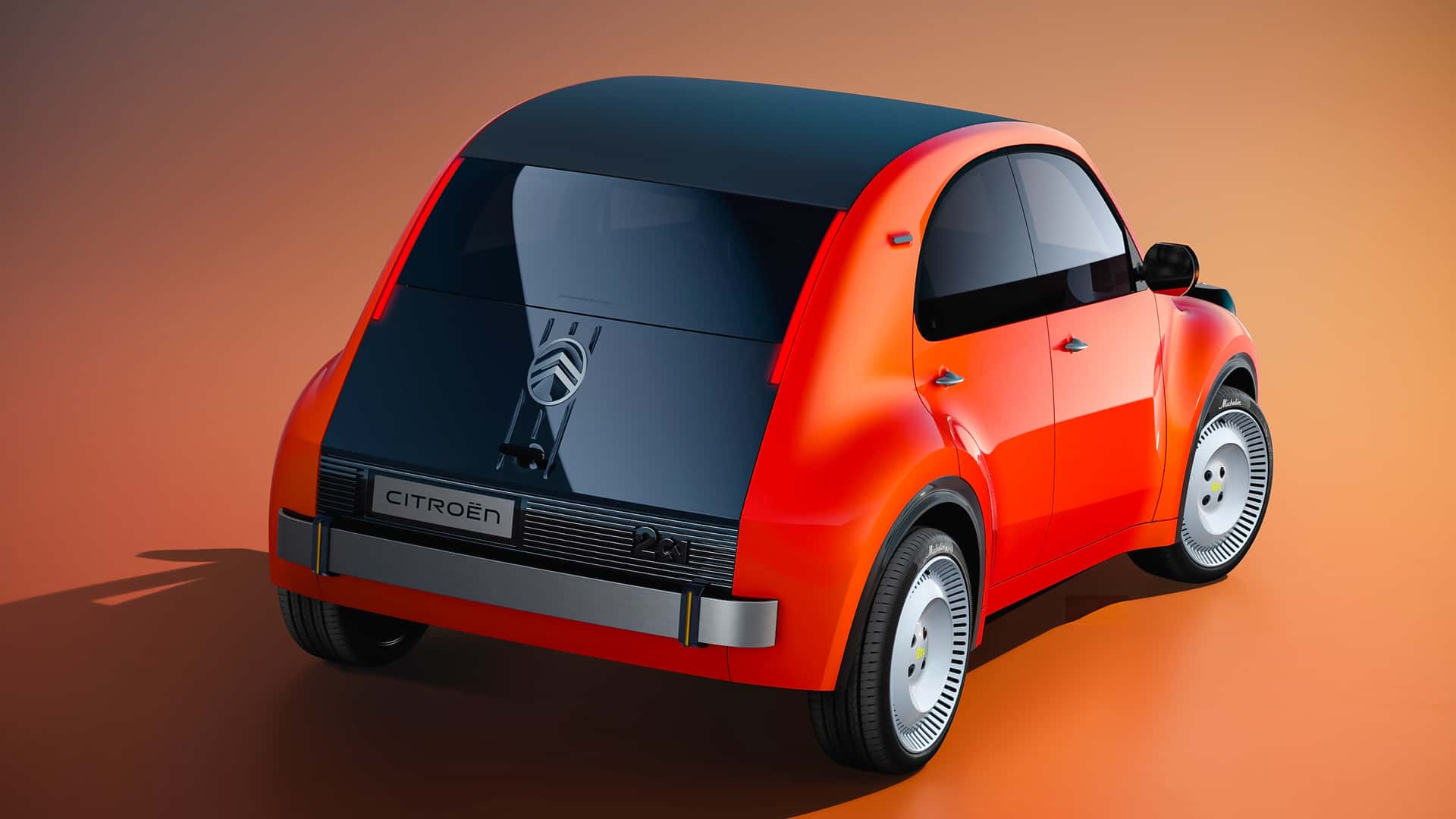
Notable examples included the Renault Espace, the conceptual revival of the Citroen 2CV, and the reimagined Alpine A310. This strategy signaled a clear message: a strong reliance on established brand identity and customer loyalty, hoping to evoke a sense of familiarity and nostalgia for “the good ole’ days” of motoring.
However, this approach raised pertinent questions regarding market viability. While these concepts showcased exquisite design and a nod to tradition, the critical challenge remains whether these brands can transition their most exciting designs into production vehicles equipped with electric vehicle technology that can genuinely rival the best offerings from China.
The Widening Gap in Charging Infrastructure and Performance
The Paris Motor Show highlighted a stark disparity in charging technology, a crucial aspect of electric vehicle adoption. At least five production cars on display demonstrated the ability to charge from 10-80% in under 11 minutes, and none of these were from Western brands.
Even Mercedes-Benz’s forthcoming AMG GT 4-Door, touted for its charging prowess, achieves this benchmark in precisely 11 minutes. Yet, in a testament to the advanced state of Chinese EV technology, Zeekr’s updated 7X, already generating significant interest in Europe, can complete a 10-80% charge in a mere 10.5 minutes, a figure presented without much fanfare given the prevailing standards from Chinese automakers.
Advanced Voltage Architectures Drive Efficiency
Leading Chinese brands like Geely and BYD are already deploying Megawatt charging speeds, enabling astonishing charge times of 10-97% in under nine minutes, and 10-70% in less than five minutes. This rapid advancement positions their offerings as industry leaders in energy replenishment.
The introduction of Li Auto’s European-market Li 6, capable of achieving a 10-80% charge in approximately 10 minutes, further underscores this technological momentum. This performance, while impressive, now appears to be a basic expectation rather than a standout feature in the context of the Chinese automotive sector.
This qualitative edge is underpinned by significant advancements in underlying electrical architectures. While many Western luxury brands, including Mercedes and BMW, are just beginning to introduce their first software-defined, 800-volt electric vehicles, Chinese manufacturers are often on their second, fifth, or even tenth iteration of such platforms. Even the plug-in hybrid Zeekr 9X operates on a sophisticated 900-volt system, showcasing their lead in high-voltage engineering.
European Automotive Industry Under Pressure
European automakers are increasingly acknowledging their vulnerable position in the global electric vehicle market. Unlike their American counterparts, who benefit from regulatory protections that limit Chinese EV imports, European firms face immediate and pressing challenges on multiple fronts.
Sales for European brands are plummeting in China as domestic competitors rapidly gain market share. Concurrently, aggressive tariffs imposed by the United States are eroding profit margins in the American market. Crucially, their home market is now under direct threat from an expanding array of Chinese brands offering compelling, cost-effective electric vehicles.
Adding to these challenges are higher energy, labor, and regulatory costs within Europe, which collectively hinder global competitiveness. Industry executives have openly expressed their concerns, prompting their respective governments to consider defensive measures to protect one of the continent’s most valuable industrial sectors.
Tariffs and Competitive Pricing Dynamics
Chinese EVs currently face substantial tariffs in the European Union, with some brands like Li Auto encountering cumulative duties exceeding 40%. Furthermore, Europe is implementing stricter import regulations on hybrid vehicles. Despite these barriers, Chinese manufacturers remain highly competitive.
For instance, Li Auto intends to price its Li 6 model competitively with the BMW iX3 in Europe. The Li 6 offers superior interior space and faster charging capabilities, although the iX3 boasts a greater maximum range. This strategic pricing, even with significant tariff burdens, highlights the cost efficiencies and economies of scale enjoyed by Chinese automakers.
Therefore, legal and tariff-based protections alone may not suffice. European car manufacturers are actively working to bridge the technological and competitive gap. While models like the iX3 offer impressive range and the Mercedes GLC EV demonstrates surprising efficiency, these attributes alone may not ignite widespread consumer excitement. To truly compete, European brands are leveraging their renowned design and branding expertise, aiming to rekindle the allure that has traditionally defined their products.
The Strategic Role of Design and Brand Legacy
The emotional connection consumers have with automobiles remains a powerful purchasing driver, even in an era dominated by technological specifications. This sentiment was evident when observing a convoy of multi-color Renault Twingo EVs, whose charming design evoked smiles despite the technological superiority of rivals like the BYD Dolphin Surf.
Similarly, the concept of a reborn 2CV, retaining the friendly and distinctive character of its predecessor while appearing more refined, holds significant emotional appeal. Even the E-Space concept, an evolution of the “lounge-on-wheels” theme, could find market traction, especially given the emergence of production-ready Chinese E-MPVs featuring swivel seats, suggesting that Renault’s concept is not far-fetched.
The potential success of vehicles like the 2CV, the E-Space, and the acclaimed Renault 5 and Twingo EVs hinges on precise execution, competitive pricing, and compelling specifications. These designs could prove enduringly charming, even as the European market is increasingly saturated with Chinese electric vehicle options that often offer lower prices and extended ranges.
The Imperative for Speed and Agility
For European companies to navigate this challenging landscape successfully, they must adopt the rapid development and iteration cycles characteristic of their Chinese competitors. Chinese automakers are known for quickly moving from concept to production, launching new products with remarkable speed, and readily discontinuing less successful ideas.
This agile approach contrasts sharply with the often protracted development timelines of traditional European manufacturers. To remain competitive, European brands must embrace faster decision-making, greater risk-taking, and a humble acknowledgment of their current position. In a global market marked by shrinking profit margins and escalating competition, this demands difficult strategic choices.
While the gamble on design heritage, brand legacy, and loyal customer bases offers a potential lifeline, success is far from assured. The immediate future for European car manufacturers necessitates an unwavering commitment to innovation and an unprecedented pace of execution to match the rapid advancements of Chinese EV technology, ensuring their survival and resurgence in the evolving global automotive arena.
Frequently Asked Questions (FAQ)
What was the main observation at the Paris Motor Show regarding EVs?
The Paris Motor Show revealed a stark contrast: Chinese EV manufacturers showcased advanced, production-ready models with superior technology, particularly in charging speeds, while European brands largely presented concept vehicles emphasizing their historical designs and heritage.
How do Chinese EV charging speeds compare to European brands?
Chinese EVs demonstrated significantly faster charging, with some models achieving 10-97% in under nine minutes or 10-80% in about 10 minutes. European brands typically lagged, with top models like the Mercedes AMG GT 4-Door achieving 10-80% in 11 minutes.
What is the “heritage” strategy employed by European car manufacturers?
European automakers are leveraging their rich history and iconic designs by presenting modern concept versions of classic models, such as the Citroen 2CV and Renault Espace. This strategy aims to appeal to customer loyalty and emotional connection amidst intense technological competition.
What challenges do European automakers face in the global market?
European manufacturers are contending with declining sales in the Chinese market, impacts from aggressive tariffs in the U.S., and growing competition from Chinese EVs in their domestic European market, compounded by higher operational costs.
Are current tariffs enough to protect the European automotive industry?
Despite tariffs exceeding 40% on some Chinese EVs and tightened restrictions on hybrid imports, Chinese brands are still pricing their vehicles highly competitively in Europe. This suggests that tariffs alone may not be sufficient to curb their market entry and growth.
What must European companies do to compete with Chinese EV technology?
European manufacturers need to accelerate their product development cycles, embrace more technological risks, and prioritize translating advanced concepts into production models more quickly. They must match or exceed the pace of innovation set by their Chinese competitors, particularly in battery and software-defined vehicle technology.