
Key Takeaways
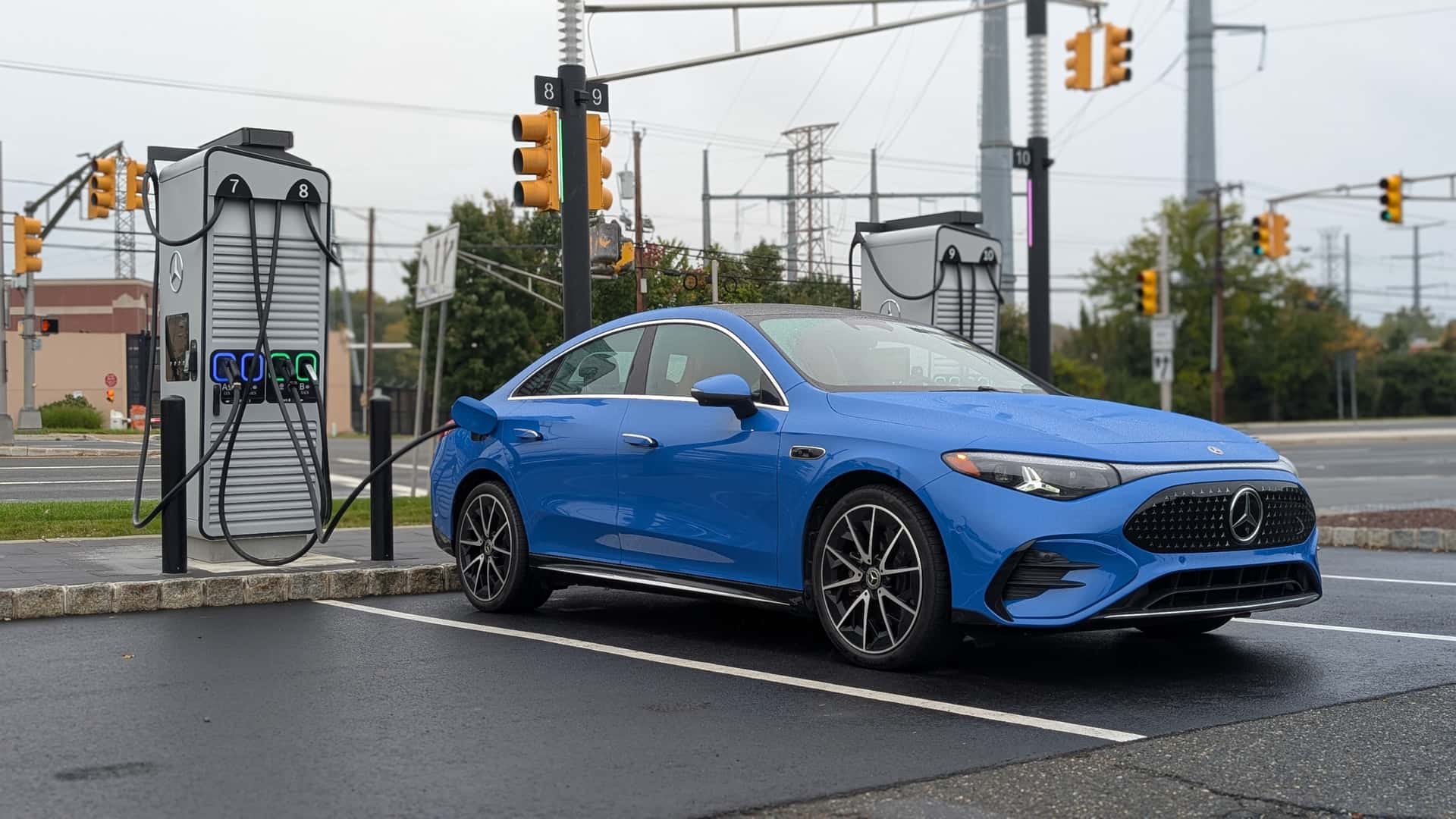
- The United States’ public fast-charging network for electric vehicles has officially exceeded 80,000 ports.
- Despite reaching this milestone, the third quarter of 2026 saw a 12% year-over-year slowdown in the deployment of new fast-charging ports.
- This deceleration is partly attributed to a cooling in electric vehicle sales and recent adjustments to US government EV-friendly policies.
- Charging networks are strategically investing in higher-powered stations, with 73% of new ports delivering at least 250 kilowatts.
- Tesla remains a significant contributor to new capacity, while Ionna and Walmart are rapidly expanding their networks.
- Geographically, California continues to lead, though states like Texas, North Carolina, and Georgia show notable growth in new installations.
- Rural areas remain underserved, accounting for only 10% of new ports, highlighting a persistent urban-rural divide in charging infrastructure.
- Driver adoption of available infrastructure is robust, with a record 17.6 million public fast-charging sessions logged in July alone.
The landscape of electric vehicle (EV) charging in the United States is witnessing a pivotal transformation, as the nation’s public fast-charging network has officially crossed the significant threshold of 80,000 ports. This milestone underscores a sustained push towards enhancing EV infrastructure, even as recent market dynamics introduce new complexities and strategic shifts among network providers.
While the overall expansion signifies robust long-term growth for electric vehicle charging infrastructure, the third quarter of 2026 presented a nuanced picture. Data indicates a noticeable slowdown in the pace of new public fast-charging port deployment compared to the previous year, influenced by moderated EV sales and recent governmental policy adjustments.
EV Charging Infrastructure: Navigating a Shifting Terrain
According to comprehensive data released by Paren, a prominent charging data platform, the United States integrated 4,106 new public fast-charging ports across 664 stations during the third quarter of this year. This figure, while substantial, represents a 12% decline in new ports and a 20% drop in new stations compared to the same period in the prior year.
This deceleration in deployment can be linked to a broader cooling trend in electric vehicle sales nationwide. This moderation follows a period of rapid growth, partly impacted by the U.S. government’s recalibration of policies that had previously fostered accelerated EV adoption and infrastructure development.
Despite the observed slowdown, the continuous expansion signifies an ongoing commitment from charging networks. These entities are strategically investing in new installations and higher-powered stations, anticipating a renewed surge in electric vehicle demand in the foreseeable future. The persistent growth ensures the public fast-charging network is better equipped to support the increasing number of EVs on American roads.
Key Players Driving Fast Charger Deployment
An in-depth analysis of the third quarter’s deployment data reveals the distinct contributions of major industry players. The Tesla Supercharger network, a long-standing leader in fast-charging solutions, accounted for a significant portion of the quarter’s expansion, despite experiencing a dip in its own deployment rate.
Tesla’s Enduring Influence
Between July and September, Tesla added 1,287 new Supercharger ports. This figure, though substantial, marks a reduction of 533 ports compared to its rollout during the corresponding period last year. The company’s deployment pace has evidently softened, reflecting broader market trends.
However, Tesla effectively cushioned this decline through a newer strategic initiative: the sale of Superchargers to third-party businesses. This innovative approach contributed an additional 124 ports to the national total, showcasing the automaker’s adaptive strategies in the evolving EV charging landscape. Tesla consequently maintained its position as the largest single contributor to new fast-charging capacity during the quarter, solidifying its dominant role in the expansion of public charging ports.
Rising Contributions from Other Networks
Beyond Tesla, other major players are making significant strides in augmenting the nation’s fast-charging capacity. Ionna, an ambitious automaker-led consortium, emerged as the second-largest contributor in Q3 2026. The consortium nearly tripled its year-over-year rollout, adding an impressive 378 new ports.
Ionna has publicly articulated plans to install 30,000 fast chargers across North America by the close of the decade. This aggressive target signals a powerful, collaborative effort by multiple automotive manufacturers to address critical infrastructure gaps and enhance the overall electric vehicle charging experience.
Walmart also played a crucial role in the quarter’s expansion, securing the third position among top contributors. The retail giant deployed 344 new public fast-charging ports, leveraging its extensive network of store locations to offer convenient charging options to a wide consumer base. This diversified participation from various sectors underscores the collective commitment to building a robust electric vehicle charging infrastructure.
Geographical Distribution: Urban Hubs vs. Rural Connectivity
The geographic distribution of new public fast-charging ports highlights both established leadership and emerging growth corridors across the United States. Understanding these regional dynamics is crucial for comprehending the accessibility and equity of the expanding EV ecosystem.
State-Level Expansion Trends
Historically, California has been at the forefront of EV adoption and charging infrastructure development, a trend that continued unequivocally in the third quarter. The Golden State led the nation with 87 new fast-charging stations opening within its borders.
Intriguingly, the next three states exhibiting significant growth were all Republican-governed, signaling a broadening political and geographical consensus on the importance of EV infrastructure. Texas recorded a notable 66 new stations, followed by North Carolina and Georgia, each adding 26 new stations. These figures reflect a widening national investment beyond traditional EV strongholds.
Collectively, a concentrated effort was observed in five key states: California, Texas, Florida, Illinois, and New York. These states accounted for a substantial 42% of all new fast-charging station openings nationwide during the last quarter, indicating targeted deployment in high-demand or strategically important regions.
Metropolitan vs. Rural Disparities
At the metropolitan level, several major urban centers experienced significant increases in their EV charging infrastructure. Dallas-Fort Worth and Houston led this urban surge, followed closely by Oklahoma City and Kansas City, demonstrating a clear focus on bolstering charging options in densely populated areas.
However, a persistent challenge remains in bridging the gap between urban centers and less populated regions. Rural areas collectively accounted for merely 10% of all new fast-charging ports added during the quarter. This significant imbalance underscores the ongoing work required to provide reliable and accessible electric vehicle charging infrastructure in rural communities.
The disparity in deployment highlights a critical hurdle for widespread EV adoption, as long distances between charging stations can deter potential electric vehicle owners in rural settings. Addressing this geographical imbalance is paramount for ensuring equitable access to fast charging ports across the entire country.
The Drive Towards Higher-Powered Charging
A significant trend highlighted in Paren’s Q3 report is the unmistakable shift towards higher-powered electric vehicle charging stations. This evolution is crucial for enhancing the convenience and efficiency of EV ownership, particularly for long-distance travel.
Charging networks are increasingly prioritizing the deployment of stations capable of delivering greater power, with the explicit goal of minimizing charging times and getting drivers back on the road more quickly. This focus on speed reflects a direct response to consumer demand for an EV charging experience that rivals the quick refueling of conventional gasoline vehicles.
Data from the third quarter shows that a remarkable 73% of newly installed fast-charging ports were capable of delivering at least 250 kilowatts (kW) of power. This represents a substantial increase from 60% during the same period in the previous year, illustrating a rapid technological upgrade across the electric vehicle charging infrastructure.
Paren’s report further specifies that stations offering 400 kW have emerged as the most popular choice for new installations. This preference for ultra-fast charging capabilities underscores the industry’s commitment to future-proofing the network and supporting the next generation of high-performance electric vehicles.
Tesla is also advancing its technology in this area, accelerating the rollout of its V4 Supercharger cabinets. These advanced units are designed to deliver an impressive 500 kW of power. Currently, Tesla operates 42 locations equipped with 487 such ports, providing unparalleled charging speeds for compatible vehicles.
Benefits for a Diverse Range of EVs
The continued expansion of high-powered electric vehicle charging infrastructure is excellent news for a wide array of electric vehicles, from luxury models to more accessible options. These advanced fast charging ports cater to the evolving battery technologies and power demands of modern EVs.
Premium electric vehicles are particularly well-positioned to capitalize on these ultra-fast charging capabilities. Models such as the Lucid Gravity, Porsche Cayenne Electric, and BMW iX3 can all achieve peak charging rates of 400 kW. Similarly, the Mercedes-Benz GLC and Volvo EX60 benefit from charging speeds reaching approximately 370 kW. Enthusiasts of the Tesla Cybertruck have reported charging at an astounding 500 kW on the newest V4 Superchargers.
It is important to note that actual charging speeds are influenced by various factors, including battery temperature, current state of charge, and vehicle software, meaning peak figures represent ideal conditions.
Crucially, the advantages of this enhanced infrastructure are not limited to high-end EVs. More affordable models are also set to benefit significantly. The upcoming Rivian R2, along with popular 800-volt architecture vehicles like the Hyundai Ioniq 5 and Kia EV6, are designed to leverage higher-powered electric vehicle charging stations, ensuring quicker turnarounds for a broader segment of the market.
Future Outlook and Driver Engagement
The trajectory of public EV charging is clearly oriented towards making the experience faster, more convenient, and seamlessly integrated into travel plans. The goal is to minimize disruption during road trips, allowing drivers to spend less time waiting and more time driving, aligning with the operational capabilities of modern electric vehicles.
Drivers are already actively utilizing the expanding electric vehicle charging infrastructure. Paren reported a record-setting 17.6 million public fast-charging sessions across the nation in July alone, coinciding with the peak summer travel season. This surge in usage highlights strong driver engagement and underscores the critical role of readily available, efficient fast-charging ports in supporting the growing EV community.
The sustained investment in public fast-charging ports, particularly those offering higher power output, is essential for alleviating range anxiety and encouraging broader electric vehicle adoption. As the industry anticipates a rebound in EV sales, a robust and advanced charging network will be a cornerstone of continued transportation electrification.
Frequently Asked Questions (FAQ)
Q1: How many public fast-charging ports does the US currently have?
The United States’ public fast-charging network for electric vehicles has expanded to over 80,000 ports. This significant milestone reflects continuous investment and development in the national electric vehicle charging infrastructure, aiming to support the increasing number of EVs on the road.
Q2: Did the pace of fast-charging port deployment slow down in Q3 2026?
Yes, the third quarter of 2026 saw a 12% decline in new fast-charging ports and a 20% drop in new stations compared to the previous year. This slowdown is partly attributed to a moderation in EV sales and adjustments to government policies concerning electric vehicles.
Q3: Which companies are leading the expansion of fast-charging networks?
Tesla remains the largest contributor to new fast-charging capacity, despite a personal deployment slowdown. Other significant contributors include Ionna, an automaker consortium, which nearly tripled its rollout, and Walmart, which also added a substantial number of new public fast-charging ports.
Q4: Where are most new fast-charging stations being installed in the US?
California continues to lead in new installations, followed closely by Texas, North Carolina, and Georgia. Overall, 42% of new openings in Q3 2026 were concentrated in California, Texas, Florida, Illinois, and New York, indicating concentrated regional growth.
Q5: Are new fast-charging stations more powerful than before?
Yes, there’s a clear trend towards higher-powered stations. In Q3 2026, 73% of new ports delivered at least 250 kilowatts (kW), up from 60% year-over-year. Stations capable of delivering 400 kW are now the most popular choice for new electric vehicle charging infrastructure installations.
Q6: How does this infrastructure benefit different types of EVs?
Higher-powered charging benefits a wide range of EVs, from premium models like the Lucid Gravity and Porsche Cayenne Electric which can utilize 400 kW, to more affordable options such as the Rivian R2 and 800-volt Hyundai Ioniq 5 and Kia EV6, enabling faster charging times for all.
Q7: Are drivers actively using the new fast-charging infrastructure?
Absolutely. Driver engagement is robust, with a record 17.6 million public fast-charging sessions recorded nationwide in July 2026. This surge in usage, particularly during the summer travel season, demonstrates strong demand for accessible and efficient electric vehicle charging.