
Key Takeaways
- Rivian’s Electric Delivery Van (EDV) is emerging as a critical revenue driver, with Amazon significantly increasing its orders.
- Revenue from Amazon, primarily from EDV sales, has nearly tripled this year, reaching $1.6 billion.
- The EDV’s lower running costs and reduced maintenance burden are cited as key factors for its growing demand.
- Traditional automotive giants like Ford and General Motors are scaling back or exiting the medium-duty electric van segment, leaving the field open for EV-only manufacturers.
- Rivian is expanding its EDV offerings with new variants and is actively pursuing partnerships with other commercial operators beyond Amazon.
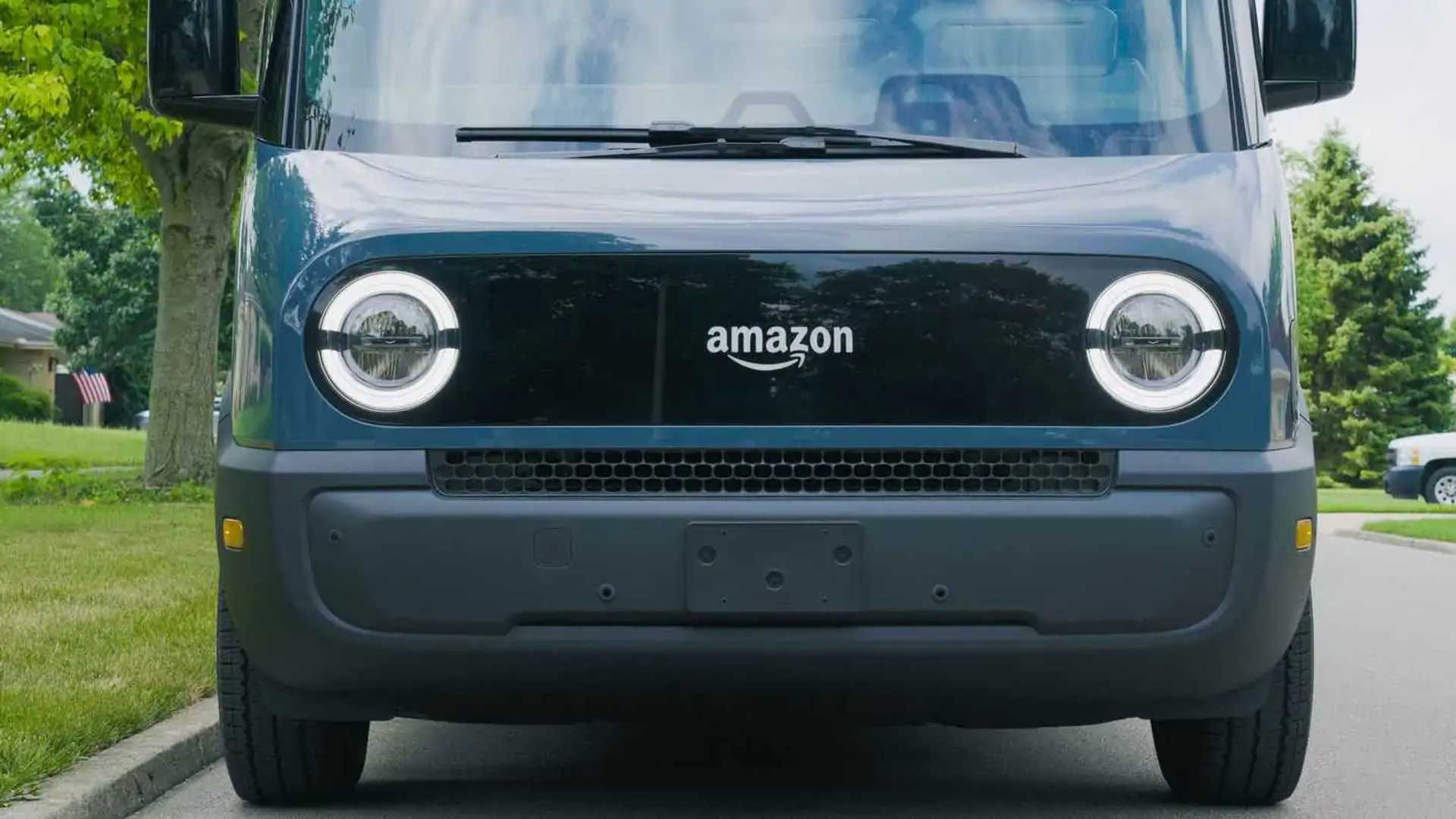
While much of the automotive industry’s focus on Rivian has traditionally centered on its R1T pickup, R1S SUV, or the highly anticipated R2 crossover, an understated workhorse is quietly driving significant financial growth for the American electric vehicle manufacturer. The Rivian Electric Delivery Van (EDV), a seemingly less glamorous offering, is proving to be a strategic asset, securing substantial revenue and solidifying Rivian’s position in the burgeoning commercial EV market.
The R2, slated to be more affordable at an eventual price point of $45,000, has garnered considerable attention as Rivian’s answer to competitors like the Tesla Model Y, positioning itself as a vital component for the company’s long-term profitability. Indeed, the California-based startup recently reported that the R2 became its best-selling vehicle in Q3, merely months after its June market debut, underscoring its potential to anchor future growth.
The Unexpected Ascent of the Rivian EDV
Despite the buzz around its consumer-focused vehicles, the Rivian EDV, often seen silently navigating neighborhoods for Amazon deliveries, is rapidly becoming an indispensable revenue stream. This commercial electric van is not only fulfilling its primary role but also demonstrating significant operational advantages that are catching the attention of major logistics players.
Rivian founder and CEO RJ Scaringe recently highlighted the surging demand from Amazon for these electric delivery vans. Speaking during an earnings call, Scaringe noted a substantial increase in orders from the e-commerce giant, which has been an early and significant investor in Rivian.
This increased demand is attributed to the inherent cost efficiencies of electric vehicles, particularly the Rivian EDV, which boasts lower running costs and reduced maintenance requirements compared to traditional internal combustion engine (ICE) counterparts. The fluctuating and often prohibitive prices of diesel fuel further amplify the economic benefits of fleet electrification for large-scale operators like Amazon.
Financial Performance: A Booming Commercial Segment
Rivian’s financial disclosures underscore the critical role the EDV plays in its overall revenue growth. Although specific delivery volumes across individual models are not publicly detailed, the company’s financials present a clear picture of a thriving commercial van business. In the third quarter alone, Amazon contributed an impressive $596 million to Rivian’s revenue. This figure surpasses Amazon’s total payments to Rivian throughout the first three quarters of the previous year combined, signaling a dramatic acceleration in EDV acquisitions.
Year-to-date, Rivian has recorded a staggering $1.6 billion in revenue from Amazon, primarily derived from sales of its electric delivery van. This represents a nearly threefold increase year-over-year, showcasing the profound impact the Amazon partnership and the EDV’s performance are having on Rivian’s financial trajectory. Such rapid expansion of revenue from a single commercial client is a testament to the operational efficiency and reliability of the Rivian EDV.
The significant revenue surge from its commercial segment provides a vital cushion for Rivian as it navigates its path toward overall profitability. While the company reported a net loss of $913 million for the third quarter, this marks an improvement from a $1.17 billion loss observed in Q3 of 2025. This incremental progress highlights the importance of diversified revenue streams, including contributions from its high-margin software and services business, in funding its ambitious long-term vision, which includes the R2.
Navigating a Less Crowded Commercial EV Landscape
The competitive environment for medium-duty electric vans is notably shrinking, offering Rivian a significant advantage. While many automakers initially announced ambitious plans for commercial EVs, several established players have either struggled to gain traction or have withdrawn from the segment entirely. This shift creates a more favorable market for dedicated EV manufacturers.
Ford, for instance, has reported selling fewer than 700 E-Transit vans this year, representing a substantial 85% decline compared to the same period in 2025. Adding to this trend, Ford also made the strategic decision to cancel a planned next-generation model of its electric van. Similarly, General Motors opted to completely discontinue its BrightDrop electric delivery vans late last year, signaling a major retreat from the commercial EV space.
Industry experts, including Ray Minjares, who leads the heavy-duty vehicles program at the International Council on Clean Transportation, observe that the current dynamics within the U.S. commercial vehicle market are predominantly shaped by EV-only manufacturers. He highlights Rivian’s leading role in the medium-duty electric vehicle category, while Tesla’s Semi is making significant inroads in the long-haul trucking sector. Other startups like Harbinger Motors are also carving out niches, with Harbinger recently securing a deal to supply 2,000 electric trucks to FedEx.
These market developments underscore a pivotal moment for Rivian. With traditional automotive giants facing challenges in scaling their commercial EV operations, Rivian, as a specialist in electric mobility, is uniquely positioned to capture a larger share of the burgeoning fleet electrification market.
Expanding Reach and Future Outlook for the EDV
Capitalizing on its success, Rivian is actively expanding the market reach and capabilities of its Electric Delivery Van. In a strategic move last year, the company began accepting fleet orders from entities other than Amazon, broadening its customer base. The EDV models available to these new clients start at a price point of $79,900 for the smaller variant, making them accessible to a wider array of commercial operators.
Further enhancing its EDV portfolio, Rivian recently announced the commencement of deliveries for two new EDV variants specifically designed to address a broader range of operational needs, particularly for more challenging rural routes. One variant introduces an all-wheel-drive (AWD) capability, offering enhanced traction and performance in diverse terrains. The other features a larger battery, providing an impressive 30% increase in range, thereby extending the operational capabilities and versatility of the Rivian EDV for fleet operators.
Speculation about a major new partnership surfaced recently when a photograph of a Rivian EDV adorned with Walmart’s livery went viral. While Rivian executives refrained from direct comments on the specific photo when questioned by analysts during the earnings call, CEO RJ Scaringe indicated that the company is actively engaged in discussions with additional potential EDV customers. This suggests a strategic intent to diversify its commercial client base beyond its foundational partnership with Amazon.
Scaringe articulated the broader market interest, stating, “We do see other commercial operators, as they start to really look at ways to drive more efficiency into the business, starting to look at the EDV,” he said. “And we’re excited for those potential future customers on this program as well.” This forward-looking statement reinforces Rivian’s commitment to leveraging the EDV’s proven efficiency and reliability to attract new partners and further cement its leadership in the commercial electric vehicle sector.
Conclusion
The Rivian EDV, once seen as the less glamorous sibling to its consumer SUVs and trucks, has unequivocally established itself as a cornerstone of the company’s financial strategy. Its burgeoning success, particularly the nearly threefold increase in revenue from Amazon and the retreat of major competitors, highlights a significant shift in the automotive landscape.
As Rivian continues to innovate with new variants and expand its customer base beyond its initial anchor client, the EDV is poised to remain a powerful engine for growth. The quiet revolution of the electric delivery van is not just about environmental sustainability; it is increasingly about pragmatic economic advantages that are reshaping the future of commercial logistics and firmly establishing Rivian as a formidable player in the global electric vehicle market.
Frequently Asked Questions (FAQ)
What is the Rivian EDV?
The Rivian EDV, or Electric Delivery Van, is a commercial electric vehicle designed primarily for last-mile delivery services. It is characterized by its distinct design and focus on operational efficiency and reduced environmental impact, making it a key component of fleet electrification for logistics companies.
Who is the primary customer for the Rivian EDV?
Amazon is currently the primary and largest customer for the Rivian EDV. The e-commerce giant was also an early investor in Rivian and has been significantly increasing its orders, making it a crucial partner in the EDV’s commercial success and widespread deployment.
How much revenue has the Rivian EDV generated for the company this year?
This year, Rivian has booked $1.6 billion in revenue from Amazon, primarily attributed to EDV sales. This represents a nearly threefold increase compared to the same period last year, underscoring the van’s growing financial contribution to Rivian.
Why are logistics companies choosing the Rivian EDV?
Logistics companies, such as Amazon, are increasingly opting for the Rivian EDV due to its significant operational benefits. These include lower running costs, primarily from reduced fuel expenses and decreased maintenance requirements inherent to electric vehicles, making them a more economical choice in the long run.
What is the competitive landscape for commercial electric vans?
The commercial electric van market is seeing a notable shift, with traditional automakers like Ford and General Motors either struggling or exiting the segment. This has created a less crowded competitive field, allowing EV-only manufacturers like Rivian to emerge as leaders in medium-duty electric vehicle electrification.
Has Rivian expanded EDV sales beyond Amazon?
Yes, Rivian began accepting fleet orders for its EDV from companies other than Amazon last year. It has also introduced new variants, including all-wheel-drive and extended-range models, to cater to a broader array of commercial operators and diverse route requirements.
What is Rivian’s broader financial situation?
While the EDV is a significant revenue driver, Rivian is still on its path to profitability, reporting a net loss of $913 million in Q3. This is an improvement from a $1.17 billion loss in Q3 of 2025, with the R2 and high-margin software services seen as crucial for its long-term financial health.