
Key Takeaways
- BP Pulse’s entire network of nearly 900 DC fast EV chargers in the United States has been fully integrated into ChargeHub’s Passport Hub ecosystem.
- This strategic partnership establishes BP Pulse as a key component of North America’s largest electric vehicle charging roaming network, simplifying access for drivers.
- Electric vehicle owners can now utilise the ChargeHub application to locate, access, and pay for charging sessions across numerous networks, including BP Pulse EV chargers, eliminating the need for multiple proprietary apps.
- The integration provides real-time data on charger availability and connector types, enhancing the overall charging experience and supporting wider EV adoption.
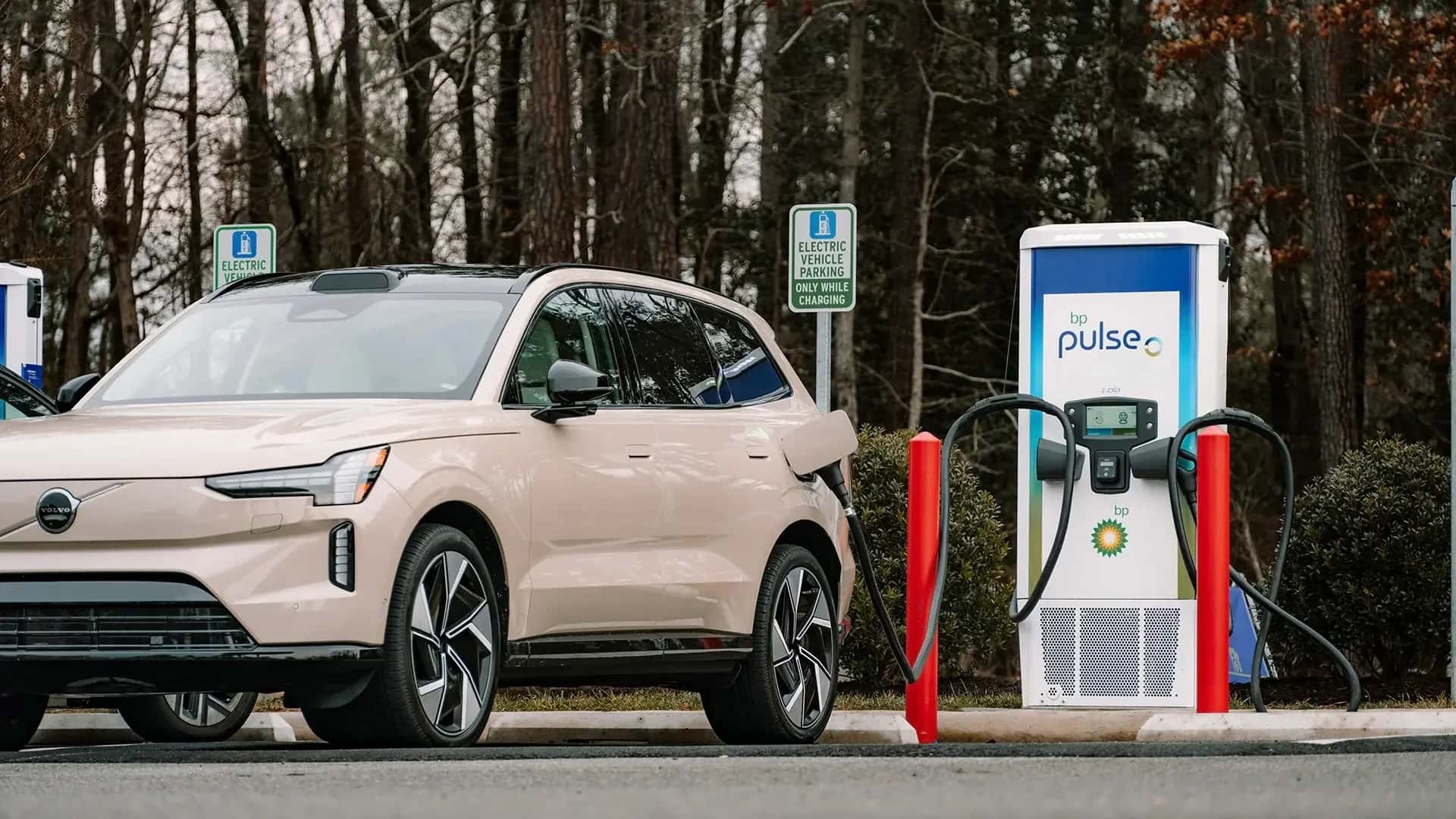
In a significant development for the electric vehicle (EV) sector, BP Pulse, the dedicated EV charging subsidiary of the global energy giant BP, has announced the complete integration of its vast network of DC fast chargers across the United States into ChargeHub’s comprehensive roaming network. This pivotal move is set to substantially streamline the charging process for EV drivers, making the search for and utilisation of BP Pulse EV chargers considerably more accessible and user-friendly.

The integration means that BP Pulse’s nearly 900 direct current (DC) fast charging ports are now fully discoverable and accessible through ChargeHub’s expansive Passport Hub ecosystem. ChargeHub, a prominent player in the North American EV charging landscape, proudly asserts that its platform represents the continent’s largest roaming network, encompassing thousands of charging stalls operated by dozens of distinct service providers.
Enhanced Interoperability for Electric Vehicle Drivers
This strategic alliance directly addresses one of the prevailing challenges faced by electric vehicle owners: the proliferation of disparate charging applications. With this integration, drivers can now forego the need for the dedicated BP Pulse smartphone application. Instead, they can leverage the ChargeHub app, which serves as a unified interface to interact with a multitude of charging operators.
The centralisation of charging services through the ChargeHub platform offers a significant boost in convenience. Users gain the ability to effortlessly locate available BP Pulse EV chargers, initiate charging sessions, and process payments—all from a single, intuitive application. This consolidated approach is particularly beneficial for long-distance travel, where drivers might encounter various charging networks along their route.
Real-Time Data and Diverse Connector Support
Beyond simplified access, the ChargeHub application provides crucial real-time information, including the current availability of charging ports and the specific connector types offered at each station. This feature is instrumental in reducing range anxiety and improving planning efficiency for EV users.
BP Pulse’s network, comprising 874 fast chargers, offers a diverse array of connector types to accommodate a broad spectrum of electric vehicles. Approximately one-third of these fast chargers are equipped with the Tesla-style North American Charging Standard (NACS) connector, reflecting the growing trend towards standardisation. The majority of stalls feature CCS1 (Combined Charging System) connectors, which are prevalent in many non-Tesla electric vehicles, while a smaller number still provide CHAdeMO plugs, catering to older EV models.
While the ChargeHub app facilitates seamless digital interaction, BP Pulse EV chargers also offer on-site credit card readers. This ensures that drivers always have an alternative payment method available, removing any dependency on smartphone applications. Furthermore, BP Pulse supports ‘Plug & Charge’ functionality, a technology designed for effortless charging by automatically authenticating the vehicle and initiating payment upon plugin. Currently, this advanced feature is available exclusively for Ford and BMW vehicles and is limited to the fastest charging stalls within the network, indicating a targeted rollout for optimal user experience.
Performance and Scalability of BP Pulse EV Chargers
The BP Pulse network leverages a diverse range of advanced charging hardware to meet varied power demands. The lower-powered stalls, manufactured by Tritium, are capable of delivering up to 150 kilowatts (kW) of power, suitable for a rapid but not ultra-fast charge.
For even quicker replenishment, the network incorporates 180 kW ABB dispensers. At the pinnacle of its offering are the high-performance 400 kW Alpitronic stalls, representing some of the fastest charging capabilities available in the market. These varying power outputs allow BP Pulse to cater to different EV models and driver requirements, from a quick top-up to a substantial charge for extended journeys.
The scale of BP Pulse’s infrastructure varies significantly, from compact stations featuring just two stalls to expansive hubs designed for high traffic volumes. Notably, the largest BP Pulse site, located in Inglewood, California, boasts an impressive 48 stalls, as verified by DCFC Tracker. This demonstrates BP’s commitment to establishing robust charging ecosystems in key urban and travel corridors.
Pricing for charging sessions at BP Pulse EV chargers is dynamic, fluctuating between $0.33 per kilowatt-hour and $0.65 per kilowatt-hour. This variability typically reflects factors such as geographical location, local electricity costs, demand at specific times, and the speed of the charger being used, allowing the network to manage operational costs and optimize energy distribution.
Industry Perspective on Charging Interoperability
Commenting on this pivotal collaboration, Sujay Sharma, VP EV Charging at BP Pulse, underscored the company’s foundational philosophy. “We’re focused on making charging simple, reliable, and easy to access wherever drivers need it,” Sharma stated. He further added, “By partnering with ChargeHub, we’re expanding access to the bp pulse network through trusted roaming partners for EV drivers on the road. Charging networks working better together benefits the entire EV ecosystem and is an important step toward accelerating EV adoption.”
Sharma’s remarks highlight the broader industry trend towards greater interoperability and collaboration among charging providers. The vision is to create a seamless and integrated charging experience that mirrors the convenience of traditional petrol stations, thereby addressing one of the major psychological barriers to widespread electric vehicle adoption: range anxiety and charging complexity.
ChargeHub’s Expansive Digital Footprint
ChargeHub’s growing influence in the EV charging ecosystem extends beyond mere integration; it acts as a comprehensive portal for drivers. Through its application, users can not only find and pay for charging sessions at over 40 different operators across the United States and Canada but also discover information on an additional 70+ networks.
This broader discovery functionality includes major players like Tesla, Ionna, and Electrify America, even if direct payment through ChargeHub is not always available for every single one of these networks. This dual capability—direct access for many, and comprehensive information for all others—solidifies ChargeHub’s position as a crucial resource for any EV driver navigating the increasingly complex North American charging infrastructure.
The Future of Electric Vehicle Charging
The integration of BP Pulse EV chargers into ChargeHub’s roaming network marks a significant stride towards creating a more cohesive and user-centric electric vehicle charging infrastructure. By enhancing accessibility, simplifying payment processes, and providing crucial real-time data, such partnerships play a vital role in reducing the complexities associated with EV ownership.
This ongoing evolution of charging solutions is expected to build greater confidence among potential EV buyers and existing owners alike. As the electric mobility sector continues its rapid expansion, the focus on seamless, reliable, and ubiquitous charging solutions will remain paramount for accelerating the global transition to sustainable transportation.
Frequently Asked Questions About BP Pulse EV Chargers and ChargeHub Integration
What does the integration of BP Pulse into ChargeHub mean for EV drivers?
This integration significantly enhances convenience for EV drivers by allowing them to find, access, and pay for charging sessions at BP Pulse EV chargers directly through the ChargeHub app. This eliminates the need for managing multiple charging network applications.
How many BP Pulse EV chargers are now accessible via ChargeHub?
Nearly 900 DC fast charging ports across the United States, forming part of BP Pulse’s extensive network, are now fully integrated into ChargeHub’s Passport Hub ecosystem, making them widely available to users of the platform.
Is ChargeHub truly the largest roaming network in North America?
ChargeHub claims its Passport Hub ecosystem represents North America’s largest roaming network. It integrates thousands of charging stalls from dozens of different operators, including the newly added BP Pulse EV chargers, to offer extensive coverage.
What types of connectors are available on BP Pulse EV chargers?
BP Pulse EV chargers offer a variety of connector types to accommodate diverse electric vehicles. Approximately one-third of their fast chargers have NACS connectors, the majority utilise CCS1 connectors, and some stations are also equipped with CHAdeMO plugs.
What are the power outputs of BP Pulse EV chargers?
BP Pulse’s network features chargers with varied power outputs. Drivers can find Tritium-made stalls delivering up to 150 kW, ABB dispensers offering 180 kW, and high-speed Alpitronic stalls providing up to 400 kW for rapid charging.
Are there alternative payment methods if I don’t want to use the app?
Yes, BP Pulse EV chargers are equipped with on-site credit card readers. This provides a convenient alternative payment option for drivers who prefer not to use a smartphone application for their charging sessions.
What is ‘Plug & Charge’ and is it available on BP Pulse EV chargers?
Plug & Charge is a technology that allows electric vehicles to automatically authenticate and initiate payment simply by plugging into a compatible charger. BP Pulse supports this feature, though it is currently limited to Ford and BMW vehicles and is enabled only on the fastest charging stalls.
How does the pricing for BP Pulse EV chargers vary?
Pricing on the BP Pulse network can range from $0.33 per kilowatt-hour to $0.65 per kilowatt-hour. This variability often depends on factors such as the charger’s location, specific station operational costs, time of day, and the charging speed offered.