
Key Takeaways (TL;DR)
- BP Pulse has integrated its entire United States EV charging network into ChargeHub’s Passport Hub ecosystem.
- This integration allows electric vehicle drivers to access nearly 900 BP Pulse fast chargers, alongside those from dozens of other operators, through a single ChargeHub application.
- The move significantly simplifies the charging process by reducing the need for multiple apps, providing real-time port availability, and supporting various payment and connector options.
- Industry leaders highlight this partnership as a crucial step towards enhancing the reliability and ease of access for EV charging, thereby accelerating broader electric vehicle adoption.
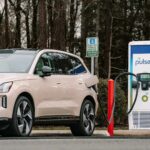
In a significant development for electric vehicle (EV) drivers across the United States, BP Pulse, the EV charging subsidiary of the global oil and gas giant BP, has announced the full integration of its extensive network into ChargeHub’s Passport Hub ecosystem. This strategic partnership marks a substantial stride towards simplifying the charging experience, making it considerably easier for EV owners to locate, access, and pay for fast charging services.
The integration means that BP Pulse’s nearly 900 DC fast charging ports are now part of what ChargeHub claims to be North America’s largest roaming network. This collaboration is set to alleviate one of the common pain points for EV drivers: the necessity of managing multiple applications for different charging networks.
Revolutionising EV Charging Access Through Roaming Networks
The concept of a ‘roaming network’ in the EV charging sphere is akin to mobile phone roaming. It allows users of one charging network to access and pay for services on another network using their existing account or a single, universal application. This eliminates the ‘app fatigue’ that many EV drivers experience, where they might need several different smartphone applications to charge their vehicles at various stations.
ChargeHub’s Passport Hub ecosystem stands at the forefront of this innovation. By consolidating access to a vast array of charging operators, it provides a unified platform. For BP Pulse EV chargers, this means drivers can now utilise the ChargeHub app instead of the dedicated BP Pulse application, thereby streamlining their travel plans and on-the-go charging needs.
Unlocking Convenience with the ChargeHub App
The ChargeHub application offers comprehensive functionality designed to enhance the user experience. Through this single interface, drivers can efficiently locate available charging stations, initiate charging sessions, and process payments. This integrated approach not only saves time but also reduces friction in the charging process.
A critical feature of the ChargeHub app is its ability to display real-time information regarding port availability and connector types. This immediacy is invaluable for drivers planning their routes, ensuring they arrive at a station with an open port compatible with their vehicle, thus avoiding potential delays and frustrations.
BP Pulse Network: A Closer Look at Technology and Reach
The BP Pulse network in the US offers a diverse range of charging solutions designed to cater to various EV models and charging requirements. Understanding the technical specifications of these BP Pulse EV chargers is crucial for drivers to optimise their charging strategy.
Connector Versatility and Compatibility
BP Pulse stations are equipped with a variety of connector types to ensure broad compatibility across the growing EV fleet. Approximately one-third of its 874 fast chargers feature the Tesla-style North American Charging Standard (NACS) connector, reflecting the increasing adoption of this standard within the industry.
The majority of the stalls, however, are equipped with CCS1 (Combined Charging System) connectors, which are prevalent among many non-Tesla electric vehicles in North America. Additionally, some stations still provide CHAdeMO plugs, catering to older EV models, particularly those from Japanese manufacturers.
Flexible Payment and Advanced Features
While the ChargeHub app offers a convenient digital payment method, BP Pulse chargers also ensure accessibility for all users by featuring on-site credit card readers. This provides an alternative payment option, removing the necessity of a smartphone application for those who prefer traditional payment methods or in situations where connectivity might be an issue.
Further enhancing user convenience, BP Pulse supports Plug & Charge technology. This advanced feature enables compatible electric vehicles to communicate directly with the charging station, automatically authenticating the vehicle and initiating payment without any manual input from the driver. Currently, this functionality is limited to Ford and BMW vehicles and is available only on the fastest stalls within the BP Pulse network, signifying a targeted rollout of cutting-edge charging solutions.
Charging Speeds and Network Scale
The BP Pulse network incorporates chargers from leading manufacturers, offering a range of power outputs to meet varying demands for charging speed. The lowest-powered stalls, manufactured by Tritium, can deliver up to 150 kW, suitable for a rapid charge.
Mid-range options include 180 kW ABB dispensers, providing even faster charging times. For drivers seeking the quickest possible charge, BP Pulse has deployed 400 kW Alpitronic stalls, representing some of the most powerful DC fast chargers available today. This tiered approach to power output allows drivers to select a charging speed that best fits their time constraints and vehicle capabilities.
The scale of BP Pulse’s infrastructure ranges from smaller stations with just two stalls to significantly larger hubs. An example of the latter is the Inglewood, California site, which boasts 48 stalls, according to data from DCFC Tracker. This variety in station size indicates a strategic deployment aimed at serving both localised needs and high-demand corridors.
Understanding BP Pulse Charging Costs
Pricing for charging on the BP Pulse network is dynamic, with rates varying between $0.33 per kilowatt-hour (kWh) and $0.65 per kWh. These variations typically depend on factors such as location, time of day, and the specific charging speed utilised. Such pricing structures are common across the EV charging industry, reflecting operational costs and market dynamics.
Industry Perspective: A Collaborative Future for EV Charging
The integration of BP Pulse into ChargeHub’s extensive roaming network has been met with positive sentiment from industry leaders, who underscore its importance for the future of electric mobility. Sujay Sharma, VP EV Charging at BP Pulse, articulated the strategic vision behind this partnership.
“We’re focused on making charging simple, reliable, and easy to access wherever drivers need it,” said Sujay Sharma. “By partnering with ChargeHub, we’re expanding access to the bp pulse network through trusted roaming partners for EV drivers on the road. Charging networks working better together benefits the entire EV ecosystem and is an important step toward accelerating EV adoption.”
Sharma’s statement highlights a critical industry consensus: collaboration among charging providers is essential for overcoming existing infrastructure hurdles and encouraging wider EV adoption. A unified and accessible charging experience is paramount to convincing more consumers to transition to electric vehicles.
ChargeHub’s Expanding Reach
The ChargeHub app’s utility extends far beyond BP Pulse EV chargers. It enables drivers to find and pay for charging sessions at over 40 different operators across both the United States and Canada. Furthermore, the app provides information on an additional 70+ networks, including major players like Tesla, Ionna, and Electrify America, even if direct payment through ChargeHub isn’t yet available for all.
This comprehensive coverage establishes ChargeHub as a central resource for EV drivers, offering a panoramic view of the North American charging landscape. The move by BP Pulse is a testament to the increasing trend of charging networks moving towards greater interoperability, which is vital for building a robust and user-friendly EV ecosystem.
Frequently Asked Questions (FAQ)
What is the main benefit of BP Pulse joining ChargeHub’s network?
The primary benefit is enhanced convenience for EV drivers. They can now use a single app, ChargeHub, to locate, access, and pay for charging at BP Pulse stations and many other networks, eliminating the need for multiple charging provider applications. This simplifies the entire charging experience.
How many BP Pulse EV chargers are included in this integration?
BP Pulse has integrated its nearly 900 DC fast charging ports across the United States into ChargeHub’s Passport Hub ecosystem. This significantly expands the accessible charging options for ChargeHub users and makes BP Pulse stations more visible.
What types of connectors are available at BP Pulse charging stations?
BP Pulse chargers offer a variety of connector types to accommodate different EVs. Roughly one-third of its fast chargers have Tesla-style NACS connectors, while the majority are equipped with CCS1 connectors. Some stations also provide CHAdeMO plugs for broader compatibility.
Can I pay for BP Pulse charging without using the ChargeHub app?
Yes, while the ChargeHub app provides seamless digital access, BP Pulse chargers are also equipped with on-site credit card readers. This allows drivers to pay directly at the station using a credit card, offering flexibility for those who prefer not to use an app or in areas with limited mobile connectivity.
What is Plug & Charge technology, and is it available on BP Pulse EV chargers?
Plug & Charge is an advanced feature that allows an EV to automatically authenticate and start a charging session when plugged in, without requiring an app or card. BP Pulse supports Plug & Charge, though it is currently limited to Ford and BMW vehicles and is only enabled on its fastest charging stalls.
What are the maximum charging speeds offered by BP Pulse?
BP Pulse offers a range of charging speeds. Its network includes Tritium chargers delivering up to 150 kW, ABB dispensers at 180 kW, and high-speed Alpitronic stalls capable of 400 kW. These varied speeds cater to different EV models and driver needs for quick charging.
How does this partnership benefit the wider EV ecosystem?
This collaboration fosters greater interoperability and standardization within the EV charging industry. By making charging simpler and more reliable, it directly addresses key barriers to EV adoption, encouraging more consumers to switch to electric vehicles and supporting the growth of sustainable transportation.