
Key Takeaways (TL;DR):
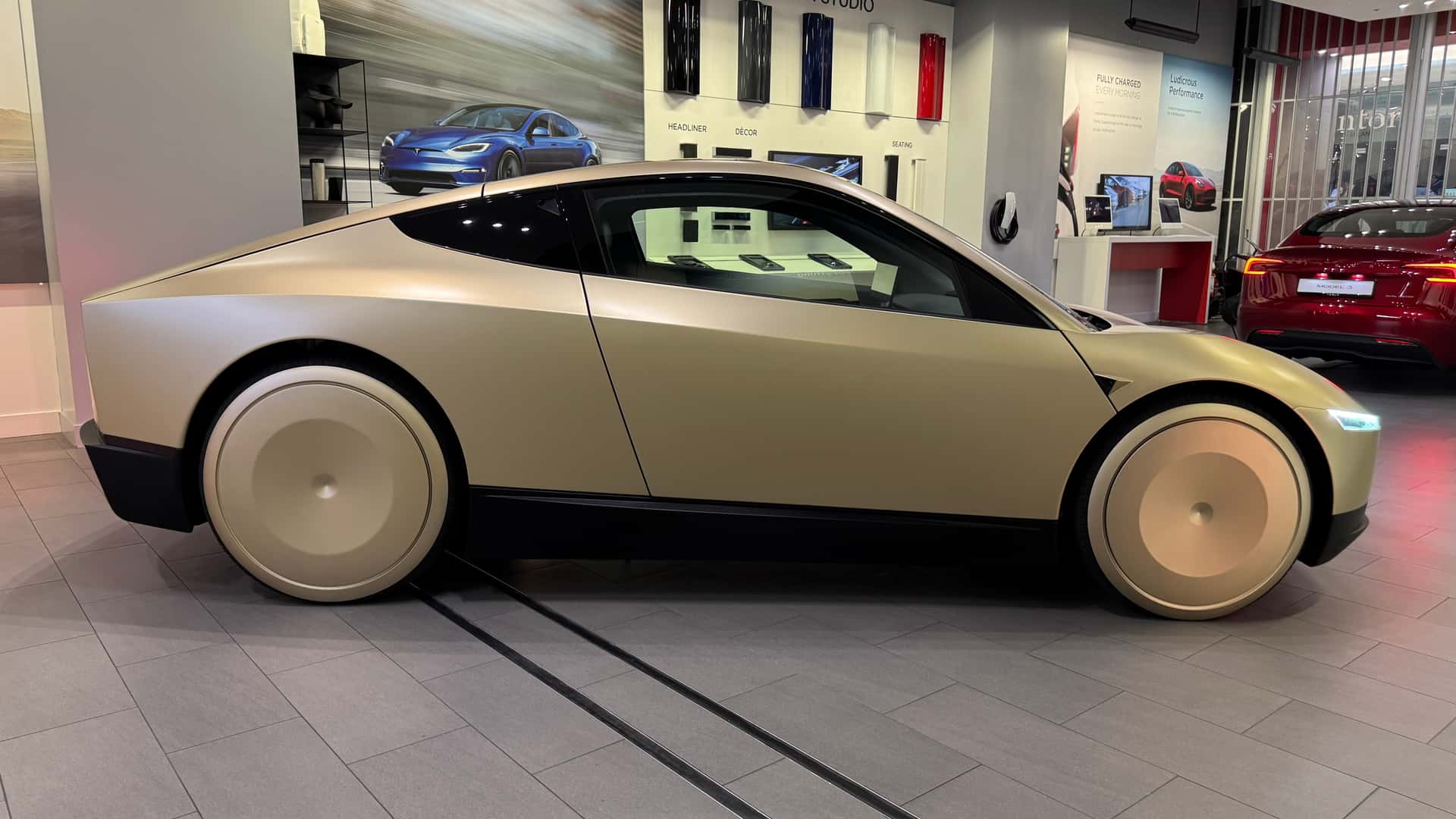
- Tesla is shifting its battery design philosophy, moving away from the highly integrated structural battery pack found in some Model Ys and the Cybertruck towards a more modular, repairable system for its upcoming Cybercab robotaxi.
- The Model Y’s structural battery, while innovative for energy density and weight savings, received a ‘D’ grade internally from Tesla for its manufacturing complexity and near-zero repairability.
- The Cybercab’s new ‘semi-structural’ design incorporates four separate battery modules, allowing for easier individual module replacement and significantly reducing the total cost of ownership (TCO) for a high-utilisation vehicle fleet.
- This strategic pivot underscores a prioritisation of serviceability and remanufacturing capabilities, particularly crucial for vehicles expected to operate for hundreds of thousands of miles in demanding commercial applications.
- While fully structural packs offer advantages in cell volume and material cost, the long-term service costs and maintenance for commercial fleets led Tesla to reconsider its approach for the robotaxi segment.
In a significant shift in its electric vehicle (EV) battery design strategy, Tesla is reportedly moving away from the highly integrated structural battery pack, a hallmark of some Model Y variants and the Cybertruck, in favour of a more modular and repairable system for its upcoming Cybercab robotaxi. This pivot highlights a critical re-evaluation of design priorities, balancing manufacturing efficiency and energy density with long-term serviceability and total cost of ownership (TCO), particularly for fleet operations.

For years, Tesla has been a pioneer in pushing the boundaries of EV battery technology, including the development of structural battery packs. This innovative approach integrates the battery cells directly into the vehicle’s chassis, eliminating traditional modules to save weight and maximise space for energy storage. However, this design, while offering notable advantages, presented significant challenges in terms of repairability and manufacturing complexity.
The Model Y’s Structural Battery: A ‘D’ Grade for Repairability
The structural battery pack implemented in certain Model Y vehicles, featuring hundreds of in-house 4680 battery cells tightly integrated, has faced internal scrutiny at Tesla. Robert Sumpf, the director of mechanical design engineering for Tesla’s battery modules and packs, candidly assessed the Model Y’s structural battery.
“It’s good to be self-critical,” said Robert Sumpf. “I’m going to give our Model Y structural battery a grade D,” he added, noting that it was an “awesome product” to the customer but was hard to build.
This critical assessment was further corroborated by independent analysis. Following a teardown of a Model Y equipped with a structural pack, the engineering firm Munro & Associates concluded that its battery had “zero repairability.” This finding underscored a fundamental challenge with the design: the cells were bound together using a hard potting material, rendering individual cell repair or module replacement practically impossible without dismantling the entire unit.
Introducing the Cybercab Battery: A Semi-Structural Approach
Learning from the experiences with the Model Y structural battery, Tesla has engineered the Cybercab’s battery pack with a different philosophy. Instead of a single, monolithic assembly, the Cybercab will feature four separate modules containing the 4680 battery cells. This new configuration is described as ‘semi-structural’ by Tesla executives, indicating a hybrid approach that seeks to retain some benefits of a structural design while significantly improving serviceability.
The decision to adopt this modular design directly addresses the repairability shortcomings of previous iterations. With individual modules, a faulty section of the battery can be swapped out, eliminating the need to replace the entire, expensive battery pack. This modularity is a critical design choice, especially for vehicles destined for high-usage commercial fleets.
Structural vs. Modular Battery Design: Understanding the Trade-offs
The core debate in advanced EV battery design revolves around the balance between energy density, manufacturing efficiency, and serviceability. Conventional battery packs typically comprise multiple modules, each housing numerous cells. Structural battery packs, in contrast, integrate cells directly into the vehicle structure, often eliminating the module enclosures altogether.
Advantages of moving towards structural battery pack designs include the ability to stuff more 4680 battery cells into a given area, thereby increasing energy density and potentially range. This approach also allows for some material cost savings by reducing the number of components. Automakers globally, including BMW, Porsche, and Ford, are exploring or implementing designs where cells go directly into packs or even directly into the vehicle’s body structure, reflecting a broader industry trend towards cell-to-pack or cell-to-chassis concepts.
However, the primary drawback, as highlighted by Tesla’s own assessment of the Model Y structural battery, is serviceability. When cells are rigidly bound together within a structural unit using robust potting materials, repairing or replacing a single defective cell or a small group of cells becomes exceedingly complex and often cost-prohibitive. This ‘all-or-nothing’ repair philosophy can lead to higher overall maintenance expenses.
Prioritising Total Cost of Ownership (TCO) for Robotaxis
Tesla’s strategic shift for the Cybercab battery underscores a pragmatic understanding of the unique demands of a robotaxi fleet. While maximizing range and minimising weight are crucial for consumer EVs, the total cost of ownership (TCO) emerges as the paramount consideration for commercial autonomous vehicles designed for round-the-clock operation.
As Robert Sumpf explained the TCO implications: “You’re going to get maybe 10% more volume for cells in a structural pack when you delete the structure. You’re going to save a little cost as a result, but the issue is the service cost.” This statement clearly articulates the trade-off. A small gain in cell volume or initial manufacturing cost savings can be quickly overshadowed by exorbitant service expenses over the vehicle’s operational lifetime.
EV batteries, in general, are engineered for durability, with studies indicating that catastrophic failures are rare, and degradation typically follows a predictable curve over many years. However, robotaxis like the Cybercab are expected to endure unprecedented levels of continuous use, accumulating hundreds of thousands of miles rapidly. In such high-utilisation scenarios, even rare defects or degradation patterns can significantly impact profitability if repairs are impossible or overly expensive.
Eric Earley, the Cybercab’s chief engineer, elaborated on this critical aspect during an interview on the Munro Live YouTube channel: “When you think of TCO as we’ve talked about, replacing an entire pack before half a million miles is a killer on cost. So we have to think of [remanufacturing], we have to think of pack serviceability, we have to think of all those things that actually get us to our cost target for the product.”
This perspective confirms that Tesla’s decision for the Cybercab battery is driven by the economics of large-scale fleet operations, where remanufacturing and easy maintenance directly contribute to long-term profitability and sustainability. The ability to repair or replace individual modules prolongs the life of the overall battery pack, reduces waste, and makes the Cybercab a more financially viable option for future autonomous taxi services. This evolution in Tesla’s battery design philosophy marks a maturing approach to EV engineering, acknowledging that optimal solutions vary depending on the vehicle’s intended application and operational demands.
FAQ Section
What is a structural battery pack in an EV?
A structural battery pack integrates battery cells directly into the vehicle’s chassis, making the battery an integral part of the car’s structure. This design aims to save weight, reduce material costs, and increase the volume available for battery cells, potentially boosting range and improving energy density.
Why is Tesla changing its battery design for the Cybercab?
Tesla is moving to a more modular, ‘semi-structural’ battery design for the Cybercab to improve repairability and reduce the total cost of ownership (TCO). The previous Model Y structural battery was difficult to repair, an impracticality for a robotaxi expected to operate for hundreds of thousands of miles.
What was the main issue with the Model Y’s structural battery?
The primary issue with the Model Y’s structural battery was its near-zero repairability. Due to cells being tightly bound with a hard potting material, replacing a single faulty cell or module required replacing the entire battery pack, leading to high service costs and complexity.
How does the Cybercab’s new battery design improve repairability?
The Cybercab’s battery pack uses four separate modules of 4680 battery cells. This modularity allows for individual faulty modules to be swapped out without replacing the entire battery pack, significantly streamlining repairs and reducing maintenance expenses for the Tesla Cybercab battery.
What are the benefits of a modular battery design for a robotaxi?
For a robotaxi fleet like the Cybercab, a modular battery design offers lower total cost of ownership (TCO), easier remanufacturing, and improved pack serviceability. This translates to reduced downtime, cheaper repairs, and a more economically viable operation over the vehicle’s extensive lifespan.
Are other automakers using structural battery designs?
Yes, automakers such as BMW, Porsche, and Ford are also exploring and implementing designs where battery cells go directly into packs or even into the vehicle’s body structure. This trend aims to maximise energy density and material efficiency across the EV industry.
What does Total Cost of Ownership (TCO) mean for electric vehicles?
Total Cost of Ownership (TCO) for EVs includes the purchase price, charging costs, maintenance, repairs, insurance, and potential resale value over the vehicle’s lifespan. For commercial fleets, TCO is critical, as operational costs directly impact profitability, making repairability and durability paramount.
What are Tesla 4680 battery cells?
Tesla 4680 battery cells are a new, larger cylindrical cell format developed by Tesla. These cells are designed to offer improved energy density, power output, and manufacturing efficiency compared to previous cell formats. They are central to Tesla’s next-generation battery technology and were initially featured in structural packs.