
Key Takeaways (TL;DR):
- BP Pulse’s entire U.S. electric vehicle (EV) charging network is now fully integrated into ChargeHub’s extensive roaming ecosystem.
- This partnership enables EV drivers to locate, access, and pay for charging across nearly 900 BP Pulse fast chargers using a single ChargeHub application.
- The move significantly enhances convenience by eliminating the need for multiple proprietary charging apps for BP Pulse EV chargers.
- BP Pulse’s network offers diverse charger types, including NACS, CCS1, and CHAdeMO connectors, with power outputs reaching up to 400 kW.
- The collaboration aims to simplify the charging experience and accelerate wider electric vehicle adoption across the region.
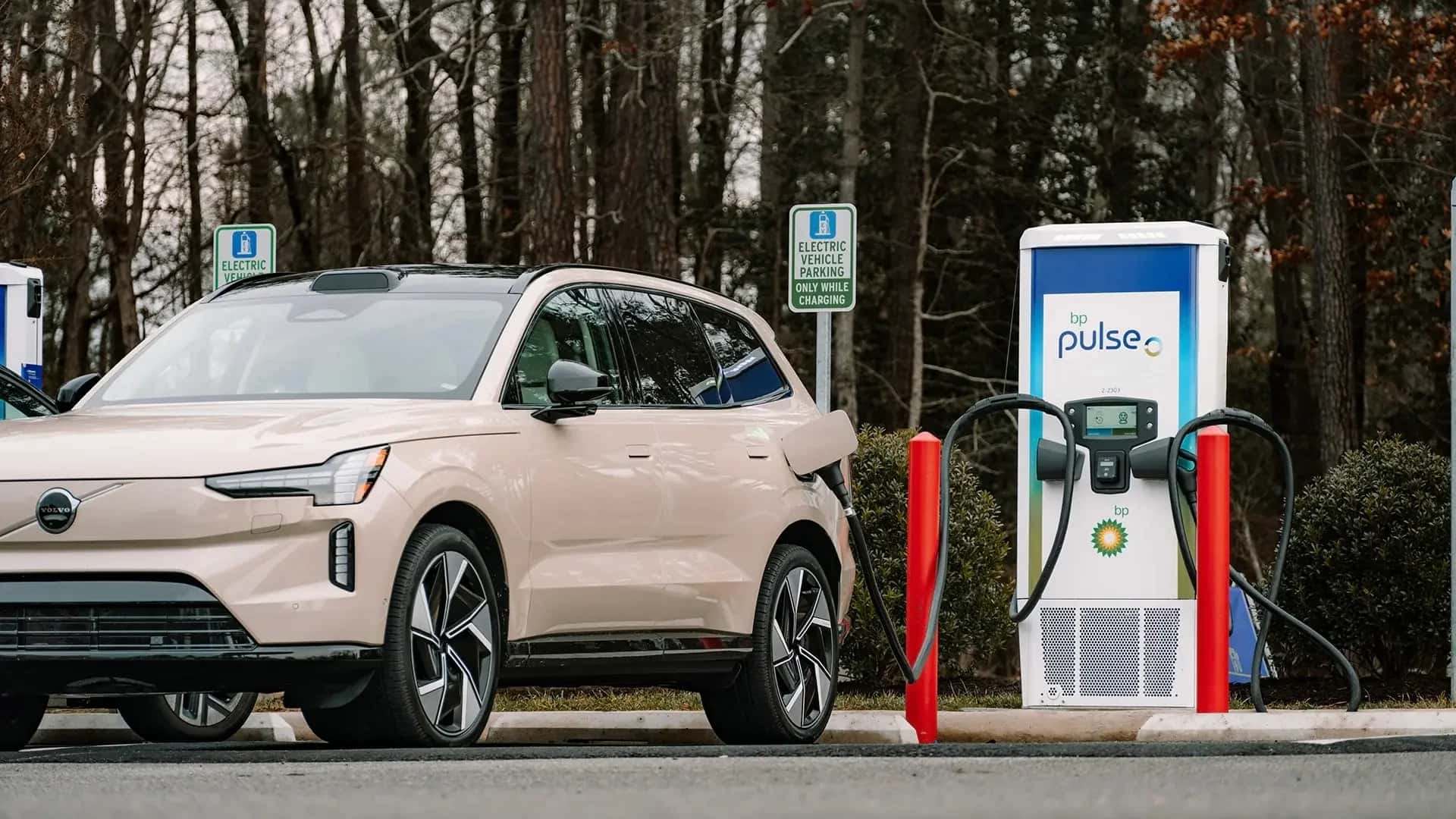
The landscape of electric vehicle (EV) charging in North America has received a significant boost in convenience, as BP Pulse, the EV charging subsidiary of the global energy giant BP, announced the full integration of its United States network into ChargeHub’s vast roaming ecosystem. This strategic partnership promises to simplify the charging experience for thousands of EV drivers by enabling access to nearly 900 BP Pulse DC fast chargers through a single, unified platform.
This development, which went into effect as of November 2023, marks a crucial step towards reducing range anxiety and enhancing the overall usability of public charging infrastructure for electric vehicles. It signifies a growing trend towards interoperability within the competitive EV charging sector.
Unified Access: A Solution to Charging Fragmentation
Historically, electric vehicle owners have often faced the challenge of managing multiple smartphone applications and accounts to access different charging networks. Each charging provider typically required its dedicated app for finding stations, initiating sessions, and processing payments. This fragmented approach, while necessary in the nascent stages of EV infrastructure development, often led to user frustration and complicated long-distance travel, deterring potential EV adopters.
The advent of roaming networks, such as ChargeHub’s Passport Hub, addresses this core issue directly. By acting as an interoperable platform, these networks allow drivers to use a single application to interact with various charging providers. This seamless connectivity is akin to how mobile phone users can make calls across different service providers without needing multiple SIM cards. For the rapidly expanding EV market, this unified access to BP Pulse EV chargers and others is a critical step towards mainstream adoption and enhanced user satisfaction.
ChargeHub Integration and Ecosystem Details
The integration means that all 874 BP Pulse fast chargers across the U.S. are now discoverable and operable via the ChargeHub app. This effectively liberates drivers from the necessity of downloading and managing the proprietary BP Pulse application, streamlining their journey planning and on-the-go charging needs. ChargeHub positions its Passport Hub as North America’s largest roaming network, consolidating thousands of charging stalls from dozens of distinct operators under one digital roof.
Beyond the immediate convenience, the ChargeHub application provides essential real-time data crucial for electric vehicle users. This includes up-to-the-minute information on the availability of charging ports, helping drivers avoid queues or wasted trips to occupied stations. Furthermore, it details the specific connector types available at each stall, ensuring compatibility with various EV models. This granular information is vital for efficient and stress-free travel, allowing drivers to confirm that a station meets their vehicle’s requirements before arrival.
BP Pulse Charging Technology and Connector Versatility
The BP Pulse network itself is designed to cater to a diverse range of electric vehicles, featuring a variety of connector types to ensure broad compatibility. Approximately one-third of its 874 fast chargers are equipped with the North American Charging Standard (NACS) connector, often referred to as the Tesla-style plug, which is gaining increasing prominence within the industry. The majority of the network’s stalls, however, utilize CCS1 connectors, which is the dominant standard for most non-Tesla EVs in North America.
Additionally, some BP Pulse EV chargers still offer CHAdeMO plugs, catering to older EV models primarily from certain Asian manufacturers. This multi-standard approach underscores BP Pulse’s commitment to serving a wide demographic of EV owners and supporting the diverse fleet of electric vehicles currently on the roads. The availability of multiple connector types at stations reduces the likelihood of a driver encountering an incompatible charging point.
Flexible Payment and Advanced Features
In terms of payment flexibility, the BP Pulse EV chargers are equipped with on-site credit card readers, offering an alternative to app-based transactions. This provides a crucial fallback option or simply a preferred method for those who may not wish to use a smartphone application or who encounter connectivity issues. The presence of physical payment options enhances accessibility for all users.
Furthermore, BP Pulse supports Plug & Charge functionality at its fastest stalls, although this advanced feature is currently limited to specific Ford and BMW vehicles. Plug & Charge simplifies the process even further by allowing a compatible vehicle to automatically communicate with the charger and initiate payment upon plugging in, eliminating the need for cards or apps entirely. This hands-free experience represents the pinnacle of charging convenience, a feature BP Pulse aims to expand.
Diverse Charger Specifications and Network Scale
The infrastructure deployed by BP Pulse comprises three primary types of chargers from leading manufacturers, offering varying power outputs to meet different charging speed requirements. The network includes Tritium-manufactured stalls capable of delivering up to 150 kilowatts (kW) of power. For even faster charging, BP Pulse has integrated 180 kW ABB dispensers, known for their reliability and robust performance.
At the top end, the network features cutting-edge 400 kW Alpitronic stalls, designed to provide ultra-rapid charging, significantly reducing the time required for a full charge, especially for newer EV models with larger battery capacities and higher charging rates. This tiered approach to power delivery ensures that drivers can select the most appropriate charging speed for their needs and vehicle capabilities.
The scale and design of BP Pulse stations also vary, reflecting strategic deployment across different locations and demand profiles. Some smaller BP Pulse sites feature just two charging stalls, ideal for convenience stores or workplaces with moderate EV traffic. In contrast, larger hubs like the prominent site in Inglewood, California, boast an impressive 48 stalls, according to DCFC Tracker. Such large-scale deployments are crucial for addressing high-demand corridors and urban centers, mitigating range anxiety and ensuring that multiple vehicles can charge simultaneously.
The pricing structure across the BP Pulse network exhibits a range, with costs fluctuating between $0.33 per kilowatt-hour and $0.65 per kilowatt-hour. This is a common practice in the industry, influenced by factors such as location, time of day, station popularity, and local electricity rates. Drivers can typically view these pricing details within the ChargeHub app before initiating a session, allowing for transparent cost assessment.
Industry Perspectives and Future Outlook
Sujay Sharma, VP EV Charging at BP Pulse, articulated the company’s vision behind this strategic collaboration, stating, “We’re focused on making charging simple, reliable, and easy to access wherever drivers need it. By partnering with ChargeHub, we’re expanding access to the bp pulse network through trusted roaming partners for EV drivers on the road. Charging networks working better together benefits the entire EV ecosystem and is an important step toward accelerating EV adoption.” This statement underscores the industry-wide recognition that interoperability and ease of use are paramount for fostering widespread electric vehicle adoption.
The ChargeHub app’s comprehensive reach extends far beyond BP Pulse. It enables drivers to locate, initiate, and pay for charging sessions at over 40 distinct operators across both the United States and Canada. Furthermore, the platform serves as a discovery tool for more than 70 additional networks, including major players like Tesla, Ionna, and Electrify America. While direct payment and session initiation might not be available for all these additional networks through ChargeHub, their inclusion in the app’s directory provides invaluable navigational and planning assistance for EV drivers exploring the broader charging landscape. This holistic approach ensures that users have a comprehensive view of available charging options, regardless of the network operator.
This move by BP Pulse, a subsidiary of one of the world’s largest oil and gas companies, also signifies a broader shift in the energy sector’s commitment to the electric mobility transition. By investing in and streamlining access to EV charging infrastructure, traditional energy giants are playing a crucial role in building the necessary support systems for a decarbonized transport future. Such initiatives not only benefit current EV owners but also serve to reassure prospective buyers about the viability and convenience of owning an electric vehicle.
The enhanced accessibility to BP Pulse EV chargers through ChargeHub is a clear indication of a maturing electric vehicle charging ecosystem. As more networks embrace interoperability and roaming agreements, the complexities currently associated with EV charging are expected to diminish significantly. This simplification is vital for accelerating the transition to electric mobility, making EV ownership an increasingly attractive and practical option for a wider segment of the population. The collaborative efforts between charging providers and aggregators like ChargeHub are paving the way for a truly seamless and user-friendly charging experience across North America, setting a benchmark for global EV charging infrastructure development.
Frequently Asked Questions about BP Pulse EV Chargers
What is the primary benefit of BP Pulse integrating with ChargeHub?
The main benefit is significantly enhanced convenience for EV drivers. By joining ChargeHub’s roaming network, BP Pulse EV chargers can now be accessed, located, and paid for using a single ChargeHub app, eliminating the need for drivers to download and manage the dedicated BP Pulse application for their charging needs across the U.S.
How many BP Pulse charging ports are now accessible through ChargeHub?
BP Pulse’s entire U.S. network, comprising nearly 900 DC fast chargers (specifically 874 fast chargers), is now integrated into the ChargeHub ecosystem. This allows a vast number of charging points to be seamlessly utilized by electric vehicle owners across the country through a single platform.
What types of connectors are available at BP Pulse EV charging stations?
BP Pulse stations are equipped to support a wide range of electric vehicles. They offer NACS (Tesla-style) connectors, CCS1 connectors (the predominant standard for many non-Tesla EVs in North America), and some stations also provide CHAdeMO plugs, catering to diverse EV models and ensuring broad compatibility for drivers.
What are the power outputs of BP Pulse’s fast chargers?
BP Pulse utilizes chargers from various manufacturers, offering different power outputs. The network includes Tritium chargers up to 150 kW, ABB dispensers at 180 kW, and high-speed Alpitronic stalls capable of delivering up to 400 kW. This variety allows for different charging speeds based on vehicle compatibility and urgency.
Can I pay for charging at BP Pulse stations without using an app?
Yes, BP Pulse EV chargers offer multiple payment options for driver convenience. In addition to using the ChargeHub app, all BP Pulse fast chargers are equipped with on-site credit card readers, providing a direct payment method. This flexibility ensures accessibility even without a smartphone application.
What is Plug & Charge and does BP Pulse support it?
Plug & Charge is an advanced feature that allows an EV to automatically communicate with a charging station and handle payment securely simply by plugging in, removing the need for apps or cards. BP Pulse does support Plug & Charge at its fastest stalls, although this functionality is currently limited to specific Ford and BMW vehicles.
How wide is ChargeHub’s network beyond BP Pulse?
ChargeHub’s Passport Hub is described as North America’s largest roaming network. Through its app, drivers can find and pay for sessions at over 40 different operators in the U.S. and Canada. Additionally, the app lists more than 70 other networks, including major players like Tesla, Ionna, and Electrify America, for informational and planning purposes.