
Key Takeaways:
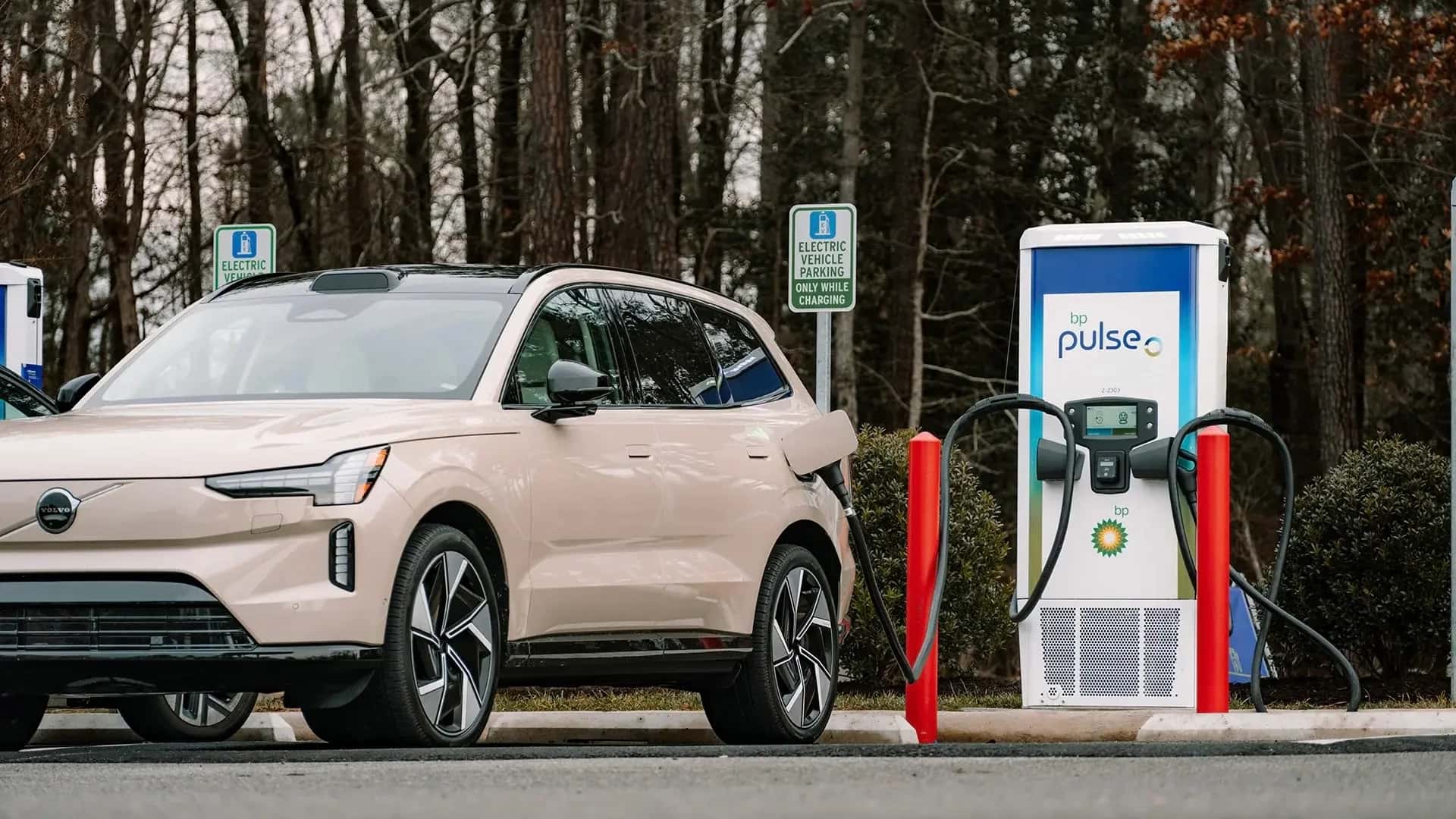
- BP Pulse’s entire United States EV charging network, comprising nearly 900 DC fast chargers, has been fully integrated into ChargeHub’s Passport Hub ecosystem.
- This strategic partnership means electric vehicle (EV) drivers can now locate, access, and pay for charging sessions at BP Pulse stations directly through the ChargeHub app.
- ChargeHub, touted as North America’s largest roaming network, consolidates thousands of charging stalls from dozens of operators, significantly simplifying the charging experience for consumers.
- The integration enhances convenience by providing real-time port availability and connector type information, allowing drivers to streamline their travel planning.
- The move is poised to accelerate EV adoption by fostering greater interoperability and reliability across disparate charging infrastructures.
In a significant development for electric vehicle owners across the United States, BP Pulse, the dedicated EV charging arm of the global energy giant, has announced the full integration of its extensive network into ChargeHub’s comprehensive roaming platform. This pivotal collaboration is set to dramatically simplify how drivers interact with BP Pulse EV chargers, making the process of finding, accessing, and paying for charging more efficient than ever before.
The integration, finalized on November 3, marks a crucial step towards a more unified and user-friendly public charging infrastructure. With nearly 900 DC fast chargers now accessible through the ChargeHub Passport Hub ecosystem, EV drivers can bypass the need for multiple proprietary applications, consolidating their charging experience into a single, intuitive platform.
The New Era of Seamless EV Charging
The proliferation of diverse charging networks has, at times, presented a fragmented landscape for EV users. Each network often requires its own dedicated application, account, and payment method, leading to what many term ‘app fatigue.’ This new integration directly addresses this challenge, offering a streamlined solution.
By becoming part of ChargeHub’s ecosystem, BP Pulse EV chargers are now part of what is claimed to be North America’s largest roaming network. This expansive reach allows EV drivers unprecedented ease of access, fundamentally transforming their charging journey across the continent.
ChargeHub’s Expansive Ecosystem
ChargeHub’s platform stands out by aggregating thousands of charging stalls from numerous operators under one digital roof. This extensive aggregation is a game-changer for EV owners, as it alleviates the complexity of managing multiple accounts and applications for different charging providers.
The Passport Hub ecosystem is designed to be a universal key, unlocking charging availability and payment options across a vast array of participating networks. For BP Pulse users, this means enhanced reach and reliability, as they can now leverage a broader platform for their charging needs.
Streamlined Access and Payment
The core benefit of this integration lies in the enhanced user experience facilitated by the ChargeHub app. Drivers can now utilize this single application to perform a multitude of essential functions related to BP Pulse EV chargers.
From locating available charging points in real-time to initiating and paying for sessions, the ChargeHub app provides a comprehensive solution. This level of consolidated control is instrumental in reducing range anxiety and improving the overall convenience of long-distance EV travel.
A Closer Look at BP Pulse’s Charging Infrastructure
BP Pulse’s commitment to expanding its charging infrastructure is evident in the scale and technological diversity of its network. The integration with ChargeHub underscores the company’s efforts to not only build out its network but also make it readily accessible to a wider user base.
The nearly 900 DC fast chargers forming the backbone of the BP Pulse network are strategically deployed across various locations. These stations are equipped with a range of technologies designed to cater to the diverse needs of the modern EV fleet.
Diverse Connector Options
Understanding the varied requirements of different electric vehicles, BP Pulse has equipped its stations with multiple connector types. Approximately one-third of its 874 fast chargers feature the Tesla-style North American Charging Standard (NACS) connector, reflecting the growing adoption of this standard.
The majority of BP Pulse stalls are outfitted with CCS1 connectors, which are prevalent across many non-Tesla EV models. Additionally, some stations continue to offer CHAdeMO plugs, ensuring compatibility with a broader spectrum of older EV models still on the road.
Advanced Charging Capabilities
The BP Pulse network boasts a range of charger types from leading manufacturers, offering varying power outputs to suit different charging needs and vehicle specifications. The lowest-powered stalls, manufactured by Tritium, deliver up to 150 kW, providing a robust fast-charging option.
For even quicker charging, the network includes 180 kW ABB dispensers. At the forefront of rapid charging technology, BP Pulse also deploys 400 kW Alpitronic stalls, catering to newer EV models capable of ultra-fast charging rates, significantly reducing stop times.
Flexible Payment and Features
Beyond app-based transactions, BP Pulse maintains flexibility for drivers who prefer traditional payment methods. All BP Pulse EV chargers are equipped with on-site credit card readers, ensuring that an app is not a mandatory prerequisite for initiating a charge.
The network also supports Plug & Charge functionality, offering an even more seamless experience where the vehicle communicates directly with the charger for authentication and payment. However, this feature is currently limited to Ford and BMW vehicles and is only enabled on the fastest stalls within the network.
Network Scale and Strategic Locations
The strategic expansion and robust capacity of the BP Pulse network are vital components of its offering to EV drivers. The company’s focus on both individual station size and overall network footprint is aimed at maximizing convenience and reliability.
From compact stations designed for quick stops to expansive charging hubs, BP Pulse is building an infrastructure that supports a wide range of travel patterns and charging demands, contributing to the broader development of public charging infrastructure.
Growth and Geographic Reach
The BP Pulse network encompasses both small and large-scale charging sites. The smallest stations typically feature just two stalls, ideal for local convenience or supplementary charging in urban areas. This scalable approach allows for flexible deployment across various geographic and commercial landscapes.
At the other end of the spectrum, the network includes significant installations such as the site in Inglewood, California, which, according to DCFC Tracker, boasts an impressive 48 stalls. This flagship location demonstrates BP Pulse’s capacity to host major charging hubs capable of serving a high volume of electric vehicles simultaneously.
Understanding Charging Costs
Pricing for charging sessions on the BP Pulse network is dynamic, reflecting factors such as location, charging speed, and potentially time of day. Drivers can expect pricing to range between $0.33 per kilowatt-hour and $0.65 per kilowatt-hour.
This transparent pricing structure, often displayed via the ChargeHub app, allows EV owners to make informed decisions about where and when to charge their vehicles, optimizing their charging costs based on their specific needs and budget.
Industry Perspective and Future Implications
The integration of BP Pulse into ChargeHub’s roaming network represents more than just a technological upgrade; it signifies a maturing EV charging ecosystem focused on collaboration and user-centric design. Industry leaders view such partnerships as critical catalysts for sustained EV growth.
Sujay Sharma, VP EV Charging at BP Pulse, articulated the strategic vision behind this initiative. “We’re focused on making charging simple, reliable, and easy to access wherever drivers need it,” Sharma stated. “By partnering with ChargeHub, we’re expanding access to the bp pulse network through trusted roaming partners for EV drivers on the road. Charging networks working better together benefits the entire EV ecosystem and is an important step toward accelerating EV adoption.”
Accelerating EV Adoption
Sharma’s comments underscore a key industry consensus: interoperability is paramount for accelerating EV adoption. As more charging networks collaborate, the user experience becomes less daunting, removing significant barriers for potential EV buyers.
This move by BP Pulse and ChargeHub serves as a model for how competitors can cooperate to build a more resilient and accessible electric vehicle charging network. Such initiatives build confidence among consumers, reassuring them that charging will be a straightforward part of EV ownership.
Broader Roaming Landscape
The ChargeHub app’s capabilities extend beyond just facilitating transactions for integrated networks. It also functions as a comprehensive directory, allowing drivers to locate an additional 70+ networks, including major players like Tesla, Ionna, and Electrify America.
While full payment integration with all these networks may vary, the ability to simply find and navigate to various charging options from a single app greatly enhances trip planning. This holistic approach to mapping the entire North American EV charging landscape reinforces ChargeHub’s position as a vital tool for electric vehicle drivers.
Conclusion
The integration of BP Pulse EV chargers into ChargeHub’s extensive roaming network marks a pivotal moment for electric vehicle drivers across North America. This collaboration not only simplifies the charging process by unifying access and payment through a single app but also significantly enhances the overall reliability and convenience of public charging.
By addressing the complexities of a fragmented charging landscape, this partnership is a clear indicator of the industry’s commitment to fostering greater interoperability. It reinforces the notion that working together across networks is not just a commercial advantage but a fundamental requirement for accelerating the widespread adoption of electric vehicles and solidifying the future of sustainable transportation.
Frequently Asked Questions (FAQ)
What does the integration of BP Pulse into ChargeHub mean for EV drivers?
The integration allows EV drivers to easily locate, access, and pay for charging sessions at BP Pulse’s nearly 900 DC fast chargers across the U.S. using just one application: the ChargeHub app. This eliminates the need for a separate BP Pulse app, streamlining the charging experience significantly.
How many BP Pulse EV chargers are now accessible via ChargeHub?
BP Pulse has integrated its entire United States network, comprising nearly 900 DC fast chargers, into the ChargeHub platform. This includes a diverse array of charging speeds and connector types, enhancing accessibility for a wide range of electric vehicles.
What types of connectors are available at BP Pulse EV chargers?
BP Pulse stations offer a variety of connectors to accommodate different EV models. Approximately one-third of its 874 fast chargers feature the Tesla-style NACS connector, while the majority are equipped with CCS1 connectors. Some older models are also supported with CHAdeMO plugs.
Can I pay for charging at BP Pulse stations without using the ChargeHub app?
Yes, all BP Pulse EV chargers are equipped with on-site credit card readers. This provides an alternative payment method for drivers who may not wish to use the ChargeHub app or who prefer a direct transaction at the charging station.
What are the charging speeds available at BP Pulse EV chargers?
BP Pulse offers a range of charging speeds through its network. Drivers can find Tritium-made stalls delivering up to 150 kW, 180 kW ABB dispensers, and high-speed 400 kW Alpitronic stalls. These varying capacities cater to different EV battery sizes and charging needs.
How does this integration benefit the broader EV ecosystem?
As stated by BP Pulse VP Sujay Sharma, this partnership fosters greater interoperability among charging networks. By making charging simpler and more reliable, it removes significant barriers to EV adoption, encouraging more consumers to transition to electric vehicles and strengthening the overall EV infrastructure.
What is the pricing range for charging at BP Pulse stations?
Pricing for charging at BP Pulse stations varies depending on factors such as location and charging speed. Generally, costs range from $0.33 per kilowatt-hour to $0.65 per kilowatt-hour, providing transparency for drivers to manage their charging expenses.
Does ChargeHub only show BP Pulse chargers?
No, ChargeHub’s platform is designed to be comprehensive. In addition to full integration with over 40 operators in the U.S. and Canada for access and payment, the app can also locate and provide information on more than 70 other networks, including major players like Tesla, Ionna, and Electrify America.